Introduction: The Current State of Bitcoin
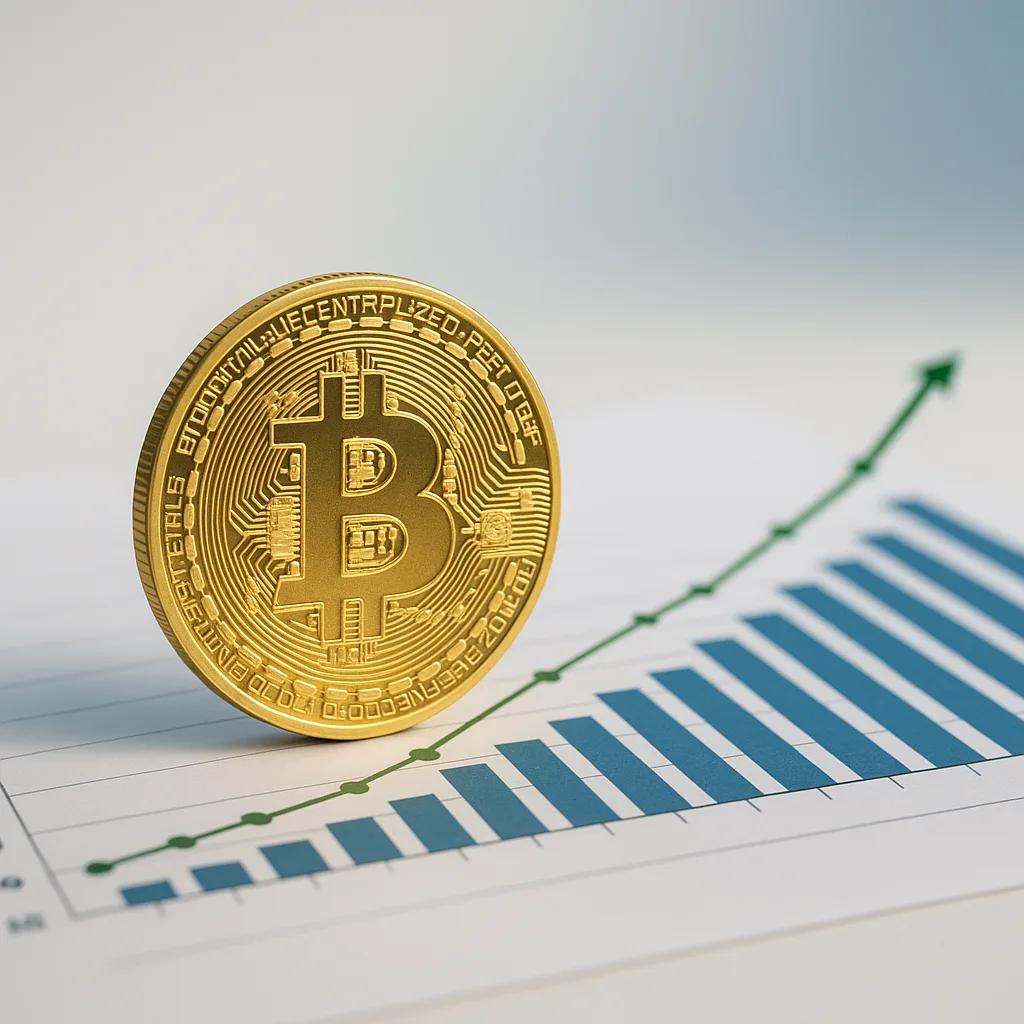
As of October 2023, Bitcoin has once again proven its resilience by surging past the $71,000 mark. This significant milestone not only highlights the cryptocurrency's ongoing relevance in the financial landscape but also emphasizes the growing interest and investment in digital assets. Over the past few years, Bitcoin has experienced a rollercoaster of price fluctuations, yet it has managed to establish itself as a formidable player in the global economy. The recent surge has sparked discussions among investors, analysts, and enthusiasts alike, making it an opportune moment to assess the current state of Bitcoin.
Several factors have contributed to this remarkable climb in Bitcoin's value. Institutional adoption has been on the rise, with major corporations and financial institutions increasingly recognizing Bitcoin as a legitimate asset class. This shift has been driven by a desire for diversification and the potential for high returns, particularly in an era marked by economic uncertainty and inflationary pressures. Additionally, advancements in blockchain technology and the growing acceptance of cryptocurrencies in everyday transactions have further solidified Bitcoin's position in the market.
Another element influencing Bitcoin's surge is the heightened interest in decentralized finance (DeFi) and non-fungible tokens (NFTs), which have brought new users into the cryptocurrency space. As more individuals and businesses explore the benefits of blockchain-based solutions, the demand for Bitcoin and other cryptocurrencies continues to expand. Furthermore, the recent regulatory developments in various countries have provided a clearer framework for cryptocurrency operations, instilling a sense of confidence among investors and users alike.
However, despite the optimism surrounding Bitcoin's recent performance, it is essential to approach this market with caution. The volatility inherent in cryptocurrencies means that while the potential for gains is significant, so too is the risk of loss. As we delve deeper into the factors driving Bitcoin's recent success, it is crucial to remain informed and aware of the broader market dynamics that could impact its future trajectory. Understanding the current state of Bitcoin is not just about recognizing its price point; it involves grasping the underlying trends that shape the cryptocurrency landscape and the implications for investors moving forward. Institutional demand in crypto.
Market Overview: Bitcoin's Recent Performance
As of October 2023, Bitcoin has reached an impressive milestone, surging past the $71,000 mark. This significant uptick in value is not only a testament to Bitcoin's resilience but also reflects the broader dynamics at play within the cryptocurrency market. Over the past few months, Bitcoin has experienced notable volatility, characterized by sharp price fluctuations that have both excited investors and caused caution among market participants.
In recent weeks, a confluence of factors has contributed to Bitcoin's price surge. Institutional interest has risen sharply, fueled by growing acceptance of cryptocurrencies among large financial institutions. This influx of capital has instilled a sense of confidence in the market, prompting many retail investors to enter the fray. Additionally, macroeconomic factors, such as inflation concerns and geopolitical tensions, have led individuals to seek alternative stores of value, further driving demand for Bitcoin. The narrative surrounding Bitcoin as 'digital gold' has gained traction, solidifying its status as a hedge against traditional market fluctuations.
Despite the recent highs, Bitcoin's journey has not been without its challenges. The market has faced regulatory scrutiny and environmental concerns related to energy consumption during mining. However, the community's ongoing efforts to address these issues, including advancements in energy-efficient mining technology and advocacy for clear regulatory frameworks, have helped to mitigate some of these risks. Moreover, Bitcoin's historical ability to rebound from downturns has built a strong case for its long-term viability.
Investors remain optimistic about Bitcoin's future trajectory, with many analysts forecasting continued growth. The increasing institutional adoption, coupled with a growing number of use cases in decentralized finance (DeFi) and non-fungible tokens (NFTs), suggests that Bitcoin's role in the financial ecosystem is only set to expand. As we move forward, it will be crucial to monitor the interplay between market sentiment, regulatory developments, and technological innovations, as these factors will undoubtedly shape the landscape for Bitcoin and the broader cryptocurrency market. Understanding decentralized finance.
Impact of Global Events on Cryptocurrency Markets
The cryptocurrency market is known for its volatility, often reacting to a myriad of global events ranging from economic indicators to geopolitical tensions. One of the most significant drivers of market sentiment is regulatory news. For instance, announcements regarding stricter regulations in major economies can lead to immediate sell-offs, while positive regulatory developments, such as the approval of Bitcoin exchange-traded funds (ETFs), can trigger bullish rallies. The recent surge in Bitcoin's price past $71,000 coincided with favorable regulatory news from several countries, highlighting how intertwined crypto markets are with global regulatory landscapes.
Economic factors also play a crucial role in shaping the trajectory of cryptocurrency prices. Inflation rates, interest rate changes, and fiscal policies can all influence investor behavior. In times of economic uncertainty, many investors view Bitcoin and other cryptocurrencies as a hedge against inflation or currency devaluation. This perception has been reinforced by the increasing adoption of Bitcoin as a store of value, especially as central banks around the world continue to implement expansive monetary policies. As a result, fluctuations in traditional financial markets due to economic events can lead to corresponding movements in the crypto space.
Moreover, geopolitical events such as conflicts, trade wars, and diplomatic tensions can create a ripple effect that impacts market resilience. For example, during periods of heightened geopolitical tension, investors may flock to cryptocurrencies as a means of safeguarding their assets from potential nationalization or currency collapse. The recent surge in Bitcoin's value has been partially attributed to rising concerns over geopolitical stability, prompting investors to seek refuge in decentralized assets. This trend underscores the idea that cryptocurrencies are increasingly viewed not just as speculative investments but as viable alternatives in uncertain times.
In conclusion, the interplay between global events and cryptocurrency markets is complex and multifaceted. Investors must consider a range of factors, including regulatory developments, economic indicators, and geopolitical tensions, when analyzing market movements. The resilience of Bitcoin, now surpassing $71,000, serves as a testament to its growing acceptance and the evolving landscape of global finance, where cryptocurrencies are increasingly seen as pivotal players. Bitcoin's short squeeze potential.
Comparative Analysis: Bitcoin vs. Other Major Cryptocurrencies
As Bitcoin continues its upward trajectory, surpassing the $71,000 mark, it’s essential to compare its performance and characteristics with other major cryptocurrencies. Bitcoin, often referred to as digital gold, has long been the leader of the cryptocurrency market, but how does it stack up against its closest competitors like Ethereum, Binance Coin, and Cardano?
Bitcoin's primary value proposition lies in its decentralization and limited supply, capped at 21 million coins. This scarcity has created a strong demand, especially in times of economic uncertainty. In contrast, Ethereum, the second-largest cryptocurrency by market capitalization, offers a different value through its smart contract functionality and decentralized applications (dApps). While Ethereum has seen significant growth and innovation, its inflationary nature—due to ongoing issuance of new coins—can dilute value over time, making Bitcoin a more attractive store of value for some investors.
Binance Coin (BNB) and Cardano (ADA) showcase their unique use cases and communities. BNB, initially created as a utility token for the Binance exchange, has evolved into a multi-functional asset used for transaction fees, token sales, and more within the Binance ecosystem. Although BNB has experienced impressive growth, its performance is closely tied to the success of the Binance platform itself, which can introduce volatility. On the other hand, Cardano emphasizes a research-driven approach toward scalability and sustainability, but its market performance has been relatively modest compared to Bitcoin and Ethereum.
Moreover, Bitcoin's resilience is evident in its ability to maintain dominance even when altcoins experience significant fluctuations. During market corrections, Bitcoin often acts as a safe haven, attracting capital that might otherwise flow into riskier assets. As institutional investors continue to recognize Bitcoin's potential as a hedge against inflation and market instability, its comparative strength over other cryptocurrencies is likely to solidify further. In summary, while Bitcoin leads the pack with its established network and store of value attributes, other cryptocurrencies bring innovation and unique features to the table, creating a diverse and dynamic market landscape.
Investment Strategies: Navigating Volatility
The cryptocurrency market is notorious for its volatility, and Bitcoin is no exception. With its recent surge past $71,000, investors are faced with both exciting opportunities and daunting risks. Navigating this landscape requires a strategic approach that balances potential gains with the inherent uncertainties of the market. Understanding the principles of risk management and diversification can significantly enhance one's investment strategy.
One effective strategy is dollar-cost averaging (DCA), where investors consistently purchase a fixed dollar amount of Bitcoin at regular intervals, regardless of its price. This technique helps to mitigate the impact of price volatility, as it allows investors to buy more coins when prices are low and fewer when prices are high. Over time, DCA can lead to a lower average cost per Bitcoin, making it a compelling strategy for those looking to invest over the long term without trying to time the market.
Another important aspect of navigating Bitcoin's volatility is maintaining a diversified portfolio. While Bitcoin has proven to be a strong performer, the cryptocurrency market is home to thousands of other digital assets. By diversifying investments across various cryptocurrencies and even incorporating traditional assets, investors can spread their risk and potentially benefit from the growth of multiple sectors. This balanced approach can help cushion the impact of any single asset's downturn, allowing for a more stable investment experience.
Furthermore, setting clear investment goals and understanding one's risk tolerance is crucial. Investors should ask themselves whether they are looking for short-term gains or long-term wealth accumulation. Those with a higher risk tolerance may choose to invest a larger portion in Bitcoin, while conservative investors might prefer to limit their exposure. Establishing a clear exit strategy or profit-taking plan can also help investors navigate market fluctuations with confidence, ensuring they make informed decisions rather than emotional ones during periods of volatility.
Future Outlook: What Lies Ahead for Bitcoin and Crypto
The recent surge of Bitcoin past the $71,000 mark has sparked renewed interest in the cryptocurrency market, prompting discussions about its future trajectory. Analysts and enthusiasts alike are trying to decipher the underlying factors driving this momentum, as well as the potential challenges that may lie ahead. As institutional adoption continues to grow and regulatory clarity improves, Bitcoin could solidify its position as a legitimate asset class within diversified investment portfolios. KCS price.
One of the most significant factors contributing to Bitcoin's rise is the increasing institutional interest. Major financial institutions are not only investing in Bitcoin but also offering crypto-related products to their clients. This mainstream acceptance elevates Bitcoin's status as a store of value akin to gold, which could attract more retail investors. Additionally, the ongoing developments in the decentralized finance (DeFi) space and the rise of non-fungible tokens (NFTs) are likely to have a spillover effect on Bitcoin, further enhancing its appeal as a leading cryptocurrency.
However, the future is not without its uncertainties. Regulatory scrutiny remains a critical concern, with governments around the world exploring frameworks to regulate cryptocurrencies. While some regulations could enhance market stability and investor protection, overly stringent measures could stifle innovation and growth in the sector. Additionally, Bitcoin's environmental impact, particularly concerning energy consumption during mining, has come under increased scrutiny, leading to discussions around sustainable practices and alternative consensus mechanisms.
As we look ahead, technological advancements will also play a pivotal role in shaping Bitcoin's trajectory. The ongoing development of the Lightning Network, which aims to facilitate faster and cheaper transactions, could enhance Bitcoin's usability and drive wider adoption. Furthermore, as the crypto market matures, we may see more interoperability between various cryptocurrencies and blockchain networks, fostering a more integrated ecosystem. Ultimately, while Bitcoin's future appears promising, it is essential for investors to remain vigilant and informed about the evolving landscape, ensuring they navigate the complexities of this dynamic environment with due diligence.
Conclusion: Key Takeaways for Investors
As Bitcoin surges past the $71,000 mark, it serves as a reminder of the cryptocurrency's remarkable resilience in the face of market volatility. Investors should take note of several key takeaways that can inform their strategies moving forward. First and foremost, the trajectory of Bitcoin underscores the importance of understanding market cycles. Price fluctuations, while often dramatic, are a natural part of the cryptocurrency landscape. Savvy investors recognize that patience and a long-term perspective can pay dividends, especially in a market characterized by rapid changes. Markets.
Another crucial takeaway is the significance of diversification within a cryptocurrency portfolio. While Bitcoin remains the dominant player, the rise of altcoins and other blockchain technologies illustrates the need for a well-rounded investment approach. By diversifying their holdings, investors can mitigate risks associated with the inherent volatility of any single asset. This strategy not only balances potential losses but also positions investors to capitalize on emerging opportunities in the ever-evolving cryptocurrency ecosystem.
Furthermore, staying informed about regulatory developments and market sentiment is essential for making educated investment decisions. The cryptocurrency market is influenced by various external factors, including government policies and economic trends. Investors who actively monitor these dynamics can better anticipate market movements and adjust their strategies accordingly. Engaging with news, educational resources, and community discussions can provide valuable insights that enhance an investor's ability to navigate this complex landscape.
Lastly, emotional discipline remains a cornerstone of successful investing. The euphoria surrounding Bitcoin's recent surge can tempt investors to make impulsive decisions. However, maintaining a level-headed approach and sticking to a well-defined investment plan is critical. Setting clear goals, defining risk tolerance, and adhering to a strategy can help investors weather market storms and avoid the pitfalls of emotional trading. In conclusion, the recent price surge of Bitcoin reminds us that with careful planning, ongoing education, and disciplined investment strategies, participants in the cryptocurrency market can thrive amidst uncertainty.