Introduction to Cryptocurrency in 2026
As we step into 2026, the landscape of cryptocurrency has continued to evolve at an unprecedented pace. What started as a niche market for tech enthusiasts and financial rebels has transformed into a global phenomenon, influencing various sectors including finance, technology, and even governance. With the rise of decentralized finance (DeFi), non-fungible tokens (NFTs), and central bank digital currencies (CBDCs), understanding the intricacies of cryptocurrency is essential for anyone looking to navigate this complex environment.
The past few years have seen significant regulatory developments across the globe. Governments and financial institutions have scrambled to catch up with the rapid advancements in blockchain technology and cryptocurrency trading. In 2026, many countries have established clearer regulatory frameworks that aim to protect consumers while fostering innovation. This regulatory clarity has not only boosted confidence among investors but has also made it easier for new projects to launch and thrive in the market.
In addition to regulatory changes, technological advancements have played a crucial role in shaping the cryptocurrency landscape. Innovations such as Layer 2 solutions, which enhance transaction speeds and reduce costs, have become mainstream. Moreover, blockchain interoperability has gained traction, allowing different blockchain networks to communicate and operate seamlessly. These developments have not only improved user experience but have also opened up new opportunities for cross-chain applications and decentralized applications (dApps).
Furthermore, the adoption of cryptocurrency in everyday transactions is becoming more prevalent. Major retailers and service providers are increasingly accepting cryptocurrencies as a form of payment, making it easier for individuals to use digital currencies for day-to-day purchases. The continued growth of digital wallets and payment solutions has made it simpler for users to manage their assets, fostering a culture where cryptocurrency is viewed not just as an investment vehicle, but as a legitimate currency for everyday transactions.
Key Concepts Every Investor Should Know
As the cryptocurrency market continues to evolve at a rapid pace, it is essential for both new and seasoned investors to grasp key concepts that underpin this complex landscape. Understanding these fundamental ideas can not only enhance your investment strategies but also help you navigate the often turbulent waters of cryptocurrency trading. One of the most important concepts to familiarize yourself with is blockchain technology. At its core, blockchain is a decentralized ledger that records all transactions across a network of computers. This technology ensures transparency and security, as each transaction is verified and added to the chain in a way that is nearly impossible to alter. Knowing how blockchain works can empower you to make more informed decisions about which cryptocurrencies to invest in.
Another crucial concept is the difference between various types of cryptocurrencies. While Bitcoin remains the most well-known and widely adopted cryptocurrency, the market is filled with thousands of alternatives, often referred to as altcoins. These altcoins can serve different purposes—from smart contracts and decentralized finance (DeFi) to non-fungible tokens (NFTs) and privacy features. Understanding the unique selling points and use cases of these cryptocurrencies can help you identify potential investment opportunities and avoid projects that lack substance or viability.
In addition to blockchain and altcoins, it's vital to grasp the concept of market capitalization. Market cap is calculated by multiplying the current price of a cryptocurrency by its total circulating supply. This metric provides a quick snapshot of a cryptocurrency's overall value and can help investors compare different assets. A higher market cap often signifies a more established and potentially less volatile asset, while lower market caps can indicate higher risk but also the potential for greater rewards. As you analyze potential investments, keeping an eye on market cap can guide you in assessing the risk versus reward balance.
Lastly, understanding the importance of security in cryptocurrency investments cannot be overstated. The decentralized nature of cryptocurrencies means that users are responsible for their own security. Familiarizing yourself with best practices such as using hardware wallets, enabling two-factor authentication, and being wary of phishing attacks can safeguard your investments against theft and hacks. By mastering these key concepts, you will be better equipped to make informed decisions in the ever-changing world of cryptocurrency.
3. Understanding Market Structure: Exchanges and Trading Pairs
In the rapidly evolving world of cryptocurrency, understanding the market structure is crucial for any investor or trader. At the core of this structure are exchanges and trading pairs, which serve as the primary platforms where digital assets are bought, sold, and exchanged. Cryptocurrency exchanges can be broadly categorized into centralized exchanges (CEXs) and decentralized exchanges (DEXs). Each type has its own unique features, benefits, and drawbacks.
Centralized exchanges, such as Binance, Coinbase, and Kraken, act as intermediaries between buyers and sellers. They provide a user-friendly interface, making it easier for individuals to trade various cryptocurrencies. CEXs typically offer high liquidity, meaning users can quickly buy or sell assets without significant price fluctuations. However, one major drawback is that users must trust these platforms with their funds, as they hold the private keys to users' wallets. This centralization also makes them a target for hackers and regulatory scrutiny, which can lead to potential risks for investors.
On the other hand, decentralized exchanges operate on blockchain technology, allowing users to trade directly with one another without the need for an intermediary. This peer-to-peer approach enhances privacy and security, as users retain control of their private keys throughout the trading process. DEXs, such as Uniswap and SushiSwap, have gained popularity due to their ability to facilitate trading without the risks associated with centralized platforms. However, they may suffer from lower liquidity and higher volatility, making them less suitable for large-scale trading.
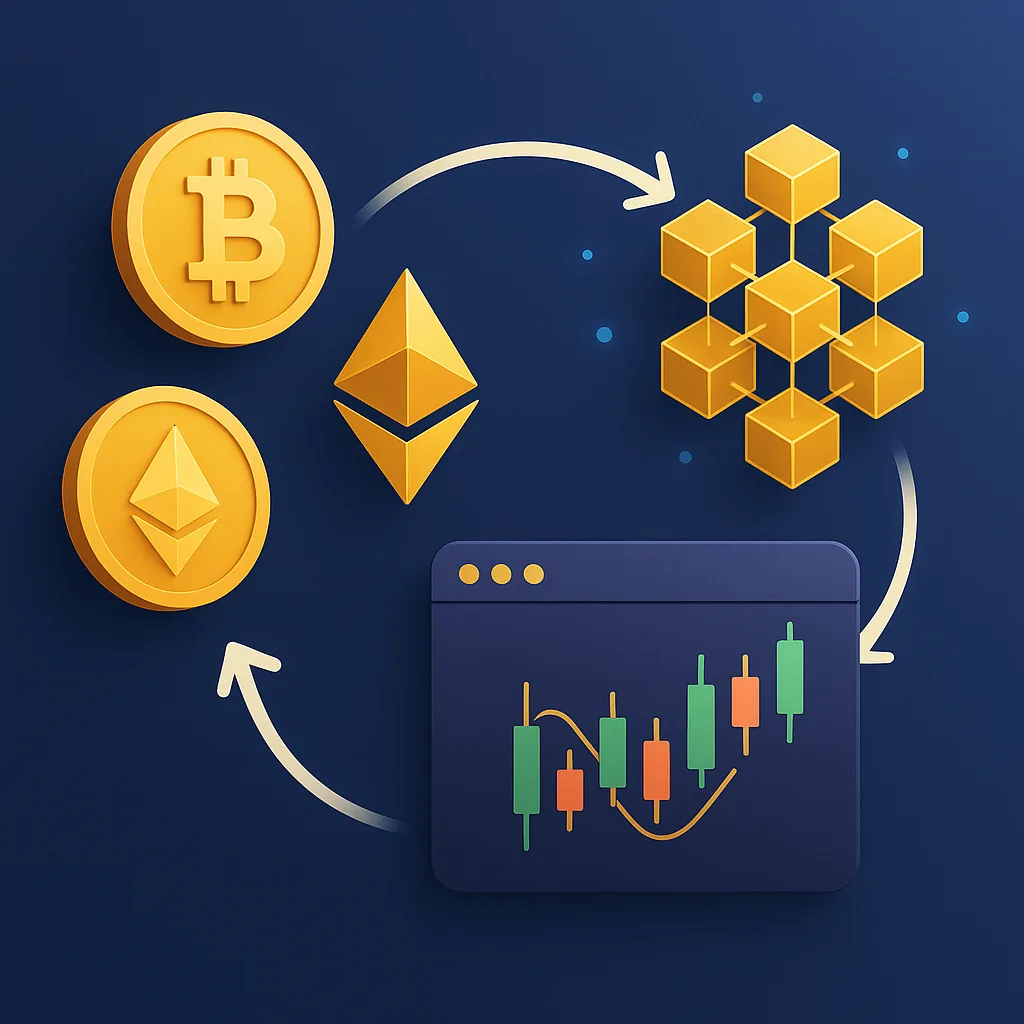
When engaging in cryptocurrency trading, understanding trading pairs is also essential. A trading pair consists of two cryptocurrencies that can be exchanged for one another, such as Bitcoin (BTC) and Ethereum (ETH). The value of a trading pair is determined by the market dynamics of supply and demand for each asset. Familiarity with various trading pairs allows investors to diversify their portfolios and take advantage of price movements across different cryptocurrencies. Moreover, knowing how to read charts and monitor market trends can significantly enhance trading strategies, making it easier to identify profitable opportunities.
The Rise of NFTs: Trends and Opportunities
As we move into 2026, non-fungible tokens (NFTs) continue to revolutionize the digital landscape, transcending their initial associations with digital art and collectibles. NFTs are unique digital assets that represent ownership or proof of authenticity of a specific item or piece of content, secured on a blockchain. This unique characteristic not only enhances the value of digital creations but also introduces novel opportunities for creators, collectors, and investors alike.
In recent years, the NFT market has expanded beyond art into various sectors, including music, gaming, virtual real estate, and even fashion. Musicians are now releasing exclusive tracks and albums as NFTs, granting fans unique ownership and access to content. Gaming companies are integrating NFTs into their platforms, allowing players to own, trade, and monetize in-game assets. Additionally, virtual worlds and metaverses are emerging as popular venues for NFT transactions, where users can buy and sell digital land and properties. This broadening scope signifies that NFTs are not merely a passing trend but a fundamental shift in how we perceive ownership and value in the digital realm.
As the market matures, several trends are emerging that are shaping the future of NFTs. One significant trend is the growing emphasis on interoperability, enabling NFTs to be used across various platforms and ecosystems. This development allows for greater utility and value, as users can seamlessly transfer their digital assets between different applications. Furthermore, the integration of augmented reality (AR) and virtual reality (VR) technologies is enhancing the user experience, making NFTs more interactive and engaging.
For investors and creators, the NFT landscape presents a wealth of opportunities. As brands increasingly leverage NFTs for marketing and community engagement, there is potential for significant financial returns. However, it is essential to approach this space with caution and conduct thorough research, as the market can be volatile and speculative. By staying informed about emerging trends and engaging with the community, individuals can navigate the NFT ecosystem effectively and harness its potential for growth and innovation.
5. Exploring Decentralized Finance (DeFi) Innovations
Decentralized Finance, commonly known as DeFi, has revolutionized the financial landscape by offering an array of innovative solutions that operate without traditional intermediaries. As we step into 2026, the DeFi ecosystem continues to grow, providing users with enhanced financial services and opportunities that were previously unavailable through conventional banking systems. By leveraging blockchain technology, DeFi platforms enable peer-to-peer transactions, lending, borrowing, and trading, thus democratizing access to financial resources.
One of the most significant innovations in the DeFi space is the emergence of automated market makers (AMMs). Unlike traditional exchanges that rely on order books, AMMs use liquidity pools to facilitate trades, allowing users to swap tokens directly without the need for a centralized authority. This change has led to increased liquidity and reduced slippage, making trading more efficient. In 2026, we can expect to see further advancements in AMM protocols, including improved algorithms that optimize price discovery and reduce impermanent loss, a common concern for liquidity providers.
Additionally, the rise of decentralized autonomous organizations (DAOs) has transformed how financial decisions are made within the DeFi ecosystem. DAOs empower community members to participate in governance through token-based voting, enabling a more democratic process for protocol upgrades, fee structures, and other critical decisions. As we move forward, the integration of DAOs with DeFi platforms will likely become more sophisticated, promoting greater user engagement and investment security while ensuring that the interests of all stakeholders are represented.
Furthermore, the interoperability between different DeFi protocols is expected to be a game-changer in 2026. Cross-chain solutions are being developed to allow seamless transactions between various blockchains, enabling users to access diverse DeFi services without being limited to a single network. This will not only enhance user experience but also expand the liquidity available across different platforms, ultimately contributing to a more robust and resilient DeFi ecosystem. With these innovations on the horizon, understanding DeFi will be crucial for anyone looking to navigate the evolving cryptocurrency landscape.
6. Security Best Practices for Cryptocurrency Holders
As the cryptocurrency landscape continues to evolve, so do the threats to your digital assets. With increasing reports of hacks, scams, and fraud, practicing robust security measures is more crucial than ever for anyone holding cryptocurrencies. Understanding and implementing security best practices can help safeguard your investments and provide peace of mind in an increasingly volatile market.
The first step in securing your cryptocurrency is choosing the right storage method. Hardware wallets, such as Trezor or Ledger, are often recommended as they store your private keys offline, making them less susceptible to online attacks. Alternatively, software wallets can be used, but they should be equipped with strong security protocols, including two-factor authentication (2FA) and strong encryption. Regardless of the wallet type, always ensure that your recovery phrases and private keys are kept secure and never shared with anyone.
Another critical aspect of cryptocurrency security is being vigilant against phishing attacks. Cybercriminals often employ sophisticated tactics to trick users into revealing their private information or accessing fake platforms that mimic legitimate exchanges. Always double-check URLs, avoid clicking on suspicious links, and ensure that you are using official websites and applications. Additionally, enabling 2FA on your accounts can significantly reduce the risk of unauthorized access, providing an extra layer of security against potential breaches.
Finally, staying informed about the latest security trends and updates in the cryptocurrency space is essential. Regularly update your software and wallets to patch any vulnerabilities, and consider diversifying your holdings across different wallets to mitigate risks. By adopting a proactive approach to security and consistently educating yourself about potential threats, you can better protect your digital assets and contribute to a safer cryptocurrency ecosystem.
7. Regulatory Landscape: What to Expect in 2026
As we move into 2026, the regulatory landscape surrounding cryptocurrencies is expected to evolve significantly. Governments around the world are beginning to recognize the importance of establishing clear regulations that not only protect consumers but also foster innovation in the blockchain space. The regulatory frameworks that are being developed aim to mitigate risks associated with fraud, money laundering, and market manipulation, while simultaneously encouraging the growth of legitimate cryptocurrency businesses.
In many jurisdictions, we anticipate that regulations will become more standardized, moving away from the fragmented approach that has characterized the industry in the past. For instance, the European Union is likely to implement its Markets in Crypto-Assets (MiCA) regulation, which aims to provide a comprehensive framework for crypto assets. This regulation will set forth guidelines for issuers and service providers, ensuring that they adhere to strict compliance measures. Similarly, the United States is expected to see more defined regulations from agencies such as the Securities and Exchange Commission (SEC) and the Commodity Futures Trading Commission (CFTC), clarifying the status of cryptocurrencies as either securities or commodities.
Furthermore, we can expect increased collaboration between regulatory bodies across different countries. International organizations such as the Financial Action Task Force (FATF) are pushing for the adoption of global standards to combat illicit activities in the cryptocurrency space. This could lead to the establishment of a more cohesive regulatory environment that transcends borders, facilitating smoother cross-border transactions and enhancing the legitimacy of cryptocurrency operations on a global scale. As regulations become more unified, businesses will have a clearer understanding of their legal obligations and compliance requirements, which will ultimately contribute to a healthier market ecosystem.
However, with increased regulation comes the challenge of striking a balance between consumer protection and innovation. Policymakers must ensure that regulations do not stifle the creativity and entrepreneurial spirit that has driven the cryptocurrency market since its inception. The success of the regulatory landscape in 2026 will depend on the ability of governments to adapt to the rapidly changing technology while safeguarding the interests of all stakeholders involved.
Conclusion: Navigating the Future of Cryptocurrency
As we look toward the future of cryptocurrency in 2026, it's clear that the landscape is evolving at an unprecedented pace. The rapid advancements in technology, regulatory frameworks, and market dynamics present both challenges and opportunities for investors, developers, and everyday users. Understanding the fundamentals of cryptocurrency is no longer a niche skill; it has become essential for anyone engaged in the digital economy. This guide has equipped you with the necessary knowledge to navigate this complex world, but the journey does not end here.
One key takeaway is the importance of staying informed. The cryptocurrency market is highly volatile and can change dramatically due to regulatory shifts, technological innovations, or macroeconomic factors. Therefore, continuous education and adaptation are crucial for successful navigation of the crypto landscape. Engaging with communities, following reputable news sources, and participating in discussions will help you stay ahead of the curve and make informed decisions. Remember, knowledge is your best asset in an environment where misinformation can lead to significant financial loss.
Moreover, as we enter a more mainstream acceptance of cryptocurrencies, ethical considerations will also play a vital role. Issues surrounding privacy, security, and environmental impact are becoming increasingly prominent. Engaging in responsible investing and advocating for sustainable practices within the crypto space will not only benefit individual investors but also contribute to the overall health of the market. As cryptocurrencies transition from a speculative asset class to a foundational component of the global economy, how we approach these challenges will define the future of the industry.
In conclusion, while the future of cryptocurrency is uncertain, one thing is clear: it is here to stay. The next few years will be pivotal in shaping the role of digital currencies in our lives. By arming yourself with knowledge and a proactive mindset, you can navigate this exciting frontier effectively. Embrace the journey, remain adaptable, and contribute positively to the evolving narrative of cryptocurrency.