Introduction to Cardano: A Brief Overview
Cardano is a blockchain platform that has gained significant traction since its inception in 2017. Designed as a third-generation blockchain, Cardano aims to address the scalability, interoperability, and sustainability issues faced by earlier blockchain networks like Bitcoin and Ethereum. With its unique proof-of-stake consensus mechanism, called Ouroboros, Cardano distinguishes itself by promoting energy efficiency and reducing the environmental impact often associated with cryptocurrency mining.
The platform's development is guided by a research-first approach, which means that every change and upgrade is backed by academic research and peer-reviewed findings. This method not only enhances the credibility of Cardano but also fosters a robust community of developers and contributors who are dedicated to its ongoing evolution. As of 2026, Cardano has positioned itself as a leading player in the crypto space, making it a prime candidate for modern investors looking to diversify their portfolios.
One of the standout features of Cardano is its multi-layer architecture, which separates the settlement layer from the computation layer. This design allows for greater flexibility and scalability, enabling developers to build and deploy decentralized applications (dApps) more efficiently. With a growing ecosystem of projects and partnerships, Cardano continues to expand its reach beyond just a cryptocurrency, evolving into a comprehensive platform for smart contracts, decentralized finance (DeFi), and non-fungible tokens (NFTs).
As we look ahead to 2026, investors should consider the implications of Cardano's technological advancements and its strategic partnerships. The platform's commitment to regulatory compliance and community governance through the Cardano Improvement Proposals (CIPs) further solidifies its potential for long-term growth. For those interested in trading Cardano, understanding its foundational elements, market trends, and potential future developments will be crucial to formulating effective trading strategies.
Current Market Trends for Cardano in 2026
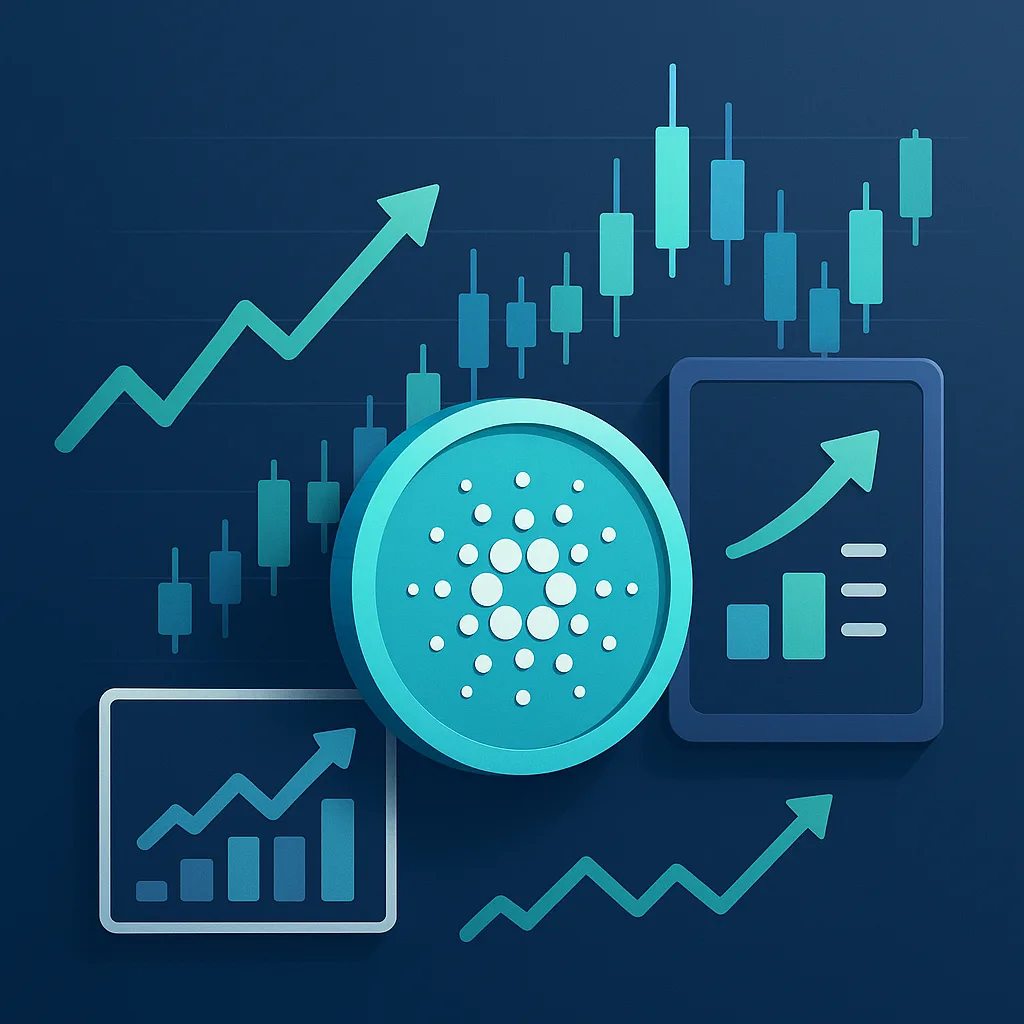
As we transition into 2026, the Cardano ecosystem continues to evolve, reflecting both technological advancements and shifts in investor sentiment. One of the most significant trends observed this year is the growing emphasis on decentralized finance (DeFi) applications built on the Cardano blockchain. With the introduction of smart contracts and ongoing updates to the network’s capabilities, developers are increasingly leveraging Cardano's unique features to create innovative financial products. This surge in DeFi projects is driving demand for ADA, the native cryptocurrency of Cardano, as users seek to participate in staking, lending, and yield farming opportunities. Investing in Cardano opportunities.
Another noticeable trend is the increasing institutional interest in Cardano. Unlike previous years, where retail investors dominated the landscape, 2026 has seen a rise in institutional adoption. Hedge funds and asset management firms are now considering Cardano as a viable investment option, recognizing its potential for long-term growth and stability. This institutional inflow is not only bolstering the price of ADA but also lending credibility to the network, attracting more retail investors who are keen to capitalize on the momentum.
Moreover, regulatory developments around cryptocurrencies are playing a significant role in shaping market trends. In 2026, many countries have moved towards clearer regulatory frameworks for digital assets, which has fostered a more secure environment for investors. Cardano, known for its commitment to compliance and governance, is well-positioned to benefit from these regulations. As governments recognize the importance of blockchain technology, Cardano’s emphasis on sustainability and scalability could set it apart from its competitors, further enhancing its appeal to both individual and institutional investors.
Lastly, the integration of Cardano with various emerging technologies, such as artificial intelligence and Internet of Things (IoT), is paving the way for enhanced use cases. Projects that combine Cardano's blockchain capabilities with AI and IoT are gaining traction, showcasing the platform's versatility. This trend not only diversifies the potential applications of Cardano but also attracts a broader investor base interested in the convergence of blockchain with other cutting-edge technologies. As we move forward in 2026, these trends are likely to shape the trading landscape for Cardano, providing investors with new strategies and opportunities to explore.
Understanding Cardano's Unique Features and Technology
Cardano, often referred to as ADA, is a third-generation blockchain platform that sets itself apart from its predecessors through its scientific approach and robust technological framework. Launched in 2017 by Ethereum co-founder Charles Hoskinson, Cardano aims to provide a more secure and scalable environment for the development of decentralized applications (dApps) and smart contracts. At its core, Cardano operates on a unique proof-of-stake consensus mechanism known as Ouroboros, which allows it to achieve higher levels of energy efficiency and security compared to the traditional proof-of-work systems. The rise of Cardano in 2026.
The Ouroboros protocol is designed to enable the network to scale sustainably, which is crucial as the demand for blockchain technology continues to rise. This mechanism not only reduces the energy consumption associated with transaction processing but also enhances the overall security of the network by allowing participants to stake their ADA tokens, thereby incentivizing honest behavior. As you trade Cardano in 2026, understanding how this consensus mechanism works will be essential for assessing the platform's reliability and potential for growth.
In addition to its proof-of-stake model, Cardano is built on a multilayer architecture that separates the settlement layer from the computation layer. This separation allows for greater flexibility and customization of smart contracts, making it easier for developers to create complex applications without compromising the underlying security of the network. The settlement layer is where transactions are processed, while the computation layer handles the execution of smart contracts. This design not only enhances the platform's efficiency but also allows for upgrades and improvements to be implemented without disrupting ongoing transactions.
Moreover, Cardano is committed to a rigorous research-driven development process, involving peer-reviewed academic studies to guide its technological advancements. This approach ensures that each upgrade and new feature is built on a solid foundation of scientific principles, making Cardano one of the most secure and reliable blockchain platforms available. As an investor, recognizing these unique features and the continuous evolution of Cardano's technology will be crucial when formulating your trading strategies in 2026, as they can significantly influence the platform's value and market perception.
Key Factors Influencing Cardano's Price Movements
As we look towards 2026, several key factors are poised to influence the price movements of Cardano (ADA). Understanding these factors is essential for any modern investor eager to navigate the complexities of the cryptocurrency market. One of the primary drivers of Cardano's price is its robust technological development and network upgrades. The Cardano team, led by Charles Hoskinson, is committed to ongoing improvements, enhancing scalability, security, and sustainability. Each successful upgrade, such as the implementation of smart contracts or improvements to the Ouroboros consensus mechanism, tends to boost investor sentiment and can lead to significant price increases.
Another critical factor is market sentiment and overall adoption of cryptocurrencies. The broader market environment often dictates the price trends of individual cryptocurrencies, including Cardano. As institutional interest in cryptocurrencies continues to grow, Cardano's positioning as a platform for decentralized applications (dApps) and smart contracts becomes increasingly relevant. The more developers and businesses that adopt Cardano for their blockchain solutions, the more demand there will be for ADA, which can create upward pressure on its price. Furthermore, social media trends and community engagement play a substantial role in shaping public perception and investor interest, which can lead to price volatility during certain periods. Navigating market challenges in 2026.
Regulatory developments also significantly impact Cardano's price movements. As governments worldwide establish clearer frameworks for digital assets, compliance becomes a crucial factor for cryptocurrencies. Cardano's proactive approach to regulatory compliance could enhance its credibility and attract institutional investors. However, any adverse regulations or unfavorable news could lead to sharp declines in price. Investors should monitor regulatory changes closely, as these developments can create both opportunities and risks in the market.
Lastly, macroeconomic factors such as inflation, interest rates, and global economic stability will influence investor behavior and, consequently, Cardano's price. In a high-inflation environment, cryptocurrencies are often viewed as a hedge against traditional financial systems. Conversely, rising interest rates could lead to a pullback in speculative investments, including cryptocurrencies. Analyzing these economic indicators will help investors make informed decisions regarding their Cardano holdings as they navigate the market landscape in 2026.
Effective Trading Strategies for Cardano
As we move into 2026, the trading landscape for Cardano (ADA) has evolved significantly, necessitating investors to adopt effective strategies that align with the current market dynamics. Understanding the underlying technology and its developments is crucial for any trader looking to capitalize on Cardano's potential. With its continuous upgrades and a robust ecosystem, focusing on fundamental analysis combined with technical strategies can provide a comprehensive approach to trading Cardano.
One effective strategy is to utilize a combination of technical indicators to identify entry and exit points. Traders can leverage tools like Moving Averages, Relative Strength Index (RSI), and Fibonacci retracement levels to gauge market trends and potential reversals. For instance, using the 50-day and 200-day moving averages can help investors spot bullish or bearish trends. When the 50-day moving average crosses above the 200-day moving average, it’s often viewed as a bullish signal, whereas the opposite can indicate a bearish trend. This technical insight, when combined with Cardano's unique market events, can enhance trading decisions.
Moreover, incorporating fundamental analysis is vital in understanding Cardano's long-term value. Keeping abreast of Cardano's upgrades, partnerships, and adoption rates can provide insights into its price movements. For example, the launch of new smart contracts or decentralized applications (dApps) on the Cardano platform can lead to increased demand for ADA, influencing its price positively. Investors should also pay attention to the broader cryptocurrency market trends and regulatory developments, as these factors can indirectly impact Cardano's performance.
Lastly, risk management cannot be overlooked. Setting stop-loss orders and diversifying your portfolio are essential practices to mitigate potential losses. By determining risk tolerance levels and sticking to a disciplined trading plan, investors can protect their capital while positioning themselves to take advantage of Cardano's growth. In 2026, the ability to adapt and remain informed about both technical and fundamental aspects will be key to navigating the Cardano trading landscape successfully.
Risk Management Techniques for Cardano Traders
In the ever-evolving landscape of cryptocurrency trading, effective risk management is crucial, especially for a volatile asset like Cardano (ADA). As an investor, understanding the dynamics of market fluctuations and implementing a robust risk management strategy can mean the difference between long-term success and significant losses. Below are some key techniques to consider when trading Cardano in 2026.
One of the most fundamental risk management strategies is setting stop-loss orders. A stop-loss order is a predetermined price level at which a trader will exit a position to prevent further losses. For example, if you purchase Cardano at $1.00, setting a stop-loss order at $0.85 ensures that you will automatically sell your holdings if the price drops to that level. This technique not only helps to limit potential losses but also allows traders to maintain emotional discipline, preventing knee-jerk reactions during market downturns.
Diversification is another essential strategy. While Cardano presents unique opportunities, concentrating all investments in a single asset can lead to heightened risk. By diversifying your portfolio—perhaps by incorporating other cryptocurrencies or traditional assets—you can mitigate the impact of a downturn in any one asset. For instance, if Cardano experiences a price correction, other investments in your portfolio might remain stable or even appreciate, balancing your overall performance and reducing the risk of significant loss.
Additionally, employing position sizing can help traders manage their exposure to risk. This involves determining the appropriate amount of capital to allocate to each trade based on your overall portfolio and risk tolerance. A common rule of thumb is to risk no more than 1-2% of your total trading capital on a single trade. This way, even a series of losses will not severely impact your overall financial health, allowing you to trade with greater confidence and longevity. By combining these techniques—stop-loss orders, diversification, and position sizing—traders can create a well-rounded risk management plan that enhances their chances of success in the dynamic world of Cardano trading. ZEC price.
Analyzing Market Sentiment: Tools and Indicators
Understanding market sentiment is crucial for any investor looking to trade Cardano in 2026. Market sentiment reflects the overall attitude of investors toward a particular asset and can significantly influence price movements. By analyzing sentiment, traders can better position themselves to capitalize on market trends, whether bullish or bearish. Several tools and indicators can help gauge this sentiment, allowing traders to make informed decisions.
One of the most popular tools for analyzing market sentiment is the Fear and Greed Index. This index aggregates various indicators, such as volatility, market momentum, and social media sentiment, to provide a composite view of investor sentiment. A high level of fear may indicate a potential buying opportunity, while excessive greed could suggest overvaluation. Regularly monitoring this index can help traders identify critical turning points in the Cardano market.
Another useful tool is social media sentiment analysis, which involves monitoring platforms like Twitter, Reddit, and specialized crypto forums. By analyzing the volume and tone of discussions surrounding Cardano, traders can assess public opinion and gauge potential price movements. Tools like sentiment analysis algorithms can automate this process, providing real-time insights into how investors feel about Cardano, which can be invaluable for short-term trading strategies.
Technical indicators also play a vital role in understanding market sentiment. Tools like the Relative Strength Index (RSI) and Moving Average Convergence Divergence (MACD) can help traders identify overbought or oversold conditions, which often align with shifts in sentiment. When combined with sentiment analysis, these technical indicators can provide a comprehensive view of market conditions, equipping traders with the insights they need to make strategic decisions in the fast-paced world of Cardano trading. Exbix.
Conclusion: The Future of Cardano Trading
As we look towards the future of Cardano trading in 2026, it is essential for investors to remain adaptable and informed. The cryptocurrency landscape is ever-evolving, influenced by technological advancements, regulatory changes, and market dynamics. Cardano, with its strong focus on scalability, sustainability, and interoperability, positions itself as a formidable player in the blockchain ecosystem. Investors who understand the underlying technology and its potential applications will be better equipped to navigate the complexities of trading Cardano in the coming years.
One of the key strategies for success in Cardano trading is to stay updated on ongoing developments within the Cardano network. As new features and upgrades are rolled out—such as enhancements to smart contract capabilities or the introduction of decentralized finance (DeFi) applications—traders can anticipate shifts in market sentiment and adjust their strategies accordingly. Additionally, keeping an eye on community engagement and governance decisions can provide valuable insights into the long-term viability of Cardano as a project.
Furthermore, diversification remains a cornerstone of prudent investing. While Cardano may show promise, it is wise to balance your portfolio with other cryptocurrencies and traditional assets. This approach not only mitigates risk but also allows investors to capitalize on various market opportunities. Utilizing a combination of technical analysis and fundamental research will enhance decision-making and increase the likelihood of successful trades.
In conclusion, the future of Cardano trading looks promising, but success will depend on a proactive and informed approach. By embracing new technologies, staying engaged with the community, and employing sound investment strategies, traders can navigate the challenges and reap the rewards of Cardano's growth. As we move forward, the potential for innovation and value creation within the Cardano ecosystem will continue to attract attention, making it an exciting prospect for both novice and experienced investors alike.