Introduction to Cryptocurrency Exchanges
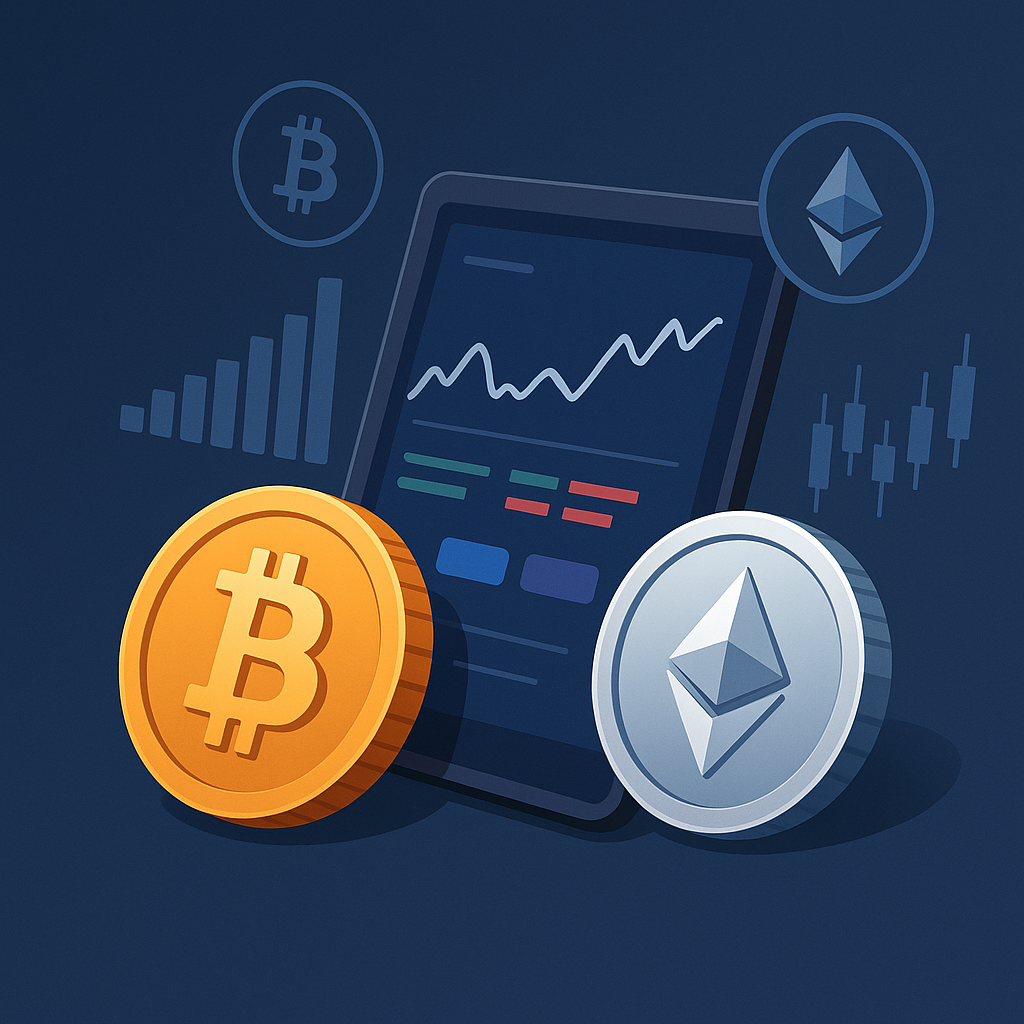
Cryptocurrency exchanges serve as digital marketplaces where individuals can buy, sell, and trade various cryptocurrencies. These platforms function similarly to traditional stock exchanges, but instead of shares of companies, users can exchange digital assets like Bitcoin, Ethereum, and countless altcoins. Understanding the mechanics of these exchanges is vital for anyone looking to navigate the world of cryptocurrencies, whether for investment or trading purposes.
There are two primary types of cryptocurrency exchanges: centralized and decentralized. Centralized exchanges (CEXs) are managed by third-party organizations that facilitate the trading process, providing users with a user-friendly interface and high liquidity. Examples of popular centralized exchanges include Binance, Coinbase, and Kraken. While these platforms offer convenience and robust security measures, they also require users to trust the entity managing the exchange, which can introduce risks such as hacking or regulatory issues.
On the other hand, decentralized exchanges (DEXs) operate without a central authority, allowing users to trade directly with one another through smart contracts on blockchain networks. DEXs like Uniswap and SushiSwap provide greater anonymity and control over one’s assets, as users retain custody of their cryptocurrencies throughout the trading process. However, DEXs can be more complex to navigate and may have lower liquidity compared to their centralized counterparts, making them less accessible for beginners.
In addition to the fundamental differences between CEXs and DEXs, it is essential to consider various factors when choosing an exchange. These include trading fees, available cryptocurrencies, security features, user experience, and customer support. By understanding the types of exchanges available and their unique benefits and drawbacks, users can make informed decisions that align with their trading strategies and risk tolerance. As the crypto landscape continues to evolve, staying updated on the latest developments in exchange technology and regulatory frameworks will be crucial for success in the digital currency market.
Types of Crypto Exchanges
When diving into the world of cryptocurrency, understanding the different types of exchanges is crucial for navigating the market effectively. Crypto exchanges can primarily be categorized into three main types: centralized exchanges (CEX), decentralized exchanges (DEX), and hybrid exchanges. Each of these platforms operates differently, offering unique advantages and disadvantages depending on the user’s needs and preferences.
Centralized exchanges are the most common type of crypto trading platform. They are managed by companies that act as intermediaries between buyers and sellers. Users create accounts with these platforms and deposit their funds for trading. Centralized exchanges typically offer a user-friendly interface, high liquidity, and a wide range of trading pairs. However, they also require users to trust the exchange to safeguard their assets, which can be a significant risk if the platform is hacked or becomes insolvent.
In contrast, decentralized exchanges operate without a central authority. They utilize smart contracts on blockchain technology to facilitate peer-to-peer trading directly between users. This eliminates the need for intermediaries, providing a higher level of privacy and security. DEXs typically allow users to maintain control over their funds throughout the trading process, reducing the risk of hacks and mismanagement. However, they often have lower liquidity, and the user experience can be more complex, which may deter novice traders.
Lastly, hybrid exchanges aim to combine the benefits of both centralized and decentralized exchanges. They offer the user-friendly experience and liquidity of CEXs while also allowing users to retain control over their funds, similar to DEXs. Hybrid exchanges can provide a more balanced approach, catering to users who prioritize security but still want the efficiency of centralized trading. However, this relatively new model is still evolving, and users should conduct thorough research to understand the specific features and risks associated with each hybrid exchange.
Key Features of Crypto Exchanges
Crypto exchanges serve as the backbone of the cryptocurrency ecosystem, enabling users to buy, sell, and trade digital assets. Understanding the key features of these platforms is crucial for both new and experienced traders. One of the most significant aspects of a crypto exchange is its user interface. A well-designed interface can enhance the trading experience by making navigation intuitive and ensuring that essential tools and information are readily accessible. Many exchanges offer a variety of trading options, including limit orders, market orders, and stop-loss orders, catering to different trading strategies and levels of experience.
Another critical feature to consider is the security measures implemented by the exchange. Given the prevalence of hacking incidents in the crypto space, robust security protocols are essential for safeguarding user funds. This includes two-factor authentication (2FA), cold storage for the majority of assets, and regular security audits. Users should also take note of the exchange's history regarding security breaches, as this can be indicative of its reliability and commitment to user safety.
Liquidity is another vital feature of a crypto exchange. High liquidity ensures that users can quickly buy or sell assets without significantly impacting the market price. This is particularly important for traders looking to execute large orders or for those engaging in day trading. Exchanges with higher trading volumes typically offer better liquidity, which can lead to tighter spreads and more favorable trading conditions.
Lastly, the variety of cryptocurrencies available for trading can greatly influence a trader's choice of exchange. Some platforms focus on a wide range of altcoins, while others may only offer major cryptocurrencies like Bitcoin and Ethereum. Additionally, some exchanges provide unique features such as margin trading, futures contracts, or staking options, which can appeal to different types of traders. By evaluating these key features, users can make informed decisions about which crypto exchange best suits their trading needs and preferences.
How to Choose the Right Exchange
Choosing the right crypto exchange is a critical step for anyone looking to invest in or trade cryptocurrencies. The vast number of exchanges available today can make the selection process overwhelming. However, there are several key factors to consider that can help streamline your decision-making process and ensure that you choose an exchange that aligns with your needs and goals.
First and foremost, you should assess the security features of the exchange. Given that cryptocurrencies are digital assets, they are susceptible to hacking and fraud. Look for exchanges that offer two-factor authentication (2FA), cold storage for the majority of their assets, and a strong track record of security. It can also be beneficial to review user feedback and complaints regarding security incidents to gauge the exchange's reliability.
Next, consider the variety of cryptocurrencies available on the exchange. Some exchanges focus on a limited selection of popular cryptocurrencies, while others offer a broader range of altcoins. If you have specific coins in mind that you want to trade or invest in, ensure that the exchange supports them. Additionally, take note of the trading pairs available, as this can affect your ability to trade effectively.
Fees are another crucial factor to evaluate when selecting a crypto exchange. Different exchanges have varying fee structures that can include trading fees, withdrawal fees, and deposit fees. It is important to understand how these fees will impact your trading strategy and overall profitability. Some exchanges offer lower fees for higher trading volumes, while others may have flat-rate fees. Be sure to read the fine print to avoid any surprises.
Lastly, consider the user experience and interface of the exchange. A user-friendly platform can significantly enhance your trading experience, especially if you are new to cryptocurrency. Look for exchanges that offer intuitive navigation, comprehensive tutorials, and responsive customer support. A well-designed interface can help you make informed decisions quickly and efficiently, which is vital in the fast-paced world of crypto trading.
Understanding Fees and Costs
When engaging with crypto exchanges, it's crucial to understand the various fees and costs associated with trading. These fees can significantly impact your overall profitability and investment strategy. The primary types of fees you will encounter include trading fees, withdrawal fees, deposit fees, and sometimes additional costs related to specific payment methods.
Trading fees are typically categorized into two main types: maker fees and taker fees. Maker fees are charged when you place a limit order that adds liquidity to the market, while taker fees apply when you place an order that matches an existing order in the order book. The percentage of these fees can vary significantly among exchanges and may also depend on your trading volume. Many platforms offer tiered fee structures, meaning higher trading volumes can lead to lower fees, rewarding active traders.
Withdrawal and deposit fees are another crucial component of the cost of trading on exchanges. Withdrawal fees are charged when you transfer your cryptocurrency out of the exchange to your private wallet. These fees can vary based on the cryptocurrency being withdrawn and the exchange’s policies. Some exchanges may offer free deposits, while others might impose a fee, particularly if you are using a credit card or other payment methods. Understanding these fees in advance can help you avoid unexpected costs.
Lastly, it's important to consider the hidden costs that may not be immediately apparent. These can include price spreads, which is the difference between the buying and selling price of a cryptocurrency. While an exchange may advertise low trading fees, a wide spread can erode your profits. Additionally, consider the security measures and customer support services offered by the exchange, as these can also impact your overall trading experience and potential costs in case of issues.
Security Measures in Crypto Exchanges
In the rapidly evolving world of cryptocurrency, security is paramount. Crypto exchanges serve as the gateways for trading digital assets, making them prime targets for hackers and cybercriminals. To protect users and their assets, reputable exchanges implement a variety of security measures. Understanding these measures can help users choose a safe platform and mitigate risks associated with trading.
One of the most common security measures employed by crypto exchanges is two-factor authentication (2FA). This adds an additional layer of protection by requiring users to provide two forms of identification before accessing their accounts. Typically, this involves something the user knows, like a password, and something the user possesses, such as a unique code sent to their mobile device. By enabling 2FA, users significantly reduce the likelihood of unauthorized access, even if their passwords are compromised.
Another critical security feature found in many exchanges is cold storage for funds. Unlike hot wallets, which are connected to the internet and vulnerable to attacks, cold storage keeps the majority of user funds offline. This method not only protects against hacking attempts but also safeguards users' investments from potential exchange failures or financial crises. Leading exchanges often maintain a balance between hot and cold storage, ensuring that there are enough funds available for transactions while keeping the bulk of assets secure.
Additionally, many exchanges employ advanced encryption protocols to protect user data and transaction details. Encryption converts sensitive information into a coded format that is unreadable without the appropriate decryption key. This means that even if a hacker gains access to the exchange’s database, they would be unable to decipher the information without the key. Furthermore, regular security audits and penetration testing are essential practices that reputable exchanges follow. These proactive measures help identify and rectify vulnerabilities before they can be exploited, ensuring a robust security posture.
Best Practices for Trading Safely
Trading cryptocurrencies can be an exciting and profitable venture, but it also comes with its own set of risks. To navigate this volatile landscape safely, it is essential for traders to adopt best practices that can protect their investments and personal information. One of the most crucial steps is to choose a reputable crypto exchange. Researching and selecting an exchange with a strong security track record, positive user reviews, and regulatory compliance is paramount. This foundation helps ensure that your assets are managed by a trustworthy platform.
Another key practice is to enable two-factor authentication (2FA) on your exchange accounts. This adds an extra layer of security by requiring you to verify your identity through a second method, such as a mobile app or SMS, whenever you log in or make transactions. Moreover, consider using hardware wallets for storing your cryptocurrencies. Unlike exchanges, hardware wallets keep your assets offline, making it much more difficult for hackers to access your funds. Regularly backing up your wallet and keeping your recovery phrases secure is also vital to prevent loss through accidental deletion or theft.
Be cautious with your trading strategies and avoid making impulsive decisions. Setting clear trading goals and adhering to your risk management strategies can help you mitigate losses. This includes employing stop-loss orders to limit potential losses and taking profits at predetermined levels. Additionally, staying informed about market trends and news can help you make more educated trading decisions. Instead of following the herd, take the time to analyze market movements and understand the underlying factors influencing price changes.
Finally, it’s essential to keep your software and devices updated to protect against vulnerabilities. Using antivirus software and avoiding public Wi-Fi when trading can significantly decrease the risk of cyber threats. Remember, trading cryptocurrencies is not just about capitalizing on opportunities; it is also about safeguarding your investments. By following these best practices, you can create a secure trading environment that enhances your chances of success in the crypto market.
Conclusion and Future of Crypto Exchanges
As we draw to a close on our comprehensive guide to crypto exchanges, it is essential to reflect on the evolution of these platforms and the vital role they play in the digital economy. Over the past decade, crypto exchanges have transformed from niche platforms catering to tech-savvy enthusiasts into mainstream financial hubs that facilitate billions of dollars in trading volume daily. This growth has been fueled by increasing adoption of cryptocurrencies, enhanced regulatory clarity, and a surge in institutional interest, positioning exchanges as critical players in the global financial landscape.
The future of crypto exchanges appears promising, yet it is not without its challenges. One of the most pressing concerns is the need for enhanced security measures. As cyber threats continue to evolve, exchanges must invest in robust security protocols to safeguard user funds and maintain trust. Furthermore, regulatory compliance will be a significant focus area as governments around the world strive to create frameworks that foster innovation while protecting consumers. Exchanges that can navigate these regulatory waters while offering a secure and user-friendly experience are likely to thrive.
Additionally, the rise of decentralized exchanges (DEXs) is reshaping the competitive landscape. These platforms offer users greater control over their assets and often lower fees, appealing to those who prioritize privacy and autonomy. While DEXs present unique advantages, they also come with challenges, such as lower liquidity and less user-friendly interfaces. The interplay between centralized and decentralized exchanges will shape the future of trading, leading to hybrid models that leverage the strengths of both systems.
Moreover, as technology continues to advance, we can expect to see innovations such as improved trading algorithms, AI-driven analytics, and enhanced user interfaces, making trading more accessible and efficient. The integration of additional financial instruments, such as derivatives and tokenized assets, will further diversify the offerings of crypto exchanges. In conclusion, the crypto exchange landscape is in a state of dynamic evolution, and staying informed about these changes will empower traders and investors to navigate this exciting and volatile market effectively.