Introduction to Cryptocurrency Exchanges
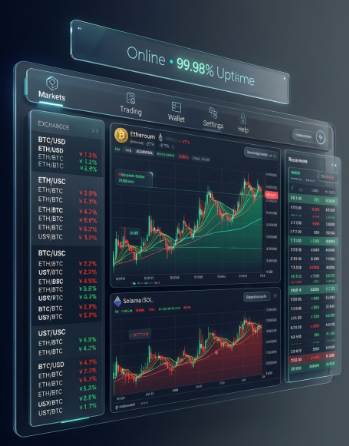
Cryptocurrency exchanges are online platforms that facilitate the buying, selling, and trading of cryptocurrencies. These exchanges play a crucial role in the cryptocurrency ecosystem, acting as intermediaries that connect buyers and sellers. With the rapid growth of digital currencies over the past decade, understanding how these exchanges operate is essential for anyone looking to enter the crypto market.
There are primarily two types of cryptocurrency exchanges: centralized exchanges (CEX) and decentralized exchanges (DEX). Centralized exchanges are operated by companies that provide a user-friendly interface, allowing users to easily trade a wide range of cryptocurrencies. They typically offer features such as advanced trading tools, customer support, and liquidity, making them a popular choice for both novice and experienced traders. However, users must trust these platforms with their funds, which raises concerns about security and regulatory compliance.
On the other hand, decentralized exchanges operate without a central authority, allowing users to trade directly with one another using smart contracts. This model provides greater privacy and control over funds, as users retain their assets in personal wallets rather than depositing them into an exchange. While DEXs are gaining popularity, they often face challenges such as lower liquidity, limited trading options, and more complex user interfaces. Understanding the differences between these types of exchanges can help users choose the platform that best fits their trading needs.
As cryptocurrency gains further acceptance in mainstream finance, the importance of exchanges continues to grow. They serve as gateways for newcomers to enter the crypto space and provide liquidity that is vital for the market's overall health. Additionally, exchanges often list new tokens and projects, making them a key player in the broader cryptocurrency ecosystem. In the following sections of this guide, we will delve deeper into the operational mechanics of these exchanges, explore the various factors to consider when choosing an exchange, and highlight the essential security practices to keep in mind while trading cryptocurrencies.
Types of Cryptocurrency Exchanges
Cryptocurrency exchanges are platforms that facilitate the buying, selling, and trading of cryptocurrencies. These exchanges can be broadly categorized into three main types: centralized exchanges (CEX), decentralized exchanges (DEX), and hybrid exchanges. Each type offers unique features, advantages, and challenges, catering to different types of users and trading strategies.
Centralized exchanges are the most common type of cryptocurrency exchange. They operate as intermediaries between buyers and sellers, managing user accounts and transactions. These platforms, such as Binance and Coinbase, are known for their user-friendly interfaces and high liquidity, making them ideal for both beginners and experienced traders. However, the reliance on a central authority also means that users must trust these platforms to safeguard their funds and personal information, which has raised concerns about security and regulatory compliance.
Decentralized exchanges, on the other hand, operate without a central authority, allowing users to trade directly with one another through smart contracts on blockchains like Ethereum. Examples of popular DEXs include Uniswap and SushiSwap. One of the primary benefits of decentralized exchanges is enhanced privacy and control over funds, as users maintain ownership of their private keys. However, DEXs often face challenges such as lower liquidity, higher transaction fees, and a more complex user experience, which can deter newcomers from engaging with cryptocurrency trading.
Lastly, hybrid exchanges aim to combine the best features of both centralized and decentralized exchanges. They offer the security and privacy benefits of DEXs while providing the user-friendly interfaces and liquidity of CEXs. Hybrid exchanges strive to create a more balanced trading experience, although they are still relatively new in the crypto space. As the market continues to evolve, the development of hybrid platforms may play a significant role in bridging the gap between the two types of exchanges, potentially attracting a wider user base.
How to Choose the Right Exchange
Choosing the right cryptocurrency exchange is a critical step for anyone looking to invest in or trade digital currencies. With numerous exchanges available, each offering different features, fees, and security measures, it is essential to assess your needs and preferences before making a decision. The first factor to consider is the type of exchange you want to use: centralized or decentralized. Centralized exchanges, such as Binance and Coinbase, act as intermediaries and often provide user-friendly interfaces, high liquidity, and a wide range of trading options. On the other hand, decentralized exchanges (DEXs) like Uniswap and SushiSwap allow users to trade directly with one another without the need for a middleman, providing greater privacy and control over funds.
Next, evaluate the security measures implemented by the exchange. A reputable exchange should prioritize the safety of its users' funds and personal information. Look for exchanges that offer two-factor authentication (2FA), cold storage for the majority of assets, and a transparent history of security practices. Additionally, check if the exchange has experienced any significant breaches in the past, as this can be an indicator of its reliability. Reading user reviews and testimonials can also give you insights into the exchange's reputation and the experiences of other traders.
Fees are another crucial aspect to consider when selecting an exchange. Different platforms have varying fee structures, which can significantly impact your trading profitability. Common fees include trading fees, withdrawal fees, and deposit fees. Some exchanges offer competitive rates for frequent traders, while others may have higher fees for specific transactions. It's important to analyze the fee schedule and determine how it aligns with your trading strategy, especially if you plan to execute a high volume of trades.
Finally, ensure that the exchange supports the cryptocurrencies you wish to trade. Most exchanges offer a selection of popular coins like Bitcoin and Ethereum, but if you are interested in lesser-known altcoins, verify that they are available on the platform. Additionally, consider the exchange's liquidity, as higher liquidity ensures that you can buy or sell assets more easily at your desired price. By taking the time to carefully consider these factors, you can choose the right cryptocurrency exchange that aligns with your trading goals and preferences.
Security Measures for Cryptocurrency Exchanges
When it comes to trading cryptocurrencies, security is paramount. Cryptocurrency exchanges, being the primary platforms for buying, selling, and trading digital assets, face numerous threats from hackers and malicious actors. To protect users’ funds and personal information, reputable exchanges implement a variety of security measures. Understanding these measures is essential for anyone looking to use these platforms safely.
One of the foundational security features of cryptocurrency exchanges is the use of cold storage for the majority of their assets. Cold storage involves keeping the majority of the digital currency offline, away from potential online threats. This means that even if the exchange's online systems are compromised, the bulk of the funds remain secure and inaccessible to hackers. Many exchanges combine this with multi-signature wallets, which require multiple keys to authorize a transaction. This ensures that even if a single key is compromised, it is not enough to access the funds.
In addition to cold storage, two-factor authentication (2FA) is another critical security measure employed by exchanges. 2FA adds an extra layer of protection by requiring users to verify their identity through a secondary method, typically a mobile app or SMS code, in addition to their password. This significantly reduces the risk of unauthorized access to user accounts. Furthermore, many exchanges have begun to implement biometric authentication methods, such as fingerprint or facial recognition, to enhance the security of their platforms.
Regular security audits and penetration testing are also common practices among reputable exchanges. These assessments help identify potential vulnerabilities in the platform’s infrastructure and software. By proactively addressing these issues, exchanges can improve their security posture and provide a safer trading environment for users. Additionally, in the event of a security breach, many exchanges have insurance policies in place to cover losses incurred by users, further demonstrating their commitment to safeguarding user assets.
Trading Strategies for Beginners
As a beginner venturing into the world of cryptocurrency trading, it’s essential to equip yourself with effective strategies that can help you navigate this volatile market. While the potential for profit is enticing, understanding the risks and developing a systematic approach is crucial. In this section, we will explore some fundamental trading strategies suitable for newcomers.
One of the most common strategies for beginners is the 'HODL' method, derived from a misspelled online post that has become a rallying cry among crypto enthusiasts. HODL stands for 'Hold On for Dear Life,' and it emphasizes the importance of holding onto your assets long-term rather than attempting to time the market for short-term gains. This strategy is particularly effective in a market known for its price fluctuations, as it encourages investors to ride out the volatility and benefit from the overall growth of the asset over time.
Another strategy worth considering is dollar-cost averaging (DCA). This approach involves investing a fixed amount of money into a cryptocurrency at regular intervals, regardless of its price. By spreading your investment over time, you reduce the risk of making a large investment at an inopportune moment. DCA can help mitigate the effects of market volatility and is ideal for those who may not have the time or expertise to analyze market trends constantly.
Lastly, beginners should familiarize themselves with the concept of stop-loss orders. A stop-loss order is a risk management tool that allows you to set a predetermined price at which your asset will automatically be sold if it drops to that level. This strategy helps protect your investment from significant losses and allows you to exit a trade without having to constantly monitor the market. By implementing stop-loss orders, you can trade with more confidence, knowing that you have a safety net in place.
Understanding Fees and Costs
When venturing into the world of cryptocurrency exchanges, one of the most crucial aspects to consider is the fees and costs associated with trading. While it might seem straightforward, the fee structures can often be complex and vary significantly between different exchanges. Understanding these fees is essential for maximizing your trading efficiency and minimizing losses.
Cryptocurrency exchanges typically charge several types of fees, including trading fees, withdrawal fees, and sometimes deposit fees. Trading fees are the most common and can be either a flat fee or a percentage of the transaction value. For instance, a maker-taker fee model is prevalent where 'makers' provide liquidity by placing orders that are not immediately matched, while 'takers' remove liquidity by filling these orders. Each type of transaction may incur different fee rates, and knowing the difference can help traders choose the best platform for their needs.
Withdrawal fees are another important consideration. These fees occur when you transfer your cryptocurrency from the exchange to a personal wallet or another platform. They can vary based on the type of cryptocurrency being withdrawn, and some exchanges may even charge higher fees during times of network congestion. It’s advisable to keep an eye on these fees, as they can eat into your profits, especially if you are frequently moving funds in and out of exchanges.
In addition to these primary fees, some exchanges may also charge fees for specific features, such as margin trading or advanced order types. It's crucial to read the fine print and understand any additional costs that may apply. Furthermore, promotional offers, fee discounts for high-volume traders, or loyalty programs can also affect the overall cost of trading. By conducting thorough research on the fee structures of various exchanges, you can make informed decisions that align with your trading strategy and financial goals.
Regulations and Compliance in Crypto Exchanges
The landscape of cryptocurrency exchanges is continuously evolving, influenced heavily by regulatory frameworks that vary across jurisdictions. As cryptocurrencies have surged in popularity, governments and regulatory bodies worldwide have begun to establish rules aimed at protecting investors, preventing fraud, and ensuring the stability of financial systems. Understanding the regulatory environment is crucial for both users and operators of crypto exchanges.
In many countries, cryptocurrency exchanges are required to comply with Anti-Money Laundering (AML) and Know Your Customer (KYC) regulations. These regulations require exchanges to verify the identities of their users, monitor transactions, and report suspicious activities to authorities. The intent behind these regulations is to prevent illicit activities, such as money laundering and terrorist financing, that can exploit the anonymity often associated with cryptocurrencies. Compliance with these rules not only fosters a safer trading environment but also boosts the credibility of the exchange in the eyes of users and regulators alike.
Furthermore, the regulatory landscape also encompasses taxation policies related to cryptocurrency trading. Many jurisdictions have established guidelines on how cryptocurrencies should be treated for tax purposes, affecting both exchanges and individual traders. Users must be aware of their tax obligations when trading cryptocurrencies, as failure to report gains or losses can lead to significant penalties. Exchanges may also be responsible for reporting user transactions to tax authorities, adding another layer of compliance that they must navigate.
As the cryptocurrency market matures, it is likely that we will see more comprehensive regulatory frameworks being implemented globally. This could lead to greater standardization among exchanges, allowing for smoother cross-border operations and enhanced user trust. However, the challenge remains for regulators to strike a balance between fostering innovation in the crypto space and ensuring adequate protection for investors and the integrity of the financial system. Staying informed about the evolving regulatory landscape is essential for anyone involved in cryptocurrency trading, as it can significantly impact their experience and the overall market dynamics.
Conclusion: Making Informed Decisions
As the cryptocurrency market continues to evolve, understanding the nuances of cryptocurrency exchanges becomes increasingly vital for both novice and seasoned traders. Choosing the right exchange is not just about finding the lowest fees or the most popular platform. It requires a thorough evaluation of various factors such as security measures, user experience, supported currencies, and customer support. Making informed decisions can significantly influence your trading success and overall experience in the volatile crypto landscape.
It is essential to take the time to research and compare different exchanges to ensure they align with your trading goals and risk tolerance. Consider setting up accounts with multiple exchanges to take advantage of differing features and services. For instance, some platforms may offer advanced trading tools that cater to more experienced users, while others may prioritize a user-friendly interface for beginners. Understanding the specific offerings of each exchange can empower you to make choices that best suit your trading style.
Additionally, always stay updated on regulatory changes and market trends that could impact your trading activities. Cryptocurrency regulations are continually changing across different jurisdictions, and being informed about these developments can help you avoid pitfalls that might arise from using non-compliant platforms. Furthermore, keeping abreast of market trends can offer insights into potential trading opportunities or risks, allowing you to act swiftly and strategically.
Finally, never underestimate the importance of community and peer feedback. Engaging with fellow traders and participating in forums can provide valuable insights into the experiences others have had with various exchanges. This exchange of information can enhance your understanding and help you avoid common mistakes. Ultimately, the journey through cryptocurrency trading is filled with learning opportunities, and making informed decisions will not only enhance your trading success but also contribute to a more secure and enjoyable experience in the world of digital assets.