Introduction to VeChain and Its Mission
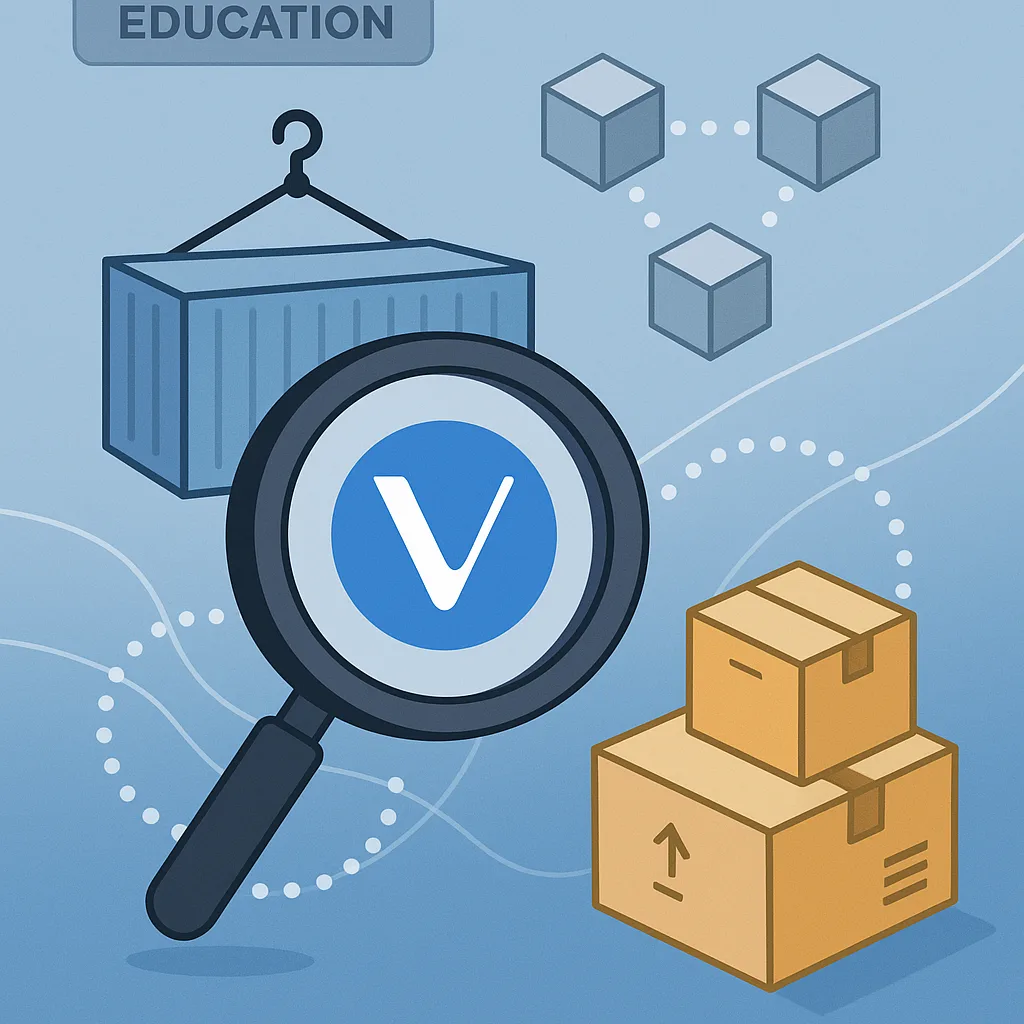
VeChain, a blockchain platform designed specifically for supply chain management, has emerged as a frontrunner in revolutionizing how businesses track and manage products from inception to delivery. Founded in 2015, VeChain utilizes cutting-edge technology to enhance transparency, efficiency, and accountability across the entire supply chain ecosystem. By leveraging distributed ledger technology (DLT), VeChain provides an immutable record of every transaction and movement of goods, ensuring that all stakeholders in the supply chain have access to real-time data.
At the heart of VeChain's mission is the aim to eliminate inefficiencies and counterfeiting in supply chains, which have long plagued various industries, including food, pharmaceuticals, and luxury goods. By integrating smart chips and sensors with the blockchain, VeChain enables seamless data collection from physical products, allowing businesses to monitor their assets throughout the supply chain lifecycle. This innovative approach not only mitigates risks associated with fraudulent activities but also enhances consumer confidence by providing verifiable proof of authenticity and quality.
VeChain's vision extends beyond merely improving supply chain processes; it seeks to create a holistic ecosystem where businesses, consumers, and regulators can interact in a more transparent and efficient manner. By fostering collaboration between different stakeholders, VeChain is paving the way for a new era of trust and accountability. This is particularly relevant as industries face increasing pressure to comply with stringent regulations and sustainability goals. VeChain's platform empowers companies to not only track their products but also report on their environmental impact, thus facilitating a more sustainable approach to business.
As we look towards 2026, the potential for VeChain to reshape supply chains is significant. With advancements in Internet of Things (IoT) technology and the growing adoption of blockchain solutions, VeChain is well-positioned to play a pivotal role in the future of global commerce. Businesses that embrace this technology can expect to gain a competitive edge, reduce costs, and build stronger relationships with their customers through enhanced transparency and accountability.
The Evolution of Supply Chain Management
Supply chain management (SCM) has undergone a significant transformation over the past few decades, evolving from traditional methods to more sophisticated, technology-driven approaches. In the past, supply chains were primarily linear, with manufacturers, suppliers, and distributors operating in silos. This often resulted in inefficiencies, lack of transparency, and challenges in tracking products from their origin to the end consumer. As globalization expanded, businesses faced mounting pressure to streamline their operations, reduce costs, and improve customer satisfaction. In response, the industry began to adopt innovative practices that emphasized collaboration, communication, and data-driven decision-making. Staking strategies for VeChain.
The advent of technology in SCM marked a turning point in this evolution. The introduction of enterprise resource planning (ERP) systems, advanced analytics, and, more recently, artificial intelligence (AI) has enabled companies to gain real-time insights into their supply chains. These technologies facilitate enhanced visibility, allowing businesses to monitor inventory levels, track shipments, and predict demand more accurately. Consequently, organizations can make informed decisions, mitigate risks, and respond swiftly to market changes, thereby increasing their competitive edge.
As we look towards 2026, the integration of blockchain technology, exemplified by platforms like VeChain, is poised to revolutionize supply chain management even further. Blockchain introduces a decentralized ledger system that enhances transparency and trust among all stakeholders in the supply chain. With VeChain, businesses can create immutable records of transactions, verify the authenticity of products, and trace their journey from production to the consumer. This not only improves accountability but also empowers consumers to make informed choices about the products they purchase.
Moreover, the combination of blockchain with Internet of Things (IoT) devices is setting new standards for real-time data collection and analysis. Sensors can monitor environmental conditions, such as temperature and humidity, during transportation, ensuring that products are stored and handled properly. This level of oversight minimizes waste and reduces the likelihood of recalls, ultimately leading to a more efficient and reliable supply chain. As we enter this new era, the potential of VeChain and similar technologies will be pivotal in shaping the future of supply chain management, enhancing operational efficiency, and fostering sustainable practices.
VeChain's Unique Technology and Features
VeChain stands out in the blockchain landscape due to its innovative technology and unique features that cater specifically to supply chain management. At its core, VeChain utilizes a dual-token system comprising VET (VeChain Token) and VTHO (VeChainThor Energy). This system allows users to separate the utility of the network from the underlying asset, enabling a more flexible and scalable approach. While VET serves as a store of value and a medium of exchange, VTHO is used to pay for transaction fees and smart contract execution. This bifurcation not only enhances efficiency but also reduces volatility in transaction costs, making it an attractive option for businesses looking to adopt blockchain technology. Understanding cryptocurrency basics.
Furthermore, VeChain employs a unique consensus mechanism known as Proof of Authority (PoA), which fosters a more energy-efficient and faster transaction throughput compared to traditional Proof of Work (PoW) systems. In PoA, validators are pre-approved entities, which means that the network can achieve consensus quickly, ensuring that transactions are processed in real-time. This is particularly crucial for supply chain applications where timely data updates are essential for operational efficiency. The PoA mechanism also enhances the security and reliability of the network, as only trusted nodes are permitted to validate transactions, reducing the risk of malicious activities.
Another standout feature of VeChain is its ability to integrate seamlessly with existing supply chain management systems. Through its native toolset, including the VeChain ToolKit, businesses can easily deploy and manage their blockchain applications without the need for extensive coding knowledge. This accessibility empowers more companies to leverage blockchain technology, driving widespread adoption across various industries. Moreover, VeChain's support for IoT (Internet of Things) devices allows for real-time data collection and sharing, enabling a more transparent and efficient supply chain. By connecting physical goods to the blockchain, businesses can track products from origin to end-user, ensuring authenticity and compliance with regulations.
In summary, VeChain's unique technology, including its dual-token system, PoA consensus mechanism, and IoT integration, positions it as a frontrunner in the supply chain revolution. As we look ahead to 2026, these features are likely to play a pivotal role in transforming how businesses operate, fostering greater transparency, efficiency, and trust in supply chains globally.
Current Use Cases in 2026: Success Stories
As we dive into 2026, VeChain has carved out a significant niche in various industries, showcasing its potential to revolutionize supply chain management. One of the standout success stories comes from the food and beverage sector, where VeChain's blockchain technology has been adopted by several major brands to enhance transparency and traceability. In this sector, consumers increasingly demand to know the origins of their food, and VeChain’s ability to provide immutable records of product journeys has transformed how companies can engage with their customers. Through the use of smart labels and QR codes, consumers can now scan products to access detailed information on sourcing, processing, and transportation, significantly boosting consumer trust.
Another remarkable application of VeChain can be seen in the luxury goods market. Counterfeit products have long plagued this industry, leading to losses running into billions of dollars annually. In response, luxury brands have collaborated with VeChain to create a digital twin for each product, linking physical items to a unique identifier on the blockchain. This initiative not only helps in authenticating products but also allows for seamless ownership transfers, which is crucial in the resale market. By verifying authenticity through VeChain's platform, brands are not only protecting their reputations but also enhancing customer loyalty and satisfaction. Future of decentralized finance.
Healthcare is yet another sector benefiting from VeChain’s innovative solutions. In 2026, hospitals and pharmaceutical companies have begun utilizing VeChain’s blockchain to track medical supplies and pharmaceuticals from production to delivery. By implementing real-time tracking, these organizations can ensure that they are using genuine products while also reducing waste and improving efficiency. This level of transparency is vital for critical supplies, especially in emergencies, as it helps healthcare providers maintain trust and accountability in their operations.
Lastly, VeChain's impact extends into the sustainability arena, where organizations are leveraging its technology to monitor carbon footprints and environmental impact. Businesses are now able to record and report on their sustainability practices in a transparent manner, enabling them to engage more effectively with environmentally conscious consumers. By providing verifiable data on emissions and sustainability efforts, companies can differentiate themselves in a competitive marketplace, thereby driving both profitability and positive environmental impact.
Partnerships and Collaborations Driving Growth
In the dynamic landscape of blockchain technology, partnerships and collaborations play a crucial role in expanding the reach and capabilities of platforms like VeChain. As we look towards 2026, the strategic alliances that VeChain has forged with a variety of industries are set to propel its growth and enhance its utility in supply chain management. By aligning with key players in various sectors, VeChain is not just enhancing its technological framework but is also creating a robust ecosystem that can address real-world problems.
One of the most notable collaborations is with established enterprises in the logistics and transportation sectors. These partnerships enable VeChain to implement its blockchain solutions directly in supply chains, thus demonstrating the technology's capacity to enhance transparency, traceability, and efficiency. For instance, by integrating its blockchain solutions into the supply chain processes of major logistics companies, VeChain provides real-time tracking of goods, minimizes losses, and ensures that products meet regulatory standards. This level of integration not only showcases the practical applications of blockchain technology but also builds trust among consumers and businesses alike.
Moreover, VeChain has been proactive in collaborating with regulatory bodies and industry associations to promote the adoption of its technology. By working closely with governments and regulatory frameworks, VeChain ensures that its solutions are compliant and can be seamlessly integrated into existing systems. Such collaborations not only validate the platform's technology but also pave the way for broader acceptance and deployment across various sectors. As regulatory frameworks become more defined, these partnerships will be instrumental in establishing VeChain as a leader in the blockchain space. Trade AXL/USDT.
Furthermore, partnerships with technology providers and research institutions are vital for fostering innovation and driving continuous improvement. By collaborating with universities and tech companies, VeChain can leverage cutting-edge research and development to enhance its offerings. This synergy not only enriches VeChain's technological capabilities but also positions it at the forefront of the digital supply chain revolution. With an emphasis on innovation, these collaborations will help VeChain adapt to changing market demands and maintain its competitive edge in the rapidly evolving blockchain landscape.
Challenges and Risks Facing VeChain
As VeChain continues to carve its path in the supply chain management landscape, it is essential to acknowledge the challenges and risks that could impact its growth and adoption. One of the primary challenges is the competitive landscape of blockchain technology, where numerous projects are vying for attention and investment. With giants like IBM and Microsoft already entrenched in supply chain solutions, VeChain must differentiate itself by continuously innovating and demonstrating its unique value proposition. The ability to effectively market its offerings and establish partnerships with key industry players will be critical for VeChain's success in this crowded market.
Another significant risk is regulatory uncertainty. As governments around the world seek to establish frameworks for blockchain and cryptocurrency use, the implications for VeChain's operations remain unclear. Regulatory changes could create barriers to entry in specific markets or impose additional compliance costs that could hinder growth. In particular, the evolving nature of data privacy laws and their intersection with blockchain technology poses a risk for VeChain, given its focus on transparency and traceability within supply chains. Navigating these regulations will require proactive engagement with policymakers and a willingness to adapt to changing legal landscapes.
Moreover, the scalability of VeChain's technology is a concern that must be addressed. As the platform expands its user base and handles an increasing volume of transactions, ensuring that its blockchain can support this growth without compromising speed or efficiency is crucial. Scalability issues could lead to transaction delays and higher costs, ultimately affecting user satisfaction and adoption rates. VeChain must invest in its technology and infrastructure to mitigate these risks and enhance its platform's capabilities.
Lastly, the perception of blockchain technology can be a barrier to widespread adoption. Many businesses are still hesitant to embrace blockchain solutions due to a lack of understanding or fear of the unknown. VeChain faces the challenge of educating potential users about the benefits of its technology and dispelling misconceptions surrounding blockchain. By focusing on outreach and demonstrating real-world success stories, VeChain can build trust and encourage more organizations to integrate its solutions into their supply chain processes. CRV price.
The Future Outlook: Predictions for VeChain
As we step into 2026, the landscape of supply chain management is poised for significant transformation, and VeChain is strategically positioned to lead this revolution. The current trajectory of technological advancements, coupled with the pressing need for transparency and efficiency in supply chains, suggests that VeChain's blockchain solutions will become increasingly integral to various industries. With its focus on providing end-to-end solutions tailored for logistics, manufacturing, and retail, VeChain's role is expected to expand, making it a key player in ensuring the authenticity and traceability of products.
One of the most significant predictions for VeChain in 2026 is the widespread adoption of its blockchain technology by enterprises across multiple sectors. As companies seek to enhance operational efficiency, reduce costs, and improve consumer trust, the demand for decentralized solutions will grow. VeChain's unique ability to integrate IoT technology with blockchain provides a compelling proposition; it enables real-time monitoring of products throughout the supply chain. This feature will likely attract more partnerships with large corporations that prioritize sustainability and ethical sourcing, thus amplifying VeChain's market presence.
Additionally, regulatory environments around the world are beginning to recognize the importance of blockchain for enhancing supply chain transparency. By 2026, we can anticipate that more governments will implement regulations that encourage or mandate the use of blockchain for tracking goods, especially in industries like food and pharmaceuticals where safety and compliance are paramount. VeChain, having established itself as a reliable and scalable blockchain solution, will be in a prime position to capitalize on these regulatory changes, further solidifying its reputation as a trusted partner in supply chain management.
Moreover, as consumer awareness of ethical sourcing and sustainability increases, companies are feeling the pressure to adopt practices that reflect these values. VeChain's ability to provide transparency regarding the origin and journey of products will not only help brands meet consumer expectations but also differentiate them in a competitive marketplace. By 2026, we anticipate that VeChain will not only facilitate better operational practices but also help brands tell their stories more effectively, connecting them with conscientious consumers who prioritize ethical consumption. Markets.
Conclusion: Why VeChain Matters in the Crypto Landscape
As we look toward the future of blockchain technology and its applications, VeChain stands out as a pioneering force, particularly in the realm of supply chain management. The unique blend of its robust technology stack, strategic partnerships, and a clear focus on real-world applications positions VeChain as an essential player in the evolving crypto landscape. The platform’s innovative use of blockchain to enhance transparency, traceability, and efficiency in supply chains addresses significant pain points that have long plagued industries from agriculture to pharmaceuticals.
VeChain's ability to provide immutable records of product provenance not only helps companies maintain compliance with regulations but also fosters greater trust among consumers. In an era where customers are increasingly concerned about sustainability and ethical sourcing, VeChain offers a powerful solution that allows businesses to substantiate their claims. By leveraging the capabilities of the Internet of Things (IoT) in conjunction with blockchain technology, VeChain ensures that every step of the supply chain is monitored and recorded in real-time, thereby reducing fraud and errors while enhancing operational efficiencies.
Moreover, with VeChain's emphasis on sustainability and environmental responsibility, the platform aligns itself with global movements toward greener practices. As corporations face mounting pressure to reduce their carbon footprints, VeChain’s tools can facilitate tracking and reporting of carbon emissions throughout the supply chain. This capability not only helps businesses meet regulatory requirements but also positions them favorably in the eyes of environmentally conscious consumers.
In conclusion, as we navigate through 2026 and beyond, VeChain is poised to revolutionize supply chains and redefine the role of blockchain in business operations. Its strategic vision, combined with a commitment to creating practical applications, ensures that it remains at the forefront of the crypto landscape. By shaping the future of supply chain management, VeChain is not just contributing to the advancement of technology; it is also setting new standards for accountability, sustainability, and efficiency in industries worldwide.