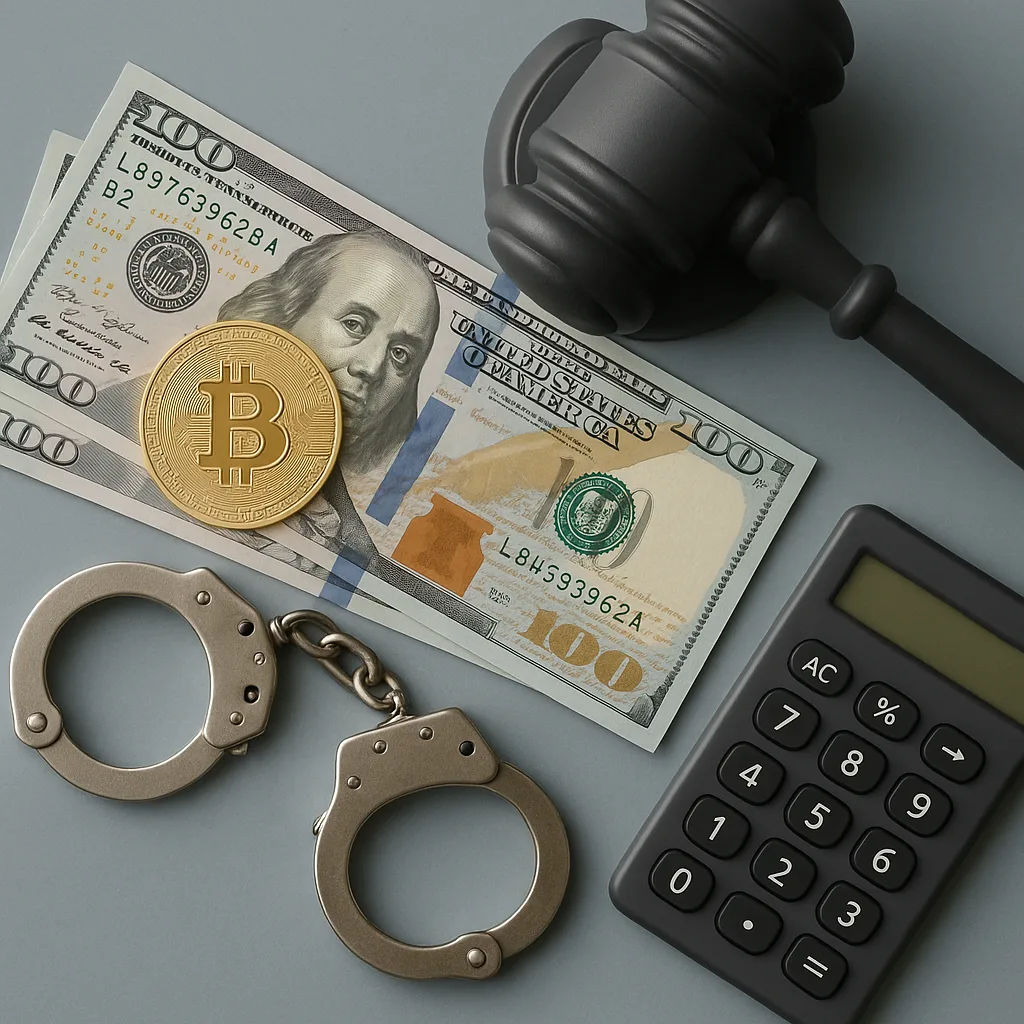
Introduction: The Rise of Cryptocurrency and Associated Risks
In recent years, cryptocurrency has surged in popularity, captivating the attention of investors, speculators, and the general public alike. This digital asset class has transformed the financial landscape, offering new opportunities for wealth creation and financial independence. However, alongside its meteoric rise, cryptocurrency has also become a breeding ground for illicit activities, attracting criminals and bad actors seeking to exploit its decentralized nature and relative anonymity.
As the value of cryptocurrencies like Bitcoin, Ethereum, and others skyrocketed, so too did the frequency and sophistication of crypto-related crimes. From hacking incidents to Ponzi schemes, the dark side of the crypto boom has revealed the vulnerabilities inherent in this nascent market. Many individuals, drawn in by the prospect of quick profits, have fallen victim to scams, losing their hard-earned money in the process. Furthermore, regulatory bodies around the world are grappling with how to effectively oversee this rapidly evolving space, often playing catch-up to the innovations and challenges posed by cryptocurrencies.
The risks associated with cryptocurrency extend beyond financial loss; they also encompass security breaches, identity theft, and the potential for criminal prosecution. As blockchain technology continues to evolve and gain traction, law enforcement agencies are increasingly focusing on the intersection of crypto and crime. High-profile cases have emerged, illustrating the lengths to which some individuals will go to manipulate the system for personal gain. These incidents not only serve as cautionary tales for investors but also highlight the importance of understanding the legal and ethical implications of engaging in cryptocurrency transactions.
In this blog post, we will delve into a high-profile case that exemplifies the intersection of crypto crime and its consequences. By examining the details of this incident, we aim to uncover valuable lessons for traders and investors navigating the complex and often perilous world of cryptocurrencies. Understanding the risks and recognizing the signs of potential fraud can empower individuals to make informed decisions in their trading endeavors, ultimately fostering a safer and more responsible crypto ecosystem.
Case Overview: The Arrest of John 'Lick' Daghita
In a significant turn of events that has rocked the cryptocurrency community, John 'Lick' Daghita, a prominent figure known for his controversial trading strategies and social media presence, was arrested last month on multiple charges related to fraud and money laundering. Daghita, who had amassed a following of thousands on social platforms, was hailed by many as a savvy trader and crypto enthusiast. However, his methods and the sources of his wealth raised eyebrows long before law enforcement took action. Impact of regulatory changes.
The investigation into Daghita’s activities began several months prior to his arrest, following reports of unusually high trading volumes and suspicious transactions linked to various altcoins that he frequently promoted. Authorities scrutinized a network of wallets and exchanges, piecing together a complex web of deceit that involved misrepresentation of investment opportunities and the use of concealed identities to facilitate illicit transactions. The case illustrates a growing concern among regulators regarding the opaque nature of cryptocurrency trading and the potential for abuse within this burgeoning market.
Upon his arrest, law enforcement officials seized a substantial amount of digital assets believed to be linked to Daghita’s fraudulent activities, including cryptocurrencies valued in the millions. In addition to the financial ramifications, the arrest has sparked a wider discussion about the ethical responsibilities of influencers in the cryptocurrency space. Daghita's case serves as a cautionary tale for both investors and traders who may be tempted by high-risk, high-reward schemes without fully understanding the implications of their actions.
As the legal proceedings unfold, many in the crypto community are left to ponder the lessons learned from Daghita's rise and fall. The case underscores the importance of transparency and due diligence in trading practices, as well as the need for clearer regulatory frameworks to protect investors from potential fraud. Moving forward, it is crucial for both seasoned traders and newcomers to approach cryptocurrency investments with a critical eye, recognizing that not everything that glitters in the crypto sphere is gold.
Understanding the Allegations: How Crypto Theft Occurred
The world of cryptocurrency, while offering innovative opportunities for investment and financial freedom, is also rife with challenges and risks, particularly when it comes to security. In the case of the high-profile crypto theft, the allegations stem from a highly sophisticated hacking operation that exploited vulnerabilities in a major exchange's infrastructure. Reports indicate that the perpetrators conducted reconnaissance over several weeks, identifying weaknesses in the exchange’s security protocols. Their meticulous planning allowed them to devise a strategy that would ultimately lead to the successful breach of the system. Advanced risk management strategies.
Once inside the network, the hackers utilized an array of advanced tools and techniques to bypass security measures, including multi-factor authentication and encryption protocols that were presumed to be robust. They targeted the exchange’s hot wallets—those connected to the internet and thus more vulnerable—transferring large sums of cryptocurrencies to untraceable wallets. The hackers also employed social engineering tactics to manipulate employees, gaining access to sensitive information that facilitated the theft. This combination of technical expertise and psychological manipulation underscores the growing threat of sophisticated cybercrime in the crypto landscape.
Furthermore, the aftermath of the theft revealed significant shortcomings in the exchange's incident response strategy. Many users were left in the dark regarding the extent of the breach and the measures being taken to recover stolen assets. This lack of transparency not only eroded trust among users but also raised questions about the overall governance and accountability of crypto exchanges. Regulatory bodies have since scrutinized the exchange's practices, leading to calls for stricter regulations and enhanced security measures across the industry.
As the investigation into the theft continues, it serves as a crucial reminder for both investors and exchanges about the importance of cybersecurity. While the allure of cryptocurrency can be enticing, it is imperative to remain vigilant and informed about the risks involved. Investors should prioritize security by using hardware wallets, enabling two-factor authentication, and staying updated on the best practices for safeguarding their digital assets. Ultimately, learning from these high-profile cases is essential to fostering a safer crypto environment for everyone involved.
Implications for Investors: Lessons from the Daghita Case
The Daghita case serves as a stark reminder of the vulnerabilities inherent in the cryptocurrency market. As investors, it's crucial to recognize that while digital assets offer significant opportunities for profit, they also come with unique risks. The Daghita incident exemplifies how easily investors can fall prey to fraudulent schemes that exploit the lack of regulation and oversight in the crypto space. For anyone engaged in cryptocurrency trading or investment, due diligence is no longer optional; it is a necessity.
One of the key lessons from the Daghita case is the importance of thorough research before investing. Investors must scrutinize the legitimacy of projects and the teams behind them, examining factors such as whitepapers, community engagement, and historical performance. The Daghita case highlighted the dangers of investing based solely on hype or social media endorsements without understanding the fundamentals of the project. Investors should take a proactive stance, seeking to understand the technology, use case, and market potential of any cryptocurrency before committing funds. Navigating the crypto landscape.
Additionally, the Daghita case underscores the importance of diversifying investments. Relying heavily on a single asset can lead to devastating losses, especially when that asset is linked to a fraudulent scheme. By spreading investments across multiple cryptocurrencies and asset classes, investors can mitigate risks and cushion the blow from potential losses. Diversification doesn’t eliminate risk, but it does create a buffer against the volatility that is commonplace in the crypto market.
Lastly, the Daghita case serves as a wake-up call regarding the need for robust security measures. With the rise of sophisticated hacking and scams, investors must prioritize the security of their assets. Utilizing hardware wallets, enabling two-factor authentication, and being vigilant against phishing attempts are all essential practices for safeguarding investments. The lessons learned from the Daghita case should prompt investors to adopt a more cautious and informed approach, ensuring that they not only seek opportunities for growth but also protect their investments from potential threats in the ever-evolving world of cryptocurrency.
Best Practices for Securing Your Crypto Assets
As the popularity of cryptocurrencies continues to rise, so does the risk of falling victim to crypto-related crimes. High-profile cases have shown that inadequate security measures can lead to severe financial losses. To safeguard your investments, it is essential to implement best practices for securing your crypto assets. By taking proactive steps, you can minimize the risks associated with hacking, theft, and fraud.
First and foremost, consider using hardware wallets for storing your cryptocurrencies. Unlike software wallets, which are connected to the internet and more susceptible to attacks, hardware wallets store your private keys offline. This makes them significantly less vulnerable to hacking attempts. Additionally, ensure that you choose a reputable hardware wallet brand and keep your recovery seed phrase in a secure location. This phrase is crucial for recovering your assets in case your wallet is lost or damaged.
Another important practice is to enable two-factor authentication (2FA) on all of your crypto accounts. 2FA adds an extra layer of security by requiring a second form of identification, typically a code sent to your mobile device, whenever you log in or make a transaction. This means that even if someone manages to obtain your password, they would still need access to your phone to complete a transaction. Opt for authentication apps over SMS-based 2FA, as they are generally more secure against interception. Trade FLOKI/USDT.
Lastly, be cautious about the information you share online. Social engineering attacks are common in the crypto space, where criminals exploit personal information to gain access to your accounts. Avoid discussing your investments publicly and be mindful of phishing attempts through emails or social media. Always verify the authenticity of any communication before providing sensitive information. By following these best practices, you can create a robust defense against potential threats and protect your crypto investments effectively.
Navigating Regulatory Changes in the Crypto Space
The landscape of cryptocurrency regulation is constantly evolving, making it essential for traders and investors to stay informed about the latest developments. As governments around the world continue to grapple with how to effectively regulate digital assets, the implications for crypto trading can be significant. Understanding the regulatory environment is not just about compliance; it can also provide insights into market trends and the future of various cryptocurrencies.
One of the most critical aspects of navigating regulatory changes is recognizing that different jurisdictions have varying approaches to cryptocurrency. For instance, while some countries embrace digital assets with open arms, creating frameworks that foster innovation, others impose stringent restrictions or even outright bans. This disparity means that traders must be aware of the rules governing their activities in each region they operate in. Failure to comply can lead to severe penalties, including hefty fines or even imprisonment, as evidenced by high-profile cases that have made headlines in recent years.
Moreover, regulatory changes can significantly impact market sentiment and the value of cryptocurrencies. For example, when a major economy announces new regulations aimed at curbing speculative trading, the market can react swiftly, often resulting in price volatility. Traders must be agile, adapting their strategies to account for these regulatory developments. Staying connected with news sources, regulatory bodies, and industry experts can provide traders with the insights they need to make informed decisions and mitigate risks associated with unexpected regulatory announcements.
In addition to understanding international regulations, traders should also pay close attention to emerging trends in the regulatory landscape, such as the rise of decentralized finance (DeFi) and non-fungible tokens (NFTs). As these technologies continue to gain traction, they may attract regulatory scrutiny, which could lead to new guidelines that affect how these assets are traded. Being proactive and engaging with the evolving regulatory environment can help traders not only to avoid pitfalls but also to seize new opportunities as the crypto space matures. XLM price.
The Importance of Due Diligence in Trading
In the fast-paced world of cryptocurrency trading, the allure of quick profits can often overshadow the critical need for thorough research and due diligence. As the landscape of digital assets continues to evolve, so do the tactics employed by bad actors looking to exploit unsuspecting investors. The recent high-profile case of crypto crime serves as a stark reminder that understanding the fundamentals of a project and its market environment is essential for safeguarding one’s investments.
Due diligence involves a comprehensive assessment of a cryptocurrency's underlying technology, the team behind the project, its market positioning, and its community engagement. This process not only helps traders make informed decisions but also aids in identifying potential red flags that could indicate fraudulent behavior. For instance, a project that lacks transparency about its operations or has a team with unverifiable credentials should raise immediate concerns. By taking the time to investigate these factors, traders can better distinguish between legitimate opportunities and scams.
Furthermore, due diligence extends beyond the initial investment phase. The cryptocurrency market is notoriously volatile and subject to rapid changes. Regularly monitoring a project’s progress, partnerships, and market sentiment is vital for adjusting one’s strategy and mitigating risk. Traders who remain vigilant and proactive in their research are often better positioned to react to market shifts and avoid significant losses associated with unforeseen events.
In addition to individual research, leveraging community insights and reputable sources of information can enhance a trader's understanding of the market landscape. Engaging with experienced traders, reading analyses, and participating in discussions can provide invaluable perspectives that contribute to a more informed trading approach. Ultimately, the importance of due diligence cannot be overstated; it serves as the bedrock of responsible trading practices and is crucial for navigating the complexities of the cryptocurrency market successfully. Markets.
Conclusion: Staying Informed and Vigilant in Crypto Trading
As we have seen through various high-profile cases of crypto crime, the landscape of digital currency trading is fraught with both opportunity and risk. The allure of quick profits can often overshadow the caution that should accompany any investment. It is essential for traders, whether novice or seasoned, to remain vigilant and continuously educate themselves about the evolving nature of the crypto market. This includes understanding the potential threats, the types of scams that exist, and the regulatory environment that surrounds cryptocurrencies.
Moreover, the importance of due diligence cannot be overstated. Traders should conduct thorough research on exchanges, wallets, and investment opportunities before committing their funds. Engaging with reputable sources of information, following updates from regulatory bodies, and participating in community discussions can help mitigate risks associated with crypto trading. Furthermore, utilizing security best practices, such as enabling two-factor authentication, keeping software updated, and using hardware wallets for long-term storage, can significantly enhance the safety of one’s investments.
Lastly, it is imperative to adopt a mindset of continuous learning. The crypto market is constantly changing, with new technologies and regulations emerging frequently. Traders should not only focus on learning about the technical aspects of cryptocurrencies but also stay informed about market trends, economic indicators, and the legal landscape. By doing so, they can make informed decisions that align with their risk tolerance and investment goals.
Ultimately, while the world of cryptocurrency offers exciting opportunities, it also demands a proactive approach to risk management. By staying informed, practicing due diligence, and adhering to security protocols, traders can navigate the complexities of the crypto market with greater confidence and resilience. As the saying goes, 'knowledge is power,' and in the realm of crypto trading, this adage rings especially true.