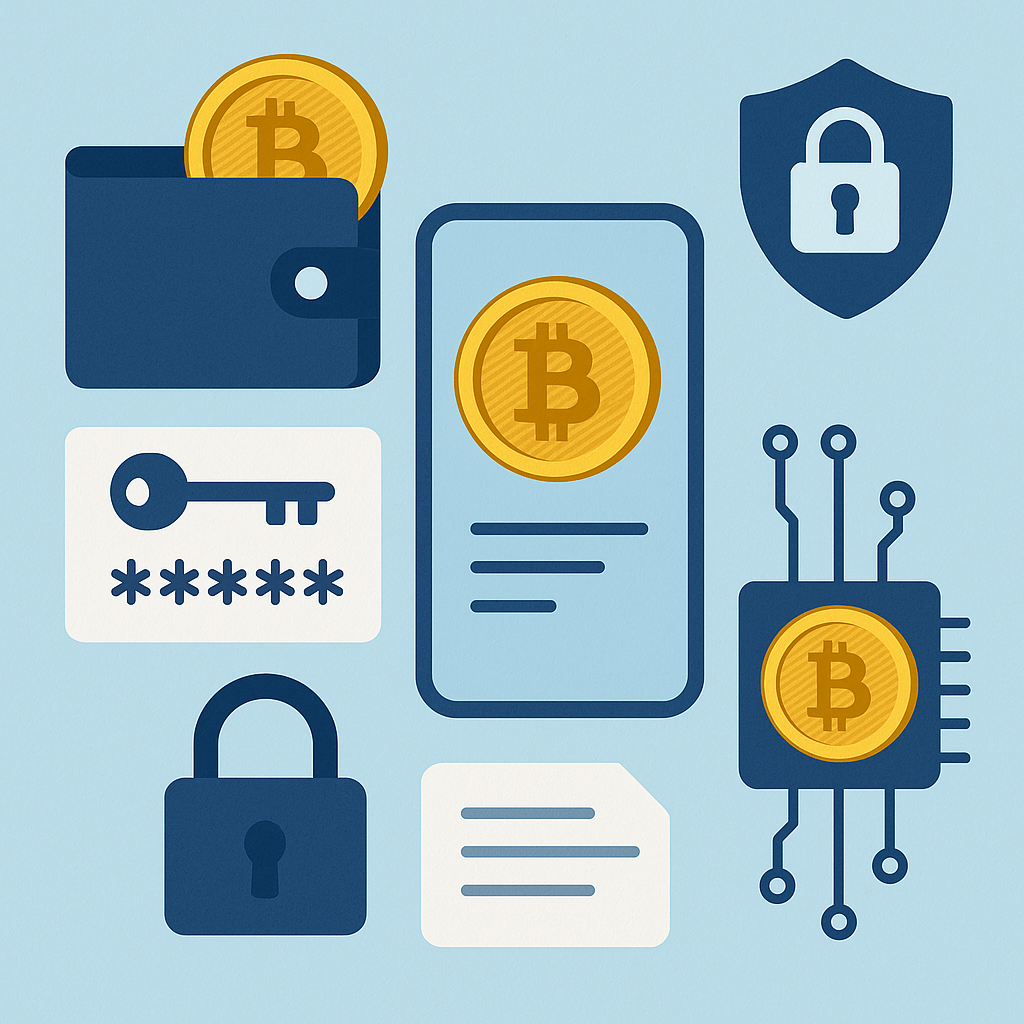
Introduction to Crypto Wallets
In the ever-evolving landscape of digital currencies, crypto wallets serve as the essential tool for managing, storing, and transacting cryptocurrencies. Unlike traditional wallets that hold physical currency, crypto wallets are software applications or hardware devices that store your public and private keys, allowing you to interact with various blockchain networks. Understanding the fundamentals of crypto wallets is crucial for anyone looking to venture into the world of cryptocurrencies, whether for investment, trading, or everyday transactions.
At their core, crypto wallets function as a bridge between you and the blockchain, enabling you to send and receive digital assets while keeping your funds secure. The wallet itself does not store your cryptocurrencies; instead, it holds the keys that allow you to access your funds on the blockchain. This distinction is vital, as losing access to your wallet means losing your ability to access your cryptocurrencies. Therefore, security and backup strategies are paramount when it comes to managing your digital assets.
Crypto wallets primarily fall into two categories: hot wallets and cold wallets. Hot wallets are connected to the internet and are designed for quick and easy access to your funds. They are ideal for everyday transactions and trading but are more vulnerable to hacking and phishing attacks. On the other hand, cold wallets are offline storage solutions that provide enhanced security against online threats. They are suitable for long-term storage of cryptocurrencies, as they are less susceptible to cyber attacks. Understanding these two types of wallets is crucial for choosing the right one based on your needs and risk tolerance.
As you explore the world of crypto wallets, it’s essential to familiarize yourself with the best practices for securing your assets. This includes using strong passwords, enabling two-factor authentication, regularly updating your software, and backing up your wallet. Whether you are a novice or an experienced user, implementing these practices can significantly reduce the risk of losing your hard-earned cryptocurrencies. In the following sections, we will dive deeper into the specific types of crypto wallets, their respective security features, and the best practices to ensure your digital assets remain safe and accessible.
Types of Crypto Wallets: Hot vs. Cold
When it comes to managing cryptocurrencies, understanding the different types of wallets is crucial for both security and convenience. Broadly, crypto wallets can be categorized into two main types: hot wallets and cold wallets. Each type serves its purpose based on the user's needs and preferences regarding accessibility and security.
Hot wallets are connected to the internet, making them user-friendly and easy to access. They typically come in the form of mobile apps, desktop applications, or web-based platforms. Hot wallets are ideal for individuals who frequently trade or use their cryptocurrencies for everyday transactions, as they allow for quick transfers and real-time access to funds. However, the convenience of hot wallets comes with inherent risks, as being online exposes them to potential threats such as hacking and phishing attacks.
On the other hand, cold wallets, also known as cold storage solutions, are not connected to the internet, providing a higher level of security for long-term storage of cryptocurrencies. Cold wallets can take various forms, including hardware wallets, paper wallets, or even offline devices. These wallets are highly recommended for users who intend to hold their cryptocurrencies for extended periods without the necessity of frequent transactions. By keeping private keys offline, cold wallets significantly reduce the risk of cyberattacks and unauthorized access, making them a preferred choice for serious investors and those holding substantial amounts of digital assets.
While both hot and cold wallets have their advantages and disadvantages, many users opt for a hybrid approach, using hot wallets for daily transactions while securing the majority of their assets in cold storage. This strategy allows for the flexibility of quick access when needed, paired with the robust security necessary to protect against potential threats. Ultimately, the choice between hot and cold wallets depends on individual needs, trading habits, and risk tolerance, making it essential for every crypto user to evaluate their specific situation before deciding on the type of wallet that best suits them.
Understanding Private and Public Keys
In the realm of cryptocurrency, the concepts of private and public keys are fundamental to the functioning of crypto wallets. A public key can be thought of as your bank account number; it is meant to be shared with others. This key allows others to send you cryptocurrency, and it is derived from your private key through a complex cryptographic process. The public key is visible to anyone on the blockchain, making it an essential part of cryptocurrency transactions. Users can create multiple public keys from a single private key, allowing for greater flexibility in managing different addresses for different transactions.
On the other hand, the private key is akin to your PIN or password for your bank account. It is a secret key that must be kept confidential, as it grants access to your cryptocurrency holdings. Anyone with your private key can control your funds, making it crucial to protect it from unauthorized access. This key is not shared with anyone and should be stored securely, as losing it can result in permanent loss of access to your cryptocurrency assets.
The relationship between public and private keys is what enables the security and integrity of transactions on the blockchain. When you send cryptocurrency, you sign the transaction with your private key, which proves ownership of the funds being transferred. This process ensures that only the rightful owner can authorize a transaction, and it is an essential mechanism for preventing fraud and double-spending. The cryptographic algorithms used to generate these keys are designed to be highly secure, making it nearly impossible for someone to derive the private key from the public key.
In summary, understanding the roles of private and public keys is vital for anyone looking to engage with cryptocurrency. As you navigate the world of digital assets, remember to safeguard your private keys, and only share your public keys when necessary. By doing so, you can participate in the crypto ecosystem with confidence, knowing that your assets are secure and well-managed.
Security Features in Crypto Wallets
As cryptocurrency gains traction as a viable asset class, the importance of security in crypto wallets cannot be overstated. Security features play a crucial role in safeguarding your digital assets against theft, hacking, and other malicious activities. Understanding the various security measures implemented in crypto wallets is essential for anyone looking to store their cryptocurrencies safely.
One of the most fundamental security features is private key management. In a crypto wallet, your private keys are akin to a password that grants you access to your funds. The best wallets employ advanced encryption techniques to protect these keys from unauthorized access. Some wallets generate and store private keys offline, also known as cold storage, which significantly reduces the risk of online attacks. Additionally, many wallets offer features like seed phrases, which act as a backup for your private keys and can be used to recover your wallet in case of loss or theft.
Another important security measure is two-factor authentication (2FA). This feature adds an additional layer of security by requiring not only your password but also a second form of verification, such as a code sent to your mobile device. By implementing 2FA, you can significantly reduce the chances of unauthorized access to your wallet. Furthermore, some wallets offer biometric authentication methods, such as fingerprint or facial recognition, which provide even stronger security by ensuring that only you can access your funds.
Regular software updates are vital for maintaining the security of your crypto wallet. Wallet providers frequently release updates that patch vulnerabilities and enhance security features. Users are encouraged to keep their wallets updated to protect against emerging threats. Additionally, employing hardware wallets, which store your private keys on a physical device, can provide an extra layer of protection. These devices are immune to online threats and are considered one of the safest ways to store cryptocurrencies.
Best Practices for Wallet Security
When it comes to managing your cryptocurrency, security should always be your top priority. With the rise of digital currencies, the number of cyber threats has also increased significantly. To protect your assets, it is essential to adopt best practices that can help mitigate risks and enhance the security of your crypto wallet. These practices range from choosing the right wallet type to implementing robust personal security measures.
First and foremost, consider using hardware wallets for storing significant amounts of cryptocurrency. Hardware wallets, also known as cold wallets, store your private keys offline, making them less susceptible to hacking attempts. If you find yourself managing larger investments, investing in a reputable hardware wallet can provide an added layer of security. Additionally, ensure that you purchase your hardware wallet directly from the manufacturer to avoid tampering and potential security breaches.
Another critical aspect of wallet security is to enable two-factor authentication (2FA) whenever possible. 2FA adds an extra layer of protection by requiring a second form of verification before accessing your wallet. This can be done through SMS codes, authentication apps, or hardware tokens. By using 2FA, even if someone gains access to your password, they would still need the second factor to compromise your wallet.
Furthermore, always be vigilant about phishing attacks. Scammers often create fake websites or send fraudulent emails to trick users into revealing their private keys or login credentials. Always double-check URLs and ensure that you are on the official website of your wallet provider before entering any sensitive information. Additionally, never share your private keys with anyone, as this information is crucial for accessing your funds. Regularly updating your software and using strong, unique passwords are also fundamental practices that cannot be overlooked. By implementing these strategies, you can significantly reduce the likelihood of falling victim to cyber threats and ensure the safety of your cryptocurrency holdings.
Choosing the Right Wallet for Your Needs
When it comes to selecting a cryptocurrency wallet, understanding your individual needs and preferences is crucial. The variety of wallets available can be overwhelming, but breaking them down into categories can help streamline your decision-making process. First, consider how you plan to use your cryptocurrencies. Are you looking to make regular transactions, or are you more focused on long-term holding? Your intended use will heavily influence which type of wallet is best for you.
If you're an active trader or someone who frequently uses cryptocurrencies for transactions, a hot wallet—such as a web wallet or mobile wallet—might be the most suitable option. These wallets are connected to the internet and offer convenience and ease of access. However, they also come with increased exposure to potential security threats. Therefore, it's essential to choose a reputable service provider and implement additional security measures, such as two-factor authentication, to safeguard your assets.
On the other hand, if your primary goal is to securely store your digital assets for the long term, a cold wallet could be the better choice. Cold wallets, which include hardware wallets and paper wallets, are not connected to the internet, significantly reducing the risk of hacking. While they may require a bit more effort to set up and use, the enhanced security they provide is often worth it for those who prioritize asset protection. When selecting a cold wallet, look for well-reviewed hardware wallets from reputable manufacturers, and always ensure that your recovery phrases and private keys are stored securely.
Ultimately, the right wallet for you depends on your specific needs, risk tolerance, and how often you intend to access your cryptocurrencies. It’s essential to strike a balance between convenience and security. Additionally, consider diversifying your wallet options to mitigate risks—keeping some assets in a hot wallet for liquidity while securing the majority in a cold wallet for long-term storage. This strategy can help you enjoy the benefits of both worlds while minimizing potential losses.
Common Mistakes to Avoid
As the popularity of cryptocurrencies continues to soar, so does the number of individuals entering the space without fully understanding the nuances of crypto wallets. This lack of knowledge can lead to costly mistakes that may jeopardize the safety of your digital assets. One of the most common mistakes is failing to back up your wallet. Many users underestimate the importance of backups, thinking that their wallet is secure enough without one. However, hardware malfunctions, accidental deletions, or even loss of access to the device can result in permanent loss of funds. Always ensure that you have a secure backup of your wallet's private keys or recovery phrases stored in a safe location.
Another mistake is overlooking the importance of using strong, unique passwords. Passwords are often the first line of defense against unauthorized access, and using weak or reused passwords can make your wallet vulnerable. It's crucial to create complex passwords that combine letters, numbers, and special characters. Additionally, consider using a password manager to store your passwords securely rather than relying on memory alone. This practice not only enhances your wallet's security but also protects other accounts that may be linked to your crypto activities.
Furthermore, many users fall victim to phishing scams by clicking on dubious links or providing their wallet information to unverified sources. Scammers often design websites that closely mimic legitimate services to trick users into revealing sensitive information. Always double-check URLs and ensure you are using official channels when accessing your wallet or related services. Being cautious and skeptical of unsolicited messages or requests can significantly reduce the risk of falling prey to these scams.
Lastly, neglecting to keep your software up to date is a critical error. Wallet providers frequently release updates that patch security vulnerabilities and improve functionality. Failing to install these updates can leave your wallet exposed to potential threats. Regularly check for updates to your wallet software and operating system to ensure you are protected against the latest security risks. By avoiding these common mistakes, you can significantly enhance the safety of your crypto assets and enjoy a more secure experience in the world of digital currency.
Conclusion and Future of Crypto Wallets
As the world continues to embrace cryptocurrency, the importance of understanding crypto wallets cannot be overstated. These digital wallets are not just a means of storing cryptocurrencies; they are essential tools that provide access to the decentralized financial ecosystem. Whether you are a casual investor or a seasoned trader, recognizing the different types of wallets and their respective security measures is critical for safeguarding your digital assets. In a landscape rife with scams and security breaches, equipping yourself with knowledge about wallets is your first line of defense.
The future of crypto wallets is poised for significant evolution. As blockchain technology matures and regulatory frameworks become clearer, we can expect to see advancements in wallet functionality and security. For instance, the integration of biometric authentication and multi-signature wallets may become more commonplace, enhancing security and user experience. Moreover, the rise of decentralized finance (DeFi) platforms is likely to encourage wallet developers to innovate, creating wallets that not only store assets but also facilitate seamless access to DeFi services.
Additionally, user experience will likely take center stage as more individuals enter the cryptocurrency space. Wallets will need to cater to both novice users and experienced investors, providing intuitive interfaces and educational resources. This focus on usability could include features like built-in tutorials, enhanced customer support, and simplified transaction processes. As the crypto market continues to expand, the demand for user-friendly wallets will drive competition, leading to better products and services for everyone.
In conclusion, while crypto wallets are the gateway to the world of digital assets, they also come with their own set of challenges. As we look ahead, it's essential to stay informed about the latest developments in wallet technology, security measures, and best practices. By doing so, you will not only protect your investments but also empower yourself to navigate the ever-evolving landscape of cryptocurrency with confidence and ease.