Introduction: The Impact of Japan's Economic Landscape
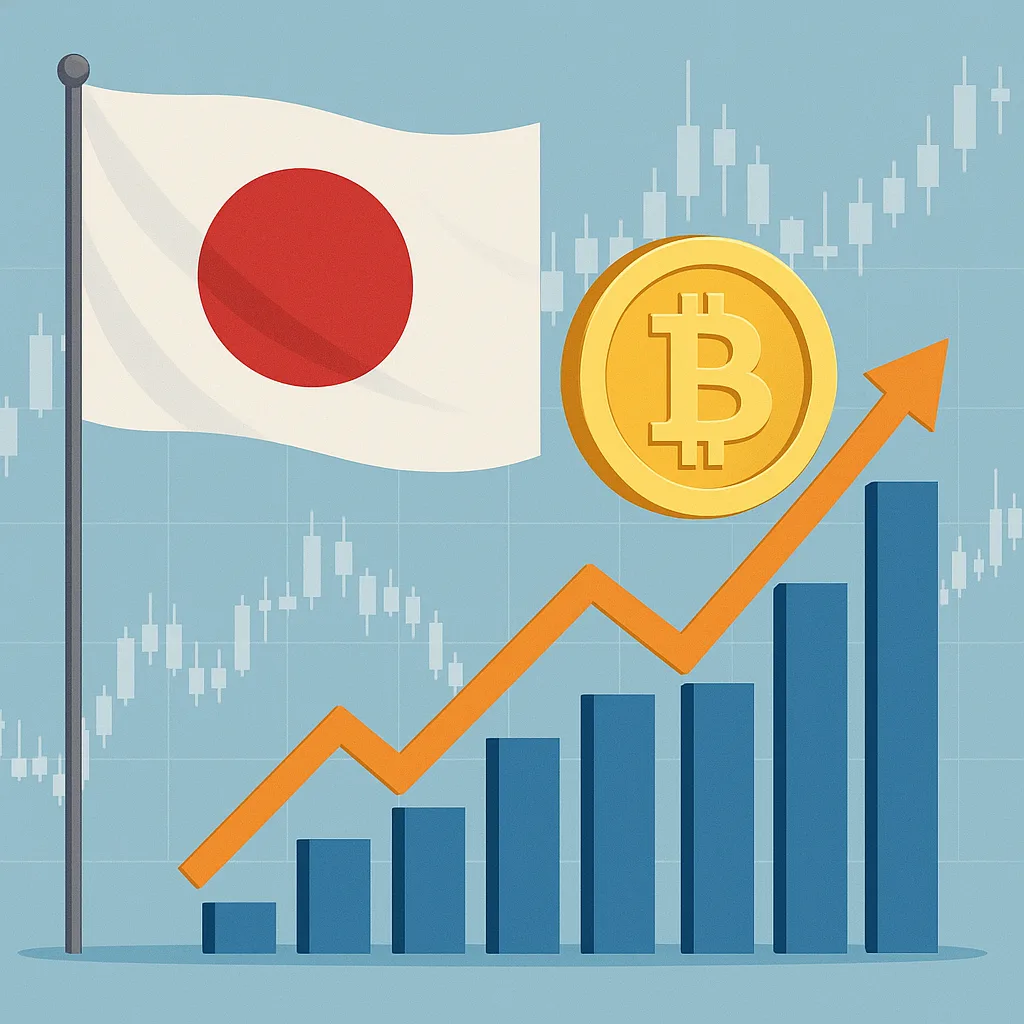
Japan has long been recognized as a global economic powerhouse, characterized by its technological innovations and robust manufacturing sector. However, recent shifts in the economic landscape have prompted a reevaluation of traditional financial systems, particularly in the realm of cryptocurrency. As Japan grapples with low growth rates and persistent deflationary pressures, the rise of digital currencies presents both challenges and opportunities for investors and policymakers alike.
In recent years, the Japanese government has taken significant steps to embrace the burgeoning world of cryptocurrencies. This shift in attitude was catalyzed by the need to revitalize the economy, especially following the stagnation experienced since the 1990s. Regulatory frameworks have been established to ensure consumer protection while fostering innovation, which has resulted in Japan becoming one of the leading countries for cryptocurrency trading and investment. The Financial Services Agency (FSA) has introduced licensing requirements for exchanges, aiming to create a safer environment for investors, thus enhancing the appeal of digital assets.
The economic implications of this transition are profound. With more individuals and institutions investing in cryptocurrencies, Japan's economy may experience a diversification of assets that could potentially lead to increased capital inflows. Furthermore, as local businesses begin to adopt blockchain technology for various applications, from supply chain management to financial transactions, the overall efficiency and transparency of the Japanese market could significantly improve. However, this shift is not without its challenges. The volatility inherent in the cryptocurrency market poses risks that require careful navigation, particularly for traditional investors accustomed to more stable asset classes.
As Japan continues to adapt to the changing economic environment, it is crucial for traders and investors to stay informed about the latest trends in both the cryptocurrency market and broader economic indicators. Understanding the implications of these developments will enable better decision-making, whether one is looking to capitalize on emerging opportunities or mitigate potential risks. In this guide, we will explore the strategies and tools necessary to successfully navigate the complexities of trading cryptocurrencies in Japan's evolving economic landscape.
Understanding the Nikkei Surge and Its Implications
The Nikkei 225, Japan's premier stock index, has recently experienced a remarkable surge, prompting analysts and investors alike to reassess the implications for the broader Japanese economy and its financial markets. This surge can be attributed to a combination of factors, including robust corporate earnings, a favorable global economic outlook, and the Bank of Japan's continued monetary easing policies. As the index reaches new heights, it becomes essential to understand how this upward trajectory influences investor sentiment and shapes the landscape for emerging asset classes like cryptocurrency.
One significant aspect of the Nikkei's rise is its potential to foster increased confidence among domestic investors. As stocks climb, more individuals may feel encouraged to invest in riskier assets such as cryptocurrencies, seeing them as viable alternatives to traditional investments. This shift could lead to a diversification of portfolios, as investors look to capitalize on the high volatility and potential for significant returns offered by digital currencies. Moreover, the influx of capital into the crypto space could also stimulate innovation and the development of new financial products tailored to meet the demands of a more crypto-savvy investor base.
However, it is crucial to approach this optimism with caution. The correlation between the stock market and cryptocurrency is complex and can be influenced by various external factors, including regulatory changes and macroeconomic trends. For instance, should the Bank of Japan decide to tighten monetary policy in response to inflationary pressures, it could lead to a pullback in both traditional and digital asset markets. Investors must remain vigilant and consider the broader economic indicators alongside market trends to navigate this evolving landscape effectively.
In summary, the recent surge of the Nikkei 225 presents both opportunities and challenges for investors, particularly those interested in the cryptocurrency market. As more individuals look to diversify their portfolios and explore new asset classes, understanding the interplay between traditional equities and cryptocurrencies will be essential for making informed investment decisions. By staying informed and adaptable, investors can better position themselves to capitalize on the potential growth in this dynamic financial environment.
Bitcoin's Reaction: Analyzing the Price Jump to $72,000
In the fast-paced world of cryptocurrency, Bitcoin's latest price surge to $72,000 has caught the attention of investors and analysts alike. This remarkable leap, which occurred amid a backdrop of increasing institutional adoption and evolving regulatory frameworks, raises critical questions about the factors driving this upward momentum. Understanding the catalysts behind this price jump is essential for traders looking to navigate the fluctuating crypto market effectively.
One of the primary drivers of Bitcoin's recent surge can be attributed to a wave of institutional interest. Major financial institutions and corporations have increasingly recognized Bitcoin as a legitimate asset class, incorporating it into their portfolios. Notably, firms like Tesla and MicroStrategy have made significant investments in Bitcoin, signaling to the market that cryptocurrencies are not merely speculative assets but viable options for long-term investment. This institutional endorsement has instilled confidence in retail investors, prompting a surge in demand that has propelled prices upward.
Additionally, macroeconomic factors such as inflation and currency devaluation have played a crucial role in Bitcoin's price dynamics. As central banks around the world continue to implement expansive monetary policies, many investors are turning to Bitcoin as a hedge against inflation. The looming concern over traditional fiat currencies losing purchasing power has led to a greater interest in cryptocurrencies, particularly Bitcoin, which is often referred to as 'digital gold.' This shift in perception has contributed significantly to the price rally, as more individuals and institutions seek to safeguard their wealth through Bitcoin investments.
Moreover, the recent advancements in blockchain technology and the growing acceptance of cryptocurrencies in various sectors have further fueled Bitcoin's price climb. The rise of decentralized finance (DeFi) platforms and non-fungible tokens (NFTs) has introduced new use cases for Bitcoin, expanding its utility beyond being a mere store of value. As these applications gain traction, they are likely to drive additional interest and investment in Bitcoin, creating a positive feedback loop that could sustain its upward trajectory.
Gold's Resurgence: Factors Driving Prices Beyond $5,000
As the economic landscape evolves, gold's role as a safe haven asset is experiencing a remarkable resurgence, with prices expected to surpass the $5,000 mark. This unprecedented rise can be attributed to several interlinked factors that are reshaping investors' attitudes toward traditional assets versus emerging alternatives like cryptocurrencies. Central banks worldwide are adopting more accommodative monetary policies, which are driving inflation concerns and prompting investors to seek stability in gold.
One of the primary drivers of gold's resurgence is the growing uncertainty surrounding fiat currencies. As governments increase their debt levels to stimulate economies post-pandemic, the risk of currency devaluation becomes more pronounced. This environment fosters a flight to safety, with gold seen as a hedge against potential inflation and currency collapse. Investors are increasingly aware that historical patterns suggest that gold often thrives during periods of economic instability, leading to higher demand and, consequently, higher prices.
Additionally, geopolitical tensions and trade disputes continue to loom large on the global stage. Events such as the ongoing conflicts in various regions and the ever-changing dynamics between major economies create an atmosphere of unpredictability. In times of crisis, gold has traditionally served as a reliable store of value, prompting investors to allocate a portion of their portfolios to this precious metal. This behavior is further amplified by the rise of retail investors who are now more informed and active in the gold market, driving demand and pushing prices higher.
Lastly, technological advancements and innovative financial products are making gold more accessible to a broader range of investors. With the emergence of gold-backed cryptocurrencies and digital gold platforms, investors can now trade gold more easily and integrate it into their portfolios alongside other assets. This increased accessibility is further driving demand, as younger, tech-savvy investors look for ways to diversify their holdings in a rapidly changing financial landscape. As these factors come together, gold's resurgence seems not only inevitable but also a sign of shifting investor sentiment in a world grappling with economic uncertainty.
Safe Havens vs. Risk Assets: A Trader's Perspective
As Japan's economy grapples with the implications of cryptocurrency integration, traders must carefully evaluate their strategies, especially when distinguishing between safe havens and risk assets. Traditional safe-haven assets, such as gold and government bonds, have long been favored during periods of economic uncertainty. However, the rise of digital currencies has introduced a new paradigm, prompting traders to reconsider what constitutes a safe investment in today's market.
Bitcoin and other cryptocurrencies have emerged as alternative safe havens for some investors, particularly in the face of inflationary pressures and currency devaluation. The decentralized nature of these assets allows them to operate independently of central banks, which can be appealing during times of heightened volatility. However, the crypto market is notorious for its price swings, which can create substantial risks. Traders must weigh the potential for significant gains against the possibility of steep losses, making the decision to allocate funds to crypto a nuanced one.
In contrast, risk assets, including tech stocks and emerging market equities, can offer higher returns but come with increased volatility. For traders in Japan, particularly those who are actively involved in the cryptocurrency space, understanding the correlation between these risk assets and crypto is crucial. As global market dynamics shift, the relationship between traditional equities and digital currencies may evolve, influencing trading strategies and investment decisions.
Moreover, the Japanese government’s regulatory stance on cryptocurrencies adds another layer of complexity. With the potential for new regulations impacting market behavior, traders must stay informed about policy changes that could affect both safe havens and risk assets. In this rapidly changing landscape, a trader's ability to adapt and reassess their positions will be key to navigating the intertwined realms of traditional finance and cryptocurrency.
Strategic Trading Approaches in a Volatile Market
As Japan's economy continues to integrate cryptocurrencies into its financial framework, traders must develop strategic approaches to navigate the inherent volatility of this emerging market. The first step in formulating an effective trading strategy is understanding the market dynamics unique to cryptocurrencies. Unlike traditional assets, crypto markets can experience rapid price fluctuations driven by factors such as regulatory news, technological advancements, and shifts in investor sentiment. Therefore, traders must stay informed and adaptable, ready to respond to market changes in real time.
One effective approach is to employ technical analysis, which involves studying historical price charts and identifying patterns that may suggest future price movements. Key indicators such as moving averages, Relative Strength Index (RSI), and Bollinger Bands can provide valuable insights into market trends and help traders make informed decisions. Additionally, understanding support and resistance levels can further enhance trading strategies, allowing traders to identify optimal entry and exit points while minimizing risk.
Another essential strategy is to diversify one’s portfolio. Given the unpredictable nature of the cryptocurrency market, holding a variety of digital assets can help mitigate risks associated with price volatility. By investing in a mix of established coins like Bitcoin and Ethereum, alongside promising altcoins, traders can balance potential gains with the risk of losses. Furthermore, implementing a risk management strategy, such as setting stop-loss orders, can protect investments during sudden market downturns.
Lastly, it’s crucial for traders to maintain a disciplined approach. Emotional trading often leads to impulsive decisions that can result in significant losses. Establishing a clear trading plan that outlines goals, risk tolerance, and specific entry and exit strategies can help traders stay focused and minimize emotional reactions to market fluctuations. In this volatile landscape, a well-structured trading plan is an invaluable asset, allowing traders to navigate Japan's evolving crypto market with confidence and clarity.
Diversifying Your Portfolio: Beyond Bitcoin and Gold
As Japan's economy continues to evolve amidst global market fluctuations, investors are increasingly looking beyond traditional assets like Bitcoin and gold to diversify their portfolios. This shift is not just a reaction to market volatility; it reflects a broader understanding of the need for a balanced investment strategy that can withstand economic uncertainties. By exploring alternative assets, investors can mitigate risks while capitalizing on new opportunities that the digital economy presents.
One such alternative is Ethereum, which has gained substantial traction due to its smart contract capabilities. Unlike Bitcoin, which primarily serves as a digital currency, Ethereum allows developers to build decentralized applications (dApps) and issue new tokens. This flexibility has positioned Ethereum as a critical player in the blockchain ecosystem, attracting both institutional and retail investors. As Japan embraces technological innovation, investing in Ethereum and other altcoins can provide significant growth potential, especially as sectors like DeFi (Decentralized Finance) and NFTs (Non-Fungible Tokens) continue to expand.
Furthermore, incorporating commodities like silver or even rare earth metals into your portfolio can serve as an effective hedge against inflation and market downturns. These physical assets have intrinsic value and can be less volatile than cryptocurrencies. With Japan's government taking steps to stabilize the economy and promote investment in sustainable technologies, rare earth metals, which are essential for green technologies, could present lucrative opportunities for forward-thinking investors.
Lastly, exploring emerging markets can also be a strategic move for diversifying your investment portfolio. Countries in Southeast Asia, for example, are experiencing rapid economic growth and increased adoption of digital currencies. By allocating a portion of your investments to these markets, you can tap into the potential for high returns while spreading your risk across different geographical regions. In today's interconnected world, a diversified portfolio is not just a safety net; it's a pathway to future-proofing your investments against the unpredictable tides of economic change.
Conclusion: Preparing for Future Market Shifts
As Japan continues to adapt to the rapidly evolving landscape of cryptocurrency and digital finance, it is crucial for investors and traders to remain vigilant and informed. The recent market surges have highlighted the potential for significant gains, but they also underscore the inherent risks associated with such volatility. Understanding these dynamics is essential for making informed decisions in this fluid environment.
In preparing for future market shifts, it is important to develop a robust trading strategy that incorporates both short-term and long-term perspectives. This might involve diversifying your portfolio to include a mix of established cryptocurrencies and emerging altcoins, thereby mitigating the risk associated with heavy investment in a single asset. Additionally, employing risk management techniques such as stop-loss orders can help protect your investments from sudden market downturns.
Furthermore, keeping abreast of regulatory developments in Japan and globally will empower traders to make strategic decisions. As authorities continue to refine their approach to cryptocurrency regulation, understanding these changes will be critical for compliance and to capitalize on new opportunities. Engaging with community resources, forums, and educational materials can provide insights that are invaluable in navigating this complex market.
Lastly, it is essential to maintain a mindset of adaptability. The crypto market is notorious for its rapid fluctuations, and being able to pivot in response to new information or market trends can be the difference between profit and loss. By cultivating a habit of continuous learning and staying connected to industry trends, investors can enhance their ability to respond to market shifts effectively. In conclusion, while the future of Japan's economy in relation to cryptocurrency remains uncertain, those who prepare strategically and remain proactive will be better positioned to thrive in this exciting yet unpredictable landscape.