Introduction to Avalanche: A Brief Overview
Avalanche is a cutting-edge blockchain platform that has gained significant traction since its launch, positioning itself as a formidable competitor in the decentralized finance (DeFi) and blockchain ecosystem. Developed by Ava Labs, Avalanche aims to provide a highly scalable, efficient, and secure environment for developers to build and deploy decentralized applications (dApps). With its unique consensus mechanism known as Avalanche Consensus, the platform is designed to achieve high throughput and low latency, making it particularly appealing for traders and investors looking for speed and reliability in their transactions.
One of the standout features of Avalanche is its ability to support multiple blockchains, allowing developers to create custom subnets tailored to specific use cases. This flexibility not only enhances scalability but also fosters innovation by enabling various applications to coexist and communicate seamlessly. As the DeFi sector continues to expand, Avalanche's architecture positions it as an attractive option for projects seeking to leverage blockchain technology without compromising on performance or security.
In recent years, Avalanche has witnessed a surge in adoption, with a growing number of projects built on its platform. From decentralized exchanges (DEXs) to lending protocols, the ecosystem is rapidly evolving, attracting both developers and users alike. The platform's native token, AVAX, plays a crucial role in the network's operation, serving as a means of transaction fees, staking, and governance. As the market matures, understanding the dynamics of AVAX and its potential for growth is essential for traders looking to capitalize on the opportunities presented by this innovative blockchain.
As we delve into the trading landscape of Avalanche in 2026, it’s imperative to grasp not only the technical aspects of the platform but also the macroeconomic factors influencing its trajectory. The interplay between regulatory developments, market sentiment, and technological advancements will play a pivotal role in shaping the future of Avalanche. This guide will provide insights into these elements, equipping traders with the knowledge necessary to navigate the dynamic market surrounding Avalanche and maximize their trading strategies effectively.
The Current State of Avalanche in 2026
As we delve into 2026, Avalanche has solidified its position as one of the leading players in the blockchain ecosystem. Launched in 2020, Avalanche has consistently evolved, adapting to the rapidly changing demands of the DeFi, NFT, and gaming sectors. By 2026, the platform has not only expanded its user base but also enhanced its technological framework, allowing for faster transactions and greater scalability. This has positioned Avalanche as a strong competitor to other prominent blockchains, such as Ethereum and Solana, which continue to dominate the market. Potential of Avalanche in 2026.
One of the most notable advancements in Avalanche's capabilities is its integration of cross-chain operability. In 2026, this feature has become essential for users and developers alike, allowing seamless interaction across various blockchain networks. As a result, Avalanche has become a preferred choice for projects looking to leverage the benefits of multiple ecosystems. The rise of decentralized finance (DeFi) applications built on Avalanche has also been impressive, with the total value locked (TVL) in these applications soaring as more users seek alternatives to traditional financial systems.
Moreover, Avalanche's commitment to sustainability and environmental concerns has gained traction in 2026. As the world becomes increasingly aware of the ecological impact of blockchain technology, Avalanche has implemented eco-friendly consensus mechanisms that consume significantly less energy compared to their Proof of Work counterparts. This commitment has not only attracted environmentally conscious investors but has also bolstered the platform's reputation in a competitive market.
While the overall sentiment towards Avalanche remains optimistic, traders must remain vigilant. The market is characterized by high volatility, influenced by various factors including regulatory developments, technological advancements, and macroeconomic trends. Understanding these dynamics is crucial for anyone looking to trade Avalanche effectively in 2026. By keeping abreast of the latest news and trends, traders can make informed decisions and capitalize on the opportunities that this dynamic market presents.
Key Factors Influencing Avalanche's Price Movements
As we delve into the dynamics of trading Avalanche (AVAX) in 2026, it is crucial to understand the key factors that significantly influence its price movements. The cryptocurrency market is notorious for its volatility, and Avalanche is no exception. Factors such as market sentiment, technological developments, and regulatory changes play pivotal roles in shaping the price trajectory of AVAX. Keeping a close eye on these elements can provide traders with valuable insights and a competitive edge in the market. Understanding Decentralized Exchanges.
Market sentiment is perhaps one of the most immediate drivers of price fluctuations in the cryptocurrency arena. This sentiment is often swayed by news events, social media trends, and overall market performance. For instance, a major partnership announcement or the launch of a new project on the Avalanche network could trigger a wave of positive sentiment, leading to increased buying pressure and a subsequent price surge. Conversely, negative news, such as regulatory scrutiny or security breaches, can quickly dampen enthusiasm and result in sharp sell-offs. Therefore, staying updated on the latest news and market trends is essential for traders looking to capitalize on short-term price movements.
Technological advancements within the Avalanche ecosystem also play a significant role in determining its market value. The platform's ability to scale effectively, handle transactions quickly, and support a wide range of decentralized applications (dApps) can enhance its attractiveness to both developers and investors. Innovations such as new consensus mechanisms, improvements in transaction fees, and enhancements to network security can lead to increased adoption and, consequently, upward pressure on AVAX's price. Traders should monitor developments within the Avalanche network and assess how they align with broader trends in the blockchain space.
Lastly, regulatory changes can have profound impacts on the price of Avalanche. As governments around the world continue to formulate their approaches to cryptocurrency regulation, the implications for projects like Avalanche are significant. Positive regulatory developments may foster a more favorable trading environment, while stringent regulations could stifle growth and lead to decreased investor confidence. Understanding the regulatory landscape and its potential impact on Avalanche will be crucial for traders seeking to navigate price movements effectively in 2026.
Trading Strategies for Avalanche: Technical Analysis
As the cryptocurrency landscape evolves, Avalanche (AVAX) has emerged as a noteworthy player, attracting traders who seek to capitalize on its unique features and market dynamics. To navigate the complexities of trading Avalanche in 2026, traders should leverage technical analysis as a crucial tool. Technical analysis involves examining historical price movements and trading volumes to forecast future price trends, making it an essential strategy for both novice and experienced traders.
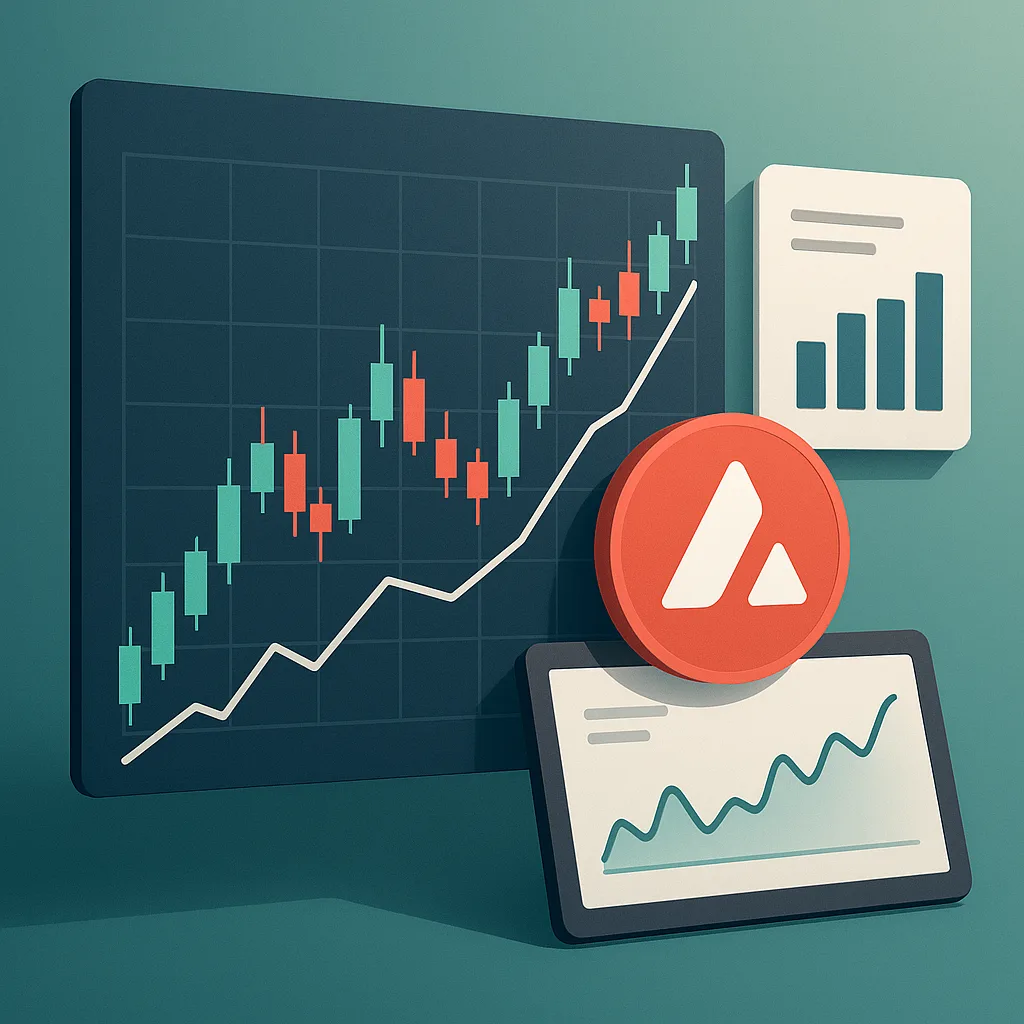
One of the foundational aspects of technical analysis is the use of price charts. Traders can utilize various chart types, such as candlestick charts, which provide insights into price action over specific time frames. By identifying patterns such as head and shoulders, triangles, or flags, traders can gauge potential breakout points or reversal signals. For Avalanche, monitoring key support and resistance levels is vital; these levels can indicate where the price may pause or reverse, allowing traders to make informed decisions on entry and exit points. Navigating Market Challenges in 2026.
Moreover, incorporating technical indicators can enhance trading strategies. Popular indicators like Moving Averages (MA), Relative Strength Index (RSI), and Bollinger Bands offer additional layers of analysis. The Moving Average can help identify the overall trend, while the RSI can indicate overbought or oversold conditions, signaling potential price reversals. Traders might consider using a combination of these indicators to create a comprehensive trading strategy that aligns with their risk tolerance and market outlook.
Finally, it is crucial for traders to remain adaptive to market conditions. The cryptocurrency market is known for its volatility, and Avalanche is no exception. Utilizing stop-loss orders can help protect investments from sudden price swings, while profit-taking strategies can lock in gains. Backtesting trading strategies against historical data can also provide insights into their effectiveness, allowing traders to refine their approaches. By staying informed and employing a robust technical analysis framework, traders can navigate the dynamic market of Avalanche effectively in 2026.
Fundamental Analysis: Evaluating Avalanche's Ecosystem
As we delve into the realm of Avalanche in 2026, it becomes increasingly important to conduct a thorough fundamental analysis of its ecosystem. Avalanche, a highly scalable blockchain platform, has emerged as a formidable contender in the decentralized finance (DeFi) space. Its unique consensus mechanism, Avalanche Consensus, enables high throughput and low latency, making it an attractive option for developers and users alike. To understand the potential of Avalanche as a trading asset, one must evaluate the underlying factors that contribute to its growth and sustainability in a dynamic market.
One of the primary components of Avalanche's ecosystem is its ability to support a wide range of decentralized applications (dApps). This versatility is a significant driver of user adoption and developer interest. The platform's architecture allows for the creation of custom blockchains, which can be tailored to specific use cases, enhancing the overall functionality and performance of the network. As more projects leverage Avalanche's infrastructure, its market cap is likely to expand, creating additional opportunities for traders and investors.
Moreover, the Avalanche ecosystem is bolstered by a vibrant community and strategic partnerships that enhance its credibility and reach. The ongoing collaborations with various DeFi projects, NFT platforms, and gaming ecosystems demonstrate Avalanche's commitment to fostering innovation. These partnerships not only provide liquidity to the platform but also attract a diverse user base that can drive demand for the AVAX token. Traders should closely monitor these developments as they can significantly impact the token's price movements and overall market sentiment.
Lastly, regulatory considerations play a crucial role in evaluating Avalanche's future. As governments around the world work to establish frameworks for blockchain technologies, Avalanche's adaptability may position it favorably. A compliant and transparent ecosystem is likely to gain the trust of investors, further solidifying its place in the market. Therefore, keeping an eye on regulatory trends and how they affect Avalanche will be essential for traders seeking to navigate the complexities of this dynamic market.
Risk Management Techniques for Trading Avalanche
When engaging in the dynamic world of trading Avalanche (AVAX), implementing effective risk management techniques is essential for preserving capital and maximizing potential returns. The inherent volatility of cryptocurrencies means that prices can fluctuate dramatically, making it crucial for traders to establish clear strategies to protect their investments. One of the most fundamental techniques is the use of stop-loss orders. By setting a predetermined price at which to sell a position, traders can minimize their losses in the event of an adverse market movement. This approach not only safeguards funds but also helps in maintaining emotional discipline, as it removes the need for making impulsive decisions during periods of high market stress.
Another critical aspect of risk management is position sizing. This involves determining the amount of capital to allocate to each trade based on the trader's overall portfolio and risk tolerance. A common rule of thumb is to risk only a small percentage of your total trading capital on a single trade—typically between 1% to 3%. This means that even if a trade goes against you, the overall impact on your portfolio remains manageable. Additionally, diversifying your investments across various assets within the Avalanche ecosystem can reduce the risk associated with holding a single asset. By spreading out your capital, you can mitigate the impact of a poor-performing asset while still participating in the potential gains of others.
Regularly reviewing and adjusting your risk management strategies is also vital. The cryptocurrency market is constantly evolving, and what worked in the past may not be as effective in the future. Traders should stay informed about market trends, technological developments, and broader economic factors that could influence the price of Avalanche. This awareness will enable traders to adapt their strategies, whether that means tightening stop-loss orders in a bullish market or increasing cash reserves during bearish conditions.
Lastly, psychological resilience plays a crucial role in risk management. Traders must cultivate the ability to stick to their strategies, even in the face of losses or market unpredictability. Developing a trading plan that incorporates clear goals, risk parameters, and a well-defined exit strategy can help traders maintain focus and discipline. By integrating these risk management techniques, traders can navigate the complexities of the Avalanche market with greater confidence and success. SFP price.
Tools and Resources for Avalanche Traders
As the Avalanche ecosystem continues to evolve, traders need to equip themselves with a robust set of tools and resources to navigate the dynamic market effectively. A well-rounded trading strategy hinges on real-time data, analytical tools, and community insights. One of the most essential resources for any trader is a reliable cryptocurrency exchange that supports Avalanche (AVAX) trading pairs. Platforms such as Binance, KuCoin, and Kraken have emerged as frontrunners, offering user-friendly interfaces, advanced trading features, and security measures that help protect your assets.
In addition to exchanges, utilizing price tracking and charting tools can significantly enhance your trading performance. Websites like CoinMarketCap and CoinGecko provide comprehensive overviews of price trends, market capitalization, and trading volumes for AVAX and other cryptocurrencies. Furthermore, advanced charting platforms such as TradingView allow traders to perform technical analyses, set alerts, and visualize price movements in real-time. By combining these resources, traders can make informed decisions based on comprehensive market data.
Another invaluable resource is the Avalanche community itself. Engaging with forums, social media platforms, and Discord channels dedicated to Avalanche can provide traders with insights on market sentiment, upcoming developments, and potential trading strategies. These community-driven platforms often feature discussions led by experienced traders and developers who share their perspectives on market trends and project updates. Following influential figures in the Avalanche ecosystem on Twitter or joining Telegram groups can also help you stay updated on the latest news and opportunities.
Lastly, leveraging automated trading tools can provide a significant edge in the fast-paced world of cryptocurrency trading. Platforms offering algorithmic trading bots can execute trades based on predefined strategies, allowing you to capitalize on market movements even when you’re not actively monitoring the market. While these tools can enhance efficiency, it’s essential to backtest your strategies and understand the risks involved fully. By combining these diverse tools and resources, traders can position themselves for success in the ever-changing landscape of Avalanche trading in 2026. Staking.
Conclusion: Future Outlook for Trading Avalanche
As we look ahead to 2026, the trading landscape for Avalanche is poised to evolve significantly. With the ongoing advancements in blockchain technology and the increasing adoption of decentralized finance (DeFi), Avalanche is well-positioned to capitalize on the growing interest in scalable and efficient solutions. The platform’s unique consensus mechanism and its commitment to interoperability will likely attract new projects and developers, further enhancing its ecosystem and value proposition.
Moreover, the integration of Avalanche with various cross-chain protocols is expected to bolster its utility within the crypto space. As more users and institutions recognize the benefits of trading on a platform that offers low fees and high transaction speeds, we can anticipate a surge in trading volume. This increased activity may lead to greater liquidity and more dynamic market conditions, presenting both opportunities and challenges for traders.
In addition, regulatory clarity surrounding cryptocurrencies will play a crucial role in shaping the future of Avalanche trading. As governments and regulatory bodies establish frameworks for digital assets, Avalanche could benefit from enhanced legitimacy, attracting institutional investors and larger capital inflows. Traders will need to stay informed about these developments and adjust their strategies accordingly to navigate the evolving regulatory landscape.
Ultimately, the future of trading Avalanche will depend on a combination of technological advancements, market trends, and external factors such as regulation and macroeconomic conditions. Traders who remain adaptable and proactive in their approach will be best equipped to leverage the opportunities presented by this dynamic market. By staying informed and employing sound trading strategies, traders can position themselves to succeed in the ever-changing world of cryptocurrency trading in 2026 and beyond.