Introduction to Bitcoin and Its Security Landscape
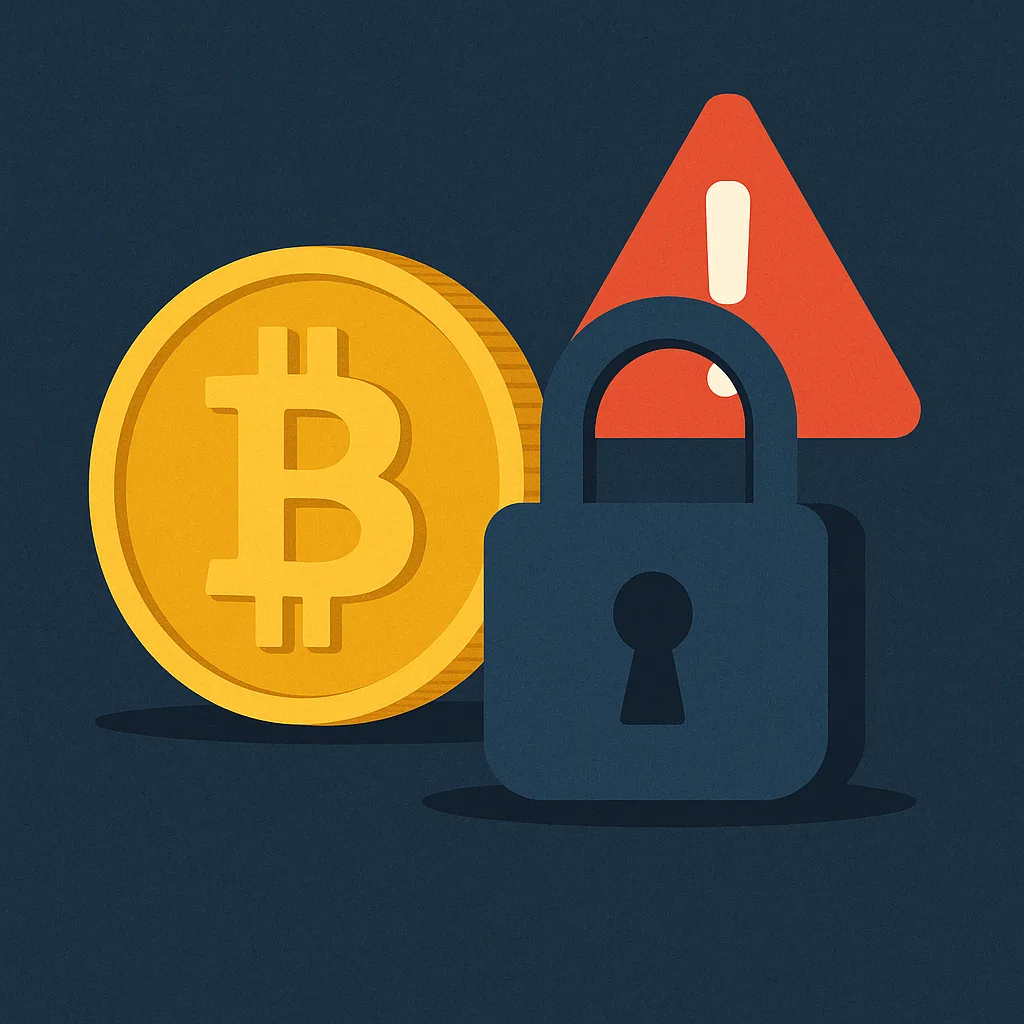
Bitcoin, the first decentralized cryptocurrency, was introduced in 2009 by an anonymous person or group known as Satoshi Nakamoto. Since its inception, Bitcoin has revolutionized the way we think about money and transactions, offering a peer-to-peer system that allows users to send and receive funds without the need for intermediaries like banks. However, while Bitcoin presents numerous advantages, it also introduces a unique set of security risks that both users and investors must navigate carefully.
The security landscape of Bitcoin is multifaceted, encompassing various components including the underlying blockchain technology, user wallets, and exchanges. At its core, Bitcoin operates on a decentralized ledger called the blockchain, which records all transactions made with the cryptocurrency. This technology is designed to be secure and immutable, yet vulnerabilities can still arise through various attack vectors, such as 51% attacks, where a malicious actor gains control over the majority of the network's hashing power, potentially allowing them to double-spend coins or disrupt the network's integrity.
Furthermore, users must consider the safety of their wallets, which are digital tools that store their Bitcoin. Wallets can be categorized into hot wallets (online) and cold wallets (offline). While hot wallets provide convenience for transactions, they are also more susceptible to hacking and malware attacks. Cold wallets, on the other hand, offer enhanced security but require careful management to prevent loss due to physical damage or misplacement. The choice of wallet significantly impacts the security of one's Bitcoin holdings, and users must assess their risk tolerance and technical proficiency before deciding on a wallet type.
Additionally, the role of cryptocurrency exchanges cannot be overlooked in the security landscape. These platforms facilitate the buying, selling, and trading of Bitcoin, but they have been frequent targets for hackers. High-profile exchange hacks have resulted in substantial losses for users, raising concerns about the safety of storing Bitcoin on these platforms. As the Bitcoin ecosystem continues to evolve, understanding the associated security risks is crucial for anyone looking to participate in this groundbreaking financial movement. By being aware of these risks and implementing best practices, users can better protect their assets and contribute to a more secure Bitcoin landscape.
Common Security Risks Associated with Bitcoin
The Bitcoin ecosystem, while revolutionary and decentralized, is not without its vulnerabilities. Understanding these security risks is crucial for anyone looking to invest in or use Bitcoin. One of the most prevalent risks is the threat of hacking. Despite the robust cryptographic foundations of Bitcoin, exchanges and wallets can be susceptible to cyberattacks. Hackers have exploited vulnerabilities in exchange platforms, leading to significant financial losses for users. It's essential to choose reputable exchanges with strong security measures in place and to consider storing Bitcoin in personal wallets rather than leaving it on exchanges.
Another significant risk is phishing attacks. Cybercriminals often deploy social engineering tactics to deceive unsuspecting users into revealing their private keys or login credentials. These attacks can take various forms, including fake websites that mimic legitimate exchanges or unsolicited emails that prompt users to click on malicious links. Users must exercise caution, verify the authenticity of websites, and enable two-factor authentication wherever possible to mitigate this risk.
Furthermore, the irreversible nature of Bitcoin transactions poses a unique challenge. Once a transaction is confirmed on the blockchain, it cannot be undone. This means that if users send Bitcoin to the wrong address or fall victim to a scam, there is no recourse to recover their funds. To minimize this risk, users should double-check recipient addresses and be wary of offers that seem too good to be true. Additionally, utilizing multi-signature wallets can add an extra layer of security, requiring multiple approvals before a transaction can be executed.
Lastly, there is the risk associated with the loss of private keys. Private keys are essential for accessing and managing Bitcoin holdings, and losing them equates to losing access to those funds permanently. Users should ensure they have secure backup practices in place, such as writing down their private keys and storing them in a safe location. By understanding and addressing these common security risks, individuals can better protect their investments and navigate the Bitcoin ecosystem with greater confidence.
Best Practices for Safeguarding Bitcoin Holdings
In the rapidly evolving world of cryptocurrency, safeguarding your Bitcoin holdings is paramount. As digital assets become increasingly popular, so do the threats posed by cybercriminals. Implementing best practices is critical to ensure the security of your investments. By following these guidelines, you can help protect your Bitcoin from potential theft or loss.
First and foremost, it is essential to utilize secure wallets for storing your Bitcoin. There are various types of wallets available, including hardware wallets, software wallets, and paper wallets. Hardware wallets, such as the Ledger Nano or Trezor, are considered one of the safest options because they store your private keys offline, reducing the risk of hacking. Software wallets, while convenient for everyday transactions, should be used with caution. Always opt for reputable software wallets with strong encryption and two-factor authentication to enhance security.
Additionally, it is crucial to regularly update your software and firmware. Developers often release updates to address security vulnerabilities and improve overall functionality. By keeping your wallet and any associated software up to date, you minimize the risk of being exposed to known exploits. Furthermore, be cautious of phishing attempts. Cybercriminals often use deceptive emails or websites to trick users into revealing their private keys or login credentials. Always verify the authenticity of any communication and access your wallet through official websites or applications.
Another key practice is to diversify your storage methods. Instead of keeping all your Bitcoin in one wallet, consider spreading your holdings across multiple wallets. This way, even if one wallet is compromised, your entire investment is not at risk. Moreover, regularly back up your wallet and store the backup in a secure location, preferably offline. This ensures that you can recover your funds in case of hardware failure or accidental loss. By adopting these best practices, you can create a solid security framework that will help protect your Bitcoin holdings against the myriad of risks present in the cryptocurrency ecosystem.
The Role of Wallet Types in Bitcoin Security
In the ever-evolving landscape of cryptocurrency, understanding the various types of wallets is crucial for ensuring the security of your Bitcoin holdings. Wallets serve as the interfaces for users to store, send, and receive Bitcoin, but not all wallets offer the same level of security. Broadly, Bitcoin wallets can be categorized into three main types: hardware wallets, software wallets, and paper wallets, each with unique features, advantages, and risks.
Hardware wallets are physical devices designed specifically for storing cryptocurrencies securely. They are often considered the gold standard in Bitcoin security because they keep your private keys offline, drastically reducing the risk of online hacks and malware attacks. For users who hold significant amounts of Bitcoin or engage in long-term investments, hardware wallets provide peace of mind. However, they do come with a higher upfront cost and the necessity of physical possession—if lost or damaged, the stored Bitcoin may become irretrievable.
On the other hand, software wallets, which can be further divided into desktop, mobile, and web wallets, offer convenience and ease of access for everyday transactions. Desktop wallets are installed on a personal computer and provide a decent level of security, especially when combined with strong passwords and two-factor authentication. Mobile wallets, designed for smartphones, offer even more convenience but can be susceptible to security threats such as malware or phishing. Web wallets, while easily accessible from any device with internet access, often pose the highest risk as they store private keys on centralized servers, making them attractive targets for hackers.
Lastly, paper wallets present a unique method of storing Bitcoin by generating a physical printout of your public and private keys. This method can be highly secure if done correctly, as it is immune to digital hacking. However, the risks associated with paper wallets include physical damage, loss, or theft of the paper itself. Furthermore, creating paper wallets requires a cautious approach to ensure that the keys are generated in a secure environment, away from online threats. In conclusion, understanding the role of different wallet types is essential for Bitcoin users to make informed decisions about securing their assets against various security risks.
Understanding Phishing and Social Engineering Attacks
Phishing and social engineering attacks have become increasingly sophisticated within the Bitcoin ecosystem, posing significant threats to both individual investors and larger businesses. These attacks exploit human psychology rather than technical vulnerabilities, making them particularly challenging to defend against. Phishing typically involves tricking individuals into revealing personal information or login credentials through deceptive emails, websites, or messages that appear to be from legitimate sources. In the context of Bitcoin, attackers often masquerade as reputable exchanges or wallet providers, luring victims into entering sensitive data that can be harvested for illicit purposes.
Social engineering goes a step further by leveraging interpersonal communication to manipulate victims into making security-compromising decisions. This can involve a phone call from someone claiming to be from a Bitcoin service provider, requesting verification of account details or even persuading users to transfer funds for supposed security reasons. The effectiveness of these tactics lies in their ability to exploit trust and create a sense of urgency, making it crucial for individuals to remain vigilant and skeptical of unsolicited communications.
One of the most common forms of phishing in the Bitcoin world is the 'fake wallet' scam, where attackers create counterfeit wallet applications that appear legitimate. Unsuspecting users might download these apps, unknowingly giving attackers access to their private keys and funds. This highlights the importance of verifying the authenticity of any software before installation, as well as ensuring that the source is reputable. Furthermore, users should be cautious about clicking links in emails or messages, especially those that prompt action or seem urgent.
To protect against these threats, it is essential for individuals and organizations to educate themselves about the signs of phishing and social engineering attacks. Regular training sessions and awareness programs can help users recognize suspicious behavior and avoid falling victim to these scams. Additionally, implementing two-factor authentication (2FA) on all accounts can provide an extra layer of security, making it more difficult for attackers to gain unauthorized access. By fostering a culture of security awareness and adopting best practices, individuals can significantly reduce their risk of encountering phishing and social engineering attacks in the Bitcoin ecosystem.
Importance of Two-Factor Authentication in Crypto
In the ever-evolving landscape of cryptocurrency, security must be a top priority for users. One of the most effective ways to enhance the security of your crypto assets is through Two-Factor Authentication (2FA). This additional layer of security ensures that even if your password is compromised, unauthorized access to your accounts remains a significant challenge. By requiring a secondary verification step, such as a code sent to your mobile device or generated by an authentication app, 2FA effectively mitigates the risk of hacks and unauthorized transactions.
The significance of 2FA becomes even more pronounced when considering the inherent vulnerabilities within the crypto ecosystem. Cryptocurrency exchanges and wallets are frequent targets for cybercriminals due to their attractive nature and the potential for lucrative gains. With countless stories of exchanges being hacked and users losing their funds, implementing 2FA is no longer just a recommendation; it is a necessity for anyone serious about safeguarding their investments. It acts as a deterrent against potential threats, making it significantly harder for hackers to gain access to your accounts.
Moreover, 2FA is not a one-size-fits-all solution. Users can choose from various methods of authentication, including SMS codes, email confirmations, or authenticator apps, each having its strengths and weaknesses. While SMS-based 2FA is widely used, it is susceptible to SIM swapping attacks. Therefore, many security experts recommend using authenticator apps like Google Authenticator or Authy, which generate time-sensitive codes and are less vulnerable to interception. By selecting the right method of 2FA, users can tailor their security measures to best fit their needs and risk profiles.
In conclusion, the importance of Two-Factor Authentication in the cryptocurrency realm cannot be overstated. It serves as a crucial barrier against unauthorized access, helping to protect your assets in an environment where security risks are prevalent. As the cryptocurrency market continues to grow and attract more users, adopting strong security measures such as 2FA will be essential in fostering a safer digital financial landscape. Whether you're a seasoned trader or a newcomer, incorporating 2FA into your security protocol is a proactive step towards ensuring the integrity and safety of your cryptocurrency investments.
Regulatory Frameworks and Their Impact on Security
The regulatory landscape surrounding Bitcoin and other cryptocurrencies has evolved significantly since their inception. Initially, Bitcoin operated in a largely unregulated environment, which allowed for rapid innovation and adoption. However, this lack of regulation also opened the door to various security risks, including fraud, hacking, and money laundering. As governments and regulatory bodies around the world begin to recognize the implications of cryptocurrencies, they are implementing frameworks designed to protect consumers and maintain market integrity.
One of the primary goals of regulatory frameworks is to enhance security by establishing clear guidelines for cryptocurrency exchanges, wallet providers, and other participants in the ecosystem. These regulations often require businesses to implement robust security measures, such as Know Your Customer (KYC) protocols and anti-money laundering (AML) practices. By enforcing these standards, regulators aim to reduce the potential for illicit activities and increase trust in the cryptocurrency market. However, the effectiveness of these regulations can vary significantly from one jurisdiction to another, leading to a patchwork of compliance requirements that can complicate operations for businesses.
Additionally, regulatory frameworks can also impact the security of individual users. For example, in jurisdictions with stringent regulations, users may benefit from increased protections against fraud and theft, as businesses are mandated to implement stronger security measures. On the other hand, overly restrictive regulations may push users toward unregulated platforms, which could expose them to greater risks. The balance between fostering innovation and ensuring security remains a critical challenge for regulators as they seek to create an environment that supports the growth of the cryptocurrency market while safeguarding users.
As the Bitcoin ecosystem continues to mature, the interplay between regulatory frameworks and security will remain a key consideration for all stakeholders. Businesses must stay informed about evolving regulations and adapt their security practices accordingly. Meanwhile, users should be aware of the regulatory landscape in their region and how it may impact their security and privacy when engaging with Bitcoin and other digital assets. Ultimately, a well-designed regulatory framework can enhance the security of the Bitcoin ecosystem, benefiting both users and businesses alike.
Conclusion: Building a Secure Bitcoin Investment Strategy
As the Bitcoin ecosystem continues to evolve, so too do the security risks associated with investing in this digital asset. A comprehensive understanding of these risks is essential for anyone looking to navigate the volatile waters of cryptocurrency investment. In conclusion, building a secure Bitcoin investment strategy involves a multifaceted approach that prioritizes security, education, and risk management.
First and foremost, investors must prioritize the security of their digital assets. Utilizing hardware wallets for storage can significantly reduce the risk of cyberattacks and hacking incidents. These wallets store private keys offline, making them less vulnerable to malware and phishing attempts that are rampant in the digital space. Additionally, adopting two-factor authentication (2FA) on all accounts related to Bitcoin trading and storage can add an extra layer of protection against unauthorized access.
Moreover, educating oneself about the underlying technology and market dynamics is crucial. Understanding how Bitcoin works, the implications of blockchain technology, and the potential for regulatory changes can help investors make informed decisions. Regularly following reputable news sources and engaging with the wider cryptocurrency community can provide insights that enhance one's investment strategy. This knowledge empowers investors to identify red flags and avoid scams that could jeopardize their investments.
Finally, it is essential to implement a robust risk management strategy. This includes diversifying investments, setting clear investment goals, and establishing exit strategies to minimize potential losses. By not putting all funds into a single investment and spreading risk across various assets, investors can safeguard their portfolios against the inherent volatility that characterizes the cryptocurrency market. In summary, a secure Bitcoin investment strategy is not just about acquiring Bitcoin; it involves a proactive approach to security, ongoing education, and prudent risk management.