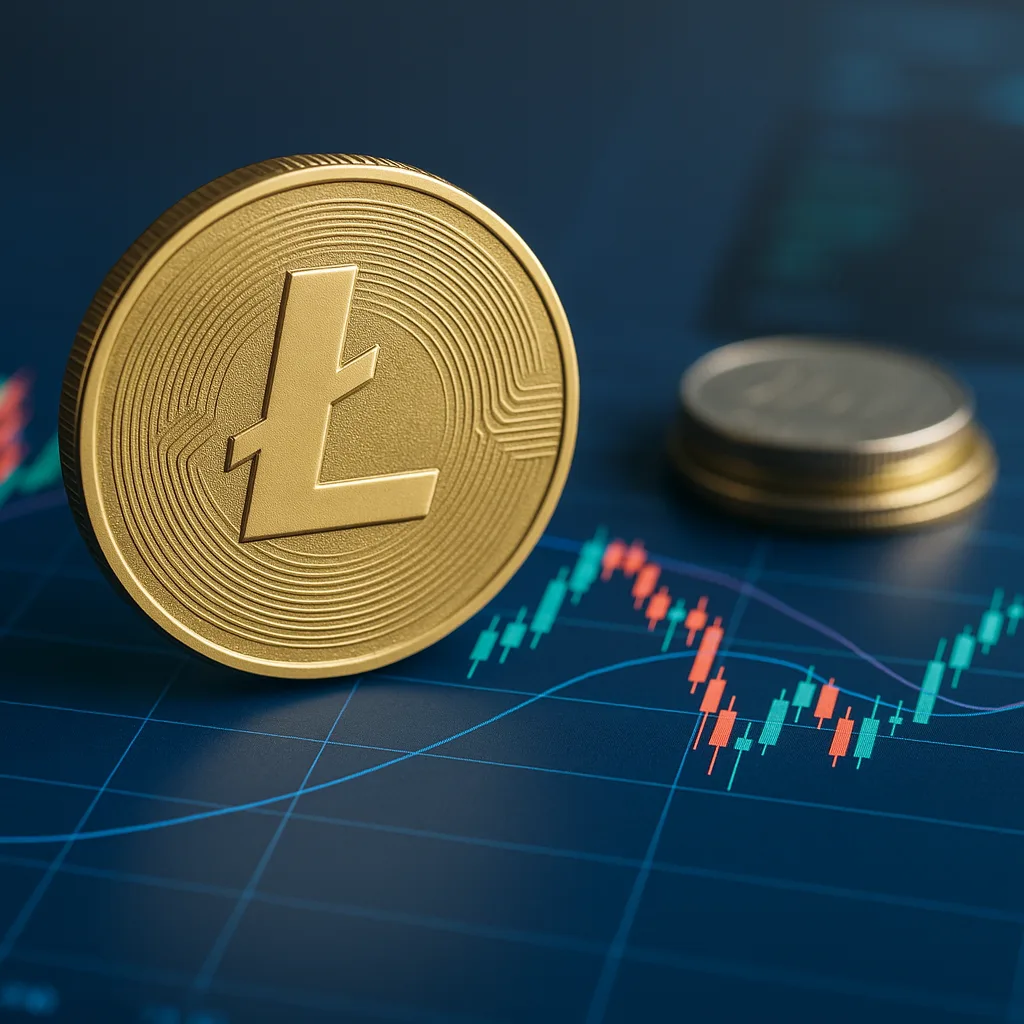
Introduction to Litecoin: History and Fundamentals
Litecoin, often referred to as the silver to Bitcoin's gold, was created in 2011 by Charlie Lee, a former Google engineer. The cryptocurrency was designed to improve upon Bitcoin by addressing some of its limitations, particularly in transaction speed and processing efficiency. While Bitcoin's block generation time is approximately 10 minutes, Litecoin's block generation time is only 2.5 minutes, allowing for faster transaction confirmations. This feature makes Litecoin an appealing option for everyday transactions, bringing greater usability to the cryptocurrency space.
Litecoin is based on the Bitcoin protocol but with several key differences. It operates on a proof-of-work consensus algorithm, similar to Bitcoin, but utilizes the Scrypt hashing algorithm instead of SHA-256. This change means that Litecoin can be mined more efficiently with consumer-grade hardware, making it more accessible to a broader audience. Additionally, Litecoin's capped supply is set at 84 million coins, which is four times that of Bitcoin. This scarcity helps maintain its value while also positioning it as a complementary currency in the digital economy.
Throughout its history, Litecoin has maintained a strong presence in the cryptocurrency market, consistently ranking among the top cryptocurrencies by market capitalization. Its resilience can be attributed to a dedicated development team and an active community of supporters. The ongoing development of the Litecoin network has seen several upgrades, including the implementation of Segregated Witness (SegWit) in 2017, which significantly improved transaction capacity and reduced fees. Furthermore, the integration of the Lightning Network has enabled faster and cheaper transactions, further solidifying Litecoin's utility.
For traders and investors, understanding Litecoin's historical performance, technological advancements, and market dynamics is crucial. While it may not have the same level of mainstream recognition as Bitcoin, Litecoin has carved out a niche as a reliable and efficient cryptocurrency. As the digital currency landscape continues to evolve, Litecoin remains a significant asset worth considering for those looking to diversify their cryptocurrency portfolios.
Understanding Litecoin's Market Position
Litecoin, often referred to as the silver to Bitcoin's gold, has carved out a significant niche within the cryptocurrency market since its inception in 2011. Created by Charlie Lee, a former Google engineer, Litecoin was designed to facilitate faster transactions and lower fees compared to Bitcoin. The cryptocurrency operates on a decentralized network, utilizing blockchain technology to enable peer-to-peer transactions without the need for intermediaries. This unique positioning has allowed Litecoin to maintain a robust market presence amid the ever-changing landscape of digital currencies.
As one of the top cryptocurrencies by market capitalization, Litecoin consistently ranks among the most traded digital assets. This prominence can be attributed to its relatively stable transaction speeds and the ability to process blocks every 2.5 minutes, compared to Bitcoin's 10 minutes. This efficiency not only makes Litecoin an attractive option for everyday transactions but also positions it as a viable alternative for businesses looking to integrate cryptocurrency into their payment systems. Additionally, Litecoin's use of the Scrypt algorithm for mining, as opposed to Bitcoin's SHA-256, has encouraged a diverse mining community, further enhancing its decentralization.
However, Litecoin's market position is not without challenges. The cryptocurrency space is highly competitive, with new projects emerging regularly, each offering unique features and advancements. For instance, Ethereum's smart contract capabilities and the rise of decentralized finance (DeFi) have drawn attention away from traditional cryptocurrencies like Litecoin. Furthermore, regulatory scrutiny and market volatility pose risks that can impact investor confidence and trading volumes. Understanding these dynamics is crucial for traders who wish to navigate the Litecoin market effectively.
Despite these challenges, Litecoin continues to show resilience and adaptability. The ongoing development of the Lightning Network, which aims to provide instant and low-cost transactions, is one such initiative that could enhance Litecoin's usability and attractiveness as a payment method. As the cryptocurrency market evolves, Litecoin's ability to innovate and respond to market demands will be key to maintaining its position. For traders, keeping an eye on Litecoin's market trends, technological advancements, and overall sentiment can provide valuable insights into potential trading strategies.
Key Features and Advantages of Trading Litecoin
Litecoin (LTC), often referred to as the silver to Bitcoin's gold, offers several features that make it an appealing choice for traders. One of the primary advantages of trading Litecoin is its faster transaction confirmation times. While Bitcoin transactions can take up to 10 minutes for confirmation, Litecoin boasts an average block generation time of just 2.5 minutes. This speed can be particularly beneficial for traders looking to capitalize on short-term price movements, allowing them to execute trades more quickly and efficiently.
Another key feature of Litecoin is its lower transaction fees. When compared to Bitcoin, Litecoin transactions generally incur lower fees, making it a cost-effective option for traders who conduct frequent transactions. This aspect not only enhances the overall trading experience but also attracts a broader range of users who may be deterred by the higher fees associated with Bitcoin. As a result, Litecoin has become a popular choice for both new and experienced traders looking for a more economical alternative.
In addition to speed and cost-effectiveness, Litecoin benefits from a strong development community and a consistent track record of innovation. The cryptocurrency was created by Charlie Lee in 2011 and has maintained its relevance through continuous upgrades and improvements. For instance, Litecoin was one of the first cryptocurrencies to adopt the Segregated Witness (SegWit) protocol, which enhances transaction efficiency and paves the way for future scalability solutions. This ongoing commitment to development ensures that Litecoin remains a competitive player in the cryptocurrency market.
Moreover, Litecoin's widespread acceptance by various merchants and exchanges further bolsters its trading appeal. Many cryptocurrency exchanges support LTC trading pairs, providing traders with ample liquidity and opportunities for profit. Additionally, numerous online retailers accept Litecoin as a payment method, which not only facilitates everyday transactions but also enhances its utility as a digital currency. This combination of features and advantages makes Litecoin a compelling option for traders seeking to diversify their portfolios and engage in the dynamic world of cryptocurrency trading.
Technical Analysis: Chart Patterns and Indicators
Technical analysis plays a crucial role in trading cryptocurrencies like Litecoin. By analyzing historical price movements and market trends, traders can make informed decisions on when to enter or exit trades. The foundation of technical analysis lies in chart patterns and indicators, which help identify potential price movements and market sentiment.
One of the most recognized chart patterns in trading is the 'Head and Shoulders' formation. This pattern typically indicates a reversal in trend, signaling that the asset may be about to experience a significant price movement. In the context of Litecoin, recognizing this pattern can help traders anticipate a potential shift from bullish to bearish trends, providing an opportunity to capitalize on price fluctuations. Conversely, the 'Inverse Head and Shoulders' pattern signifies a potential bullish reversal, which traders can use to predict upward price movements.
Another essential aspect of technical analysis is the use of indicators. Moving averages, for example, are widely employed to smooth out price data over a specific period, making it easier to identify trends. The Simple Moving Average (SMA) and Exponential Moving Average (EMA) are two common types that traders utilize. By analyzing crossovers between different moving averages, such as the 50-day and 200-day SMAs, traders can gain insights into potential buy or sell signals. A bullish crossover occurs when a shorter-term moving average crosses above a longer-term moving average, indicating upward momentum, while a bearish crossover suggests a potential downturn.
Additionally, traders often use momentum indicators like the Relative Strength Index (RSI) and the Moving Average Convergence Divergence (MACD) to gauge the strength of a trend. The RSI, which ranges from 0 to 100, helps identify overbought or oversold conditions. An RSI above 70 may suggest that Litecoin is overbought and due for a correction, while an RSI below 30 indicates it may be oversold and poised for a rebound. The MACD, on the other hand, helps traders assess the relationship between two moving averages, providing insights into potential buy and sell opportunities based on momentum shifts.
Fundamental Analysis: News and Events Impacting Litecoin
Fundamental analysis is crucial for understanding the broader factors that influence the price and market behavior of Litecoin. Unlike technical analysis, which focuses on price patterns and trading volume, fundamental analysis delves into the underlying factors that can drive demand and supply within the market. For Litecoin, several key elements come into play, including technological developments, regulatory news, and macroeconomic events.
One of the most significant factors impacting Litecoin is its technological advancements. As a fork of Bitcoin, Litecoin was designed to facilitate faster transaction times and lower fees. The introduction of features such as the Lightning Network and Mimblewimble has aimed to enhance privacy and scalability, thus attracting more users and investors. Keeping abreast of these technological updates is essential for traders, as they can lead to increased adoption and a positive market outlook.
Regulatory developments also play a crucial role in the valuation of Litecoin. Governments around the world are continually assessing how cryptocurrencies should be regulated. Positive regulatory news, such as the endorsement of cryptocurrencies by financial authorities or favorable legislation, can lead to price surges. Conversely, negative regulatory news, such as crackdowns or bans on cryptocurrency trading in certain jurisdictions, can result in increased volatility and price declines. Traders should stay informed about regulatory news to gauge potential market movements.
Lastly, macroeconomic conditions can influence the price of Litecoin. Factors such as inflation rates, interest rates, and overall economic stability can affect investor sentiment towards cryptocurrencies. In times of economic uncertainty, investors may flock to cryptocurrencies like Litecoin as a hedge against traditional finance systems. Consequently, understanding the broader economic landscape can provide traders with insights into potential price movements and market trends.
Trading Strategies: Short-term vs Long-term Approaches
When it comes to trading Litecoin, understanding the difference between short-term and long-term strategies is crucial for success in the cryptocurrency market. Both approaches have their unique advantages and challenges, and the choice between them often depends on individual risk tolerance, market conditions, and personal trading goals. In this section, we will explore both strategies to help you determine which approach might be best for your trading style.
Short-term trading, often referred to as day trading or swing trading, involves making quick trades to capitalize on small price movements within a short time frame. Traders who employ this strategy typically rely on technical analysis, using charts and indicators to identify entry and exit points. The primary advantage of short-term trading is the potential for rapid profits, as traders can take advantage of volatility in the market. However, it also comes with higher risks, as price fluctuations can be unpredictable, and traders must be prepared to react swiftly to market changes.
On the other hand, long-term trading, also known as HODLing, involves buying and holding Litecoin for an extended period, often months or years. This strategy is based on the belief that the value of Litecoin will increase over time, driven by factors such as technological advancements, increased adoption, and market demand. Long-term traders typically conduct thorough fundamental analysis to assess the potential growth of Litecoin, focusing on the project's fundamentals, team, and overall market trends. While long-term trading may yield fewer immediate profits, it allows traders to ride out market volatility and potentially benefit from substantial appreciation in value over time.
Ultimately, the decision between short-term and long-term trading should align with your personal financial goals, risk appetite, and market knowledge. Some traders may even choose to combine both strategies, using short-term trades to capitalize on market movements while holding a portion of their investment in Litecoin for the long haul. Regardless of the approach you choose, staying informed about market trends and continuously refining your trading strategy is key to navigating the ever-evolving landscape of cryptocurrency trading.
Risk Management: Protecting Your Investments
When engaging in cryptocurrency trading, particularly with assets like Litecoin, it’s crucial to implement effective risk management strategies to safeguard your investments. The volatile nature of cryptocurrencies can lead to significant price fluctuations, making it essential for traders to establish a well-defined risk management framework. This involves assessing your risk tolerance, setting stop-loss orders, and diversifying your portfolio to mitigate potential losses.
One of the first steps in risk management is determining your risk tolerance. This refers to how much of your capital you are willing to risk on a single trade or investment. A common rule of thumb is to risk no more than 1-2% of your total trading capital on any one trade. This approach ensures that even if you face a series of losses, you will still have enough capital to continue trading and recover from your setbacks. By clearly defining your risk tolerance upfront, you can make more informed decisions when entering or exiting trades.
Another critical component of risk management is the use of stop-loss orders. These are automatic trades that execute once the price of an asset reaches a predetermined level. By setting stop-loss orders, traders can limit their potential losses, allowing them to exit a trade before it escalates into a more significant financial setback. For example, if you purchase Litecoin at $100, you might set a stop-loss at $90, which would automatically sell your position if the price drops to that level. This strategy not only protects your capital but also helps to remove emotional decision-making from the trading process.
Finally, diversification is a vital strategy in managing risk. Instead of concentrating all your funds into a single asset like Litecoin, consider spreading your investments across various cryptocurrencies and other asset classes. This helps to reduce the impact of a poor performance from any single investment on your overall portfolio. By diversifying, you create a buffer against market volatility and can potentially enhance your returns over time. Remember, while risk cannot be eliminated entirely, employing a thoughtful risk management strategy can significantly improve your chances of long-term success in the trading arena.
Conclusion: The Future of Litecoin Trading
As we look towards the future of Litecoin trading, it is essential to recognize the cryptocurrency's unique position in the digital asset landscape. Launched in 2011, Litecoin has established itself as one of the earliest and most reliable altcoins, often referred to as the "silver to Bitcoin's gold." With a robust community and continuous development, Litecoin maintains a steady relevance in the competitive world of cryptocurrencies. The future of Litecoin trading seems promising, especially with the potential for further mainstream adoption and integration into various financial systems.
The ongoing enhancements to the Litecoin network, such as the implementation of the Mimblewimble protocol, are set to improve privacy and scalability. As more traders and investors begin to recognize the benefits of these upgrades, the demand for Litecoin may increase, presenting lucrative trading opportunities. Additionally, as institutions and retail investors alike explore the benefits of diversifying their portfolios with altcoins, Litecoin stands out due to its established track record and lower transaction fees compared to Bitcoin.
However, like any investment, trading Litecoin comes with its own set of risks. Market volatility remains a significant factor, and traders must be prepared for price fluctuations. To navigate this landscape effectively, it is crucial to stay informed about market trends, regulatory developments, and technological advancements. By employing sound trading strategies and risk management practices, traders can position themselves to capitalize on the potential growth of Litecoin while minimizing their exposure to adverse market movements.
In conclusion, the future of Litecoin trading holds significant potential for those willing to engage with the market thoughtfully and strategically. With its strong fundamentals, ongoing technological advancements, and growing acceptance in the financial sector, Litecoin may continue to attract attention from both traders and long-term investors. As the cryptocurrency ecosystem evolves, keeping an eye on Litecoin's developments will be essential for anyone looking to make informed trading decisions and harness the opportunities that lie ahead.