Introduction to Chainlink: Overview and Current Market Position
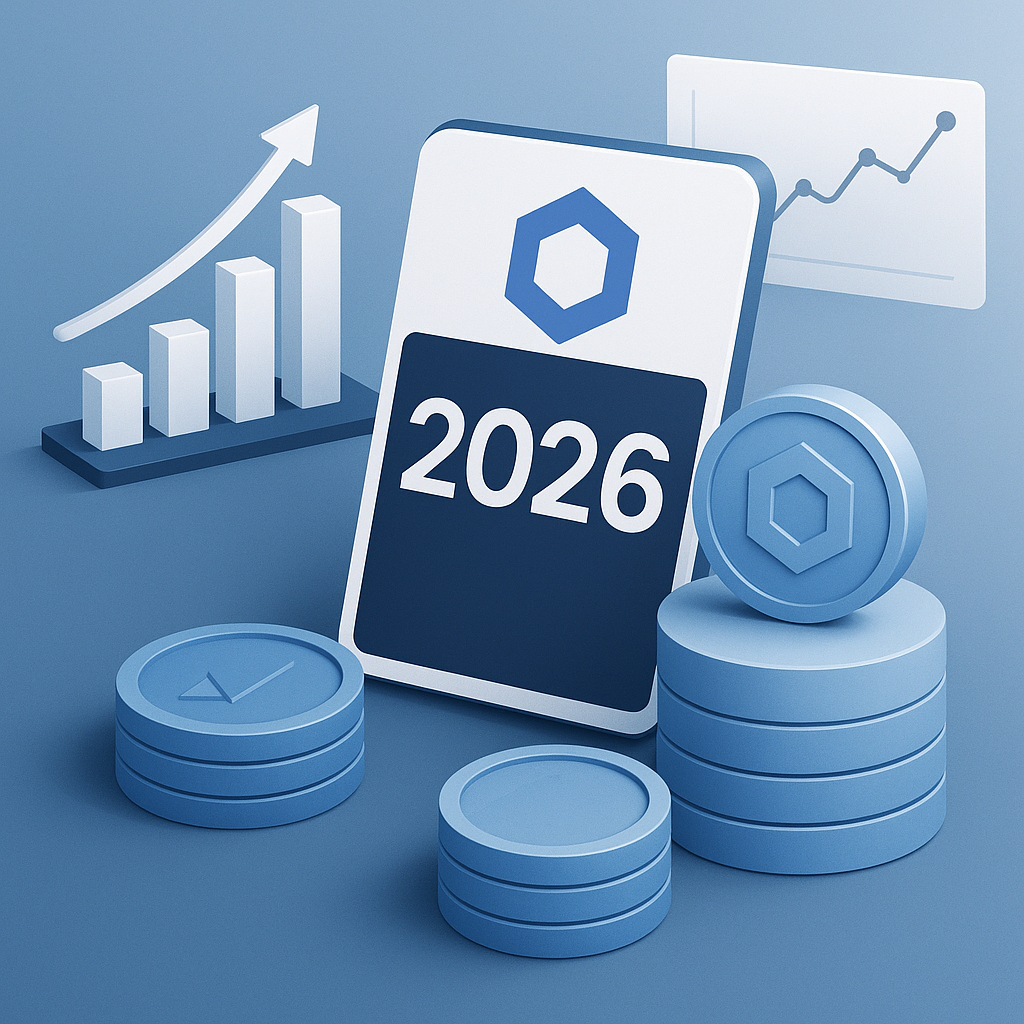
Chainlink has emerged as a cornerstone of the decentralized finance (DeFi) ecosystem, providing critical infrastructure for smart contracts across various blockchain platforms. Launched in 2017, Chainlink's innovative oracle network enables smart contracts to securely interact with real-world data, APIs, and payment systems, making it an indispensable tool for developers and businesses alike. As we look ahead to 2026, Chainlink's role in the blockchain landscape continues to expand, with increasing adoption and integration into numerous applications.
As of 2023, Chainlink is recognized as one of the leading projects in the blockchain space, boasting a robust market capitalization and a diverse range of partnerships. Its native cryptocurrency, LINK, serves as both a utility token for the network and an incentive for node operators who provide reliable data to smart contracts. The growing demand for decentralized oracles, particularly within the burgeoning DeFi sector, has propelled Chainlink's prominence, positioning it as a key player in the ongoing evolution of blockchain technology.
Chainlink's unique proposition lies in its ability to bridge the gap between on-chain and off-chain data, ensuring that smart contracts can execute based on accurate and timely information. This capability has opened up a plethora of use cases, from decentralized finance applications that require price feeds to insurance contracts that need real-world event data. As businesses and developers increasingly recognize the value of reliable data sources, Chainlink stands poised to capture a significant share of this burgeoning market.
Looking forward, Chainlink is actively working on enhancing its technology with initiatives like Cross-Chain Interoperability Protocol (CCIP) and advancements in staking mechanisms, which are set to further solidify its market position. The anticipated launch of staking in 2026 is particularly notable, as it will allow LINK holders to earn rewards by participating in the network's security and reliability. This evolution not only benefits investors but also strengthens the overall ecosystem, making Chainlink an exciting prospect for those looking to delve into the world of blockchain investments and staking.
Why Chainlink is a Promising Investment in 2026
As we look ahead to 2026, Chainlink continues to stand out as a pivotal player in the blockchain ecosystem, primarily due to its innovative approach to connecting smart contracts with real-world data. In an era where blockchain technology is becoming more integrated into mainstream applications, the demand for reliable and secure oracles is rapidly increasing. Chainlink's ability to provide tamper-proof data feeds is essential for enterprises that rely on accurate information to execute smart contracts seamlessly, thereby positioning it as a crucial infrastructure component in the decentralized finance (DeFi) landscape.
Moreover, Chainlink's commitment to expanding its offerings through partnerships and integrations enhances its value proposition. With collaborations across various sectors—including finance, insurance, and supply chain management—Chainlink is not only diversifying its use cases but also solidifying its reputation as the go-to oracle solution. This strategic expansion is anticipated to drive continued adoption, attracting both developers and enterprises looking to leverage blockchain technology without compromising on data quality or reliability.
In addition to its robust technological foundation, Chainlink is also making strides in the staking arena. With the launch of its staking mechanism, investors can earn rewards by participating in the network's security and reliability. This incentivizes holders to lock up their LINK tokens, potentially decreasing supply and increasing demand over time. As more users engage with the staking process, the attractiveness of Chainlink as an investment could see substantial growth, especially given the increasing interest in passive income strategies within the crypto space.
Furthermore, as the regulatory landscape around cryptocurrencies continues to evolve, Chainlink’s established position as a trusted oracle provider offers a competitive edge. By adhering to compliance standards and providing transparent data solutions, Chainlink is likely to foster greater confidence among institutional investors. As institutional adoption accelerates, Chainlink's value may rise significantly, making it a compelling investment option for those looking to capitalize on the future of decentralized applications and smart contracts.
Understanding Chainlink's Staking Mechanism
Chainlink's staking mechanism is an innovative approach designed to enhance the security and reliability of its decentralized oracle network. At its core, staking allows LINK token holders to lock up their tokens in exchange for rewards, thereby contributing to the overall health and functionality of the Chainlink ecosystem. This system not only incentivizes participation but also aligns the interests of stakers with the network's performance, fostering a more robust and resilient infrastructure.
In 2026, Chainlink's staking model is expected to play a critical role in its evolution, as it aims to ensure that oracles provide accurate and reliable data to smart contracts. By staking LINK tokens, participants take on a vested interest in the accuracy of the data provided by oracles, as their staked tokens can be at risk if the oracles fail to deliver correct information. This creates a financial incentive for node operators to maintain high standards of performance and integrity, thereby enhancing the overall trustworthiness of the network.
The staking process is designed to be user-friendly while maintaining robust security features. Participants can stake their LINK tokens through the Chainlink interface, where they will be able to choose the amount of tokens they wish to stake and the duration of the staking period. The rewards for staking are often distributed in LINK tokens, which can further compound the participant's investment over time. However, it is essential to understand that staking also involves risks, including potential market volatility and the possibility of slashing, where a portion of the staked tokens may be forfeited if the oracle fails to perform as expected.
As Chainlink continues to grow and attract more developers and projects, the staking mechanism is poised to become an essential feature for maintaining its competitive edge in the blockchain space. By incentivizing accurate data provision and ensuring that participants are actively engaged with the network, Chainlink's staking model is set to evolve alongside the platform, contributing to its long-term sustainability and success. The year 2026 may see further enhancements in this mechanism, including new reward structures and additional features that will empower LINK holders to maximize their returns while supporting the growth of the Chainlink ecosystem.
Analyzing the Risks and Rewards of Staking Chainlink
As the blockchain ecosystem evolves, so does the appeal of staking mechanisms, particularly for projects like Chainlink. Staking Chainlink (LINK) offers investors an opportunity to earn rewards while contributing to the network's security and efficiency. However, like any investment strategy, it comes with its own set of risks and rewards that potential stakers need to carefully consider.
One of the primary rewards of staking Chainlink is the potential for passive income. By locking up your LINK tokens in a staking pool, you can earn rewards in the form of additional LINK tokens. This creates a compounding effect over time, allowing your investment to grow without the need for active trading. Furthermore, as Chainlink's utility increases across various decentralized applications (dApps), the demand for LINK may rise, leading to appreciation in its value. This synergy between staking rewards and price appreciation can present a lucrative opportunity for investors willing to commit their tokens for the long term.
However, staking is not without its risks. The most significant risk is the potential for price volatility. The cryptocurrency market is known for its fluctuations, and the value of LINK can experience considerable swings. If the price were to drop significantly while your tokens are staked, you may find yourself in a situation where the losses outweigh the rewards earned from staking. Additionally, there is the risk of smart contract vulnerabilities. Although Chainlink has a strong reputation for security, no system is entirely immune to bugs or exploits, which could jeopardize your staked assets.
Moreover, the liquidity of your investment is another factor to consider. When you stake your LINK tokens, they are often locked for a predetermined period, meaning you cannot access them without incurring penalties. This lack of liquidity can be a disadvantage, particularly in a rapidly changing market where quick access to funds may be necessary. It's essential for investors to evaluate their risk tolerance and financial goals before committing to staking Chainlink. By understanding the balance of risks and rewards, you can make an informed decision that aligns with your investment strategy.
Comparative Analysis: Chainlink vs. Other Altcoins in 2026
As we venture into 2026, the cryptocurrency landscape is rapidly evolving, with numerous altcoins vying for investor attention and market dominance. Chainlink (LINK), known for its pioneering role in providing decentralized oracles, is poised to maintain its competitive edge. However, understanding how it stacks up against other altcoins is crucial for investors considering their staking options and long-term gains. In this comparative analysis, we will examine Chainlink's unique features, market position, and how it compares against notable contenders in the altcoin arena.
One of the key differentiators for Chainlink is its robust ecosystem, which integrates seamlessly with various blockchains and smart contracts. While other altcoins like Polkadot or Cardano focus on enhancing blockchain interoperability and scalability, Chainlink's primary function as a bridge between real-world data and blockchain applications sets it apart. As decentralized finance (DeFi) continues to grow, the demand for reliable data feeds—something Chainlink excels at—will likely bolster its value proposition. In 2026, we may see Chainlink further solidifying its partnerships across various sectors, from finance to supply chain management, enhancing its utility and market presence.
Furthermore, the staking mechanism introduced by Chainlink is anticipated to create a competitive advantage over other altcoins. Unlike many projects that offer passive rewards, Chainlink's staking model incentivizes users not only to hold their tokens but also to actively participate in securing the network. This could attract a more committed community of investors, leading to price stability and potentially higher returns as staking rewards become more attractive. In contrast, other altcoins may face challenges in retaining user engagement, especially if they do not evolve their staking strategies in response to market demands.
Lastly, regulatory developments and technological advancements will play a significant role in shaping the altcoin landscape by 2026. While Chainlink has established itself as a reputable project with compliance in mind, other altcoins might struggle with regulatory hurdles or technological limitations. As the market matures, Chainlink's proactive approach to governance and security may further distinguish it from competitors. Thus, for investors looking to diversify their portfolios, an informed understanding of how Chainlink compares to other altcoins is essential for making strategic decisions in the ever-changing crypto market.
Real-World Use Cases: Chainlink's Impact on DeFi and Beyond
As we look ahead to 2026, Chainlink's role in the decentralized finance (DeFi) ecosystem continues to expand, showcasing its potential to revolutionize various industries. One of the most significant contributions of Chainlink is its ability to provide reliable and tamper-proof data through decentralized oracles. These oracles serve as a bridge between blockchain networks and real-world data, enabling smart contracts to execute based on reliable information. This capability is paramount for DeFi applications, where accurate pricing and data feeds are crucial for the functioning of lending platforms, decentralized exchanges, and synthetic asset protocols.
For instance, in the realm of lending, platforms like Aave and Compound rely on Chainlink's price feeds to determine collateral values and ensure that loans are secure and liquid. By integrating Chainlink oracles, these platforms can minimize the risk of price manipulation, which has been a concern in the DeFi space. This not only enhances user trust but also contributes to the overall stability of the DeFi market. As more projects adopt Chainlink, we are likely to see an increase in the robustness and reliability of DeFi protocols, which can attract even more users and capital into the ecosystem.
Beyond DeFi, Chainlink's technology is making waves in sectors such as insurance, gaming, and supply chain management. For example, in the insurance industry, Chainlink can facilitate parametric insurance contracts that automatically trigger payouts based on real-world events, such as natural disasters or flight delays, utilizing data feeds from trusted sources. This not only streamlines claims processing but also opens the door for innovative insurance products that can cater to a wider audience.
In the gaming sector, Chainlink is enabling the creation of decentralized games that use verifiable randomness to enhance user experiences and fairness. By providing random number generation that is transparent and tamper-proof, developers can ensure that game outcomes are fair and cannot be manipulated. Similarly, in supply chain management, Chainlink can offer real-time tracking and verification of goods, ensuring transparency and trust throughout the supply chain process. As we move towards 2026, the diverse applications of Chainlink's technology are likely to transform industries, driving further adoption and innovation.
Best Practices for Staking Chainlink Effectively
Staking Chainlink can be a rewarding venture for investors looking to earn passive income while contributing to the network's security and reliability. However, to maximize your staking rewards and minimize risks, it's essential to follow some best practices. First and foremost, selecting a reputable and reliable node operator is crucial. The performance and reliability of the node directly affect your staking rewards. Take the time to research different operators, looking at their uptime, historical performance, and community feedback. Choosing a node with a proven track record of delivering consistent returns will enhance your staking experience.
Another best practice is to maintain an appropriate amount of LINK tokens in your staking wallet. While it might be tempting to stake a large portion of your holdings, it’s wise to keep some liquidity available for other potential investments or emergencies. A good rule of thumb is to stake only what you can afford to lock up for the duration of the staking period. This strategy not only mitigates risks but also ensures that you have enough flexibility to adapt to market changes.
Additionally, it's important to stay informed about the Chainlink ecosystem and any updates regarding staking mechanisms. The DeFi landscape is constantly evolving, and staying up-to-date with changes in protocol rules, rewards distribution, or node operator fees can provide you with a competitive edge. Engaging with the Chainlink community through forums, social media, and official announcements can give you insights into best practices and upcoming developments that may affect your staking strategy.
Finally, consider diversifying your staking approach. While Chainlink is a robust project, exploring additional staking opportunities in other reputable projects can help spread risk and potentially increase your overall yield. By diversifying your investments, you can cushion against any volatility within a single asset. In summary, effective staking of Chainlink involves selecting a reliable node, managing your asset allocation wisely, staying informed about the ecosystem, and considering diversification to enhance your staking rewards.
Conclusion: Making Informed Investment Decisions in 2026
As we look ahead to 2026, the landscape of blockchain technology and decentralized finance continues to evolve at an unprecedented pace. Chainlink has solidified its position as a leader in the decentralized oracle space, providing critical infrastructure that enables smart contracts to interact with real-world data. For investors considering Chainlink, understanding the platform's potential, market dynamics, and staking opportunities is essential for making informed decisions.
Investing in Chainlink requires a careful evaluation of its technological advancements and the broader market trends. In 2026, we anticipate that more industries will adopt blockchain technology, leading to increased demand for reliable data feeds provided by Chainlink. As smart contracts become integral to various sectors, including finance, healthcare, and supply chain management, the value proposition of Chainlink's oracles will only grow stronger. Investors should keep an eye on partnerships and integrations that enhance Chainlink's utility, as these developments can significantly impact its market performance.
Staking Chainlink tokens presents a unique opportunity for long-term investors to earn passive income while supporting the network's security and reliability. By locking up LINK tokens in a staking mechanism, investors not only contribute to the ecosystem but also align their interests with the platform's overall success. As staking mechanisms become more sophisticated and user-friendly, we expect a rise in participation, which could further bolster Chainlink's market position. However, it’s crucial for investors to assess their risk tolerance and understand the implications of staking, as it involves a commitment of capital and exposure to market volatility.
Ultimately, the key to successful investment in Chainlink—or any cryptocurrency—lies in thorough research and a sound strategy. Staying informed about technological updates, market trends, and regulatory changes will empower investors to make wise decisions. As the blockchain ecosystem matures, the opportunities for growth and innovation will expand, making it an exciting time to engage with Chainlink and explore its potential in the coming years. With careful planning and a proactive approach, investors can navigate the complexities of the cryptocurrency market and position themselves for success in 2026 and beyond.