Introduction: The Current State of the Dollar and Crypto Markets
The dollar has long been regarded as the world's primary reserve currency, influencing global trade and finance. However, recent economic fluctuations and geopolitical tensions have led to a noticeable weakening of the dollar. Factors such as inflation, shifts in monetary policy, and international trade dynamics have all contributed to this decline. As the dollar loses its strength, investors are increasingly turning to alternative assets, including cryptocurrencies, to hedge against potential losses.
The crypto market, characterized by its volatility and rapid evolution, has experienced significant growth during periods of dollar weakness. Many investors view cryptocurrencies as a safe haven, offering a hedge against inflation and currency devaluation. The decentralized nature of digital currencies allows them to operate independently of traditional financial systems, making them an attractive option for those looking to diversify their portfolios amid economic uncertainty.
In this context, the relationship between dollar weakness and crypto security becomes increasingly relevant. As more investors flock to digital assets, the security of these assets is paramount. Cyber threats, hacking incidents, and regulatory challenges pose significant risks to the integrity of crypto holdings. Understanding how dollar weakness influences these factors is crucial for investors and stakeholders in the crypto space, as it highlights the importance of robust security measures to protect against potential vulnerabilities.
As we delve deeper into the implications of dollar weakness on crypto security, it is essential to explore the underlying mechanisms driving these trends. By examining the historical context and current market dynamics, we can better understand how the interplay between fiat currency fluctuations and the evolving landscape of digital assets shapes the future of investment and security in the crypto realm.
Understanding Investor Sentiment: Insights from Recent Surveys
Investor sentiment plays a crucial role in the cryptocurrency market, particularly as it relates to the dynamics of dollar weakness. Recent surveys conducted among both institutional and retail investors have revealed a shift in attitudes towards risk and asset allocation, largely influenced by macroeconomic factors such as inflation and interest rates. As the dollar experiences weakness, many investors are increasingly seeking alternative assets, including cryptocurrencies, as a hedge against potential economic instability. Protecting your assets in 2026.
In a recent survey, over 60% of respondents indicated that they view cryptocurrencies as a viable option for diversifying their investment portfolios. This growing interest is particularly pronounced among younger investors, who are more inclined to embrace digital assets in light of the perceived risks associated with fiat currencies. The findings suggest that as the dollar weakens, investor confidence in traditional assets diminishes, prompting a shift towards the decentralized nature of cryptocurrencies.
Moreover, the surveys indicate that a significant portion of investors believes that crypto assets will outperform traditional investments in the coming years. Approximately 70% of those surveyed expressed optimism about the long-term growth potential of cryptocurrencies, especially in the face of ongoing economic uncertainty. This sense of optimism is bolstered by the belief that cryptocurrencies can provide a level of security and autonomy that fiat currencies cannot, particularly during times of dollar depreciation.
However, it's essential to note that while investor sentiment is shifting positively towards cryptocurrencies, there remains a degree of apprehension regarding the volatility and security risks associated with these digital assets. Many participants in the surveys cited concerns about regulatory developments and market manipulation as factors that could impact their investment decisions. As investors navigate this complex landscape, it becomes increasingly important for them to stay informed about both the potential rewards and the inherent risks of investing in cryptocurrencies amidst a backdrop of dollar weakness.
The Relationship Between Dollar Strength and Bitcoin Prices
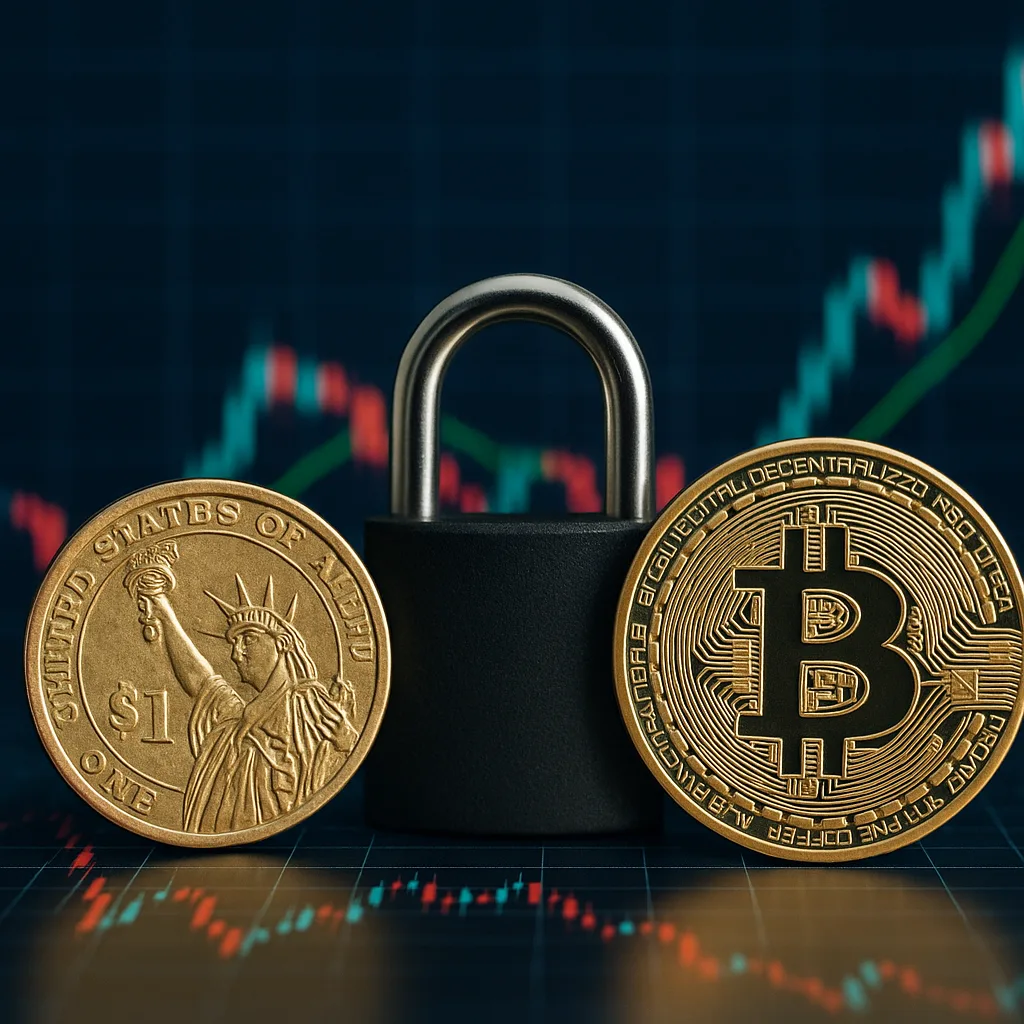
The relationship between the strength of the U.S. dollar and Bitcoin prices is a complex one, influenced by various macroeconomic factors. Generally, when the dollar is strong, it tends to weigh down the prices of cryptocurrencies, including Bitcoin. This inverse correlation can be attributed to several reasons, primarily investor behavior and market sentiment. When the dollar is robust, investors may feel less inclined to seek alternative assets like Bitcoin, viewing it as a riskier investment. What to do if a breach occurs.
Conversely, a weakened dollar often leads to an increase in Bitcoin prices. This phenomenon occurs as investors look for a hedge against inflation and currency devaluation. When the dollar loses value, it erodes purchasing power, prompting investors to turn to Bitcoin and other cryptocurrencies as a store of value. In such scenarios, the demand for Bitcoin rises, pushing its price upward. Thus, the dynamics of dollar strength and Bitcoin prices can often serve as indicators of broader economic trends.
Additionally, the Federal Reserve's monetary policies play a pivotal role in shaping the dollar's strength. When the Fed implements quantitative easing measures, flooding the market with liquidity, the dollar tends to weaken. This creates favorable conditions for Bitcoin as it becomes an attractive alternative asset. Investors often perceive cryptocurrencies as a hedge against the potential adverse effects of expansive monetary policies, which can lead to a surge in Bitcoin prices.
However, it is essential to recognize that the relationship between dollar strength and Bitcoin prices is not always straightforward. Various factors, including geopolitical events, technological advancements in the crypto space, and regulatory changes, can influence Bitcoin's price independently of the dollar's strength. Therefore, while it is crucial to monitor the dollar's performance, investors should also consider a myriad of other factors when evaluating Bitcoin's price movements. Understanding these relationships can better equip investors to navigate the complexities of the cryptocurrency market.
Security Implications of Dollar Weakness on Crypto Investments
The recent trends in dollar weakness have significant implications for the security of crypto investments. As the U.S. dollar depreciates, investors often seek alternative assets to preserve their wealth, leading to increased demand for cryptocurrencies. This surge in interest can create a volatile environment, which, while potentially lucrative, also raises several security concerns. As the crypto market becomes more attractive, it simultaneously becomes a target for malicious actors looking to exploit this heightened activity.
One of the primary security risks associated with a weakening dollar is the potential for increased phishing attacks and scams. As new investors flood into the cryptocurrency space, they may lack the experience necessary to navigate it safely. Cybercriminals are quick to capitalize on this vulnerability, deploying sophisticated phishing schemes that can lead to significant losses. Investors must remain vigilant and be educated about these risks to safeguard their assets, especially in a market that is already rife with volatility. Avoiding financial scams in crypto.
Additionally, dollar weakness can lead to increased regulatory scrutiny as governments and financial institutions seek to manage the economic implications of a depreciating currency. Changes in regulatory frameworks can create uncertainty in the crypto market, potentially leading to abrupt price swings and impacting the overall security of investments. Investors must stay informed about regulatory developments and adapt their strategies accordingly, as unexpected changes can expose them to new risks.
Moreover, the rise of decentralized finance (DeFi) platforms amidst a weakening dollar presents both opportunities and challenges. While DeFi can provide innovative solutions for investing and hedging against inflation, it also introduces unique security risks such as smart contract vulnerabilities and liquidity issues. Investors should conduct thorough due diligence on DeFi projects and understand the technologies they are engaging with, as the decentralized nature of these platforms can make them more susceptible to hacks and exploits.
Risk Management Strategies for Crypto Investors in a Bearish Dollar Environment
As investors navigate the complexities of a bearish dollar environment, it becomes essential to implement robust risk management strategies tailored to the unique characteristics of the cryptocurrency market. A declining dollar often leads to increased volatility in crypto prices, which can amplify both potential gains and losses. Therefore, understanding how to mitigate risks while capitalizing on market opportunities is crucial for any crypto investor.
One effective strategy is diversifying your crypto portfolio. By holding a mix of different cryptocurrencies, investors can spread their risk across various assets, thereby reducing the impact of a downturn in any single asset. This approach is particularly important in a bearish dollar scenario, where certain cryptocurrencies may respond differently to economic conditions. For example, while Bitcoin may serve as a hedge against inflation, other altcoins could experience varying levels of volatility and market sentiment. Diversifying not only cushions against losses but also positions investors to take advantage of potential gains across different segments of the crypto market.
Another important strategy is setting stop-loss orders. These automatic sell orders can be pre-set at specific price levels, allowing investors to limit their losses in the event of sudden market downturns. In a bearish dollar environment, where price swings can be pronounced, having a clear exit strategy can protect your investment from excessive declines. Additionally, it’s essential to regularly review and adjust these stop-loss levels based on market conditions and individual risk tolerance, ensuring that they remain effective as the market evolves.
Lastly, education and staying informed are vital components of effective risk management. Understanding macroeconomic indicators that influence the dollar can provide valuable insights into potential market movements. Investors should familiarize themselves with the correlation between dollar strength and crypto prices, as well as keep an eye on regulatory developments and global economic trends. By maintaining a proactive approach to education, investors can make more informed decisions, adapt their strategies as needed, and better navigate the uncertainties of a bearish dollar environment.
The Role of Altcoins in a Weak Dollar Scenario
In the current financial landscape, a weakening dollar can have profound implications not only for traditional markets but also for the realm of cryptocurrencies. As the dollar loses its purchasing power, investors often seek alternative assets to safeguard their wealth and hedge against inflation. This is where altcoins, or alternative cryptocurrencies to Bitcoin, come into play. Their decentralized nature, coupled with innovative technology, positions them as viable options for investors looking to diversify their portfolios during periods of dollar weakness.
Many altcoins offer unique value propositions that can appeal to different segments of investors. For instance, stablecoins, which are pegged to fiat currencies or commodities, have gained traction as they maintain price stability amidst market volatility. This stability can be particularly attractive when the dollar is weak, as it provides a way to preserve value without exposing assets to the fluctuations commonly associated with cryptocurrencies. On the other hand, altcoins like Ethereum, with their smart contract capabilities, offer investors opportunities for growth and development in decentralized finance (DeFi) and non-fungible tokens (NFTs), which can thrive in a less stable economic environment.
Moreover, the diversification that altcoins provide is essential during times of economic uncertainty. By investing in a range of altcoins, investors can mitigate risk. The performance of these cryptocurrencies can be less correlated with the dollar, and they may even benefit from the dollar's decline as investors look to move their assets into more resilient forms of currency. Additionally, as traditional fiat systems face challenges, altcoins may experience increased adoption, further enhancing their value and security in a weak dollar scenario.
However, while altcoins present opportunities, they also come with their own set of risks, including regulatory scrutiny and market volatility. Investors must conduct thorough research and risk assessments before diving into the altcoin market, especially during economic downturns. Understanding the underlying technology, use cases, and market sentiment surrounding each altcoin is crucial in making informed investment decisions. As the dollar continues to show signs of weakness, the role of altcoins becomes increasingly relevant, providing both opportunities and challenges in the quest for secure investments. ME price.
Future Trends: What to Expect in the Crypto Security Landscape
As the landscape of cryptocurrency continues to evolve, so too does the realm of security. With the increasing adoption of digital currencies by both retail and institutional investors, the need for robust security measures has never been more pressing. One key trend we can expect to see is the integration of advanced technologies such as artificial intelligence (AI) and machine learning (ML) into security protocols. These technologies will enable the detection of anomalies and potential threats in real-time, allowing for quicker responses to attempted breaches.
Moreover, as regulatory frameworks around cryptocurrencies become more defined, we can anticipate a greater emphasis on compliance and risk management. This will lead to the development of more sophisticated security solutions that not only protect digital assets but also adhere to regulatory requirements. Companies will likely invest in enhancing their security postures by implementing multi-factor authentication (MFA) systems, biometric verification, and end-to-end encryption techniques to safeguard user data and transactions.
Another trend on the horizon is the rise of decentralized security solutions. As the decentralized finance (DeFi) sector continues to grow, we may witness the emergence of new protocols that utilize blockchain technology to enhance security measures. These decentralized solutions can offer greater transparency and reduce the risk of single points of failure, which have been a critical vulnerability in traditional centralized systems. By leveraging smart contracts and decentralized identities, users may gain more control over their assets and personal information, further enhancing the overall security framework.
Finally, we can expect a shift in user awareness and education regarding crypto security. As incidents of hacks and scams become more widely reported, users will become increasingly vigilant about securing their digital assets. This heightened awareness will drive demand for educational resources and tools that empower individuals to take proactive measures in protecting their investments. In summary, the future of crypto security is poised for innovation, driven by technology advancements, regulatory developments, and a growing emphasis on user education and empowerment. Futures trading.
Conclusion: Navigating the Intersection of Currency and Digital Assets
As we navigate through an increasingly interconnected financial landscape, understanding the dynamics between traditional fiat currencies, like the US dollar, and emerging digital assets is crucial for both investors and everyday users. The current environment of dollar weakness presents both challenges and opportunities for the cryptocurrency market. As the dollar loses purchasing power, many investors are turning to cryptocurrencies as a hedge against inflation and currency devaluation. This shift underscores the need for a comprehensive understanding of how currency fluctuations can impact crypto security.
With the rise of digital assets, the security of these investments becomes paramount. The inherent volatility of cryptocurrencies can be exacerbated by the dollar's instability, making it essential for investors to adopt robust security measures. This includes using secure wallets, enabling two-factor authentication, and staying informed about the latest cybersecurity threats. As more individuals and institutions engage with cryptocurrencies, the potential for cyberattacks increases, necessitating a proactive approach to safeguarding digital assets.
Moreover, the regulatory landscape surrounding cryptocurrencies is rapidly evolving as governments respond to the challenges posed by dollar weakness and the increasing popularity of digital currencies. Investors must stay informed about potential regulations that could affect the security and legality of their investments. Understanding the implications of these regulations, along with the broader economic context, will empower investors to make informed decisions and navigate the complexities of the crypto market effectively.
In conclusion, as dollar weakness shapes the financial environment, the intersection of traditional currency and digital assets will continue to evolve. By prioritizing security and staying informed about market trends and regulatory changes, investors can better navigate this complex landscape. This proactive approach not only helps protect individual investments but also contributes to the overall stability and trustworthiness of the cryptocurrency ecosystem.