Introduction to Crypto Wallets
In the ever-evolving landscape of digital currencies, crypto wallets serve as the essential bridge between users and their assets. A crypto wallet is not merely a digital repository for cryptocurrencies; it's a sophisticated tool that allows users to send, receive, and manage their virtual currencies with varying degrees of security and control. Understanding the types of crypto wallets and their functionalities is crucial for anyone looking to navigate the world of cryptocurrencies effectively.
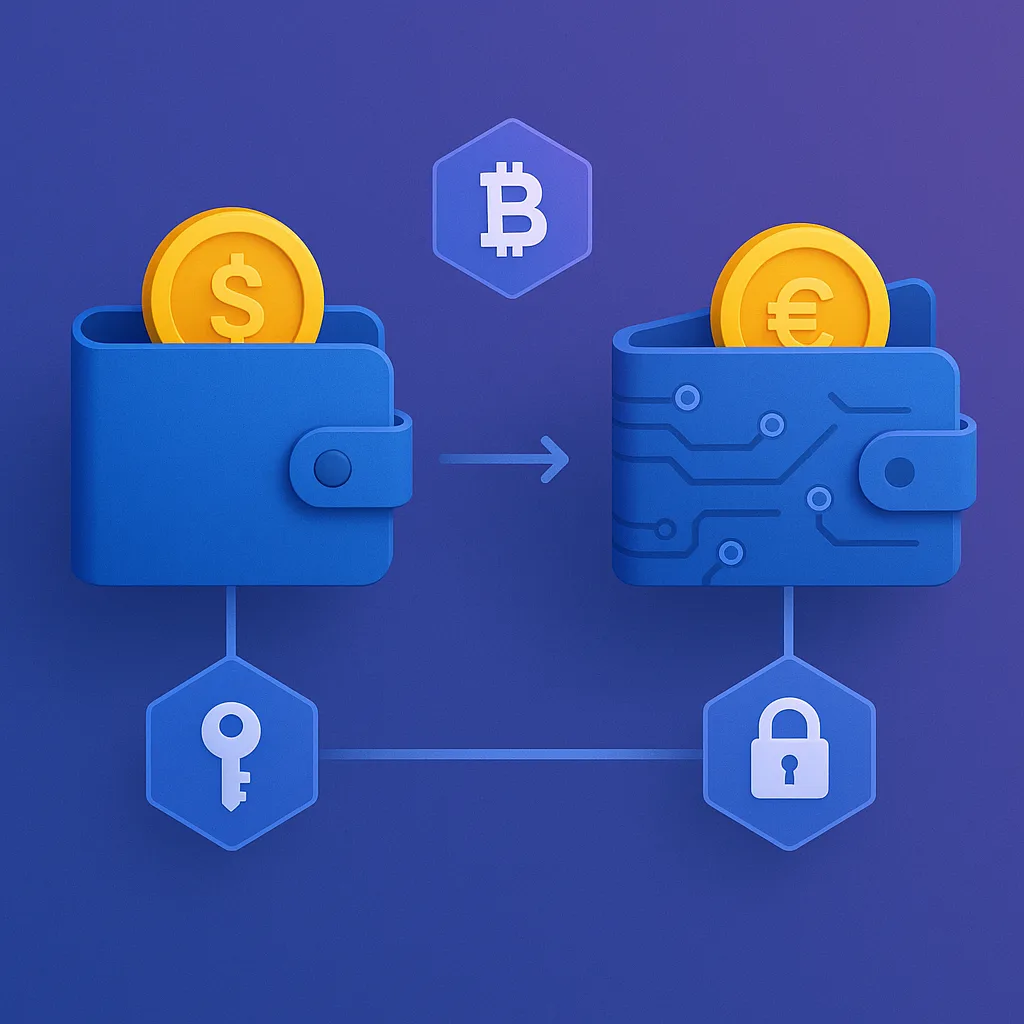
At the most basic level, crypto wallets can be categorized into two primary types: custodial and decentralized (or non-custodial). Custodial wallets are often provided by third-party platforms, where users entrust their private keys and assets to a service provider. This approach simplifies the user experience, as the wallet provider takes care of security and recovery solutions, making it an attractive option for newcomers to the crypto space. However, this convenience comes at a cost—users relinquish a degree of control over their funds and, in some cases, may be vulnerable to hacks or insolvency issues faced by the custodial service.
On the other hand, decentralized wallets empower users by allowing them to retain full control over their private keys and assets. These wallets operate on a peer-to-peer network, enabling users to transact directly with one another without the need for intermediaries. While this model enhances security and privacy, it also places the onus of responsibility squarely on the user. Individuals must be vigilant in safeguarding their private keys, as losing them could result in permanent loss of access to their cryptocurrencies.
The evolution of crypto wallets reflects the broader trends in the cryptocurrency market, highlighting the ongoing tension between convenience and control. As the ecosystem matures, users are increasingly faced with choices that align with their risk tolerance and technical proficiency. From the early days of simple web-based wallets to the sophisticated hardware solutions available today, understanding the nuances of each type of wallet is vital for anyone looking to engage with cryptocurrencies responsibly and effectively.
Custodial Wallets: Definition and Features
Custodial wallets are a type of cryptocurrency wallet where a third party holds and manages the private keys on behalf of the user. This means that users do not have direct control over their private keys, which can lead to both advantages and disadvantages. Typically, custodial wallets are provided by cryptocurrency exchanges or financial service platforms that facilitate the buying, selling, and trading of digital assets. Understanding decentralized exchanges.
One of the main features of custodial wallets is their user-friendly interface, making them accessible to beginners who may not be familiar with the complexities of cryptocurrency storage. Because the service provider manages the security and storage of the private keys, users can focus on trading and utilizing their cryptocurrencies without the burden of managing their own security measures. This convenience is particularly appealing to those who engage in frequent trading or are new to the crypto space.
However, the reliance on a third party also introduces certain risks. Since users do not have direct control over their private keys, they are vulnerable to hacks, exchange failures, or potential mismanagement by the service provider. If a custodial wallet provider experiences a security breach or goes bankrupt, users might lose access to their funds entirely. This has led to notable incidents in the past where users suffered significant losses due to the failure of custodial wallets.
Despite these risks, custodial wallets often provide features that enhance the user experience. Many offer integrated trading features, allowing users to easily convert between different cryptocurrencies without the need for external services. Additionally, custodial wallets often include customer support, which can be invaluable for users who encounter issues or have questions regarding their accounts. As the cryptocurrency landscape continues to evolve, custodial wallets remain a popular choice for many individuals seeking a straightforward and hassle-free way to manage their digital assets.
Decentralized Wallets: Empowering Users
Decentralized wallets have emerged as a revolutionary solution in the cryptocurrency landscape, providing users with greater control over their digital assets. Unlike custodial wallets, where a third-party service manages the private keys and the overall security of the wallet, decentralized wallets allow users to retain ownership of their private keys. This shift is significant, as it aligns with the core ethos of cryptocurrency: empowerment through decentralization. By managing their own keys, users can engage with their assets without relying on intermediaries, reducing the risk of hacks or mismanagement associated with third-party services. Liquidity pools in decentralized exchanges.
One of the most compelling features of decentralized wallets is the enhanced security they offer. Since users have complete control over their private keys, the risk of losing funds due to a compromised exchange or wallet service diminishes significantly. Decentralized wallets often utilize advanced encryption techniques and secure backup options, allowing users to safeguard their assets effectively. Additionally, with the rise of smart contracts and blockchain technology, many decentralized wallets now incorporate multi-signature functionalities, which further strengthen security by requiring multiple approvals for transactions, adding an extra layer of protection.
Moreover, decentralized wallets promote financial sovereignty and privacy. Users can transact directly with one another, bypassing the need for a centralized authority that may impose restrictions or surveillance. This feature is particularly appealing to users in jurisdictions where access to financial services is limited or where governmental controls are stringent. By facilitating peer-to-peer transactions, decentralized wallets foster a global financial ecosystem that prioritizes user autonomy and freedom, allowing individuals to engage in commerce without fear of censorship or interference.
However, the transition to decentralized wallets is not without its challenges. Users must be more vigilant about securing their private keys, as losing access to them can result in the permanent loss of assets. Additionally, the user experience of decentralized wallets can sometimes be less intuitive compared to custodial options, which may deter newcomers to the crypto space. Nevertheless, as technology continues to advance and user education improves, decentralized wallets are poised to redefine the way we think about ownership and control in the digital economy, paving the way for a more inclusive financial future.
Security Considerations: Custodial vs Decentralized
As the cryptocurrency landscape continues to evolve, understanding the security implications of custodial and decentralized wallets is paramount for users. Custodial wallets, which are often provided by exchanges and third-party services, place the responsibility of managing private keys in the hands of a centralized entity. This can be convenient; however, it also introduces potential vulnerabilities. If a custodial wallet provider is compromised, user funds are at risk, and there is limited recourse for recovery. Additionally, custodial wallets may be subject to regulatory scrutiny, which could impact access to funds or result in enforced compliance measures.
On the other hand, decentralized wallets empower users by allowing them to maintain full control over their private keys. This self-custody approach significantly reduces the risk of hacks at a centralized point, as each user is responsible for their own security. However, this increased autonomy comes with its own set of challenges. Users must be diligent in safeguarding their private keys and recovery phrases, as losing this information can mean permanent loss of access to their funds. Furthermore, decentralized wallets often require users to have a deeper understanding of cryptocurrency technology, which can be a barrier for newcomers. Deep dive into Ethereum ecosystem.
In addition to the risks associated with key management, it’s important to consider the security features offered by different wallet types. Many custodial wallets implement multi-signature technology, two-factor authentication, and other security protocols to protect user assets. Yet, these features can sometimes give a false sense of security. Users may believe that their funds are completely safe because they’re with a trusted service, but in reality, they are still susceptible to various attack vectors, such as phishing schemes aimed at stealing login credentials.
Decentralized wallets, while offering greater control, can vary widely in terms of security implementation. Some wallets may be equipped with advanced encryption, while others might lack robust protective measures. Users must do their due diligence to choose a wallet that meets their security needs. Ultimately, whether opting for a custodial or decentralized wallet, the key takeaway is that security in the cryptocurrency realm is a shared responsibility. Users must stay informed and proactive in safeguarding their assets, understanding that the evolving landscape requires continuous education and vigilance.
User Experience and Accessibility in Wallets
The evolution of crypto wallets has significantly altered the landscape of user experience and accessibility in the cryptocurrency realm. Initially, custodial wallets dominated the market, providing convenience for users who preferred a hands-off approach. These wallets allowed users to store their cryptocurrencies with third-party providers, thereby simplifying the process of managing private keys and facilitating transactions. However, this model came with inherent risks, including dependency on the service provider and potential vulnerabilities to hacks or service outages.
As the crypto space matured, the demand for more control and security grew, leading to the rise of non-custodial wallets. These wallets empower users by enabling them to manage their own private keys and, consequently, their funds. While this shift has enhanced security and autonomy, it has also introduced complexities that can be daunting for less tech-savvy individuals. The challenge for developers has been to create wallets that maintain the advantages of decentralization while ensuring user-friendliness and accessibility.
Today, many projects are focusing on user experience (UX) design, striving to bridge the gap between advanced technology and everyday usability. Wallet interfaces are becoming more intuitive, with features like simplified onboarding processes, guided setups, and educational resources aimed at demystifying the use of cryptocurrencies. This focus on UX has been crucial in attracting a broader audience beyond just crypto enthusiasts, making it easier for newcomers to enter the space without feeling overwhelmed. Trade ADA/USDT.
Accessibility also extends to the diverse range of devices and platforms that wallets now support. From mobile applications to web-based interfaces, users can manage their cryptocurrencies from virtually anywhere. Moreover, innovative solutions such as hardware wallets provide an extra layer of security while still being accessible. As the crypto landscape continues to evolve, the emphasis on user experience and accessibility will remain a critical factor in fostering mass adoption and ensuring that individuals feel empowered to participate in the digital economy.
The Role of Wallets in DeFi and NFTs
As the landscape of cryptocurrency continues to evolve, decentralized finance (DeFi) and non-fungible tokens (NFTs) have emerged as two of the most transformative innovations in the blockchain space. At the core of these developments are crypto wallets, which facilitate user interaction with these decentralized ecosystems. Unlike traditional financial systems that rely on intermediaries, DeFi operates on the principles of transparency and accessibility, enabling users to lend, borrow, and trade assets without the need for a central authority. This shift has placed an even greater emphasis on the security and functionality of crypto wallets.
In the world of DeFi, wallets serve as gateways for users to access a variety of decentralized applications (dApps). These wallets allow users to manage their digital assets and interact seamlessly with smart contracts—automated agreements coded on the blockchain. For instance, when a user wants to lend their cryptocurrency for interest, they can do so directly through their wallet, connecting to a lending platform without needing to go through a bank or centralized exchange. This direct access not only empowers users but also enhances the overall efficiency of transactions, minimizing costs and reducing reliance on third-party services.
Similarly, NFTs have revolutionized the way we perceive ownership and value in the digital realm. Crypto wallets play a vital role in the creation, buying, selling, and storing of NFTs. When an artist mints an NFT, it is stored in a wallet, which serves as both a digital safe and a means of provenance. For collectors, wallets provide a unique opportunity to own and showcase their digital art or collectibles securely. The rise of NFTs has led to a new wave of wallet development, with many platforms now offering specialized features tailored for NFT management, such as the ability to display artwork or track rarity and market value.
Moreover, the integration of wallets with DeFi and NFT platforms has opened up new avenues for innovation. Wallets are evolving to include built-in exchanges, lending features, and enhanced security protocols, making it easier for users to navigate the complex world of digital assets. As the demand for DeFi solutions and NFT marketplaces continues to grow, the role of crypto wallets will remain central to ensuring user empowerment, security, and accessibility in this dynamic ecosystem. The evolution of wallets is not just about technology; it's about creating a more inclusive financial system that empowers individuals around the globe. WMTX price.
Future Trends in Crypto Wallet Development
As the cryptocurrency landscape continues to evolve, so too will the technology behind crypto wallets. One of the most significant trends on the horizon is the integration of advanced security features. With the rise of hacking incidents and security breaches, wallet developers are increasingly prioritizing user security. Multi-signature wallets, biometric authentication, and hardware wallet integration are becoming commonplace, providing users with peace of mind as they navigate the digital currency space. As wallets become more advanced, the importance of user education will also grow, ensuring that even the most novice users can protect their assets.
Another key trend is the growing emphasis on interoperability. As the number of cryptocurrencies and blockchain networks continues to expand, users are seeking wallets that can seamlessly manage multiple digital assets across various platforms. This need for interoperability is driving developers to create wallets that support diverse tokens and blockchain protocols, enabling users to transact without the hassle of switching between different applications. The future of crypto wallets will likely see a shift toward universal wallets that not only hold multiple assets but also facilitate cross-chain transactions.
Moreover, the rise of decentralized finance (DeFi) is profoundly impacting wallet development. With DeFi protocols gaining traction, wallets that can easily interact with decentralized applications (dApps) are becoming increasingly valuable. Developers are focusing on creating wallets that provide users with direct access to DeFi platforms, enabling them to lend, borrow, and earn interest on their crypto holdings without relying on intermediaries. This trend not only enhances user experience but also promotes the underlying ethos of decentralization that governs the crypto space.
Finally, the user experience (UX) will be a focal point in the evolution of crypto wallets. As more mainstream users enter the crypto market, there will be an increasing demand for intuitive and user-friendly interfaces. Developers will need to prioritize simplicity and accessibility, ensuring that wallets cater to users of all skill levels. This could involve the implementation of guided onboarding processes, simplified navigation, and enhanced customer support to assist users in their crypto journey. As the crypto ecosystem matures, the wallets that prioritize user-centric design will likely emerge as leaders in the market. Markets.
Conclusion: Choosing the Right Wallet for You
As the cryptocurrency landscape continues to evolve, so too do the options available for storing and managing your digital assets. With a plethora of wallets to choose from, understanding the differences between custodial and decentralized wallets becomes crucial for any investor or enthusiast. The right wallet for you will largely depend on your individual needs, preferences, and level of experience in the crypto space.
For those who prioritize convenience and ease of use, custodial wallets may be the ideal choice. These wallets, typically offered by exchanges and other crypto service providers, take the burden of security and private key management off your shoulders. They often come equipped with user-friendly interfaces, making them suitable for beginners and casual users. However, this convenience comes at a cost; by entrusting your assets to a third party, you also relinquish a degree of control and security over your holdings.
On the other hand, if you value privacy, security, and complete control over your funds, a decentralized wallet may be more aligned with your goals. These wallets allow you to manage your private keys, giving you full ownership of your assets. While the learning curve may be steeper and the responsibility for security lies solely with you, many users appreciate the peace of mind that comes with knowing they are not reliant on a third party. Additionally, decentralized wallets often offer features that enhance privacy and anonymity, which can be appealing for those concerned about surveillance or data breaches.
Ultimately, the choice between custodial and decentralized wallets is not a one-size-fits-all decision. It’s essential to assess your own risk tolerance, technical expertise, and how you plan to use your cryptocurrency. If you are a long-term holder, a decentralized wallet might be the safest option. Conversely, if you are a trader or someone who frequently interacts with the crypto market, a custodial wallet could provide the speed and accessibility you need. In any case, always ensure that whichever wallet you choose is reputable, secure, and suitable for your specific use case.