Introduction to Ripple and Its Importance in the Crypto Market
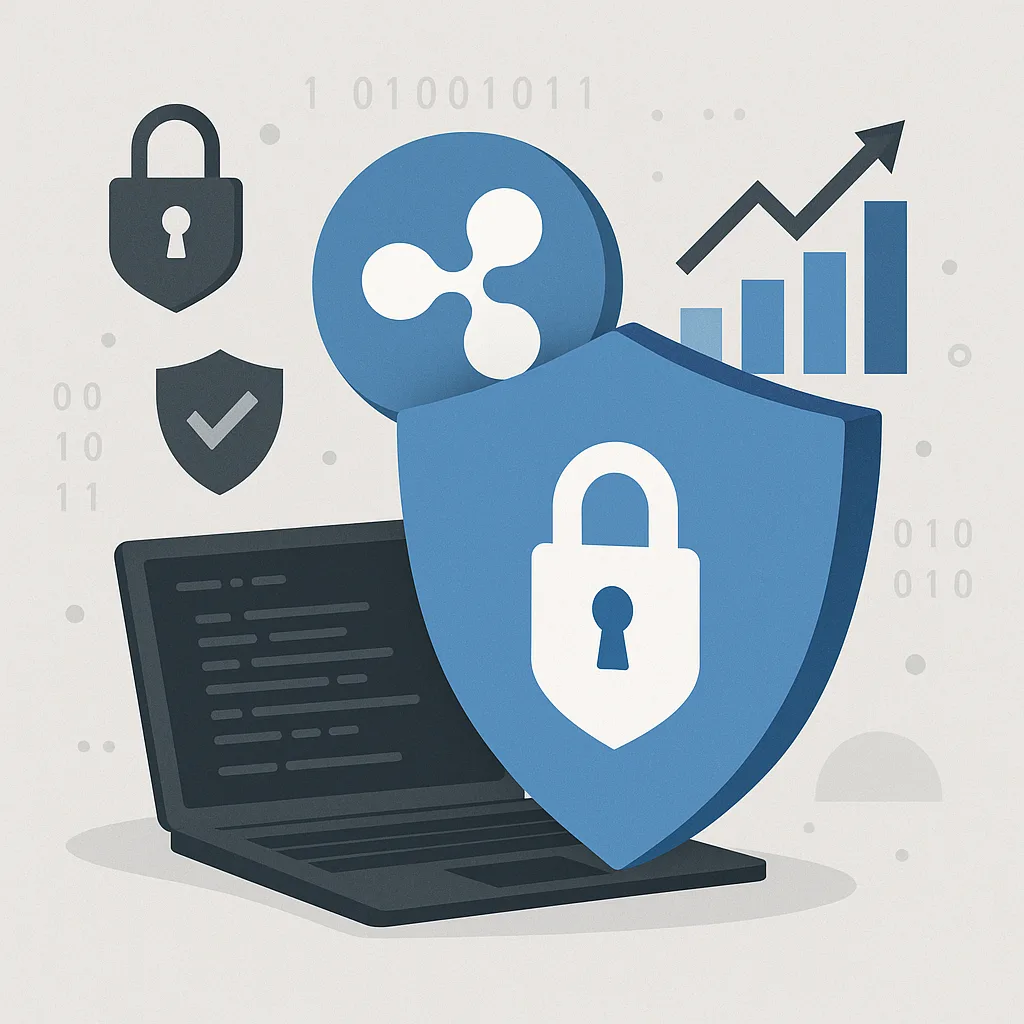
Ripple, a technology platform that facilitates real-time cross-border payments, has emerged as a vital player in the cryptocurrency ecosystem. Founded in 2012, Ripple's primary goal is to enable seamless financial transactions across borders, eliminating the traditional barriers posed by banks and financial institutions. Its unique consensus ledger and innovative use of blockchain technology have made it a preferred choice for banks and payment providers seeking to improve the efficiency of their cross-border payment systems.
The importance of Ripple in the crypto market can be attributed to its ability to offer a solution to one of the most significant challenges faced by the global financial system: the slow and costly nature of international money transfers. Traditional methods often involve numerous intermediaries, leading to delays and increased transaction fees. Ripple's decentralized network allows for instantaneous transfers with minimal fees, making it an attractive alternative for financial institutions looking to streamline their operations.
Additionally, Ripple has forged partnerships with numerous banks and financial organizations worldwide, further solidifying its standing within the market. These collaborations not only enhance Ripple's credibility but also contribute to a growing network effect, where the value of the platform increases as more institutions adopt it. As a result, Ripple is not just a cryptocurrency but a robust financial infrastructure that has the potential to reshape global payments.
Despite its promise, the Ripple ecosystem faces various security challenges that require careful attention. With the increasing adoption of digital currencies and blockchain technology, the risk of cyber threats is higher than ever. Therefore, understanding the security landscape surrounding Ripple and implementing best practices is crucial for users and organizations participating in this innovative financial ecosystem. In the following sections, we will explore essential strategies to ensure security within the Ripple ecosystem, enabling users to engage confidently in this transformative space. Best practices for safeguarding assets.
Understanding Common Security Risks in Ripple Transactions
As digital currencies and blockchain technologies continue to evolve, so do the security risks associated with them. Ripple, known for its fast and low-cost international transactions, is not immune to these vulnerabilities. Understanding these risks is crucial for users, businesses, and developers involved in the Ripple ecosystem. This knowledge helps in implementing appropriate security measures and safeguarding against potential threats.
One of the primary concerns in Ripple transactions is the risk of fraud and phishing attacks. Cybercriminals often deploy sophisticated tactics to deceive individuals into providing their private keys or sensitive information. Common methods include fake websites that mimic legitimate Ripple services and phishing emails that appear to be from trusted sources. As a result, users must remain vigilant and ensure they are interacting with verified platforms when conducting transactions.
Another significant risk in the Ripple ecosystem is the potential for transaction tampering. Although Ripple's underlying technology is designed to be secure, vulnerabilities can arise from poor implementation or weaknesses in the user’s infrastructure. If an attacker gains access to a user’s wallet or transaction details, they can potentially alter transaction data, leading to financial loss. It is vital for users to employ strong security practices, such as using multi-signature wallets and regularly updating their software, to mitigate these risks.
Additionally, regulatory compliance poses a security risk for Ripple users. As governments around the world continue to develop frameworks for cryptocurrencies, the legal landscape is rapidly changing. Non-compliance with local regulations can lead to severe penalties, including fines and restrictions on transactions. Consequently, individuals and businesses must stay informed about the regulatory environment in their jurisdictions to ensure they are not inadvertently violating any laws while using Ripple. Essential security measures for exchanges.
Best Practices for Securing Your Ripple Wallet
In the fast-evolving landscape of cryptocurrencies, securing your digital assets is paramount, and Ripple (XRP) is no exception. With its unique technology and growing adoption, ensuring the safety of your Ripple wallet should be a top priority. One of the first steps in safeguarding your wallet is choosing the right type of wallet. There are several options available, including hardware wallets, software wallets, and paper wallets. Hardware wallets, such as Ledger or Trezor, provide an offline storage solution that is less vulnerable to hacking attempts. On the other hand, software wallets, which can be mobile or desktop-based, offer convenience but require diligent security practices.
After selecting the appropriate wallet, the next step is to implement strong password management. Use a complex and unique password for your wallet, ideally consisting of a combination of upper and lower case letters, numbers, and special characters. Avoid using easily guessable information, such as birthdays or common words. Additionally, consider using a password manager to help you store and generate secure passwords. Enabling two-factor authentication (2FA) adds an extra layer of security, making it significantly harder for unauthorized users to access your funds.
Backing up your wallet is another crucial practice to protect your assets. Regularly create backups of your wallet's private keys and recovery phrases, and store these backups in secure locations, such as encrypted USB drives or secure cloud storage services. Remember that losing access to your private keys means losing access to your Ripple funds permanently. Furthermore, be cautious about sharing your wallet information; never disclose your private keys to anyone, as this can lead to theft of your assets.
Finally, staying informed about the latest security threats and updates within the Ripple ecosystem is essential. Regularly check for software updates for your wallet and the Ripple network to ensure that you are protected against known vulnerabilities. Following community forums and news sources can also provide insights into potential scams and security breaches. By adopting these best practices, you can significantly enhance the security of your Ripple wallet and protect your investments. Pre-transaction security checklist.
Two-Factor Authentication: A Crucial Layer of Security
In the ever-evolving landscape of digital currencies and blockchain technology, ensuring the security of your assets is paramount. One of the most effective measures to enhance your security posture is the implementation of Two-Factor Authentication (2FA). This additional layer of security requires users to provide two distinct forms of identification before gaining access to their accounts or executing transactions. By combining something you know, such as a password, with something you have, like a mobile device or hardware token, 2FA significantly reduces the risk of unauthorized access.
When utilizing Ripple or any other cryptocurrency platform, enabling 2FA should be one of the first steps you take to secure your account. Most reputable exchanges and wallets offer 2FA as a standard feature, allowing you to link your account with an authentication app, such as Google Authenticator or Authy. These applications generate time-based one-time passwords (TOTPs) that are required during the login process. Even if a malicious actor manages to steal your password, they would still need access to your authentication device to complete the login, thus thwarting their attempts.
It is also important to note that 2FA is not foolproof and should be part of a broader security strategy. Users should remain vigilant and adopt additional practices such as using strong, unique passwords, regularly updating them, and being cautious of phishing attempts. For instance, if you receive unsolicited messages prompting you to verify your account details or enter your 2FA code, it is crucial to verify the legitimacy of the request before acting. Cybercriminals often employ social engineering tactics to trick users into giving away sensitive information.
Furthermore, some platforms provide alternative methods of 2FA, including biometric authentication methods like fingerprint scans or facial recognition. While these are generally considered secure, they may not be available on all devices or platforms. Regardless of the method chosen, implementing Two-Factor Authentication is a simple yet effective way to bolster your security in the Ripple ecosystem and protect your investments from potential threats. Remember, the more layers of security you have, the harder it becomes for attackers to gain access to your assets.
Keeping Your Private Keys Safe: Tips and Tools
In the world of cryptocurrency, private keys are the most critical element of security. They are essentially the password to your digital wallet, granting access to your funds. If someone gains access to your private keys, they can easily steal your assets without any recourse. Therefore, it is imperative to take robust measures to safeguard these keys. One of the most effective strategies is to use hardware wallets, which store your private keys offline, away from the reach of potential online threats. Devices like Ledger and Trezor are popular choices among cryptocurrency users for their security features and reliability. Trade LTC/USDT.
Another crucial aspect of keeping your private keys safe is ensuring that they are not stored in plaintext on your devices. Instead, consider using password managers that offer encryption to securely store your keys. This adds an additional layer of protection, making it significantly harder for hackers to access your information. Additionally, always enable two-factor authentication (2FA) on your accounts when possible. This extra step of security can thwart unauthorized access attempts, even if your password is compromised.
Regularly updating your software is also vital in maintaining the security of your private keys. Cryptographic vulnerabilities can be discovered over time, and developers often release patches to address these issues. Always ensure that your wallet software, operating system, and any security applications are up to date. Furthermore, be cautious when using public Wi-Fi networks. Avoid accessing your crypto accounts on unsecured networks, as they can be breeding grounds for hackers looking to intercept your data.
Education also plays a significant role in securing your private keys. Stay informed about the latest security threats and best practices within the Ripple ecosystem. Join online forums or communities where you can learn from the experiences of others and share insights. Ultimately, the responsibility for keeping your private keys safe lies with you. By implementing these tips and employing the right tools, you can significantly reduce the risk of losing your assets and ensure a secure experience within the Ripple ecosystem.
The Role of Exchanges in Ripple Security
Exchanges play a crucial role in the security of the Ripple ecosystem, acting as the primary interface through which users buy, sell, and trade XRP. As custodians of large amounts of digital assets, exchanges must implement robust security measures to protect their platforms from potential threats. This responsibility extends beyond merely securing their own systems; exchanges must also educate their users about best practices for safeguarding their accounts and assets. AERO price.
One of the most critical security measures that exchanges can adopt is the implementation of multi-factor authentication (MFA). By requiring users to provide additional verification beyond just passwords—such as a code sent to their mobile devices or biometric verification—exchanges can significantly reduce the risk of unauthorized access. Furthermore, exchanges should encourage users to utilize strong, unique passwords and to change them regularly. By fostering a culture of security awareness, exchanges can help mitigate risks associated with user negligence.
In addition to user education and MFA, exchanges must invest in advanced security technologies to protect their platforms from cyber attacks. This includes employing encryption protocols to secure data transmission, conducting regular security audits, and utilizing intrusion detection systems to identify potential threats in real-time. By prioritizing these security measures, exchanges can enhance their overall security posture and instill confidence in their users, making them more likely to engage with the platform.
Another important aspect of exchange security in the Ripple ecosystem is the practice of cold storage. Keeping the majority of user funds in cold wallets—offline and disconnected from the internet—can greatly reduce the risk of theft from hacking attempts. While exchanges must maintain enough liquidity in hot wallets to facilitate regular trading activities, effective cold storage strategies can ensure that the bulk of users' assets remain secure. By transparently communicating their security practices and emphasizing their commitment to safeguarding user assets, exchanges can foster trust and promote a more secure Ripple ecosystem.
Conclusion: Building a Secure Future in the Ripple Ecosystem
As the Ripple ecosystem continues to evolve and gain traction within the financial sector, ensuring robust security measures becomes paramount. The decentralized nature of Ripple’s technology, coupled with its focus on real-time cross-border payments, presents unique challenges and opportunities for security practitioners. By adhering to best practices outlined in this blog, stakeholders can significantly mitigate risks while fostering a secure environment for all participants in the ecosystem. Markets.
One of the fundamental aspects of building a secure future in the Ripple ecosystem involves continuous education and awareness. Stakeholders—including developers, financial institutions, and users—should be well-versed in the latest security threats and vulnerabilities that can affect digital assets. Regular training sessions and workshops can help keep everyone informed about the evolving landscape of cybersecurity, allowing them to recognize potential threats and respond effectively. Additionally, maintaining open lines of communication within the community can facilitate the sharing of knowledge and experiences, further strengthening the overall security posture.
Furthermore, implementing a multi-layered security strategy is essential for protecting assets within the Ripple ecosystem. This includes employing advanced encryption techniques, securing private keys, and utilizing multi-factor authentication wherever possible. By establishing a comprehensive security framework, users can defend against unauthorized access and ensure that their transactions remain confidential and secure. Regular audits and assessments of security protocols can also help identify areas for improvement, allowing stakeholders to adjust their strategies as necessary to stay ahead of potential threats.
Finally, collaboration among various stakeholders is vital for fostering a secure Ripple environment. By working together, financial institutions, developers, and regulatory bodies can create and adhere to industry standards that promote security and trust. This collective approach not only helps to strengthen individual organizations but also enhances the resilience of the entire Ripple ecosystem. As we move forward, embracing a culture of security and vigilance will be key to ensuring the long-term success and sustainability of Ripple’s innovative payment solutions.