Introduction to Litecoin: A Brief Overview
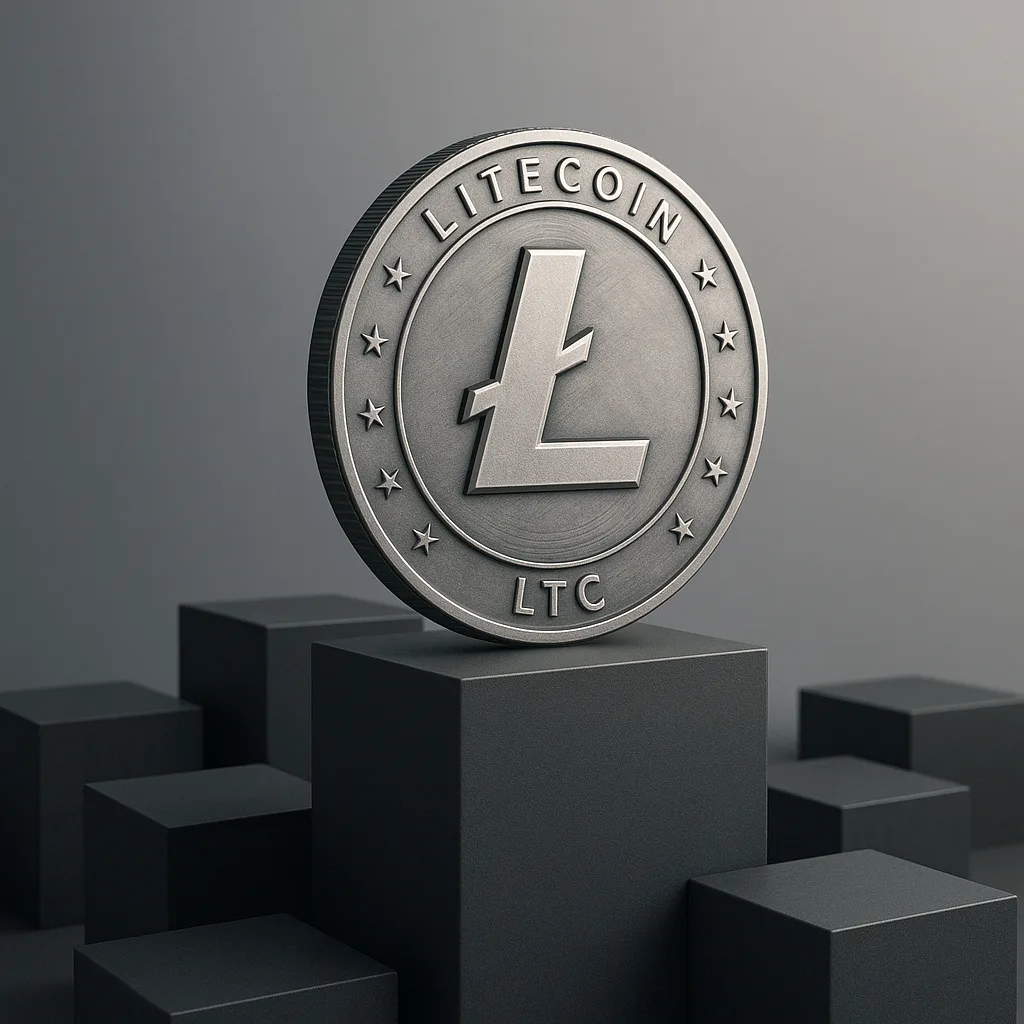
Litecoin, often referred to as the silver to Bitcoin's gold, has established itself as one of the most prominent cryptocurrencies since its inception in 2011. Created by Charlie Lee, a former Google engineer, Litecoin was designed to be a lighter and faster alternative to Bitcoin, addressing some of the challenges faced by the original cryptocurrency. Utilizing a modified version of the Bitcoin protocol, Litecoin facilitates quicker transaction times and a different hashing algorithm, making it an attractive option for both casual users and investors alike.
One of the key differentiators of Litecoin is its block generation time. While Bitcoin processes a new block approximately every ten minutes, Litecoin achieves this feat roughly every two and a half minutes. This faster transaction confirmation allows for quicker payments and can accommodate a higher volume of transactions in a shorter time frame. Additionally, Litecoin employs the Scrypt hashing algorithm instead of Bitcoin's SHA-256, which was a strategic move aimed at making mining more accessible to a broader audience, particularly those using consumer-grade hardware.
Over the years, Litecoin has gained significant traction and garnered a dedicated following within the cryptocurrency community. It has consistently ranked among the top cryptocurrencies by market capitalization, demonstrating its resilience and adaptability in a rapidly evolving digital landscape. Litecoin has also been a testing ground for various technologies that later found their way to Bitcoin, such as the implementation of Segregated Witness (SegWit) and the Lightning Network, which enhance transaction speed and scalability.
As the cryptocurrency market continues to mature, Litecoin remains a critical player in the ongoing evolution of digital currencies. Its commitment to innovation and a focus on user-friendly features position it as a reliable option for those looking to explore the world of cryptocurrencies. With the increasing adoption of blockchain technology and the rise of decentralized finance (DeFi), Litecoin's role in shaping the future of digital payments and transactions will undoubtedly continue to be significant.
The Technology Behind Litecoin: How It Works
Litecoin, created by Charlie Lee in 2011, is often referred to as the silver to Bitcoin's gold. This comparison stems not only from its role as a digital currency but also from its underlying technology, which shares many similarities with Bitcoin while also introducing key differences that enhance its functionality. At its core, Litecoin operates on a decentralized network that utilizes blockchain technology, allowing for peer-to-peer transactions without the need for intermediaries. This innovation ensures that users can send and receive funds quickly and securely. A deep dive into Litecoin.
One of the most significant technological differences between Litecoin and Bitcoin is the hashing algorithm used for mining. While Bitcoin employs the SHA-256 algorithm, Litecoin utilizes the Scrypt algorithm. This choice has important implications for the mining process. Scrypt is designed to be memory-intensive, which makes it more resistant to specialized hardware known as ASICs (Application-Specific Integrated Circuits). This means that Litecoin mining can be more accessible to average users, allowing a wider range of people to participate in the network and contribute to its security.
Another critical aspect of Litecoin's technology is its block generation time. Litecoin's blockchain produces a new block approximately every 2.5 minutes, compared to Bitcoin's 10-minute block time. This quicker block generation leads to faster transaction confirmations, making Litecoin a more suitable option for everyday transactions where speed is essential. The reduced waiting time not only enhances user experience but also helps to alleviate transaction congestion during peak times.
Litecoin also has a capped supply of 84 million coins, which is four times that of Bitcoin's 21 million. This finite supply adds an additional layer of scarcity, potentially driving value as demand increases. Furthermore, Litecoin employs a system of periodic halving events, which reduce the rewards given to miners over time, mirroring Bitcoin's halving mechanism. This design creates an economic model that can help maintain Litecoin's value over the long term, even as it continues to evolve alongside the broader cryptocurrency landscape.
Litecoin vs. Bitcoin: Key Differences and Advantages
As two of the most prominent cryptocurrencies in the market, Litecoin and Bitcoin often find themselves compared and contrasted in terms of their technology, transaction speed, and overall utility. While both coins share a common origin in the underlying blockchain technology, they have evolved to serve different purposes within the crypto ecosystem. Understanding these key differences is essential for anyone looking to invest or utilize these digital assets effectively. Guide to investing in Litecoin.
One of the most significant differences between Litecoin and Bitcoin is their transaction speed and confirmation times. Litecoin was designed with the intention of processing transactions more quickly than Bitcoin. While Bitcoin transactions typically take about 10 minutes to confirm, Litecoin can confirm transactions in roughly 2.5 minutes. This faster transaction time makes Litecoin an appealing option for those who require quick and efficient transfers, particularly for smaller transactions that may not justify the longer wait times associated with Bitcoin.
Another area where Litecoin distinguishes itself is through its mining algorithm. Litecoin uses the Scrypt algorithm, which is memory-intensive and more accessible to everyday miners, as opposed to Bitcoin's SHA-256 algorithm. This difference has led to a more decentralized mining community for Litecoin, reducing the dominance of mining pools that can sometimes monopolize Bitcoin mining. The Scrypt algorithm allows users with standard hardware to participate in the mining process, making it easier for individuals to engage with Litecoin compared to Bitcoin.
Moreover, Litecoin has a higher total supply compared to Bitcoin, with a cap of 84 million coins compared to Bitcoin's 21 million. This larger supply can lead to lower transaction fees and increased accessibility for users. As Litecoin continues to grow and develop, its potential for adoption in everyday transactions is becoming more evident, positioning it as a practical alternative to Bitcoin in various scenarios. Additionally, Litecoin has begun to incorporate innovative features such as the Lightning Network, which facilitates instant transactions and further enhances its usability.
Use Cases: Where Litecoin Shines in Real-World Applications
Litecoin, often dubbed the silver to Bitcoin's gold, has established itself as a prominent player in the cryptocurrency sphere, mainly thanks to its unique features and wide-ranging use cases. One of the most compelling aspects of Litecoin is its speed and efficiency in transaction processing. With an average block generation time of just 2.5 minutes—compared to Bitcoin's 10 minutes—Litecoin is particularly well-suited for everyday transactions. This rapid confirmation time makes it a popular choice for merchants looking to accept cryptocurrency as a form of payment, as it significantly reduces the wait time for transaction confirmations.
Moreover, Litecoin's low transaction fees contribute to its appeal for microtransactions and small payments. As cryptocurrencies continue to gain traction among users and businesses, the ability to conduct quick and inexpensive transactions becomes increasingly vital. Litecoin's scalability and cost-effectiveness allow it to cater to a wide variety of users, from individual consumers making small purchases to businesses looking to incorporate crypto payments into their existing systems. Exploring the evolving crypto landscape.
Another area where Litecoin shines is in cross-border payments. Traditional international transfers can be slow and expensive, with high fees and long processing times. Litecoin, however, allows for near-instantaneous transfers across borders, bypassing the complexities of traditional banking systems. This feature is especially beneficial for unbanked populations or those in regions with limited access to financial services. By facilitating easier access to global markets, Litecoin empowers individuals and businesses alike, fostering economic inclusion and growth.
Additionally, Litecoin has begun to explore the potential of smart contracts and decentralized applications (dApps), which could further expand its utility. As developers continue to innovate, the integration of Litecoin into various platforms and services could enhance its functionality and broaden its use cases. Whether it’s for peer-to-peer payments, remittances, or as a tool for business transactions, Litecoin is positioned to play a critical role in the evolving landscape of cryptocurrency. Its versatility and strong community support ensure that Litecoin will remain relevant as the crypto ecosystem continues to mature.
Market Performance: Analyzing Litecoin's Historical Trends
Litecoin, often referred to as the silver to Bitcoin's gold, has carved out a significant niche within the cryptocurrency market since its inception in 2011. Its historical performance showcases a distinctive trajectory marked by periods of substantial growth, volatility, and resilience. The coin's journey began with an initial value of just a few cents, but by the end of 2013, Litecoin had surged to over $40, driven by early adopters and a growing interest in cryptocurrency. This initial price spike laid the groundwork for what would become a rollercoaster ride of price fluctuations.
Throughout its history, Litecoin has experienced several notable peaks and troughs. The most significant rally occurred in late 2017, coinciding with the broader cryptocurrency boom that saw Bitcoin reach its all-time high. Litecoin's value skyrocketed to nearly $400 during this period, marking a staggering increase that captured the attention of investors and analysts alike. This surge was attributed to various factors, including increased media coverage, institutional interest, and the implementation of the Segregated Witness (SegWit) upgrade, which improved transaction efficiency.
However, like many cryptocurrencies, Litecoin has also faced severe corrections. Following the 2017 peak, the market experienced a dramatic downturn, leading Litecoin's price to plummet by over 80% in 2018. This decline prompted a reevaluation of market dynamics and highlighted the inherent volatility of cryptocurrencies. Yet, Litecoin demonstrated remarkable resilience, managing to reclaim a portion of its value by 2020 as the market began to recover. This period also saw Litecoin adopting new features, such as the Mimblewimble privacy protocol, which aimed to enhance its utility and appeal.
In more recent years, Litecoin's market performance has continued to reflect the broader trends within the cryptocurrency space. As institutional adoption grows and regulatory clarity improves, Litecoin has positioned itself as a reliable option for both investors and users. While it may not boast the same market share as Bitcoin, its historical trends indicate that Litecoin remains a formidable player in the crypto ecosystem. Understanding these historical performance trends is essential for anyone looking to navigate the future of Litecoin amidst the ever-evolving landscape of digital currencies.
The Role of Litecoin in the Broader Crypto Ecosystem
Litecoin, often referred to as the silver to Bitcoin's gold, occupies a unique and essential position in the cryptocurrency landscape. Created in 2011 by Charlie Lee, Litecoin was designed to improve upon Bitcoin's flaws, primarily focusing on transaction speed and fee efficiency. Its underlying technology, which is a fork of Bitcoin's code, allows for quicker block generation times and a different hashing algorithm, making it more accessible for miners. This foundational structure has allowed Litecoin to foster a robust and dedicated community that continually pushes for innovation and adoption.
One of the most significant contributions of Litecoin to the crypto ecosystem is its role as a testing ground for new technologies. For instance, Litecoin was one of the first cryptocurrencies to adopt the Segregated Witness (SegWit) protocol, which separates signature data from transaction data to enhance block capacity and efficiency. This move not only demonstrated the practical benefits of SegWit but also paved the way for Bitcoin to implement similar upgrades. As the crypto market evolves, Litecoin remains a valuable testbed for ideas that can be scaled to larger networks, fostering an environment of collaboration and improvement within the broader blockchain community.
Furthermore, Litecoin serves as a bridge for users who are new to cryptocurrencies. Its lower transaction fees and faster confirmation times make it an attractive option for everyday transactions, whether for small purchases or remittances. As a result, Litecoin has been adopted by various merchants and payment platforms, providing an accessible entry point for individuals hesitant to dive into the more volatile and complex world of cryptocurrencies. This usability not only enhances Litecoin's appeal but also contributes to the overall growth of the crypto ecosystem by attracting new users and investors.
In addition, Litecoin's commitment to maintaining a steady development pace and its focus on user experience have solidified its reputation as a reliable cryptocurrency. While some digital assets are plagued by frequent changes and uncertainties, Litecoin has maintained a consistent roadmap, prioritizing enhancements that align with user needs and market demands. This steadfast approach has allowed Litecoin to endure market fluctuations and maintain its position as one of the top cryptocurrencies by market capitalization, demonstrating its resilience and importance in the evolving crypto landscape. FLOKI price.
Future Prospects: What Lies Ahead for Litecoin
As we navigate the ever-evolving landscape of cryptocurrency, Litecoin stands out as a formidable contender with a unique blend of innovation and stability. Originally created as a ‘lighter’ version of Bitcoin, it has consistently adapted to market trends and user needs. Looking ahead, several factors could significantly shape Litecoin's trajectory, including technological advancements, regulatory developments, and its evolving role within the broader crypto ecosystem.
One of the most exciting prospects for Litecoin is its ongoing commitment to technological innovation. The recent integration of the Lightning Network—a second-layer scaling solution—has the potential to enhance transaction speeds and reduce fees, making Litecoin not only a store of value but also a practical medium for everyday transactions. As more merchants begin to accept Litecoin for payments, its utility could increase, driving further adoption and validation of its use case. Additionally, ongoing collaborations and partnerships within the tech community may lead to even more enhancements, positioning Litecoin as a leader in the race toward blockchain efficiency.
Regulatory clarity is another key factor that will shape Litecoin's future. As governments worldwide continue to grapple with how to approach cryptocurrencies, a more defined regulatory framework could either bolster confidence in Litecoin or present challenges. In a scenario where regulations are favorable, Litecoin could see increased institutional investment, further legitimizing its status within the crypto market. Conversely, stringent regulations could hinder its growth, emphasizing the need for proactive engagement from the Litecoin community to navigate these complexities.
Lastly, the increasing focus on sustainability within the cryptocurrency space could play a pivotal role in Litecoin's evolution. As concerns about energy consumption and environmental impact grow, Litecoin's proof-of-work model may come under scrutiny. However, its comparatively lower energy requirements compared to Bitcoin could become a unique selling point, appealing to eco-conscious investors and users alike. As the conversation around sustainable crypto practices intensifies, Litecoin may leverage its inherent advantages to enhance its reputation and attract a broader audience. Markets.
Conclusion: Litecoin's Place in the Crypto Future
As we stand on the brink of a new era in cryptocurrency, Litecoin emerges as a steadfast contender. With its inception in 2011, Litecoin has not only survived the tumultuous waves of market volatility but has also adapted and evolved alongside the rapidly changing landscape of digital currencies. Its foundational technology, drawing inspiration from Bitcoin, has laid the groundwork for a versatile and efficient alternative that continues to garner interest from both investors and developers alike.
Looking ahead, Litecoin's commitment to innovation is evident in its ongoing upgrades and integrations. The implementation of the Lightning Network has positioned Litecoin as a front-runner in the race for scalable solutions, allowing for faster transactions and lower fees. Such enhancements are crucial as cryptocurrencies strive to achieve mainstream adoption, where speed and efficiency are paramount. Furthermore, Litecoin's compatibility with Bitcoin's network and its role as a 'testbed' for Bitcoin technologies offer significant advantages, enabling it to contribute meaningfully to the broader crypto ecosystem.
Moreover, Litecoin's community-driven approach plays a vital role in its longevity. The active involvement of developers and users fosters a collaborative environment that encourages continuous improvement and innovation. This community spirit not only enhances the platform's resilience but also helps to build trust and credibility. As regulatory scrutiny increases in the crypto space, Litecoin's transparent governance and commitment to compliance can serve as a model for other cryptocurrencies, helping to pave the way for a more secure and regulated environment.
In conclusion, Litecoin's journey is far from over. As it continues to evolve, its foundational strengths—speed, security, and community engagement—position it favorably in the competitive landscape of cryptocurrencies. While the future of digital currencies remains uncertain, Litecoin's adaptability and innovation ensure that it will remain a significant player in the ongoing evolution of the crypto world. As we look to the future, Litecoin stands not just as a digital currency but as a symbol of resilience and progress in the ever-changing realm of finance.