Introduction to Litecoin and Its Market Position
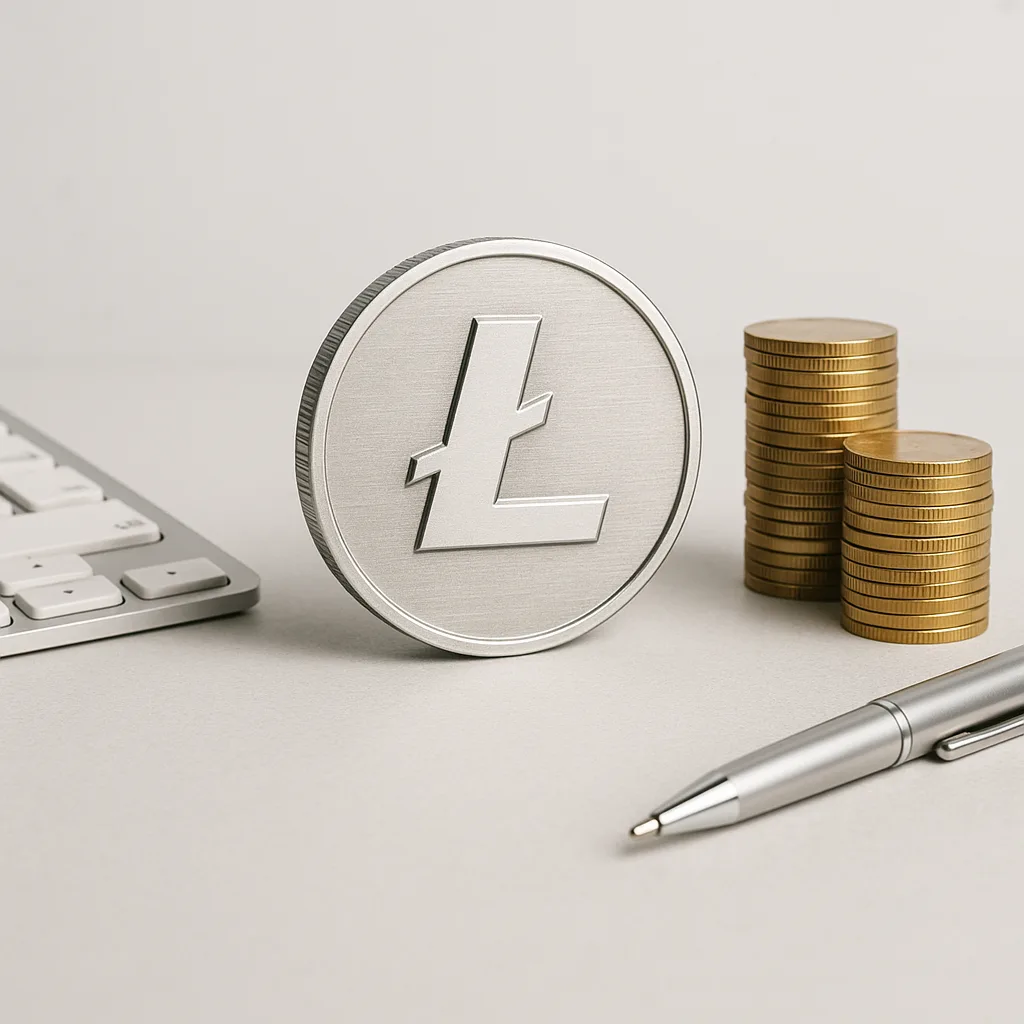
Litecoin, often referred to as the "silver" to Bitcoin's "gold," was created in 2011 by Charlie Lee, a former Google engineer. It was designed to address some of the limitations of Bitcoin, such as transaction speed and cost, making it a favored choice among users who appreciate efficiency in their cryptocurrency transactions. With a maximum supply of 84 million coins, Litecoin offers a fourfold increase in coin availability compared to Bitcoin's 21 million cap. This characteristic, coupled with its faster block generation time of 2.5 minutes, allows Litecoin to process transactions more quickly, making it a more practical choice for everyday transactions.
Over the years, Litecoin has established itself as one of the leading cryptocurrencies in the market. It consistently ranks among the top ten cryptocurrencies by market capitalization, showcasing its resilience and widespread adoption. Litecoin's market position is further strengthened by its active development community, which continuously works on improvements and updates. Notably, Litecoin was one of the first cryptocurrencies to adopt the Segregated Witness (SegWit) technology, which enhances transaction efficiency and paves the way for future scalability. This commitment to technological advancement has kept Litecoin relevant in an ever-evolving cryptocurrency landscape.
Despite the competitive nature of the cryptocurrency market, Litecoin has managed to maintain a loyal user base and attract new investors. Its reputation as a stable and reliable alternative to Bitcoin contributes to its steady market performance. Moreover, an increasing number of merchants are beginning to accept Litecoin as a form of payment, further solidifying its position as a viable cryptocurrency for everyday use. With the rise of decentralized finance (DeFi) and non-fungible tokens (NFTs), Litecoin is also exploring partnerships and integrations that could expand its utility beyond simple transactions.
As investors look for diversification in their cryptocurrency portfolios, Litecoin presents an attractive option. Its established history, proven technology, and strong market presence make it a cryptocurrency worth considering for both new and seasoned investors. In the following sections of this guide, we will delve deeper into staking Litecoin, exploring the benefits, processes, and strategies that can help maximize your investment in this dynamic asset.
Understanding the Technology Behind Litecoin
Litecoin, often referred to as the silver to Bitcoin's gold, is a peer-to-peer cryptocurrency that was created by Charlie Lee in 2011. It is based on the Bitcoin protocol but with several key differences that set it apart. One of the most significant distinctions is the hashing algorithm used in Litecoin, which employs Scrypt instead of Bitcoin's SHA-256. This choice was made to allow for easier mining and to encourage more decentralized mining practices, as Scrypt requires more memory and is therefore less susceptible to ASIC (Application-Specific Integrated Circuit) mining dominance. Guide to crypto staking.
The block generation time for Litecoin is another notable feature. Litecoin creates blocks approximately every 2.5 minutes, compared to Bitcoin's 10 minutes. This faster transaction time allows for quicker confirmations and a more efficient transaction process, making Litecoin an appealing option for transactions and everyday use. Additionally, Litecoin has a capped supply of 84 million coins, which is four times that of Bitcoin, further influencing its market dynamics and appeal as a digital currency.
Litecoin also incorporates Segregated Witness (SegWit), a protocol upgrade that separates transaction signatures from the transaction data. This innovation increases the block size limit, allowing for more transactions to be processed within each block while also reducing transaction fees. The adoption of SegWit has contributed to the scalability and efficiency of Litecoin, making it a more practical choice for users looking to transact swiftly and cost-effectively.
Furthermore, the Litecoin network is secured through a mechanism called Proof of Work (PoW), similar to Bitcoin. Miners validate transactions and add them to the blockchain by solving complex cryptographic puzzles. The difficulty of these puzzles adjusts approximately every two weeks, ensuring that blocks continue to be mined at a steady rate. This system not only ensures the integrity of the network but also incentivizes miners through block rewards and transaction fees, maintaining a healthy ecosystem for Litecoin.
Investment Potential: Analyzing Litecoin's Growth
Litecoin, often referred to as the silver to Bitcoin's gold, has carved out a significant niche in the cryptocurrency market since its inception in 2011. Its faster transaction times and lower fees have made it a popular choice among users and investors alike. Over the years, Litecoin has experienced notable price fluctuations that reflect both market sentiment and broader economic conditions. While past performance is not always indicative of future results, analyzing Litecoin's growth trajectory can provide valuable insights into its potential as an investment. Guide to investment and staking.
One of the key factors contributing to Litecoin's investment potential is its robust underlying technology. Built on a similar framework as Bitcoin, Litecoin benefits from the same principles of decentralization and security. However, its unique features, such as the Scrypt hashing algorithm, allow for quicker transaction confirmations, making it more user-friendly for everyday transactions. This technological advantage could position Litecoin favorably in a market increasingly focused on speed and efficiency, attracting more users and, consequently, investors.
Additionally, Litecoin has established itself as a reliable alternative to Bitcoin, often acting as a testing ground for new innovations. For instance, the implementation of the Lightning Network on Litecoin has showcased its ability to adapt and evolve, further enhancing its utility. Such developments not only bolster investor confidence but also enhance Litecoin's reputation as a serious contender in the cryptocurrency space. As more businesses begin to accept Litecoin for payments, its real-world application could drive demand and positively influence its market value.
Moreover, the growing interest in cryptocurrency staking offers another layer of investment potential for Litecoin. As staking becomes more mainstream, investors are increasingly looking for opportunities to earn rewards on their holdings. Litecoin's transition towards a more sustainable and eco-friendly model could attract environmentally conscious investors, further expanding its user base. By understanding the dynamics of Litecoin's growth and the factors influencing its price, investors can make informed decisions about their staking strategies and overall investment approach, positioning themselves to capitalize on future developments in the cryptocurrency market.
Staking Explained: What It Means for Litecoin Holders
Staking is a process that allows cryptocurrency holders to participate in the network's operations by locking up their coins to support blockchain activities such as transaction validation and block creation. While Litecoin (LTC) primarily operates on a proof-of-work (PoW) consensus mechanism, which requires miners to validate transactions, the concept of staking has become increasingly popular in the crypto space, particularly with the rise of proof-of-stake (PoS) networks. Although Litecoin itself does not support staking in the traditional sense, understanding the principles behind staking can provide valuable insights for LTC holders looking to optimize their investment strategy.
For Litecoin holders, the notion of staking can manifest in various forms, especially when considering alternative platforms that offer staking services for other cryptocurrencies. Many investors choose to convert their LTC into cryptocurrencies that support PoS mechanisms, allowing them to earn rewards by staking those assets. This shift not only diversifies their portfolio but also enables them to earn passive income through staking rewards, which can be particularly appealing in a market characterized by volatility. Comprehensive trading guide for Litecoin.
Additionally, some platforms and wallets may offer features that resemble staking, such as yield farming or liquidity provision, where holders can lend their assets to others in exchange for interest or rewards. These options can provide LTC holders with potential income streams while still maintaining exposure to the value of Litecoin. However, it is crucial for investors to conduct thorough research and understand the risks involved in these alternative staking-like strategies, as they can vary significantly in terms of security and returns.
In summary, while Litecoin itself is not a staking coin, understanding the staking process and exploring related opportunities can enhance an investor's overall strategy. By diversifying into staking-compatible assets or utilizing platforms that offer similar services, Litecoin holders can not only safeguard their investments but also generate additional income, ultimately maximizing their gains in the dynamic cryptocurrency landscape.
Strategies for Investing in Litecoin
Investing in Litecoin can be both exciting and rewarding, especially when you adopt the right strategies tailored to your financial goals. One of the most effective approaches is dollar-cost averaging (DCA). This strategy involves regularly investing a fixed dollar amount into Litecoin, regardless of its price fluctuations. By spreading out your investments over time, you can reduce the impact of volatility and avoid the pitfalls of trying to time the market. DCA allows you to accumulate Litecoin gradually, which can be particularly beneficial in a market as dynamic as cryptocurrency.
Another important strategy is conducting thorough research before making any investment. Understanding the fundamentals of Litecoin, including its technology, use cases, and competitive positioning in the cryptocurrency space, can significantly influence your investment decisions. Keeping abreast of market trends, regulatory developments, and technological advancements will empower you to make informed choices. Analyzing historical price movements and market sentiment can also provide insights into potential future performance.
Risk management is crucial in any investment strategy, and Litecoin is no exception. Setting clear investment goals and defining your risk tolerance can help you navigate the inherent volatility of cryptocurrencies. Consider employing stop-loss orders to limit potential losses and take-profit orders to secure gains when certain price targets are reached. Diversifying your portfolio by investing in a mix of cryptocurrencies and traditional assets can also help mitigate risk while providing exposure to potential growth opportunities.
Lastly, consider the timing of your investments. While long-term holding is often recommended in the cryptocurrency market, being aware of market cycles can enhance your investment strategy. Pay attention to seasonal patterns and major events within the crypto ecosystem that could influence Litecoin’s price. Engaging with the community through forums and social media can also provide valuable insights and sentiment analysis, helping you make more strategic decisions.
Staking Litecoin: Benefits and Risks
Staking Litecoin offers several advantages that can make it an attractive option for investors looking to earn passive income. One of the primary benefits of staking is the potential for consistent returns. When you stake your Litecoin, you essentially lock up your assets in a network wallet, which helps to support network operations and security. In return, stakers are rewarded with additional Litecoin, creating a stream of income that can compound over time. This can be particularly appealing in a market where traditional savings accounts offer minimal interest rates.
Another significant benefit is the reduced volatility associated with staking compared to trading. When you stake your Litecoin, you are less likely to be swayed by short-term price fluctuations. This can provide a sense of stability and peace of mind, especially during periods of market turbulence. Furthermore, staking can foster a sense of community, as it often involves participating in the governance of the network, allowing you to vote on proposals and help shape the future of the asset.
However, staking Litecoin is not without its risks. One of the primary concerns is the potential for loss due to market volatility. While staking can provide returns, the underlying value of Litecoin can fluctuate significantly, leading to potential losses that may outweigh the rewards earned through staking. Additionally, there is the risk of network-related issues, such as technical problems or vulnerabilities that could affect the security of your staked assets.
Another risk to consider is the liquidity of your staked Litecoin. When you stake your assets, they are typically locked up for a certain period, which means you may not be able to access them immediately if you need to liquidate your position. This lack of liquidity can be a disadvantage in a rapidly changing market where timely decisions are crucial. Lastly, it’s essential to understand the specific staking requirements and conditions of the platform you choose, as these can vary widely and impact your overall experience and returns. WBTC price.
Market Trends: Litecoin's Role in the Crypto Ecosystem
As the cryptocurrency landscape continues to evolve, Litecoin (LTC) has carved out a significant niche within the broader ecosystem. Launched in 2011 by Charlie Lee, Litecoin was designed to improve upon Bitcoin by offering faster transaction times and a different hashing algorithm. Over the years, Litecoin has maintained its status as one of the top cryptocurrencies by market capitalization, demonstrating resilience and adaptability in the face of changing market dynamics.
One of the key trends influencing Litecoin's role in the crypto ecosystem is the growing interest in digital currencies as a hedge against inflation. With traditional fiat currencies facing devaluation risks due to expansive monetary policies, many investors are turning to cryptocurrencies. Litecoin, often dubbed the 'silver to Bitcoin's gold,' is seen as a more accessible entry point for new investors. Its lower price point compared to Bitcoin, combined with its established presence in the market, makes it an attractive option for those looking to diversify their crypto portfolios.
Additionally, Litecoin's emphasis on transaction speed and efficiency plays a crucial role in its utility. With an average block generation time of just 2.5 minutes, Litecoin facilitates faster transactions than Bitcoin, which can take 10 minutes or longer. This efficiency has made Litecoin a popular choice for merchants and consumers alike, particularly in the realm of everyday transactions. As more businesses begin to accept Litecoin as a payment option, demand for the coin may rise, further solidifying its position in the market.
Moreover, the recent integration of privacy features, such as the Mimblewimble protocol, has enhanced Litecoin's appeal to users seeking enhanced transaction confidentiality. As concerns about data privacy and security grow in the digital age, Litecoin's commitment to evolving its technology may attract a new wave of investors who prioritize privacy. Overall, as market trends continue to shift, Litecoin's adaptability and focus on user experience will likely play a pivotal role in its ongoing relevance within the cryptocurrency ecosystem. Markets.
Conclusion: Making Informed Decisions in Litecoin Investment
Investing in Litecoin can be a rewarding venture, but like any investment, it comes with its own set of risks and challenges. As you navigate the world of cryptocurrency, it's essential to conduct thorough research and remain informed about market trends and technological developments. Understanding the fundamentals of Litecoin, including its unique features and the potential advantages of staking, can significantly enhance your investment strategy.
One of the key aspects of investing in Litecoin is recognizing the importance of diversification. While Litecoin has shown promise as a viable alternative to Bitcoin and other cryptocurrencies, it's crucial to avoid putting all your funds into a single asset. By diversifying your portfolio, you can mitigate risks and increase your chances of achieving favorable returns. Consider allocating a portion of your investment to other cryptocurrencies or traditional assets to create a balanced and resilient portfolio.
Moreover, staying updated on regulatory changes and market sentiment is vital for making informed decisions. The cryptocurrency landscape is constantly evolving, and factors such as government regulations, technological advancements, and macroeconomic trends can significantly impact the value of Litecoin. Engaging with communities, following reputable news sources, and analyzing market data can provide valuable insights that inform your investment choices.
Lastly, remember that investing in cryptocurrencies requires a long-term perspective. While the appeal of quick profits can be enticing, the most successful investors often adopt a patient, strategic approach. By focusing on the long-term potential of Litecoin and maintaining a disciplined investment strategy, you can navigate the volatility of the market and work towards achieving your financial goals. As with any investment, it’s essential to be prepared for fluctuations and to never invest more than you can afford to lose.