Introduction: The Evolution of Trading Platforms
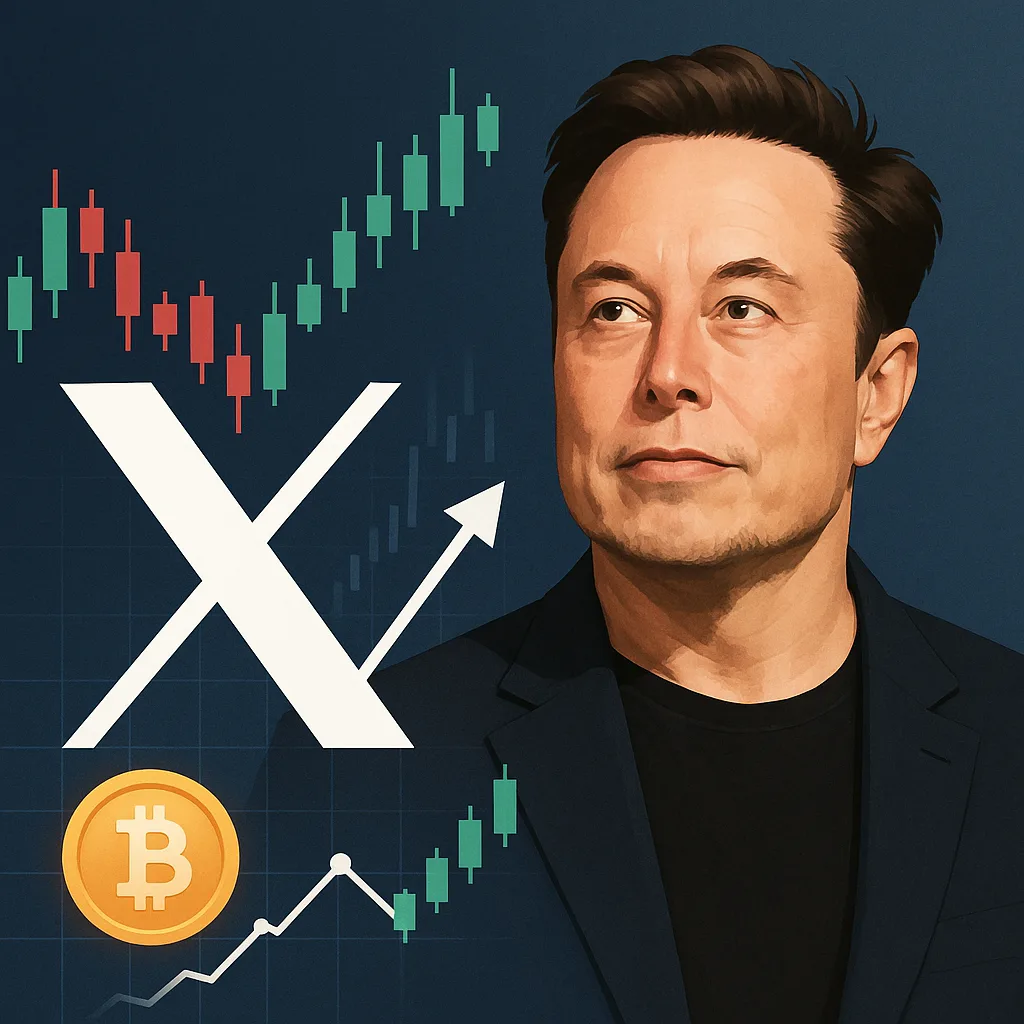
The trading landscape has undergone a monumental transformation over the last few decades. From the bustling trading floors of Wall Street to sophisticated electronic trading systems, the way we buy and sell assets has evolved dramatically. In this digital age, platforms have become more accessible, user-friendly, and integrated with advanced technologies, paving the way for a new era in investment strategies. As we look towards 2026, one name stands out in this evolution: Elon Musk's X.
Initially known for its social media influence, X has expanded its horizons by venturing into the realms of cryptocurrency and stock trading. By harnessing the power of artificial intelligence and machine learning, X aims to create an intuitive and responsive trading environment that caters to both seasoned investors and newcomers alike. The platform's unique approach combines the immediacy of social media with the complexities of financial markets, allowing users to engage in trading like never before.
One of the most significant shifts in trading platforms is the democratization of access. Gone are the days when only wealthy investors could afford to enter the stock market. With the rise of mobile trading apps and zero-commission platforms, individuals from all walks of life can now participate in the financial markets. X capitalizes on this trend by offering features that further lower the barriers to entry, such as micro-investing and fractional shares, making it easier for users to build their portfolios without a substantial upfront investment.
Moreover, the integration of cryptocurrencies into traditional trading paradigms has reshaped investor behavior and expectations. As digital assets gain acceptance, platforms like X are adapting to meet the needs of a diverse user base that is increasingly interested in both stocks and cryptocurrencies. With a focus on user experience, X is poised to provide innovative tools that seamlessly blend these two worlds, allowing investors to diversify their portfolios and capitalize on the unique benefits each asset class offers. In this blog post, we will explore how X is set to revolutionize trading in 2026 and what it means for the future of investment and staking.
Elon Musk's Vision: Integrating Crypto and Stock Trading
In 2026, Elon Musk's ambitious vision for X has taken the financial world by storm, creating a seamless integration of cryptocurrency and stock trading that is unlike anything seen before. With a user-friendly interface and innovative features, X has transformed the way investors engage with both markets, allowing them to diversify their portfolios with unprecedented ease. By merging the fast-paced nature of cryptocurrency trading with the more traditional stock market, Musk aims to cater to a new generation of investors who are eager for speed, transparency, and accessibility. Exploring crypto trends for 2026.
One of the standout features of X is its real-time trading capabilities, which harness cutting-edge technology to provide users with instantaneous updates on market trends and price fluctuations. This real-time data empowers investors to make informed decisions quickly, capitalizing on opportunities as they arise. By eliminating lag time and providing a comprehensive overview of both crypto and stock performance, X has positioned itself as a go-to platform for active traders looking to maximize their gains.
Moreover, Musk's integration of advanced AI-driven algorithms has revolutionized the way trades are executed on X. These algorithms analyze vast amounts of market data, identifying patterns and trends that human traders might miss. As a result, users can leverage AI insights to enhance their trading strategies, whether they are day trading cryptocurrencies or investing in long-term stock options. This melding of human intuition and machine efficiency has created a dynamic trading environment that encourages both novice and experienced investors to engage with the market.
Another key aspect of Musk's vision for X is the emphasis on educational resources that accompany the trading platform. Understanding that many potential investors may feel intimidated by the complexities of integrating crypto and stock trading, Musk has prioritized user education. X offers a wealth of resources, from tutorials and webinars to community forums where users can share insights and strategies. This commitment to education not only demystifies the trading process but also fosters a more informed and engaged user base, ultimately contributing to the platform's success.
The Mechanics: How Trading Will Work on X
In 2026, Elon Musk's platform, X, is set to redefine the landscape of trading by integrating cryptocurrency and stock trading into a seamless, user-friendly experience. At the core of this revolution lies the innovative use of blockchain technology, which will not only enhance security but also streamline transactions. Users will be able to execute trades with just a few taps on their devices, thanks to the platform's intuitive interface and robust backend systems. This ease of access is expected to democratize trading, allowing novice investors to participate alongside seasoned traders. Implications of crypto regulation.
X will feature a unique trading engine that combines real-time data analytics with machine learning algorithms. This engine will provide users with personalized insights and recommendations based on their trading history, preferences, and market trends. For instance, if a user frequently trades in tech stocks, the system will prioritize relevant news and alerts, ensuring that they are always informed of potential investment opportunities. This tailored approach not only simplifies the trading process but also empowers users to make informed decisions, ultimately enhancing their trading experience.
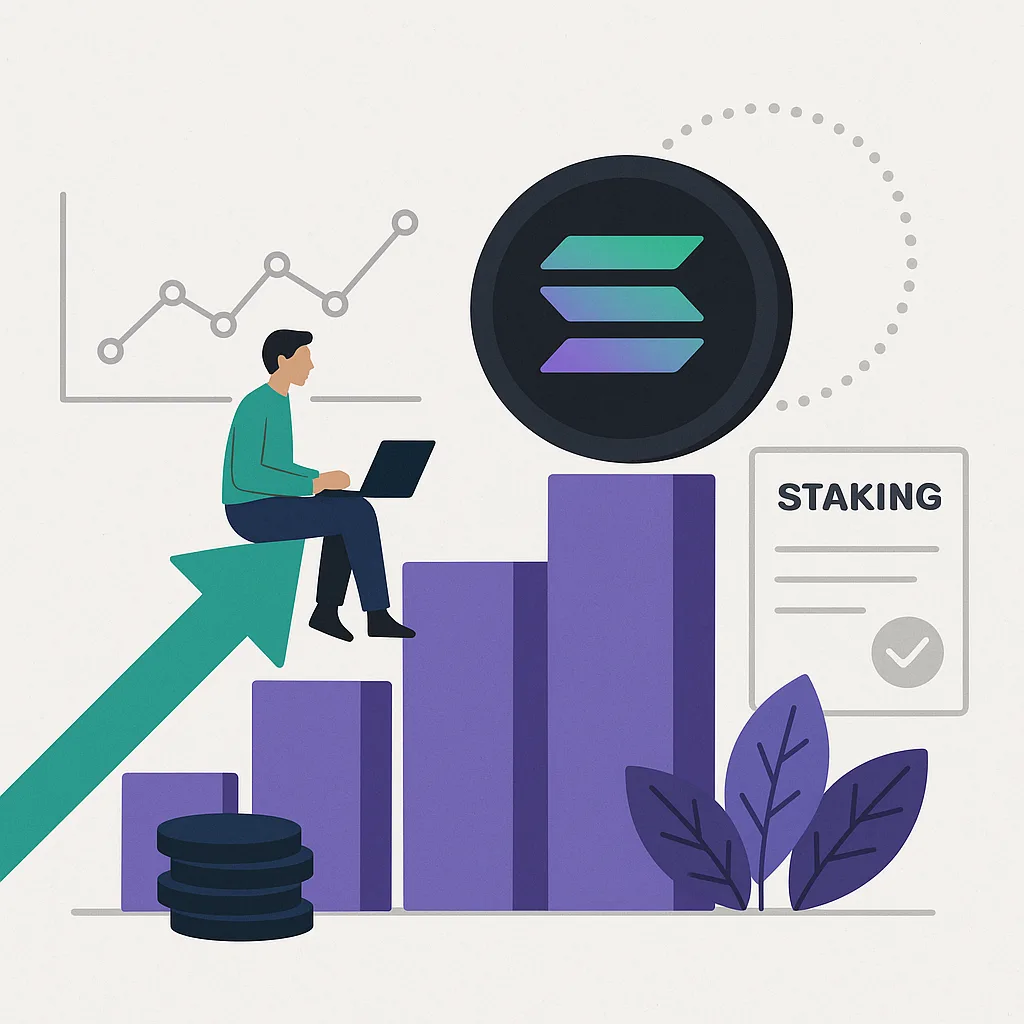
Moreover, X plans to introduce a revolutionary staking mechanism that encourages users to hold onto their assets rather than engage in short-term trading. By allowing users to stake their cryptocurrencies and stocks, X will offer attractive incentives, such as yield rewards and reduced trading fees. This feature aims to cultivate a long-term investment mindset among users, fostering a community of investors who prioritize sustainable growth over speculation. With this model, X is not only facilitating trades but also promoting a healthier investment culture.
Additionally, X will integrate social trading features, enabling users to share their strategies, insights, and successes with their peers. This social aspect is designed to create a collaborative environment where traders can learn from one another, thereby reducing the barriers to entry for new investors. By combining the power of community with cutting-edge technology, X is poised to transform how individuals engage with financial markets, making trading more accessible, enjoyable, and profitable for everyone.
User Experience: Interacting with Ticker Symbols
In 2026, Elon Musk's X platform has transformed the way users interact with ticker symbols, bringing a new level of accessibility and intuitiveness to both crypto and stock trading. The traditional methods of tracking and trading assets have been overhauled, making it easier for users, whether novices or seasoned investors, to navigate through the complexities of financial markets. The interface is sleek and user-friendly, designed to minimize barriers and optimize the trading experience.
One of the standout features of X is its real-time ticker symbol integration, which provides users with instant updates on asset performance. As users scroll through their feeds, they can see live updates on their favorite stocks and cryptocurrencies without having to refresh separate applications. This seamless integration allows for quicker decision-making, enabling users to react promptly to market changes. Each ticker symbol is clickable, leading to a dedicated page where users can access in-depth analytics, historical performance data, and expert commentary, all presented in an easy-to-digest format. Deep dive into crypto exchanges.
Moreover, X has implemented a social trading feature that allows users to share insights and strategies related to specific ticker symbols. By tapping into the power of community, users can engage in discussions, share tips, and even copy trades from successful investors. This social aspect not only fosters a sense of community among traders but also enhances the overall trading experience by promoting knowledge sharing and collaboration. Users can follow specific hashtags related to ticker symbols, making it easier to stay informed about trending assets and market sentiment.
Additionally, customization options empower users to tailor their trading experience. Users can personalize their feeds to highlight specific ticker symbols, set alerts for price changes, and even create watchlists of assets they wish to monitor closely. This flexibility allows traders to stay organized and focused on what truly matters to them, eliminating the noise often associated with traditional trading platforms. Overall, the user experience on X with regard to ticker symbols is not just about trading; it’s about building a comprehensive ecosystem that encourages informed decisions and fosters a vibrant trading community.
Potential Market Impact: What This Means for Investors
Elon Musk's foray into the integration of crypto and stock trading on the platform X is poised to create significant ripples across the financial landscape. As traditional barriers between cryptocurrency and stock trading dissolve, investors are likely to experience a far more fluid trading environment. This evolution could democratize access to investment opportunities, allowing retail investors to participate in markets that were once the domain of institutional players. The potential for increased liquidity and reduced transaction costs could make investing more accessible and appealing to a broader audience.
Moreover, the convergence of these two trading realms could foster greater innovation in financial products. With Musk's history of pushing boundaries, we may see the introduction of hybrid assets that combine the best features of cryptocurrencies and stocks. This could lead to novel investment strategies that leverage both the volatility of cryptocurrencies and the stability of traditional equities. Investors may find themselves with new tools at their disposal, enabling them to better diversify their portfolios and manage risk.
On the flip side, the integration of crypto trading into a platform traditionally focused on stocks may also bring about regulatory scrutiny. As Musk navigates this uncharted territory, it will be crucial for investors to stay informed about potential changes in regulations that could impact their trading strategies. The evolving legal landscape may affect how assets are classified, taxed, and traded, introducing a new level of complexity that investors must be prepared to handle.
Furthermore, the psychological impacts of this integration cannot be underestimated. Musk's influence on market sentiment, particularly within the cryptocurrency space, has proven to be profound. His ability to sway public opinion and drive trading behavior could amplify market volatility as investors react to his communications on X. As such, while there are exciting opportunities ahead, investors must also remain vigilant, ready to adapt their strategies in response to the dynamic interplay between social media, trading, and regulatory developments.
Regulatory Considerations: Navigating Compliance in 2026
As the landscape of financial trading evolves with the advent of platforms like Elon Musk's X, regulatory considerations become paramount. In 2026, both crypto and stock trading are subject to an increasingly complex web of regulations aimed at protecting investors and ensuring market integrity. The challenge for platforms operating in this space is to navigate these regulations while fostering innovation and user engagement.
One of the most significant regulatory frameworks impacting crypto trading in 2026 is the comprehensive guidelines established by the Financial Stability Oversight Council (FSOC) and the Securities and Exchange Commission (SEC). These regulations aim to address risks associated with high volatility and market manipulation, which have historically plagued the cryptocurrency markets. For platforms like X, compliance means implementing stringent Know Your Customer (KYC) and Anti-Money Laundering (AML) protocols, ensuring that users are verified, and that transactions are traceable. This not only protects users but also enhances the platform's credibility in the eyes of regulators.
Moreover, the integration of AI-driven compliance tools is becoming a game-changer in the regulatory landscape. These tools can automate the monitoring of transactions, flagging suspicious activities in real-time and significantly reducing the burden on human compliance teams. As a result, platforms can maintain high levels of compliance while offering seamless trading experiences. However, the reliance on technology also raises questions about data privacy and security, compelling platforms to invest in robust cybersecurity measures to protect user information.
In addition to federal regulations, state-level laws will also play a crucial role in shaping the trading landscape. With varying regulations across states, platforms like X must remain adaptable and responsive to local laws, which can affect everything from user onboarding processes to the types of assets that can be traded. This localized approach to compliance is essential for ensuring that the platform can operate effectively in diverse markets while mitigating legal risks. SFP price.
The Future of Investment: Trends Shaping the Trading Landscape
As we venture further into 2026, the investment landscape is undergoing a seismic shift, driven largely by advancements in technology and changing consumer behaviors. The rise of decentralized finance (DeFi) has democratized access to investment opportunities, allowing individuals worldwide to participate in financial markets without the traditional barriers posed by banks and brokerages. This transformation is not just limited to crypto; it is influencing stock trading as well, with platforms like Elon Musk's X at the forefront of this revolution.
One of the most significant trends reshaping the trading landscape is the integration of artificial intelligence (AI) and machine learning. These technologies are being leveraged to analyze vast amounts of data in real time, providing traders with insights that were previously unimaginable. AI-driven algorithms can predict market movements with extraordinary accuracy, enabling both amateur investors and seasoned professionals to make informed decisions quickly. This shift towards data-driven trading is enhancing market efficiency and reducing the emotional aspects of investing, which have traditionally led to poor decision-making.
Moreover, social trading is gaining momentum, with platforms encouraging collaborative investment strategies. Users can now share insights, strategies, and performance metrics in real time, fostering a community-driven approach to trading. This trend is particularly prominent on social media platforms integrated with trading functionalities, like X, where users can follow successful traders, learn from their strategies, and even mimic their trades automatically. The blending of social engagement with investment activity is not only making trading more accessible but also more engaging for the average individual.
Lastly, regulatory changes are also playing a crucial role in shaping the future of trading. Governments worldwide are beginning to embrace cryptocurrency and blockchain technology, creating clearer guidelines that protect investors while fostering innovation. This regulatory clarity is critical for building trust in the market and encouraging institutional investors to explore crypto assets. As regulations evolve, we can expect to see more robust trading platforms that seamlessly integrate crypto and traditional assets, further blurring the lines between these two worlds.
Conclusion: Preparing for the New Era of Trading
As we transition into this new era of trading, largely shaped by advancements from innovators like Elon Musk and his platform X, it is essential for investors and traders alike to prepare for the evolving landscape. The integration of cryptocurrency and stock trading into a single, user-friendly platform is not just a technological enhancement; it represents a shift in how we perceive and interact with financial markets. With features that prioritize accessibility, transparency, and efficiency, X could potentially democratize trading for millions, enabling a broader audience to participate in investment opportunities that were once limited to a select few.
Moreover, the incorporation of artificial intelligence and machine learning algorithms into trading strategies provides a significant advantage for users. These technologies can analyze vast amounts of data in real-time, offering insights that allow traders to make informed decisions quickly. As traders adapt to these sophisticated tools, the importance of continuous education and staying updated with market trends will become even more critical. Embracing these changes will empower both novice and experienced investors to refine their strategies and enhance their decision-making processes.
Additionally, the rise of decentralized finance (DeFi) within the X platform introduces new opportunities for staking and earning passive income. By participating in liquidity pools or lending protocols, users can leverage their assets in ways that were previously unimaginable. However, with these opportunities also come risks, and it’s vital for individuals to conduct thorough research and approach these investments with caution. Understanding the underlying mechanics of DeFi, along with the potential pitfalls, will be crucial in safeguarding one’s investments in this new financial landscape.
In conclusion, as we stand on the brink of this revolutionary transformation in trading, it is imperative for all investors to remain adaptable and informed. The convergence of crypto and stock trading on X represents a significant step towards a more inclusive financial ecosystem. By preparing for these changes and equipping ourselves with the knowledge and tools necessary to navigate this landscape, we can seize the opportunities that lie ahead and thrive in the new era of trading.