Introduction to Crypto Investment and Staking
As the world increasingly embraces digital currencies, understanding the nuances of crypto investment and staking has become essential for enthusiasts and investors alike. With the rise of various blockchain technologies and cryptocurrencies, the landscape of investing has transformed significantly. Unlike traditional assets, cryptocurrencies offer unique opportunities and challenges, making it crucial for investors to equip themselves with the right knowledge and strategies.
Investment in cryptocurrencies typically involves purchasing digital assets with the expectation of capital appreciation. This approach can lead to significant returns, but it also carries inherent risks due to the market's volatility. Prices can fluctuate dramatically in short periods, influenced by factors such as market sentiment, regulatory news, and technological advancements. Therefore, understanding market trends, conducting thorough research, and employing risk management strategies are vital for successful crypto investment.
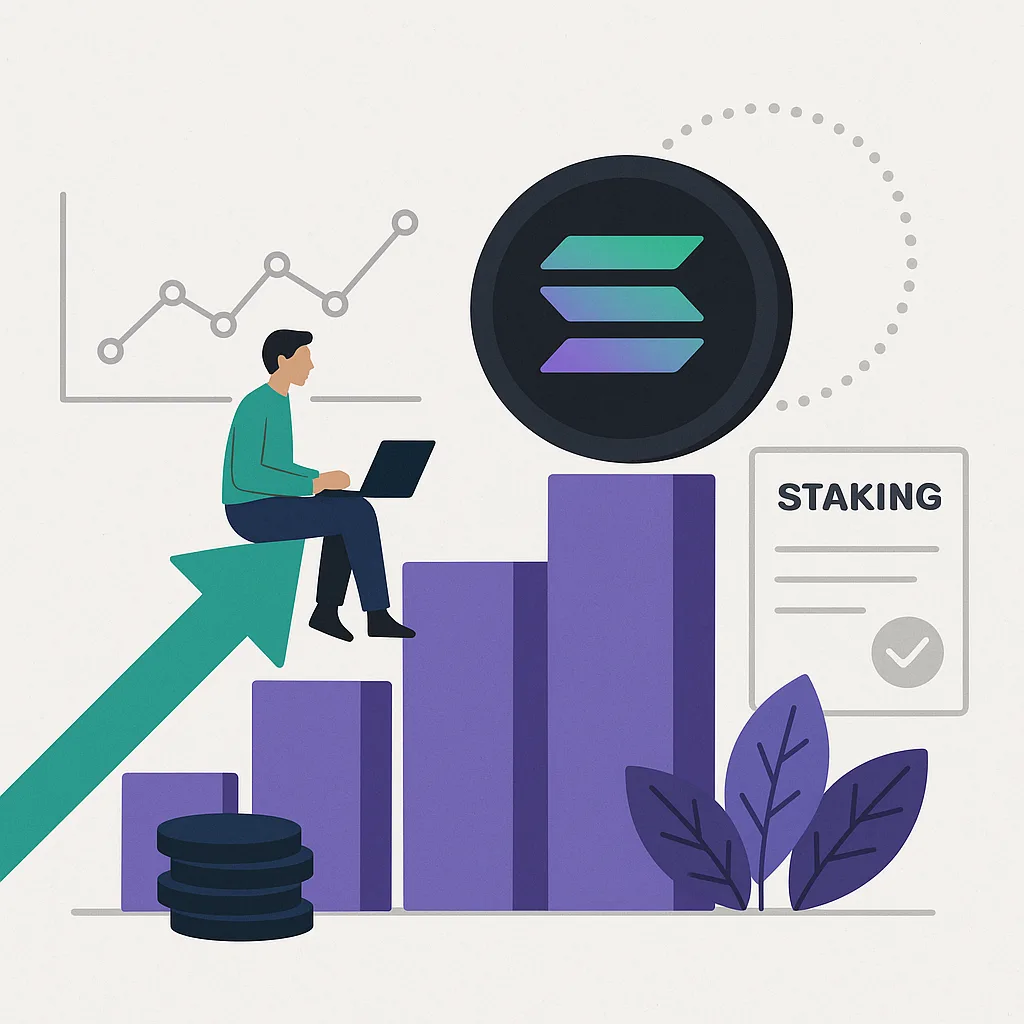
On the other hand, staking represents a different approach to generating income from cryptocurrencies. Staking involves participating in a proof-of-stake (PoS) blockchain network by locking up a certain amount of cryptocurrency to support the network's operations. In return for this commitment, investors earn rewards, typically in the form of additional tokens. This process not only helps secure the network but also allows investors to earn passive income, making staking an attractive option for those looking to maximize their crypto holdings.
As we delve deeper into the strategies for mastering crypto investment and staking, it's essential to recognize that both approaches require a solid understanding of the underlying technologies and market dynamics. By equipping oneself with the necessary tools and knowledge, investors can navigate this exciting yet unpredictable landscape with confidence, potentially reaping the rewards of their strategic decisions. In the following sections, we will explore various investment strategies, the intricacies of staking, and tips to enhance your overall crypto portfolio management.
Understanding the Basics: What is Staking?
Staking is a fundamental concept in the world of cryptocurrency, particularly within blockchain networks that operate on a proof-of-stake (PoS) consensus mechanism. Unlike traditional mining, which requires significant computational power and energy consumption, staking allows cryptocurrency holders to participate in the network's operations by locking up a portion of their coins to support various functions, such as transaction validation and network security. In essence, staking can be viewed as a means to earn rewards by contributing to the overall health and stability of the blockchain. Guide to crypto staking benefits.
When an individual stakes their coins, they are essentially providing liquidity and security to the network. This commitment to the ecosystem is rewarded in the form of additional coins or tokens, which can be considered a form of passive income. The process of staking is relatively straightforward: users typically need to hold a specific cryptocurrency in a compatible wallet and then choose to stake it through a staking platform or directly on the blockchain itself. The rewards generated can vary based on several factors, including the total number of coins staked in the network, the duration of staking, and the specific rules set by the blockchain protocol.
It's important to note that staking not only benefits individual investors but also enhances the overall functionality of the blockchain. By incentivizing users to lock up their coins, networks can achieve a more stable and secure environment, as it discourages malicious activities and centralization. Moreover, many projects have introduced innovative staking mechanisms, such as delegated staking, where users can delegate their staking power to trusted validators, providing both flexibility and ease of use.
As the cryptocurrency landscape continues to evolve, staking has emerged as a popular investment strategy, attracting both seasoned investors and newcomers alike. With the potential for lucrative returns and the added advantage of contributing to the network's security, understanding how staking works is crucial for anyone looking to navigate the world of crypto investments effectively. In the following sections, we will explore various staking strategies, the risks involved, and how to choose the right staking opportunities that align with your financial goals.
Evaluating Different Staking Platforms and Their Features
As you venture into the world of cryptocurrency staking, selecting the right platform can significantly impact your overall experience and returns. With numerous staking platforms available, each offering unique features, it's crucial to evaluate them carefully to find one that aligns with your investment goals and risk tolerance. To make an informed choice, consider key factors such as security, user interface, fee structures, supported cryptocurrencies, and reward mechanisms. Advanced trading strategies for crypto.
Security should be your top priority when selecting a staking platform. Look for platforms that employ robust security measures, such as two-factor authentication (2FA), cold storage for funds, and regular security audits. A platform's reputation within the community can also provide insights into its reliability. Reading user reviews and checking for any history of hacks or breaches can help gauge the level of trustworthiness. Additionally, ensure that the platform is compliant with relevant regulations, as this can provide an extra layer of protection for your investments.
The user interface is another critical aspect to consider. A well-designed platform can enhance your staking experience, making it easier to navigate, manage your assets, and track performance. Look for platforms that offer comprehensive dashboards, real-time analytics, and clear instructions for staking processes. A user-friendly interface can save you time and reduce the likelihood of making mistakes when managing your investments.
Fee structures vary widely among staking platforms, so it's essential to understand how they charge for their services. Some platforms may impose flat fees, while others may deduct a percentage of your staking rewards. Be sure to compare these costs across different platforms to determine which one offers the best value for your staking activities. Also, consider the supported cryptocurrencies, as some platforms might only allow staking for specific coins. If you have particular cryptocurrencies in mind, ensure that the platform you choose supports them. Finally, evaluate the reward mechanisms of each platform, as this can affect your overall returns. Some platforms offer higher rewards for longer lock-up periods or larger stakes, while others may provide more flexible options. By carefully analyzing these features, you can select the most suitable staking platform that aligns with your investment strategy.
Investment Strategies: Diversifying Your Crypto Portfolio
Diversification is a fundamental principle in investing, and it holds especially true in the volatile world of cryptocurrency. By spreading your investments across various assets, you can mitigate risks and improve your chances of achieving more stable returns. In the realm of cryptocurrencies, this means not only investing in a mix of established coins like Bitcoin and Ethereum, but also exploring altcoins that have potential for growth. The key is to strike a balance between high-risk and low-risk assets to create a well-rounded portfolio.
One effective strategy is to categorize your investments into three main types: large-cap cryptocurrencies, mid-cap cryptocurrencies, and emerging coins. Large-cap cryptocurrencies, such as Bitcoin and Ethereum, are generally seen as the blue-chip stocks of the crypto world. They tend to have a more stable performance and are widely accepted in the market. Mid-cap cryptocurrencies can offer more significant growth potential, but they also come with increased volatility. Emerging coins, on the other hand, are often high-risk, high-reward investments that can lead to substantial gains if they succeed. By investing in a mix of these categories, you can take advantage of the stability of larger coins while still having exposure to the potential growth of smaller, innovative projects. Understanding risks in crypto staking.
Another aspect of diversification involves considering different sectors within the crypto space. The blockchain ecosystem is vast, encompassing various technologies and applications, such as decentralized finance (DeFi), non-fungible tokens (NFTs), and blockchain gaming. By allocating funds to projects across these sectors, you can benefit from the growth of different trends and mitigate the risk of being overly exposed to a single market movement. For instance, if the DeFi sector experiences a downturn, your investments in NFTs or gaming projects might still perform well, helping to cushion your overall portfolio.
Lastly, staying informed and flexible is vital in the world of crypto investing. The market is constantly evolving, and new opportunities arise regularly. Regularly reviewing your portfolio and adjusting your asset allocation based on market conditions and personal risk tolerance can lead to more effective diversification. This proactive approach not only helps protect your investments but also positions you to capitalize on emerging trends and shifts within the cryptocurrency landscape.
The Role of Decentralized Finance (DeFi) in Staking
Decentralized Finance, or DeFi, has revolutionized the way investors approach staking in the cryptocurrency space. By eliminating intermediaries and traditional banking systems, DeFi platforms empower users to earn rewards and interest on their assets directly. This shift not only enhances accessibility but also provides a broader range of options for staking across various blockchain networks. Users can now stake tokens in liquidity pools, participate in yield farming, or lend their assets to earn passive income, all while retaining full control over their funds.
One of the most significant advantages of DeFi staking is the potential for higher yields compared to traditional staking methods. DeFi protocols often offer competitive interest rates that can surpass those available through conventional means. This is largely due to the innovative mechanisms used to incentivize liquidity and participation within the ecosystem. Additionally, many DeFi platforms incorporate unique features such as token rewards and governance rights, allowing stakers not only to earn passive income but also to have a say in the platform's future direction.
Moreover, the transparency and security provided by DeFi protocols are crucial in building trust among users. Smart contracts govern the staking processes, ensuring that rewards are distributed fairly and automatically, without the risk of manipulation by centralized entities. This transparency is vital for fostering confidence in the staking process, as users can independently verify the operations and outcomes through blockchain explorers. As the DeFi sector continues to grow, it is essential for crypto enthusiasts to understand how to navigate these platforms effectively to maximize their staking potential. Trade DOT/USDT.
However, while DeFi staking offers enticing opportunities, it is not without risks. The decentralized nature of these platforms means that users must take on greater responsibility for their assets, including the risk of smart contract vulnerabilities and market volatility. As such, thorough research and risk assessment are crucial before engaging in DeFi staking. Understanding the fundamentals of each platform, its liquidity, and the specific tokens involved will help investors make informed decisions and safeguard their investments in this rapidly evolving landscape.
Risks and Rewards: Navigating the Staking Landscape
Staking has emerged as a popular investment strategy within the cryptocurrency space, offering the potential for attractive returns while contributing to the security and efficiency of blockchain networks. However, like any investment, staking comes with its own set of risks and rewards that every crypto enthusiast should understand before diving in. The allure of earning passive income through staking rewards can be tempting, but it's essential to weigh these benefits against the potential downsides.
One of the primary rewards of staking is the opportunity to earn yields that can significantly outperform traditional savings accounts or even some stock market investments. Many cryptocurrencies that utilize proof-of-stake mechanisms offer attractive annual percentage yields (APYs) that can range from a few percent to over 20%. This yield is often paid out in the native cryptocurrency, allowing investors to accumulate more coins over time, which can lead to exponential growth if the value of the asset appreciates. Moreover, staking can provide a sense of community involvement, as stakers often have a say in governance decisions for the network, further enhancing their engagement with the project.
However, the risks associated with staking should not be overlooked. One of the most significant risks is the volatility of cryptocurrency prices. The value of staked assets can fluctuate dramatically, and while you may earn rewards, the overall value of your investment could decrease if the market conditions are unfavorable. Additionally, some staking protocols require you to lock up your funds for a specific period, which can limit your liquidity and prevent you from capitalizing on sudden market opportunities. Furthermore, there is the risk of network slashing, where a portion of your staked assets can be forfeited due to network misbehavior or validator failures, emphasizing the importance of choosing reliable and reputable staking platforms.
In conclusion, navigating the staking landscape requires a thorough understanding of both the risks and rewards. By assessing your risk tolerance and conducting diligent research on various staking opportunities, you can make informed decisions that align with your investment strategy. Whether you're looking for steady income or a means to support a blockchain project you believe in, staking can be a valuable component of your overall crypto investment portfolio, provided you approach it with caution and awareness. XLM price.
Tools and Resources for Effective Crypto Investment
Investing in cryptocurrencies can be both exciting and daunting, especially for newcomers. To navigate this complex landscape effectively, it is crucial to equip yourself with the right tools and resources. Various platforms, applications, and educational materials can help you make informed decisions, whether you're looking to invest in established coins or explore new staking opportunities.
One of the most essential tools for any crypto investor is a reliable and secure wallet. Wallets come in different forms, including hardware, software, and mobile options, each with unique advantages. Hardware wallets, such as Ledger and Trezor, offer enhanced security for long-term storage, while software wallets like Exodus or Trust Wallet provide user-friendly interfaces for trading and staking. Understanding which wallet suits your needs is vital for managing your assets safely.
Another crucial resource is market analysis tools, which can help you track price movements, volume, and market trends. Websites and applications like CoinMarketCap, CoinGecko, and TradingView provide comprehensive data on thousands of cryptocurrencies. These platforms offer charts, technical indicators, and even community features that can help you gauge market sentiment. By utilizing these tools, you can make data-driven decisions and identify potential investment opportunities.
In addition to technical tools, educational resources play a vital role in mastering investment strategies. Online courses, webinars, and forums can provide invaluable insights into market trends, blockchain technology, and investment strategies. Engaging in communities on platforms like Reddit or Discord can also offer real-time discussions and analyses, allowing you to learn from others’ experiences. By continuously educating yourself and staying updated on market developments, you can refine your investment strategies and enhance your understanding of the ever-evolving crypto landscape. Markets.
Conclusion: Building a Sustainable Crypto Strategy
As the world of cryptocurrency continues to evolve, developing a sustainable investment and staking strategy becomes crucial for long-term success. The volatile nature of the crypto market, coupled with the multitude of assets available, means that investors must approach their strategies with careful consideration and foresight. A well-rounded strategy not only maximizes potential returns but also mitigates risks associated with market fluctuations.
First and foremost, it's essential to conduct thorough research and stay informed about market trends, technological advancements, and regulatory changes. Understanding the fundamentals of blockchain technology and the specific projects behind the cryptocurrencies you invest in can provide you with valuable insights. This knowledge allows you to identify promising projects and avoid potential pitfalls. Moreover, engaging with the crypto community through forums, social media, and local meetups can enhance your understanding and keep you updated on the latest developments.
Diversification is another key element of a sustainable crypto strategy. Just as traditional investors diversify their portfolios across different asset classes, crypto enthusiasts should consider spreading their investments across various cryptocurrencies and staking opportunities. This approach helps to reduce the impact of poor-performing assets on your overall portfolio, while also allowing you to capitalize on the strengths of various projects. By investing in a mix of established cryptocurrencies, emerging tokens, and different staking platforms, you can create a balanced portfolio that aligns with your risk tolerance and investment goals.
Finally, it's essential to have a clear exit strategy and to regularly review your investments. The crypto market is known for its rapid changes, and being adaptable is crucial. Set realistic goals for your investments, determine when you will take profits, and establish stop-loss orders to protect against sudden downturns. By continuously monitoring your portfolio and making adjustments based on market conditions, you can ensure that your investment and staking strategy remains relevant and effective in achieving your financial objectives.