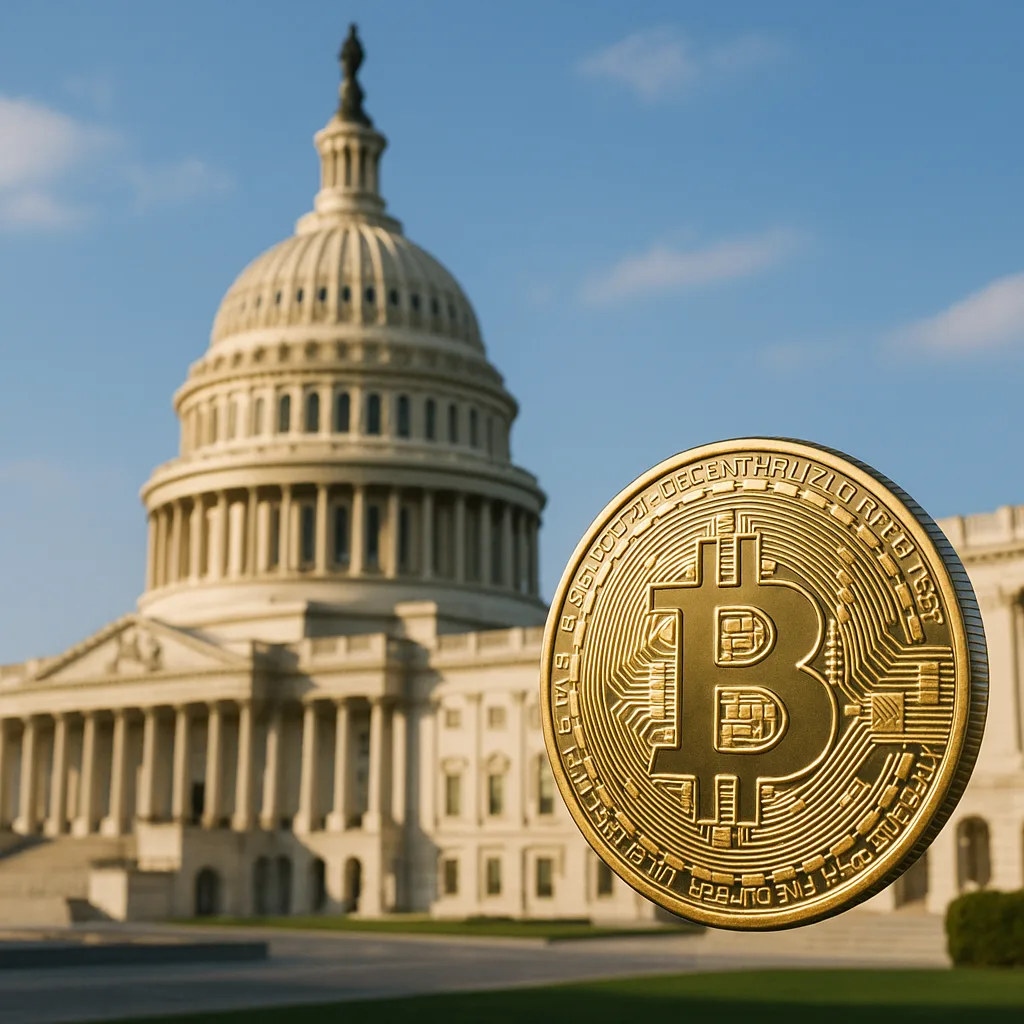
Introduction: The Current State of Crypto Regulation
The landscape of cryptocurrency regulation is evolving rapidly, with governments around the world grappling with how to manage the burgeoning digital asset market. In the United States, the Senate has taken significant steps towards establishing a regulatory framework, aiming to bring clarity and oversight to an industry that has often operated in a legal gray area. This movement towards regulation comes as a response to the explosive growth of cryptocurrencies, which have gained both popularity and notoriety in recent years.
As of now, the regulatory environment for cryptocurrencies in the U.S. remains fragmented. Different agencies, including the Securities and Exchange Commission (SEC), the Commodity Futures Trading Commission (CFTC), and the Financial Crimes Enforcement Network (FinCEN), have each claimed jurisdiction over various aspects of cryptocurrency transactions. This lack of a cohesive regulatory strategy has led to confusion and uncertainty among investors and businesses, prompting calls for clearer guidelines that could foster a more stable market.
Recent hearings in the Senate have highlighted the urgency of establishing a comprehensive regulatory framework. Lawmakers are increasingly recognizing the need to protect consumers from fraud and market manipulation while also encouraging innovation within the sector. The discussions have revolved around key issues such as defining what constitutes a security in the crypto space, implementing anti-money laundering measures, and ensuring that exchanges operate transparently and fairly.
Despite the potential challenges that regulation could bring, many industry experts believe that it could ultimately benefit the market. Clear guidelines could enhance investor confidence, attract institutional capital, and lead to greater adoption of cryptocurrencies and blockchain technology. As the Senate continues to deliberate on these matters, the implications of their decisions will resonate throughout the market, shaping the future of digital assets in the United States and beyond.
Senator Mark Warner's Position on the Crypto Bill
Senator Mark Warner, a prominent figure in the ongoing discussions surrounding cryptocurrency regulation, has expressed a nuanced stance on the proposed crypto bill currently making its way through the Senate. As a member of the Senate Banking Committee, Warner understands the delicate balance between fostering innovation within the blockchain space and protecting investors from potential pitfalls. His remarks highlight a recognition of the rapid evolution of the digital asset market and the need for a regulatory framework that is both adaptable and comprehensive. Exploring crypto trends for 2026.
Warner has emphasized the importance of a measured approach to regulation, one that does not stifle the growth of a burgeoning industry that has the potential to drive economic progress. He argues that while consumer protection is paramount, overly stringent regulations could push innovation offshore, leading to a scenario where the U.S. loses its competitive edge in the global digital economy. This perspective resonates with many stakeholders who fear that excessive regulation could hinder the development of new technologies that rely on blockchain and decentralized finance.
Furthermore, Senator Warner has called for collaborative efforts between lawmakers, industry leaders, and regulatory bodies to ensure that the framework developed is informed by a comprehensive understanding of the technologies at play. He advocates for a regulatory environment that encourages dialogue among all parties involved, promoting transparency and trust in the market. By engaging with industry representatives, Warner seeks to create a bill that not only addresses the existing challenges within the crypto space but also anticipates future developments.
As the Senate continues its deliberations, Warner's insights could play a pivotal role in shaping the final legislation. His commitment to finding a balanced solution reflects a broader sentiment among lawmakers who recognize the potential of cryptocurrencies while acknowledging the need for oversight. With the stakes high for both the market and consumers, Warner's position serves as a crucial touchpoint in the evolving conversation around crypto regulation in the United States.
The Role of the SEC and Insights from Paul Atkins
The Securities and Exchange Commission (SEC) has been at the forefront of the regulatory landscape for cryptocurrencies, wielding significant influence over how digital assets are classified and traded. As the Senate moves forward with discussions on comprehensive crypto regulations, the SEC's role becomes even more pivotal. Recent comments from Paul Atkins, a former SEC commissioner and current CEO of Patomak Global Partners, shed light on the complexities and challenges facing regulators in this rapidly evolving market. Comprehensive analysis of market trends.
Atkins emphasizes that the SEC has a dual mandate: to protect investors while promoting capital formation. This balance can be particularly challenging in the cryptocurrency space, where innovation often outpaces the regulatory framework. He argues that a one-size-fits-all approach may not be suitable for digital assets, as the technology and use cases can vary significantly. For example, while some tokens may function as securities, others might be more akin to commodities or utility tokens, necessitating a more nuanced regulatory approach.
Furthermore, Atkins points out that clear guidelines from the SEC could foster greater investor confidence and market stability. Uncertainty surrounding the legal status of various cryptocurrencies has led to hesitation among institutional investors and has stifled innovation. By establishing a clear regulatory framework, the SEC could help pave the way for more responsible development within the crypto space, ultimately benefiting both investors and the broader market.
As discussions in the Senate continue, the implications of the SEC's regulatory stance will be closely monitored by market participants. Investors are keen to understand how potential regulations might impact trading, investment strategies, and the overall ecosystem of digital assets. With voices like Paul Atkins advocating for a balanced and informed approach, there is hope that the regulatory landscape will evolve to support innovation while ensuring adequate protections for investors. The direction taken by the SEC in the coming months will be crucial in shaping the future of cryptocurrency in the United States and beyond.
Potential Market Impacts of New Crypto Legislation
The recent movement in the Senate towards establishing a more comprehensive regulatory framework for cryptocurrencies is poised to have significant implications for the market. As legislation takes shape, investors, traders, and industry stakeholders are closely monitoring the developments to gauge how these new rules will affect their strategies and the overall market dynamics. A clear regulatory environment could foster increased institutional investment, as firms often require a level of certainty and compliance before entering new asset classes.
One of the most immediate effects of proposed regulations could be the stabilization of crypto prices. Currently, the cryptocurrency market is characterized by high volatility, which is often exacerbated by regulatory uncertainty and speculative trading. By clarifying the rules of engagement, legislation could help reduce the fear and uncertainty that often lead to panic selling or irrational buying. A more stable market could encourage long-term investors to enter the space, thus adding liquidity and potentially leading to a more mature market environment. Insights and predictions for 2026.
Furthermore, the introduction of consumer protection measures is likely to enhance trust in the cryptocurrency ecosystem. As more participants feel secure in their investments, the likelihood of mainstream adoption increases. This could result in a broader acceptance of cryptocurrencies as a legitimate asset class, leading to more widespread use in everyday transactions. Companies that accept cryptocurrencies and those that integrate blockchain technology into their operations may see increased demand, further driving growth in the sector.
However, it is important to consider that not all potential impacts are positive. Stricter regulations could lead to a contraction in certain segments of the crypto market, particularly for projects that do not align with the new guidelines. Smaller firms and startups may find it challenging to comply with heightened regulatory requirements, potentially stifling innovation. Additionally, if the regulations are perceived as overly restrictive, some investors may choose to move their assets to less regulated jurisdictions, which could lead to a fragmentation of the market. As stakeholders await the finalization of these regulations, the balance between fostering innovation and ensuring consumer protection will be critical in shaping the future of the crypto market.
Comparative Analysis: Crypto Regulation in Other Countries
As the United States takes significant steps toward establishing a regulatory framework for cryptocurrencies, it is crucial to examine how other countries have approached crypto regulation. Different jurisdictions have adopted varying strategies, reflecting their unique economic contexts, technological advancements, and regulatory philosophies. These comparative insights can provide valuable lessons for the U.S. as it navigates the complexities of a rapidly evolving digital asset landscape.
In the European Union, for instance, the Markets in Crypto-Assets (MiCA) regulation aims to create a harmonized framework to govern crypto assets across member states. This comprehensive approach addresses various aspects, including consumer protection, market integrity, and the regulation of crypto service providers. By establishing clear and consistent rules, the EU hopes to foster innovation while safeguarding investors. The MiCA regulation emphasizes transparency and accountability, requiring crypto firms to disclose essential information and adhere to strict compliance standards. This model not only promotes a stable market environment but also enhances consumer confidence in digital assets.
Conversely, countries like China have taken a more prohibitive stance. The Chinese government has implemented a blanket ban on cryptocurrency trading and Initial Coin Offerings (ICOs), citing concerns over financial stability and the potential for illicit activities. This stringent approach has led many crypto firms to relocate to more favorable jurisdictions, sparking debates about the implications of such regulatory measures on innovation and technological advancement. While China’s strict regulations may protect its financial system, they also risk stifling the growth of blockchain technology and cryptocurrency development within its borders.
In contrast, jurisdictions such as Singapore and Switzerland have adopted a more balanced approach, encouraging innovation while implementing necessary regulatory safeguards. Singapore’s Payment Services Act provides a flexible regulatory framework that categorizes different types of crypto activities, allowing for tailored oversight. Similarly, Switzerland has emerged as a global crypto hub, thanks to its progressive regulatory stance and supportive ecosystem for blockchain startups. These countries demonstrate that a well-structured regulatory environment can stimulate growth and attract investment in the crypto sector.
The Importance of Durable Policy in the Crypto Space
The cryptocurrency market has long been characterized by its volatility and uncertainty, factors that are often exacerbated by the lack of a coherent regulatory framework. As the Senate advances discussions on crypto regulation, the need for durable policy becomes increasingly critical. A well-defined regulatory environment can not only stabilize the market but also foster innovation, ensuring that the United States remains a leader in the burgeoning blockchain economy.
Durable policy is essential for creating a predictable landscape for investors, developers, and businesses operating within the crypto sphere. With clear guidelines, companies can make informed decisions regarding their operations, investments, and compliance measures. This predictability can help to reduce the risk associated with crypto investments, enticing a broader range of institutional investors who may have previously shied away from this volatile asset class. Moreover, a stable regulatory framework can also help mitigate the risks of fraud and market manipulation, which have plagued the space and damaged investor confidence in the past.
Furthermore, durable policy can promote consumer protection without stifling innovation. As the technology underlying cryptocurrencies and blockchain evolves, so too should the regulations that govern them. Policymakers must strike a balance between protecting consumers from potential pitfalls and fostering an environment that encourages technological advancement. This means engaging with industry stakeholders to understand the complexities of the market and developing regulations that are adaptable to the rapid pace of change within the crypto ecosystem.
In conclusion, the Senate's ongoing efforts to establish a regulatory framework for cryptocurrencies represent a pivotal moment for the industry. The importance of durable policy cannot be overstated, as it will play a crucial role in shaping the future of the crypto market. By providing clarity and stability, lawmakers can help to create an environment that not only protects investors but also promotes innovation and growth, ultimately contributing to a more robust and sustainable digital economy. AIOZ price.
Investor Sentiment and Market Reactions to Regulatory News
The recent movement by the Senate towards establishing comprehensive regulations for cryptocurrency has sent ripples through the market, significantly affecting investor sentiment. Historically, regulatory news has been a major catalyst for price fluctuations in the crypto space, often leading to increased volatility. As lawmakers engage in discussions about how to best regulate digital assets, investors are closely watching the developments, weighing the potential benefits of clearer guidelines against fears of overreach that could stifle innovation.
In the immediate aftermath of the Senate's announcements, many cryptocurrencies experienced a surge in value as optimistic investors interpreted the move as a sign of maturation for the market. The promise of a regulatory framework is seen by some as a step towards greater legitimacy for cryptocurrencies, potentially attracting institutional investors who have remained on the sidelines due to regulatory uncertainties. This influx of institutional capital could further solidify the market's stability, enabling a more robust environment for growth.
However, not all reactions have been positive. Some investors have expressed concerns that stringent regulations could hinder the decentralized nature of cryptocurrencies, which is one of their most appealing aspects. The fear of increased compliance costs and limitations on how cryptocurrencies can be used may lead to a cautious approach among investors. This has led to a more divided market sentiment, with some segments rallying in support of the potential for long-term growth, while others remain skeptical about the implications of regulatory scrutiny.
Furthermore, social media platforms and online forums have become a hotbed for discussions around regulatory news, amplifying both optimism and skepticism. Influential voices in the crypto community are actively debating the potential outcomes of these regulations, shaping the narrative and influencing investor behavior. As the market digests these developments, it is evident that the future landscape of cryptocurrency will be significantly influenced by this regulatory journey, and investors must remain vigilant in monitoring changes to navigate the complexities ahead. Exbix.
Conclusion: Looking Ahead to the Future of Crypto Regulation
The recent advancements in the Senate regarding cryptocurrency regulation mark a pivotal moment for the digital asset market. As lawmakers increasingly recognize the need for a structured regulatory framework, the potential for enhanced market stability and consumer protection becomes more tangible. The proposed regulations aim to clarify the legal status of cryptocurrencies, which could eliminate much of the uncertainty that has historically plagued this burgeoning sector. This clarity is expected to attract institutional investors, who have often been hesitant to enter a market characterized by ambiguity and risk.
Moreover, the implications of these regulations extend beyond mere compliance; they signal a broader acceptance of cryptocurrencies as legitimate financial instruments. As the Senate moves forward with discussions, it is crucial for stakeholders in the crypto space to engage in the dialogue. By participating in the regulatory process, industry players can offer insights that help shape a balanced approach to regulation—one that mitigates risks without stifling innovation. This collaborative effort could lead to a regulatory environment that not only fosters growth but also ensures the safety of investors and the integrity of the financial system.
As we look to the future, it is essential to monitor the ongoing developments in crypto regulation closely. The market will likely experience fluctuations as new rules are introduced and adapted to the evolving landscape of digital assets. Investors and businesses should remain agile, adjusting their strategies in response to regulatory changes while keeping an eye on emerging trends within the industry. Additionally, the global nature of cryptocurrency means that international regulations will also play a critical role in shaping market dynamics. Countries around the world are grappling with similar issues, and their approaches could influence U.S. policy and vice versa.
Ultimately, the path forward for cryptocurrency regulation will be a balancing act. While the goal is to protect consumers and ensure market integrity, it is equally important to nurture the innovation that has made the crypto space so dynamic. As both the Senate and the broader market adapt to these changes, the future of crypto regulation holds the promise of a more mature and robust market, poised for growth and integration into the traditional financial ecosystem.