Introduction to Solana and Its Market Position
Solana has emerged as one of the most prominent blockchain platforms in recent years, distinguishing itself through its high throughput and low transaction costs. Launched in 2020, Solana aims to provide a scalable and efficient environment for decentralized applications (dApps) and crypto projects, making it a favorite among developers and investors alike. With its unique consensus mechanism, dubbed Proof of History (PoH), Solana is capable of processing thousands of transactions per second, significantly outpacing many of its competitors. This capability has allowed Solana to attract a diverse range of projects, from DeFi platforms to NFT marketplaces.
As of late 2023, Solana holds a significant position in the cryptocurrency market, often ranking among the top blockchains in terms of market capitalization and daily active users. Its rapid growth can be attributed to a combination of factors, including robust community support, innovative technological advancements, and strategic partnerships with various projects and organizations. The platform's ability to handle high volumes of transactions without compromising on speed or cost has made it a preferred choice for projects looking to scale effectively.
Moreover, Solana's ecosystem is continuously expanding, with new projects and use cases emerging regularly. The platform has become a hub for NFT activities, with several high-profile NFT collections launching on its network. Additionally, the DeFi landscape on Solana is vibrant, with various lending, borrowing, and trading platforms gaining traction. This growing ecosystem not only enhances the utility of SOL, the native token of the Solana network, but also reinforces the overall stability and security of the network itself.
However, as with any emerging technology, challenges remain. The rapid growth of Solana has also led to increased scrutiny regarding its security and reliability. Users and investors must remain vigilant and informed about potential risks associated with the platform. Understanding the intricacies of Solana's architecture and the security measures in place is essential for safeguarding investments and ensuring a secure experience in the evolving landscape of blockchain technology.
Understanding Security Risks in the Crypto Space
The world of cryptocurrency offers exciting opportunities for investment and innovation, but it also comes with a unique set of security risks that users must navigate. As digital assets gain popularity, the threat landscape becomes more complex, with cybercriminals constantly developing new methods to exploit vulnerabilities in the system. Understanding these risks is crucial for anyone involved in the crypto space, especially for Solana users who want to protect their investments.
One of the primary security risks in the crypto space is the potential for hacking attacks. Wallets, exchanges, and decentralized applications (dApps) can be prime targets, as they often hold significant amounts of digital assets. Hackers employ various techniques, such as phishing, social engineering, or exploiting software vulnerabilities, to gain unauthorized access. For Solana users, it's essential to stay informed about recent security breaches and adopt best practices to minimize exposure to such threats.
Another critical risk involves the use of smart contracts, which are self-executing contracts with the terms of the agreement directly written into code. While smart contracts enable automation and efficiency, they are not immune to bugs and vulnerabilities that can be exploited by malicious actors. In the Solana ecosystem, where many projects rely on these contracts, users must be cautious and conduct thorough research before engaging with new platforms or decentralized finance (DeFi) applications. Understanding the underlying technology and its potential weaknesses can help mitigate risks associated with smart contracts.
Furthermore, the lack of regulatory oversight in the cryptocurrency space presents an additional layer of risk. Unlike traditional financial systems, which are often governed by strict regulations, the crypto market operates in a relatively unregulated environment. This can lead to fraudulent schemes, scams, and the proliferation of untrustworthy projects. Solana users should remain vigilant, verify the legitimacy of platforms, and be cautious when sharing personal information or investing in projects that seem too good to be true. By staying aware of these risks and implementing robust security measures, investors can better safeguard their assets in the ever-evolving crypto landscape.
Key Security Features of the Solana Network
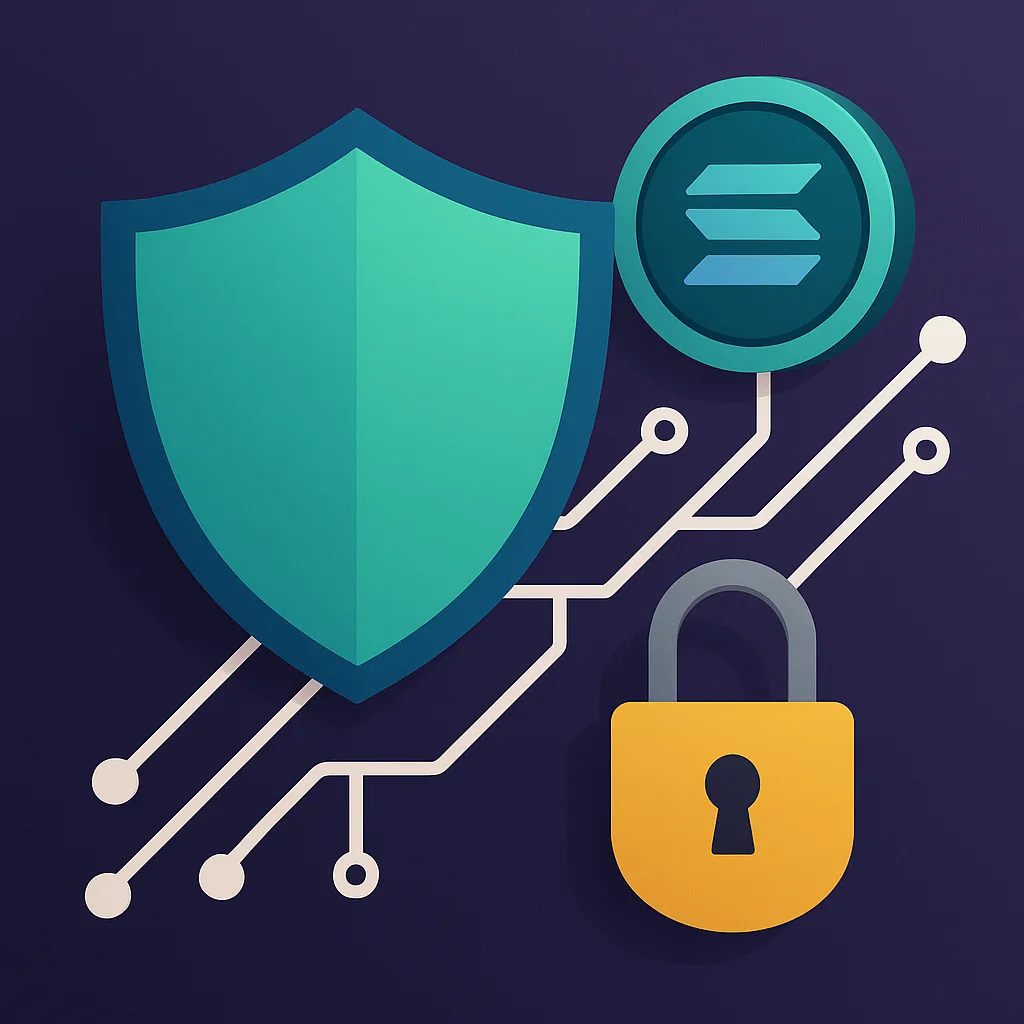
The Solana network is designed with an emphasis on security, ensuring that both the infrastructure and user interactions are safeguarded against potential threats. One of the most significant features of Solana is its unique consensus mechanism, known as Proof of History (PoH). This innovative approach not only enhances the speed and efficiency of transactions but also plays a crucial role in securing the network. By establishing a verifiable order of events, PoH helps to prevent double-spending and other malicious activities, thereby bolstering the overall integrity of the blockchain.
Another critical security feature of Solana is its architecture, which separates transaction processing from consensus. This separation allows the network to handle a high throughput of transactions while maintaining robust security measures. The use of a decentralized network of validators ensures that no single entity has control over the entire blockchain. This redundancy is vital in protecting the network against potential attacks, as the distributed nature of validators makes it significantly harder for malicious actors to manipulate the system.
Additionally, Solana incorporates state-of-the-art cryptographic techniques to secure user funds and data. The use of public-key cryptography ensures that users have complete control over their private keys, protecting them from unauthorized access. Furthermore, the network employs secure coding practices and regular audits to identify and mitigate vulnerabilities, ensuring that the platform remains resilient against evolving security threats.
Lastly, the Solana community plays an essential role in maintaining the security of the network. Active participation from developers, users, and validators fosters a culture of vigilance and accountability. The community regularly engages in discussions about security best practices and updates, ensuring that everyone is informed about potential risks and the latest security measures. This collaborative approach not only strengthens the network but also empowers users to take proactive steps in safeguarding their investments.
Best Practices for Securing Your Solana Wallet
As the popularity of the Solana blockchain continues to rise, so does the importance of securing your digital assets. A well-protected wallet is essential to ensure that your investments remain safe from potential threats and vulnerabilities. Here are some of the best practices to follow when securing your Solana wallet.
First and foremost, always use a hardware wallet whenever possible. Hardware wallets store your private keys offline, significantly reducing the risk of them being compromised by malware or phishing attacks. Devices such as Ledger or Trezor are popular options among cryptocurrency users due to their robust security features. By keeping your private keys off the internet, you add an additional layer of security that software wallets simply cannot provide. Check the latest ETH price.
In addition to using a hardware wallet, it is crucial to enable two-factor authentication (2FA) on all accounts associated with your Solana wallet. 2FA adds an extra step to the login process, requiring not only your password but also a second form of verification, such as a code sent to your mobile device. This measure makes it significantly more difficult for unauthorized individuals to gain access to your wallet and perform malicious actions.
Another important practice is to regularly update your wallet software and any devices you use to access your crypto assets. Developers frequently release updates to patch known vulnerabilities and enhance security features. By keeping your software up to date, you minimize the risk of exploitation by malicious actors. Furthermore, be cautious of phishing attempts; always verify the authenticity of websites and emails before entering sensitive information. Scammers often impersonate legitimate services to steal personal information or access your wallet.
Recognizing and Avoiding Common Scams
As the popularity of Solana and other cryptocurrencies continues to rise, so does the potential for scams targeting unsuspecting users. Scammers are constantly developing new tactics to exploit vulnerabilities in the system and human psychology. Therefore, understanding the common types of scams is essential for protecting your investments and ensuring a safe experience within the Solana ecosystem. Check the latest DOGE price.
One prevalent scam involves phishing attacks, where users receive fraudulent messages that appear to be from legitimate sources, such as wallets or exchanges. These messages often contain links to fake websites designed to steal your private keys or login credentials. To avoid falling victim to these scams, always verify the source of any communication, especially if it requests sensitive information. Double-check URLs, and if in doubt, navigate directly to the official website rather than clicking on any links provided in emails or messages.
Another common scam is the Ponzi scheme, where users are promised high returns on their investments with little to no risk. These schemes often rely on recruiting new investors to pay returns to earlier investors, creating a façade of legitimacy. The key to avoiding these traps is to be skeptical of any investment opportunity that sounds too good to be true. If you cannot find credible information about the company or project, it’s best to steer clear. Always conduct thorough research and consult reliable sources before committing your funds.
Additionally, be wary of giveaway scams, where fraudsters promise to double or triple your cryptocurrency if you send them a specific amount first. These scams often use the names of well-known figures or projects to gain trust. Remember, legitimate giveaways will never ask for an upfront payment. Always approach such offers with caution and rely on your instincts—if it feels off, it probably is. By staying informed and vigilant, you can significantly reduce your risk of becoming a victim of these common scams and secure your investments in the Solana ecosystem.
The Role of Decentralized Finance (DeFi) in Security
Decentralized Finance (DeFi) has emerged as a revolutionary segment of the cryptocurrency landscape, particularly on platforms like Solana. At its core, DeFi aims to recreate traditional financial systems—such as banking, lending, and trading—using decentralized technologies, primarily blockchain. This shift from centralized control to a decentralized model not only empowers users but also introduces a unique set of security dynamics. Users are now responsible for their own assets and transactions, which makes understanding and implementing security measures more critical than ever.
One of the most significant advantages of DeFi is the transparency it offers. Smart contracts, which automate transactions without intermediaries, are visible on the blockchain. This transparency allows users to audit the code and verify the integrity of protocols before committing their assets. However, while transparency can mitigate certain risks, it also presents challenges. Not all smart contracts are created equal; vulnerabilities in their code can lead to exploits and financial losses. Users must engage in thorough due diligence and utilize trusted platforms to minimize exposure to these risks.
Another notable aspect of DeFi is the concept of composability. Various DeFi applications can interact with one another, creating a complex ecosystem where assets can be moved and utilized across multiple platforms. While this offers users increased flexibility and opportunities for yield generation, it can also amplify security risks. If one protocol within this interconnected network experiences a security breach, it could have cascading effects on others, potentially jeopardizing a user's entire investment portfolio. Therefore, users should be aware of the interdependencies within the DeFi ecosystem and consider the security reputation of all platforms involved.
Furthermore, the rise of DeFi has led to the development of various tools and protocols designed to enhance security. Solutions like decentralized insurance, which protects against smart contract failures, and multi-signature wallets, which require multiple approvals for transactions, are becoming more prevalent. These innovations represent a proactive approach to security, allowing users to safeguard their investments more effectively. In this rapidly evolving space, staying informed about the latest security tools and practices is essential for anyone looking to navigate the DeFi landscape safely.
Staying Informed: Resources for Ongoing Security Education
In the ever-evolving landscape of blockchain technology, staying informed about the latest security practices is crucial for safeguarding your investments. The Solana ecosystem, known for its high throughput and low transaction costs, also attracts a variety of threats ranging from phishing scams to smart contract vulnerabilities. To effectively guard your assets, it’s important to continuously educate yourself about potential risks and the best practices for mitigating them.
One of the most effective ways to stay updated is by engaging with the Solana community through forums, social media channels, and dedicated Discord servers. These platforms are often buzzing with discussions about recent security incidents, updates on new security protocols, and tips from experienced users on how to avoid common pitfalls. Following reputable influencers and security experts within the community can also provide insights and alerts on emerging threats, keeping you one step ahead of potential attacks.
Another valuable resource is official documentation and security advisories released by the Solana Foundation and other reputable organizations within the blockchain space. These documents often contain critical information about known vulnerabilities, recommended security measures, and updates on security improvements being implemented within the network. Subscribing to newsletters or notifications from these organizations can ensure that you receive timely updates and remain informed about any changes that might affect the security of your investments.
Lastly, consider investing your time in online courses or webinars focused on blockchain security. Numerous platforms offer educational content ranging from basic security principles to advanced topics like smart contract auditing and vulnerability assessment. By enhancing your knowledge through structured learning, you can better understand the technical aspects of the blockchain, which will empower you to make more informed decisions about your investments and the security measures you implement. Remember, the more you know, the better equipped you are to protect your digital assets in the dynamic world of Solana. Related: Mastering Cryptocurrency Trading: A Comprehensive Guide.
Conclusion: Building a Secure Future with Solana
As we navigate the evolving landscape of cryptocurrency and blockchain technology, the importance of security cannot be overstated, particularly for users of Solana. The decentralized nature of blockchain provides unique advantages, but it also introduces specific risks that necessitate vigilance and proactive measures. By understanding these risks and implementing robust security practices, Solana users can protect their investments and contribute to a safer ecosystem overall.
First and foremost, it is essential to recognize the importance of personal responsibility in safeguarding your assets. Users must take the initiative to secure their wallets, whether they are using hardware wallets, software wallets, or custodial solutions. This includes employing strong, unique passwords, enabling two-factor authentication, and regularly updating software to patch vulnerabilities. Furthermore, users should be wary of phishing attempts and social engineering tactics, which can compromise even the most secure wallets. Awareness and education are critical components in preventing such attacks.
Beyond individual precautions, the broader Solana community plays a vital role in enhancing security. Developers and blockchain projects must prioritize security audits, implement best practices for coding, and stay informed about potential vulnerabilities. Collaborative efforts, such as bug bounty programs and community-led security initiatives, can help identify and mitigate risks before they impact users. By fostering a culture of security and transparency within the Solana ecosystem, we can collectively build a resilient network that withstands potential threats.
In conclusion, the future of Solana is bright, but it is imperative that users and developers alike remain vigilant in their security efforts. By embracing best practices and fostering a secure environment, we can enjoy the benefits of this innovative blockchain technology while minimizing risks. As the Solana community continues to grow and evolve, let us commit to not just building a successful platform but also a secure future for all its users. Together, we can ensure that our investments are protected, allowing us to focus on the potential and possibilities that lie ahead in the world of decentralized finance.