Introduction to DeFi Innovations
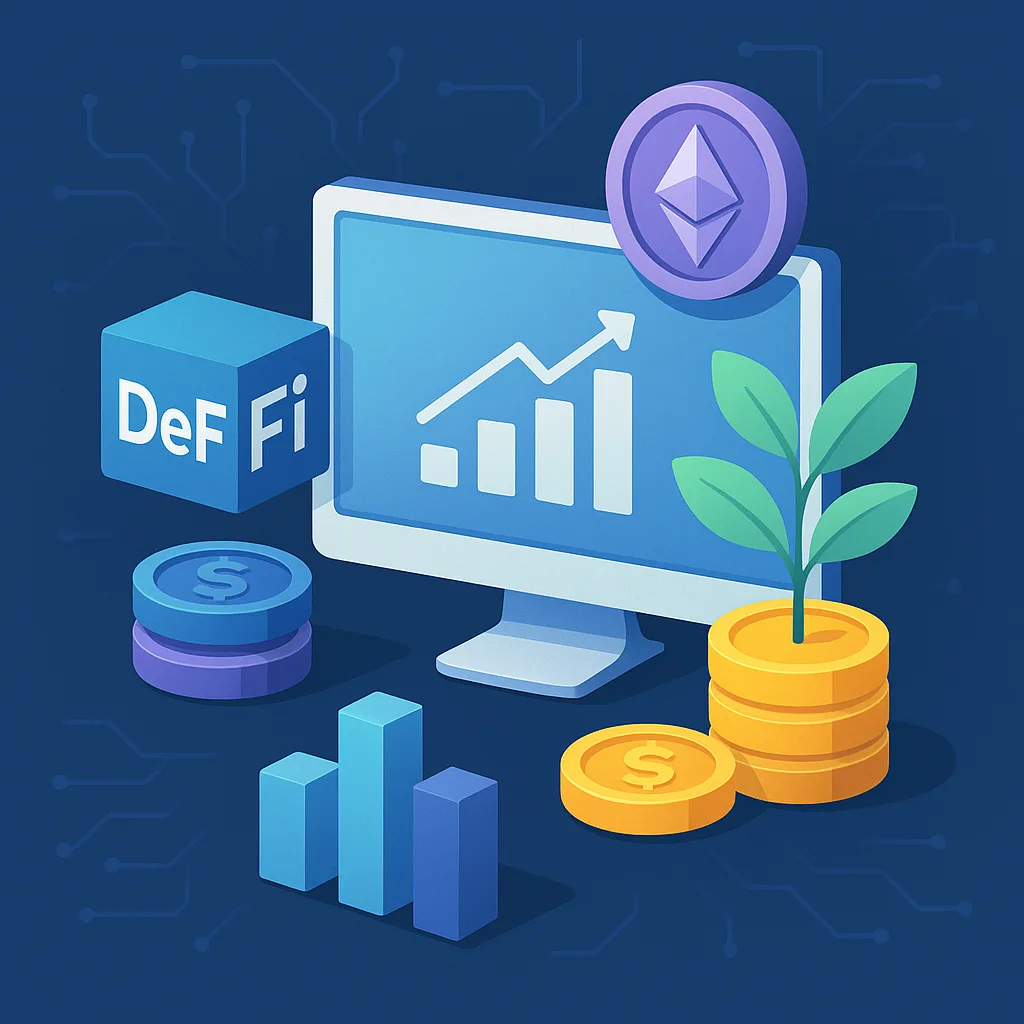
Decentralized Finance, or DeFi, has emerged as one of the most transformative innovations within the blockchain ecosystem, reshaping the financial landscape as we know it. By leveraging smart contracts and blockchain technology, DeFi platforms enable users to access financial services without the need for traditional intermediaries such as banks or brokers. This has led to a paradigm shift in how individuals and institutions interact with financial markets, fostering greater accessibility, efficiency, and transparency.
One of the most significant innovations in DeFi is the development of automated market makers (AMMs). Unlike traditional exchanges that rely on order books, AMMs utilize liquidity pools to facilitate trading. Users can contribute to these pools by providing liquidity, earning fees in return. This model not only enhances liquidity but also democratizes market making, allowing anyone to participate and earn passive income. The rise of AMMs has significantly increased trading volumes in the DeFi space and has paved the way for innovative trading strategies that were previously unattainable.
Another noteworthy innovation is the advent of yield farming and liquidity mining. These mechanisms provide users with incentives to stake their assets within DeFi protocols, rewarding them with tokens or interest. Yield farming has gained immense popularity, as it allows users to maximize their returns on investments through various strategies, such as moving assets between protocols to chase the highest yields. However, this innovation has also introduced complexities and risks, including impermanent loss and smart contract vulnerabilities, which users must navigate carefully.
As DeFi continues to evolve, the integration of layer-2 solutions and cross-chain functionalities has become increasingly vital. These innovations aim to address scalability issues and enhance transaction speeds, making DeFi platforms more user-friendly and capable of handling higher volumes of transactions. Moreover, the ability to interact across multiple blockchain networks fosters greater interoperability, unlocking new possibilities for collaboration and innovation within the DeFi ecosystem. As we look ahead, it is clear that the innovations within DeFi are not only reshaping financial services but are also setting the stage for a more inclusive and decentralized financial future.
The Rise of Yield Farming: Opportunities and Risks
Yield farming has emerged as one of the most exciting and dynamic opportunities within the decentralized finance (DeFi) landscape. By allowing users to lend or stake their cryptocurrencies in exchange for high returns, yield farming has attracted both seasoned investors and newcomers alike. Essentially, yield farming involves leveraging various DeFi protocols to optimize returns on one’s crypto assets, often through the use of liquidity pools. This process not only allows participants to earn rewards but also plays a critical role in the overall liquidity and functionality of DeFi platforms. Guide to yield farming strategies.
However, while the allure of high yields is enticing, it is crucial to recognize the inherent risks associated with yield farming. The DeFi space is notorious for its volatility and the potential for smart contract vulnerabilities. Investors must navigate a rapidly changing landscape where protocols may be experimental, leading to significant financial losses if a platform is compromised or fails to operate as intended. Additionally, the impermanent loss – a phenomenon where liquidity providers face losses due to price fluctuations between paired tokens – is a constant threat in yield farming scenarios.
Despite these risks, the innovative nature of yield farming continues to attract capital and drive the evolution of DeFi. New strategies and tools are regularly being developed to enhance the safety and efficiency of yield farming practices. For instance, automated yield aggregators have gained popularity, allowing users to optimize their yield farming strategies without requiring constant monitoring. As the technology matures, we may see more robust risk management protocols and insurance products designed specifically for yield farmers, which could mitigate some of the risks currently present.
In conclusion, yield farming represents a double-edged sword within the DeFi ecosystem. On one hand, it offers unique opportunities for wealth generation and financial empowerment in ways traditional finance cannot match. On the other hand, it requires a careful assessment of risks and a proactive approach to safeguarding investments. As DeFi continues to evolve, the future of yield farming will likely be shaped by ongoing innovations and the lessons learned from both its successes and failures.
Synthetic Assets: Bridging Traditional and Digital Finance
Synthetic assets are emerging as a powerful innovation in the decentralized finance (DeFi) landscape, effectively bridging the gap between traditional finance and the burgeoning world of digital assets. These financial instruments, which are designed to mimic the value of real-world assets, allow users to gain exposure to various markets without needing to own the underlying assets directly. By utilizing smart contracts on blockchain networks, synthetic assets can represent anything from fiat currencies and commodities to stocks and real estate, providing users with unparalleled flexibility and accessibility. Future of cross-chain interoperability.
The appeal of synthetic assets lies in their ability to democratize access to traditional financial markets. In many cases, investing in traditional assets can involve significant barriers, such as high transaction fees, regulatory hurdles, and complex custodial requirements. Synthetic assets eliminate many of these obstacles, enabling users to create and trade assets that reflect the value of real-world instruments with minimal friction. This accessibility promotes greater participation in financial markets, particularly for individuals and communities that have historically been excluded from the financial system.
However, the rise of synthetic assets is not without its challenges. The complexity of creating and maintaining these assets introduces risks, particularly concerning the accuracy of price feeds and the potential for systemic failures in the underlying protocols. Additionally, regulatory scrutiny surrounding synthetic assets is intensifying as authorities seek to understand and address the implications of these innovations on market stability and investor protection. As synthetic assets grow in popularity, it will be crucial for developers and regulators to collaborate in establishing frameworks that promote innovation while safeguarding users.
Looking ahead, synthetic assets are poised to play a pivotal role in the evolution of the DeFi ecosystem. As more users become aware of their potential and the technology continues to mature, we can expect to see an increase in the variety and sophistication of synthetic instruments available in the market. By fostering greater financial inclusion and bridging the divide between traditional and digital finance, synthetic assets could redefine the way individuals and institutions interact with financial markets, paving the way for a more interconnected and equitable financial future.
Decentralized Exchanges vs. Centralized Exchanges: A Comparative Analysis
The rise of decentralized finance (DeFi) has heralded a new era for trading cryptocurrencies, with decentralized exchanges (DEXs) emerging as a formidable alternative to traditional centralized exchanges (CEXs). Centralized exchanges have long been the backbone of cryptocurrency trading, providing users with easy access to a variety of digital assets and high liquidity. However, the shift towards decentralization brings with it unique advantages and challenges that are reshaping the landscape of cryptocurrency trading.
One of the most significant benefits of DEXs is the enhanced privacy and security they offer. Since DEXs operate on a peer-to-peer basis, users retain full control over their private keys and funds, minimizing the risk of hacks and theft that have plagued centralized platforms. Furthermore, DEXs often require less personal information for trading, appealing to users concerned about privacy and data security. In contrast, CEXs necessitate a more rigorous Know Your Customer (KYC) process, which can deter some users and introduce vulnerabilities related to data breaches. Future of DeFi governance.
Another crucial distinction lies in the operational mechanisms of these exchanges. DEXs utilize automated market makers (AMMs) and liquidity pools, allowing users to trade directly from their wallets without relying on intermediaries. This innovation not only facilitates seamless trading but also enables users to earn rewards through liquidity provisioning. On the other hand, CEXs rely on order books, which can lead to issues like slippage during high-volume trading. Additionally, the liquidity available on CEXs is often significantly higher, making them more suitable for large trades.
However, DEXs are not without their challenges. Issues such as lower liquidity, higher transaction fees during network congestion, and the complexity of the user interface can be barriers for new traders. Moreover, many DEXs are still in their nascent stages, lacking the robust customer support and regulatory oversight that accompany established CEXs. As the DeFi ecosystem matures, addressing these challenges will be crucial for DEXs to compete effectively with their centralized counterparts.
The Role of Governance Tokens in DeFi Ecosystems
In the rapidly evolving landscape of decentralized finance (DeFi), governance tokens have emerged as a pivotal component, providing users with the power to participate in decision-making processes that shape the future of various protocols. These tokens are typically distributed among users based on their participation or investment in a specific platform, allowing them to vote on proposals, protocol upgrades, and changes in governance structures. This democratization of decision-making not only empowers users but also fosters a sense of community and shared ownership, which are foundational principles of decentralized finance.
Governance tokens serve multiple purposes within DeFi ecosystems. Firstly, they align the interests of users and developers, as token holders have a vested interest in the long-term success of the platform. When users can influence decisions, they are more likely to engage with the protocol actively, be it through liquidity provision, staking, or utilizing various financial products. This engagement can lead to increased liquidity, which is essential for the overall health and functionality of DeFi platforms. Furthermore, governance tokens can incentivize positive behaviors, such as voting on proposals that enhance security or improve user experience, thereby contributing to the ecosystem's sustainability.
However, the governance model in DeFi is not without its challenges. One significant issue is the potential for centralization, where a small number of token holders may wield disproportionate influence over the decision-making process. This can lead to governance capture, where the interests of a few overshadow the broader community's needs. To combat this, many protocols are exploring quadratic voting and other innovative mechanisms to ensure that governance remains truly decentralized and equitable. Additionally, the complexity of proposals can sometimes deter participation from the average user, who may feel overwhelmed or uninformed about the implications of their vote. Educating users about governance processes and proposals is crucial for fostering a more inclusive governance culture. Trade WBTC/USDT.
As the DeFi space continues to mature, the role of governance tokens will likely evolve. Innovations such as cross-platform governance and multi-chain interoperability may emerge, allowing for a more interconnected DeFi ecosystem where users can have a say across different platforms. Furthermore, as regulatory scrutiny increases, governance tokens may play a central role in ensuring compliance while maintaining the decentralized ethos of DeFi. Ultimately, the future of governance tokens in DeFi will hinge on striking a balance between decentralization, user engagement, and the practicalities of effective governance.
Challenges in DeFi: Security, Regulation, and Scalability
The decentralized finance (DeFi) landscape has seen rapid growth and innovation, yet it is not without its significant challenges. One of the most pressing issues is security. DeFi platforms, often built on smart contracts, can be susceptible to vulnerabilities and exploits. High-profile hacks and security breaches have resulted in the loss of millions of dollars, undermining trust in these emerging systems. As DeFi continues to mature, developers must prioritize security audits and incorporate robust testing protocols to mitigate risks. Furthermore, the decentralized nature of these platforms complicates the ability to respond to security incidents, making it crucial for users to conduct their own due diligence before engaging with any DeFi service.
Another major challenge is regulatory uncertainty. Governments and regulatory bodies around the world are grappling with how to approach DeFi. The lack of clear regulations can create a double-edged sword: while it fosters innovation and experimentation, it also leaves users vulnerable to scams and fraudulent schemes. As regulators seek to impose frameworks on DeFi, there is a risk that overly stringent rules could stifle innovation, pushing developers back toward centralized solutions. The challenge lies in finding a balance that protects users without hindering the growth of DeFi ecosystems. Stakeholders in the DeFi space must engage with regulators to ensure that the unique characteristics of decentralized finance are understood and considered in policy-making.
Scalability presents yet another hurdle in the DeFi ecosystem. As more users flock to DeFi platforms, the underlying blockchain networks often struggle to handle the increased transaction volume. High gas fees and slow transaction times can deter users from participating, especially during periods of high demand. Various solutions are being explored, such as layer-2 scaling solutions and cross-chain interoperability, to enhance the performance of DeFi applications. However, these solutions are still in their infancy and require extensive testing and development. For DeFi to reach its full potential, addressing scalability issues is imperative to ensure that platforms can accommodate a growing user base without sacrificing performance.
As the DeFi sector evolves, tackling these challenges will be essential for fostering a safe, efficient, and sustainable ecosystem. By addressing security vulnerabilities, navigating regulatory landscapes, and enhancing scalability, the DeFi space can continue to innovate and provide users with unprecedented financial opportunities. BNSOL price.
Future Trends: What’s Next for DeFi Innovations?
The decentralized finance (DeFi) landscape is evolving at a breakneck pace, with innovations emerging that promise to redefine the financial services sector. One of the most significant trends shaping the future of DeFi is the integration of artificial intelligence (AI) and machine learning. These technologies can analyze vast amounts of data to provide users with personalized financial advice, optimize trading strategies, and enhance risk management. As AI continues to advance, we can expect DeFi platforms to offer increasingly sophisticated tools that cater to individual user needs, thereby improving user experiences and fostering broader adoption.
Another trend poised to impact DeFi is the rise of cross-chain interoperability. As more blockchain networks emerge, the ability to transfer assets and data seamlessly across different ecosystems will become essential. Projects focused on building bridges between various blockchains, such as Polkadot and Cosmos, are already gaining traction. This interoperability will not only enhance liquidity but also create a more interconnected financial ecosystem, allowing users to access a wider range of DeFi products and services without being restricted to a single blockchain.
Moreover, the continued maturation of regulatory frameworks around DeFi will play a crucial role in shaping its future. As regulators around the globe begin to understand the potential benefits and risks of decentralized finance, we can expect clearer guidelines that will foster innovation while protecting consumers. This regulatory clarity can instill confidence among institutional investors, encouraging them to participate in DeFi markets and thereby increasing overall market liquidity. However, striking the right balance between regulation and innovation will be a challenge that the industry must navigate carefully.
Lastly, the growing focus on sustainability within the DeFi space cannot be overlooked. As environmental concerns gain prominence, DeFi projects are increasingly exploring eco-friendly solutions, such as proof-of-stake consensus mechanisms and energy-efficient protocols. The demand for sustainable finance options will likely drive innovation in DeFi, leading to the development of platforms that not only prioritize profitability but also minimize their environmental impact. This trend represents a shift towards a more responsible financial ecosystem that aligns with the values of a growing number of investors and users. Staking.
Conclusion: Embracing Change in the DeFi Landscape
The decentralized finance (DeFi) ecosystem is at a pivotal point in its evolution, characterized by rapid innovation and substantial challenges. As we navigate the future of DeFi, it is essential for participants—ranging from developers and investors to users and regulators—to adopt a mindset of adaptability and resilience. The principles that underpin DeFi, such as transparency, accessibility, and decentralization, hold significant promise for transforming traditional financial systems. However, the path forward is fraught with complexities that require thoughtful engagement and collective action.
One of the most pressing challenges facing DeFi is the need for regulatory clarity. As governments and regulatory bodies begin to take a closer look at the implications of decentralized financial systems, it is crucial for the DeFi community to engage proactively in these discussions. Striking a balance between innovation and regulation will be paramount to ensure that the benefits of DeFi can be fully realized while safeguarding users and the broader financial system. Embracing change means being open to collaboration with regulators to create frameworks that support innovation while addressing legitimate concerns.
Moreover, the technology underlying DeFi is continuously evolving, bringing both new opportunities and potential vulnerabilities. As protocols become more complex, the risk of bugs, hacks, and unforeseen consequences increases. Therefore, prioritizing security and robust governance mechanisms will be vital in maintaining user trust and ensuring the sustainability of DeFi projects. As we look ahead, the community's commitment to best practices in security audits, code reviews, and transparent governance will be instrumental in fostering a resilient DeFi landscape.
Ultimately, embracing change in the DeFi landscape requires a collective effort from all stakeholders. By fostering an environment of collaboration, education, and open dialogue, we can navigate the uncertainties ahead and harness the full potential of decentralized finance. The journey may be challenging, but the reward—a more inclusive, efficient, and innovative financial ecosystem—makes it a pursuit worth undertaking. As we step into this future, let us remain vigilant, agile, and committed to the foundational principles that drive the DeFi movement.