Introduction to Decentralized Autonomous Organizations (DAOs)
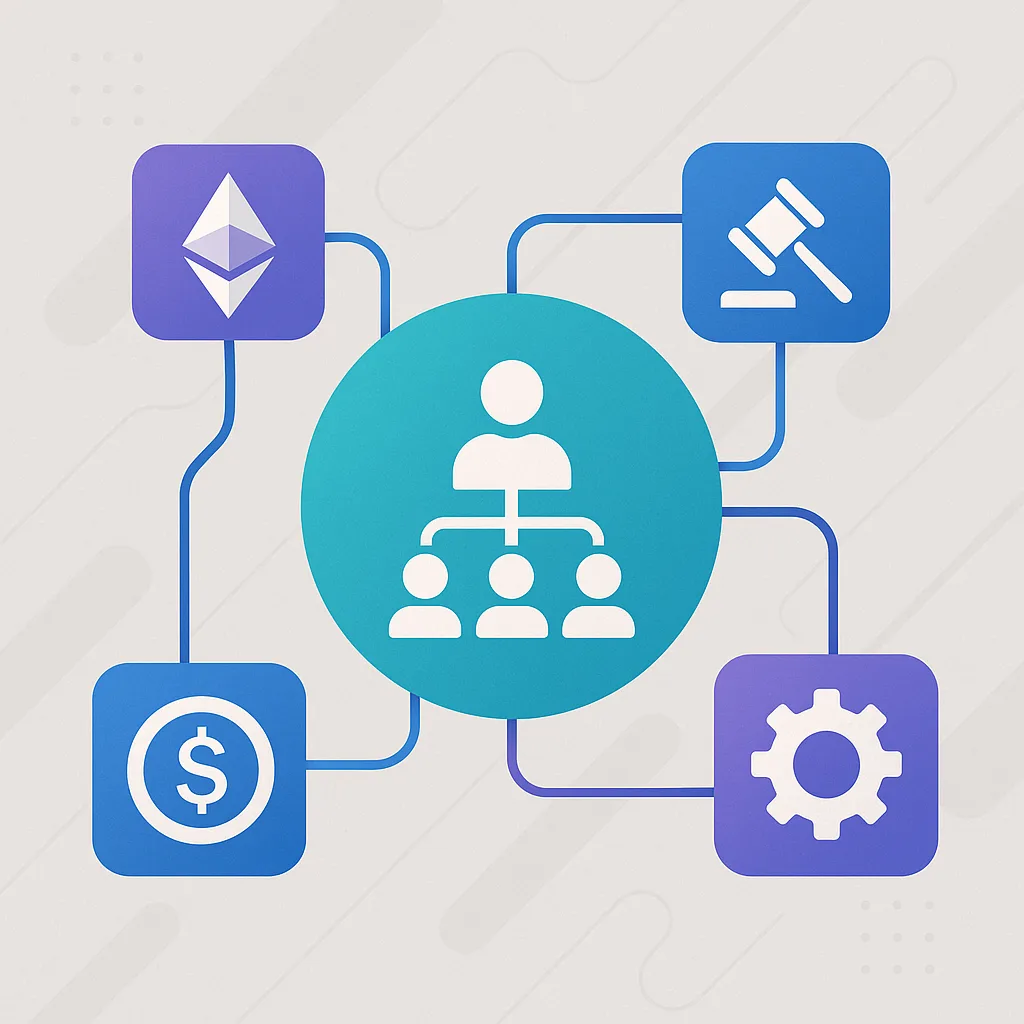
Decentralized Autonomous Organizations (DAOs) represent a significant evolution in the realm of governance and organizational structures within the decentralized finance (DeFi) ecosystem. At their core, DAOs leverage blockchain technology to create a framework where decision-making is distributed among stakeholders rather than centralized in a single entity. This shift not only enhances transparency but also fosters a sense of community and shared ownership, essential elements in the rapidly evolving world of DeFi.
Traditionally, organizations have operated under hierarchical structures that often lead to inefficiencies, lack of transparency, and potential conflicts of interest. In contrast, DAOs enable a governance model where token holders can propose, discuss, and vote on key decisions, such as protocol upgrades, fund allocations, and strategic direction. This democratic approach not only empowers participants but also attracts a diverse range of contributors, ensuring that a variety of perspectives are considered in the decision-making process.
The rise of DAOs has been catalyzed by the increasing popularity of blockchain technology and cryptocurrencies, which provide the necessary tools to facilitate decentralized governance. Smart contracts, self-executing contracts with the terms of the agreement directly written into code, play a pivotal role in automating processes and enforcing decisions without the need for intermediaries. This automation reduces the potential for human error and ensures that decisions are executed as intended, thereby instilling greater confidence among participants.
Furthermore, DAOs are uniquely positioned to address some of the most pressing challenges in traditional governance models, including centralization, lack of accountability, and slow response times. By leveraging a decentralized framework, DAOs can adapt more rapidly to changing market conditions and community needs. This agility is particularly advantageous in the fast-paced DeFi landscape, where innovation and adaptability are crucial for success. As we delve deeper into the intricacies of DAOs, it becomes clear that they are not just a passing trend but a fundamental shift in how we envision governance in the digital age.
The Role of DAOs in DeFi Ecosystems
Decentralized Autonomous Organizations (DAOs) are fundamentally reshaping the landscape of decentralized finance (DeFi) by introducing a new paradigm for governance and decision-making. In traditional finance, authority is often centralized, with a small group of individuals holding significant power over financial decisions. In contrast, DAOs operate on blockchain technology, enabling a more democratic and transparent approach where stakeholders can participate in the governance process. This shift not only empowers users but also fosters a sense of community and shared responsibility. Rethinking governance in DeFi.
One of the most significant advantages of DAOs in DeFi ecosystems is their ability to facilitate collective decision-making. Token holders within a DAO typically have voting rights proportional to their stake, allowing them to influence crucial aspects of the organization, such as protocol upgrades, treasury management, and liquidity incentives. This model creates a more engaged and invested community, as members have a direct say in the direction of the project. Moreover, with smart contracts automating governance processes, DAOs can operate efficiently and transparently, reducing the potential for manipulation and bias.
DAOs also play a critical role in incentivizing participation and contribution within DeFi ecosystems. By rewarding users with governance tokens for their involvement—be it through providing liquidity, participating in discussions, or suggesting improvements—DAOs can cultivate a vibrant ecosystem where users feel valued and motivated to contribute. This incentive structure not only enhances user engagement but also strengthens the overall resilience and adaptability of the DeFi project, as diverse perspectives and ideas can lead to innovative solutions.
Furthermore, DAOs facilitate cross-project collaboration, which is essential in the rapidly evolving DeFi space. By allowing different projects to engage with one another through shared governance frameworks, DAOs can foster partnerships that enhance liquidity, share resources, and combine expertise. This collaborative approach can lead to the development of new financial products and services that benefit the entire ecosystem, driving growth and innovation in ways that were previously unimaginable in traditional finance.
Key Features of DAOs: Smart Contracts and Governance Tokens
Decentralized Autonomous Organizations (DAOs) are reshaping the landscape of decentralized finance (DeFi) governance by leveraging two pivotal components: smart contracts and governance tokens. Smart contracts are self-executing contracts with the terms of the agreement directly written into code. They are hosted on a blockchain, which ensures transparency, security, and immutability. By eliminating the need for intermediaries, smart contracts enable DAOs to operate autonomously, executing decisions and transactions without human intervention. This automation reduces operational costs and enhances efficiency, making DAOs an appealing alternative to traditional organizational structures. Impact of MakerDAO in DeFi.
Governance tokens play a critical role in the functioning of DAOs, providing a mechanism for stakeholders to participate in the decision-making process. Holders of governance tokens are granted voting rights, allowing them to influence key aspects such as protocol upgrades, fund allocation, and project direction. This token-based governance model embodies the principles of decentralization and community involvement, ensuring that decisions reflect the collective interests of the members. The distribution of governance tokens can also incentivize participation, as users may stake their tokens to earn rewards, further driving engagement within the ecosystem.
One of the defining characteristics of DAOs is their ability to facilitate a more democratic governance structure. Unlike traditional organizations, where decision-making power often resides with a select few, DAOs empower all token holders to voice their opinions and vote on proposals. This inclusivity not only fosters a sense of community but also promotes diverse perspectives, which can lead to more informed and innovative decisions. As a result, DAOs can adapt more quickly to changes in the market or user needs, ensuring their long-term sustainability and relevance in the rapidly evolving DeFi landscape.
However, while the promise of DAOs is significant, challenges remain. The governance process can become contentious, especially in larger organizations where differing opinions may lead to gridlock. Additionally, the risk of centralization persists if a small number of individuals accumulate a majority of governance tokens, undermining the very principles of decentralized governance. Despite these challenges, the continued evolution of smart contracts and governance mechanisms presents exciting opportunities for the future of DAOs and their role within DeFi.
Case Studies: Successful DAOs in the DeFi Space
Decentralized Autonomous Organizations (DAOs) have emerged as a revolutionary model for governance in the decentralized finance (DeFi) ecosystem. These organizations leverage blockchain technology to enable community-driven decision-making and resource allocation. To illustrate the potential of DAOs, we can explore a few notable case studies that have successfully integrated this governance model into their operations.
One of the most prominent examples of a successful DAO in the DeFi space is MakerDAO. MakerDAO governs the DAI stablecoin, which is pegged to the US dollar. The DAO enables MKR token holders to participate in decision-making processes regarding the stability of the DAI ecosystem. Through a system of governance proposals and voting, MKR holders can influence crucial parameters such as collateral types and risk management strategies. This decentralized governance structure has helped MakerDAO maintain a robust and resilient stablecoin, even amidst market volatility, showcasing how a DAO can effectively manage complex financial products while distributing power among its community. Exploring DeFi innovations and future.
Another noteworthy example is Compound, a lending protocol that allows users to lend and borrow cryptocurrencies. Compound has implemented a DAO to govern its protocol and manage the distribution of its native COMP token. Token holders within the Compound DAO can propose and vote on various changes to the protocol, including interest rate models and the addition of new assets. This community-driven approach has enabled Compound to evolve rapidly and adapt to user needs, making it one of the most popular platforms in the DeFi space. The ability for users to have a direct say in the platform's evolution fosters a sense of ownership and engagement, which is vital for the long-term success of any DeFi protocol.
Lastly, Uniswap, one of the leading decentralized exchanges, has also embraced the DAO model. With the introduction of its governance token, UNI, Uniswap allows its community to propose and vote on significant protocol upgrades and changes. This has empowered users to play an active role in shaping the future of the platform, including decisions related to liquidity mining programs and fee structures. Uniswap's robust governance framework has been instrumental in maintaining its competitive edge and adapting to the rapidly changing DeFi landscape.
Challenges and Limitations of DAO Governance
Decentralized Autonomous Organizations (DAOs) represent a pioneering approach to governance in the decentralized finance (DeFi) ecosystem. While they offer innovative solutions to traditional organizational structures, they are not without their challenges and limitations. One of the most significant issues faced by DAOs is the problem of participant engagement and decision-making efficiency. In a fully decentralized model, every member has a voice, which can lead to a multitude of opinions and prolonged discussions. While this democratic approach is appealing, it can also result in decision paralysis, where important choices are delayed due to the need for consensus among a diverse group of stakeholders.
Another major challenge is the risk of governance attacks, whereby a malicious actor acquires a significant share of governance tokens to manipulate decisions in their favor. This vulnerability can undermine the foundational principle of fairness that DAOs strive for. Moreover, such attacks can deter potential participants, making them wary of engaging in a governance structure where their votes might be overruled by a single entity or a coordinated group. Ensuring robust security measures and voter authentication mechanisms is essential, yet these solutions can complicate the governance model further.
Additionally, the legal status of DAOs remains uncertain in many jurisdictions, creating a complex landscape for participants. Without a clear legal framework, DAOs may struggle to enforce decisions or manage disputes effectively. This lack of regulatory clarity can also impact the willingness of traditional investors or institutions to participate in DAO governance. As the DeFi landscape evolves, it is crucial for DAOs to navigate these legal challenges to gain broader acceptance and legitimacy. Trade WBTC/USDT.
Finally, there is the question of inclusivity and accessibility. While DAOs are designed to democratize governance, they often rely on technology that can alienate non-technical users. Complex interfaces and the need for familiarity with blockchain technology can limit participation, leaving certain demographics underrepresented. To truly embody the principles of decentralization, DAOs must strive to create user-friendly platforms that welcome diverse participants, ensuring that governance reflects the collective interests of all stakeholders.
The Future of DAOs: Innovations and Trends
As the landscape of decentralized finance (DeFi) continues to evolve, Decentralized Autonomous Organizations (DAOs) are emerging as a cornerstone of governance and decision-making in the blockchain ecosystem. The future of DAOs is not just about managing assets or voting on proposals; it is increasingly about integrating innovative technologies that enhance transparency, efficiency, and community engagement. One significant trend is the adoption of layer-2 solutions that improve scalability and reduce transaction fees, enabling DAOs to operate more efficiently without sacrificing decentralization.
Another exciting development is the integration of artificial intelligence (AI) within DAOs. By leveraging AI algorithms, these organizations can analyze vast amounts of data to make informed decisions, predict market trends, and optimize resource allocation. This fusion of AI and blockchain technology could lead to a new era of data-driven governance, where decisions are made based on empirical evidence rather than subjective opinions. Additionally, the implementation of AI can help streamline administrative tasks within DAOs, allowing community members to focus on strategic initiatives and creative solutions.
Moreover, the rise of non-fungible tokens (NFTs) is also influencing the future of DAOs. NFTs can represent membership rights or voting power within a DAO, creating a unique and personalized governance experience for participants. This trend not only enhances user engagement but also opens up new avenues for incentivizing contributions to the organization. As DAOs continue to explore innovative ways to integrate NFTs, we can expect to see more creative approaches to governance, funding, and community-building.
Finally, the future of DAOs will likely be characterized by increased collaboration between different organizations across various sectors. As DAOs mature, we may witness the creation of cross-DAO collaborations that allow for shared resources, knowledge, and expertise. This interconnectedness can drive innovation and broaden the impact of DAOs in addressing real-world challenges. As we move forward into this exciting new chapter in DeFi governance, it’s clear that DAOs will play a pivotal role in shaping a decentralized, transparent, and community-driven future. PENGU price.
Comparing Traditional Governance vs. DAO Governance
In the realm of governance, traditional models have long been characterized by hierarchical structures and centralized decision-making processes. Organizations typically follow a top-down approach, where a select few individuals or committees hold the power to make critical decisions. This often results in a disconnect between leadership and stakeholders, leading to potential inefficiencies and a lack of responsiveness to the needs of the wider community. Furthermore, the bureaucratic nature of traditional governance can stifle innovation and slow down the decision-making process, ultimately hindering an organization’s ability to adapt to changing circumstances.
In stark contrast, Decentralized Autonomous Organizations (DAOs) operate on principles of decentralization and transparency. Governance within a DAO is typically facilitated by smart contracts on a blockchain, allowing for a more democratic approach where every stakeholder has a stake in the decision-making process. Members of a DAO usually possess governance tokens that grant them voting rights, enabling them to propose and vote on initiatives, budget allocations, and policy changes. This model fosters a sense of community ownership and engagement, as decisions are made collectively rather than dictated by a small group.
Moreover, DAO governance offers unprecedented transparency, as all proposals, votes, and outcomes are recorded on the blockchain. This immutable ledger ensures that every action taken by the organization is publicly accessible, reducing the likelihood of corruption and increasing accountability. Stakeholders can easily track how decisions are made and how funds are allocated, which builds trust within the community. By contrast, traditional governance often lacks this level of transparency, leading to skepticism and disengagement among stakeholders.
However, it’s important to note that DAO governance is not without its challenges. While the decentralized nature of DAOs promotes inclusivity, it can also lead to issues such as voter apathy or manipulation by those holding a disproportionate number of tokens. Additionally, the complexity of smart contracts can introduce technical vulnerabilities that might be exploited. Thus, while DAOs represent a promising shift in governance, they require careful design and ongoing community engagement to realize their full potential in the DeFi landscape. Futures trading.
Conclusion: The Impact of DAOs on the Future of Finance
Decentralized Autonomous Organizations (DAOs) are poised to transform the landscape of finance as we know it. By leveraging blockchain technology, DAOs offer a novel governance model that promotes transparency, inclusivity, and efficiency. Unlike traditional organizations, which often rely on centralized decision-making structures, DAOs empower stakeholders through a democratic voting system that allows every member an equal voice. This shift towards decentralized governance not only enhances accountability but also encourages active participation from community members, ensuring that decisions reflect the collective will.
The impact of DAOs on decentralized finance (DeFi) is profound. With the rise of DAOs, financial governance can become more equitable, reducing the power imbalances that have historically plagued financial institutions. For instance, in a DAO, every token holder can propose changes or vote on key initiatives, making it possible for diverse viewpoints to shape the direction of the organization. This democratization of financial governance can lead to more innovative and responsive financial products that cater to the needs of a broader audience.
Moreover, DAOs facilitate the creation of new economic models that challenge the status quo. Traditional finance often operates on principles that prioritize profit maximization for shareholders, sometimes at the expense of broader societal benefits. In contrast, many DAOs are built with a mission-driven ethos, focusing on community welfare and sustainable practices. By aligning financial incentives with social values, DAOs can foster a more resilient and equitable financial ecosystem that prioritizes long-term benefits over short-term gains.
As we move forward, the potential for DAOs to redefine our understanding of governance in finance is immense. They encourage collaboration, innovation, and adaptability, which are essential in an increasingly complex and fast-paced financial world. While challenges remain, such as regulatory scrutiny and the need for enhanced security measures, the momentum behind DAOs continues to grow. By embracing this new model, we can envision a future where finance is not just a means of transaction but a community-driven endeavor, paving the way for a more inclusive and sustainable economic landscape.