Introduction to Litecoin: History and Purpose
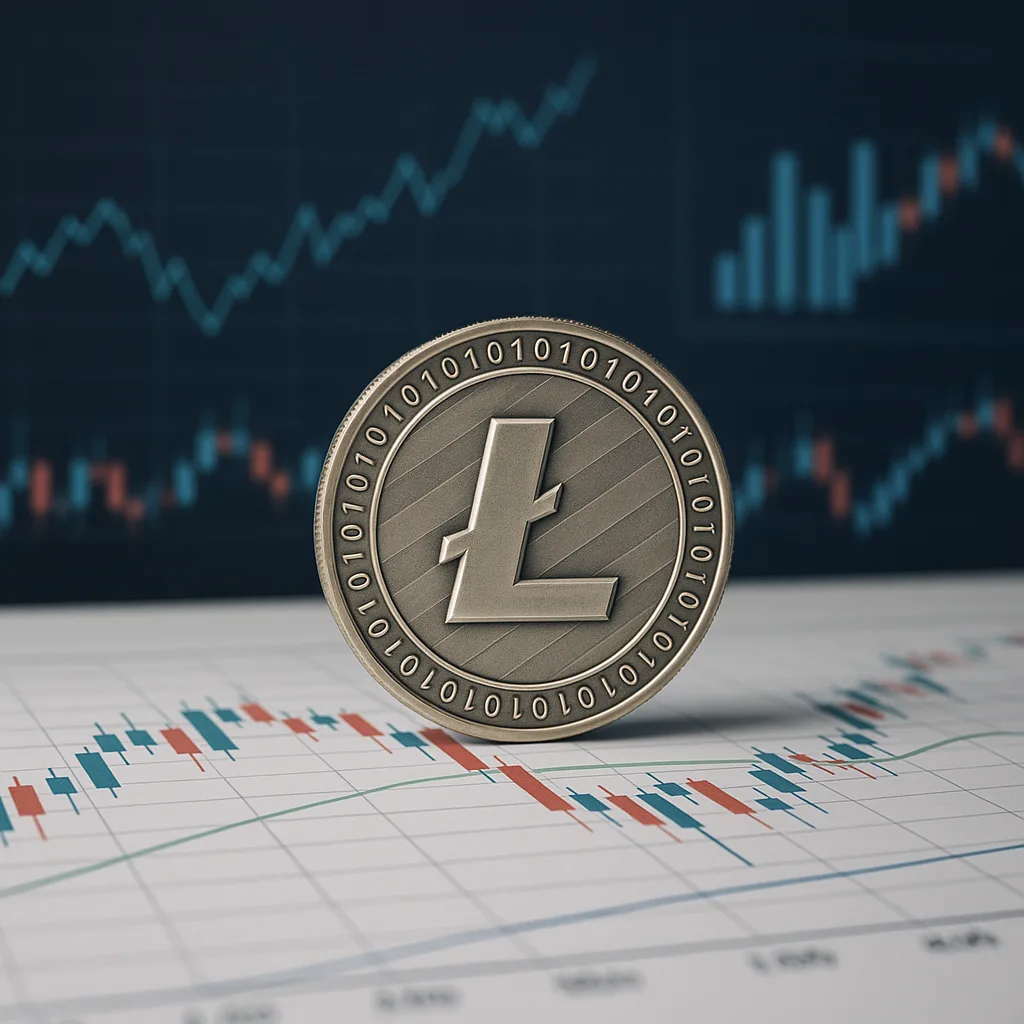
Litecoin, often referred to as the silver to Bitcoin's gold, was created in 2011 by Charlie Lee, a former Google engineer. The primary aim of Litecoin was to provide a more lightweight alternative to Bitcoin, allowing for faster transaction times and lower fees. Leveraging the same underlying technology as Bitcoin, Litecoin introduced several key modifications that enhanced its usability and efficiency in the burgeoning world of cryptocurrency.
One of the defining features of Litecoin is its reduced block generation time. While Bitcoin has a block time of approximately 10 minutes, Litecoin’s block time is set to just 2.5 minutes. This means that transactions can be confirmed significantly faster, making it a more practical option for everyday transactions. Additionally, Litecoin utilizes a different hashing algorithm called Scrypt, which was designed to be more memory-intensive and resistant to specialized mining hardware, thus promoting a more decentralized mining environment.
The purpose of Litecoin extends beyond just faster transactions; it serves as a testing ground for new features that may later be implemented in Bitcoin. Innovations such as Segregated Witness (SegWit) and the Lightning Network were first adopted by Litecoin, showcasing its role as a proving ground for technological advancements in the cryptocurrency space. This adaptability has helped Litecoin maintain its relevance and position within the top ranks of cryptocurrencies, even amidst fierce competition.
In the broader context of digital currency, Litecoin aims to facilitate peer-to-peer transactions while providing a more user-friendly experience for those entering the crypto market. Its lower transaction fees compared to traditional financial systems have made it attractive for microtransactions, remittances, and other real-world applications. As the cryptocurrency landscape continues to evolve, Litecoin's commitment to innovation and accessibility remains a cornerstone of its mission, making it an essential asset for traders and investors alike. Building your first trading plan.
Understanding Litecoin's Market Dynamics
Litecoin, often referred to as the silver to Bitcoin's gold, operates within a unique market dynamic that is influenced by various factors, including technological developments, market sentiment, and macroeconomic trends. To effectively trade Litecoin, it is crucial to grasp how these dynamics interact and shape price movements. One of the primary drivers of Litecoin's market is its technological framework, which is built on a similar codebase as Bitcoin but boasts faster transaction times and a different hashing algorithm. This gives Litecoin an edge in terms of scalability and transaction efficiency, making it a preferred choice for users seeking quicker transactions.
Market sentiment plays a significant role in the trading of Litecoin, as it does with most cryptocurrencies. Traders and investors often react to news and events that can impact the broader crypto market. For example, regulatory news, technological upgrades, or partnerships can create significant volatility. Understanding how to gauge market sentiment through social media trends, news reports, and trading volumes can provide valuable insights for making informed trading decisions. Moreover, the growing acceptance of Litecoin as a payment method by various merchants adds to its credibility and can lead to increased demand, impacting its price positively.
Another essential aspect of Litecoin's market dynamics is its correlation with Bitcoin. As a major player in the cryptocurrency space, Bitcoin's price movements often set the tone for other cryptocurrencies, including Litecoin. Traders should monitor Bitcoin's performance closely, as it can significantly influence Litecoin's price trends. Additionally, the overall state of the cryptocurrency market, including Bitcoin dominance and investor appetite for altcoins, can provide context for Litecoin's price action. Understanding these correlations can help traders anticipate potential price movements and adjust their strategies accordingly.
Finally, it's important to consider the macroeconomic environment when trading Litecoin. Factors such as inflation rates, interest rates, and economic policies can influence investor behavior and, subsequently, the cryptocurrency market. By keeping an eye on these broader economic indicators, traders can better position themselves in the Litecoin market. In summary, mastering Litecoin trading requires a comprehensive understanding of its market dynamics, including technological factors, market sentiment, correlations with Bitcoin, and overarching macroeconomic influences. Common trading mistakes to avoid.
Technical Analysis: Tools and Indicators
When it comes to trading Litecoin successfully, mastering technical analysis is crucial. This form of analysis involves using historical price data and trading volume to forecast future price movements. Traders rely on a variety of tools and indicators to gain insights into market trends, identify potential entry and exit points, and make informed decisions. Understanding these tools can significantly enhance your trading strategy and help you navigate the often volatile cryptocurrency market.
One of the fundamental tools used in technical analysis is the price chart. Charts visually represent price movements over specific periods, allowing traders to identify patterns and trends. There are different types of charts, including line charts, bar charts, and candlestick charts, each providing unique insights. Candlestick charts, for instance, are particularly popular among traders because they not only show the opening and closing prices but also reveal the highs and lows within a given timeframe. Analyzing these patterns can help you predict future price movements based on historical behavior.
In addition to price charts, traders often utilize various indicators to supplement their analysis. Moving averages, for instance, are a common tool used to smooth out price data and identify trends. The Simple Moving Average (SMA) and the Exponential Moving Average (EMA) are two types of moving averages that traders frequently employ. The SMA calculates the average price over a specific period, while the EMA gives more weight to recent prices, making it more responsive to new information. By observing crossovers between different moving averages, traders can identify potential buy or sell signals.
Another important indicator is the Relative Strength Index (RSI), which measures the speed and change of price movements. The RSI ranges from 0 to 100 and is typically used to identify overbought or oversold conditions in the market. An RSI above 70 may indicate that Litecoin is overbought, suggesting a potential price correction, while an RSI below 30 may indicate that it is oversold, signaling a possible price increase. By incorporating these indicators into your trading strategy, you can make more informed decisions and improve your chances of success in the Litecoin market. Investment and staking strategies in crypto.
Risk Management Techniques for Litecoin Traders
Risk management is a crucial aspect of successful trading, especially in the volatile world of cryptocurrencies like Litecoin. Without proper risk management techniques, traders expose themselves to significant financial losses that can adversely affect their trading journey. One of the foundational principles of risk management is determining the amount of capital you are willing to risk on each trade. A common rule of thumb is to limit your risk to no more than 1-2% of your total trading capital on any single trade. This approach helps ensure that a few losing trades won’t wipe out your entire account, allowing you to stay in the game longer and capitalize on profitable opportunities.
Another essential technique is setting appropriate stop-loss orders. A stop-loss order is a pre-set price level at which your position will automatically close to prevent further losses. By using stop-loss orders, traders can minimize potential losses and protect their capital. It’s important to place these orders at strategic levels, such as below key support or resistance points, rather than arbitrary prices. This not only helps in managing risk but also encourages disciplined trading, reducing the likelihood of emotional decision-making during market fluctuations.
Diversifying your trading portfolio is another effective risk management strategy. By spreading your investments across different assets, you can reduce the impact of a poor-performing asset on your overall portfolio. While Litecoin may be a significant part of your trading strategy, consider also investing in other cryptocurrencies or even different asset classes. This diversification helps mitigate the risks associated with market volatility and can lead to more balanced returns.
Finally, keeping abreast of market trends and news can also play a vital role in effective risk management. The cryptocurrency market is highly sensitive to news and events, which can lead to sudden price movements. By staying informed, traders can make more educated decisions about when to enter or exit trades, thereby minimizing risk. Utilizing technical analysis tools and indicators can also provide valuable insights into market conditions, helping traders make timely adjustments to their positions. In summary, implementing robust risk management techniques is essential for Litecoin traders looking to navigate the complexities of the cryptocurrency market successfully.
Staying Informed: News and Trends Impacting Litecoin
In the fast-paced world of cryptocurrency trading, staying informed about the latest news and trends is crucial for successful trading, especially when it comes to Litecoin. As a trader, understanding how external factors can influence the price and adoption of Litecoin can significantly enhance your ability to make informed decisions. This section will delve into the importance of monitoring relevant news, events, and market trends to position yourself strategically in the Litecoin market.
One of the most significant aspects to consider is the impact of regulatory changes on cryptocurrency markets. Governments around the world are continuously developing frameworks to address the rise of digital currencies. Any announcements regarding regulations, whether they're favorable or restrictive, can cause fluctuations in Litecoin's price. For instance, news of a country adopting a more favorable stance toward cryptocurrencies can lead to increased investor confidence and a subsequent rise in prices. Conversely, restrictive regulations can create fear and uncertainty, leading to price drops. Staying updated on these developments is essential for any trader aiming to navigate the volatile landscape of Litecoin trading.
Additionally, technological advancements and updates within the Litecoin network itself can impact market sentiment. For example, the implementation of new features or upgrades can enhance Litecoin's usability, security, or transaction speed, making it more appealing to users and investors alike. Traders should keep an eye on announcements related to network upgrades, partnerships, or integrations with other platforms. Such developments can spark interest among traders and the broader cryptocurrency community, potentially driving price movements. Furthermore, understanding the underlying technology and its implications can provide traders with insights into Litecoin's long-term viability and competitiveness in the market.
Finally, market trends and sentiment analysis play a crucial role in making informed trading decisions. Engaging with social media platforms, cryptocurrency forums, and news aggregators can provide a pulse on how the community perceives Litecoin. Sentiment can often precede market movements, and traders who are attuned to the collective mood of the community can capitalize on emerging trends. To effectively stay informed, consider setting up alerts for major news outlets and following influential figures within the cryptocurrency space. By combining news analysis with technical and fundamental analysis, you can create a well-rounded trading strategy that leverages the latest information to your advantage.
Common Mistakes to Avoid When Trading Litecoin
Trading Litecoin, like any other cryptocurrency, can be a daunting task, especially for those who are new to the market. While the potential for profit is enticing, many traders fall victim to common pitfalls that can lead to significant losses. Understanding these mistakes is crucial for anyone looking to navigate the complex world of Litecoin trading successfully. TUSD price.
One of the most prevalent mistakes traders make is failing to conduct thorough research before entering a position. Many new traders jump into trades based on hype or tips from social media without fully understanding the market dynamics or the factors that influence Litecoin's price. It is essential to analyze market trends, news events, and technical indicators before making any trading decision. Relying solely on speculation can lead to poor timing and ultimately, financial loss.
Another common error is neglecting risk management strategies. Successful traders know that not every trade will be profitable, and they must be prepared for potential losses. Implementing stop-loss orders can help mitigate risks and protect your capital. Additionally, traders should avoid investing more than they can afford to lose. Over-leveraging or investing a significant portion of your portfolio into a single trade can lead to devastating losses, especially in the volatile cryptocurrency market.
Lastly, emotional trading is a significant trap that many traders fall into. The cryptocurrency market is known for its rapid fluctuations, which can provoke strong emotional reactions. Traders may feel the urge to chase after profits during a price surge or panic sell during a downturn. It's vital to stick to your trading plan and maintain discipline, regardless of market conditions. Developing a clear strategy and adhering to it can help mitigate emotional decision-making, leading to more consistent trading outcomes.
Conclusion: Building a Sustainable Trading Approach
In the ever-evolving landscape of cryptocurrency trading, mastering Litecoin requires more than just understanding its technical intricacies; it demands a comprehensive and sustainable trading strategy. Successful traders recognize that the key to long-term profitability lies in a disciplined approach that balances risk management, market analysis, and emotional control. As you refine your trading skills, it’s important to establish a framework that can adapt to market changes while providing a clear path to your trading goals. Staking.
At the core of any successful trading strategy is the ability to manage risk effectively. This means setting clear stop-loss orders, diversifying your portfolio, and only investing what you can afford to lose. By defining your risk tolerance, you can make informed decisions that help shield your investments from the inherent volatility of the cryptocurrency market. Additionally, employing tools like trailing stops can protect your gains while allowing for further upside as the market moves in your favor.
Moreover, continuous education is paramount in the world of Litecoin trading. The cryptocurrency market is influenced by various factors, including technological developments, regulatory changes, and macroeconomic trends. By staying informed and adapting your strategies to new information, you can better position yourself to seize opportunities when they arise. Regularly reviewing your trading performance and learning from both successes and failures will also contribute to your growth as a trader.
Lastly, cultivating emotional discipline is crucial in maintaining a sustainable trading approach. Fear and greed are common pitfalls that can lead to impulsive decisions. By establishing a solid trading plan and adhering to it, you can minimize emotional interference in your trading activities. Remember, successful trading is a marathon, not a sprint; patience and persistence are your allies on the path to mastery. Embrace the journey, remain adaptable, and let your experiences shape your trading philosophy as you navigate the exciting world of Litecoin.