Introduction to Decentralized Identity in DeFi
The rise of decentralized finance (DeFi) has revolutionized traditional financial systems by enabling peer-to-peer transactions without intermediaries. However, as DeFi platforms continue to grow, they face significant challenges regarding user identity verification and trust. This is where decentralized identity solutions come into play, offering a framework that not only enhances security but also empowers users by giving them control over their personal information.
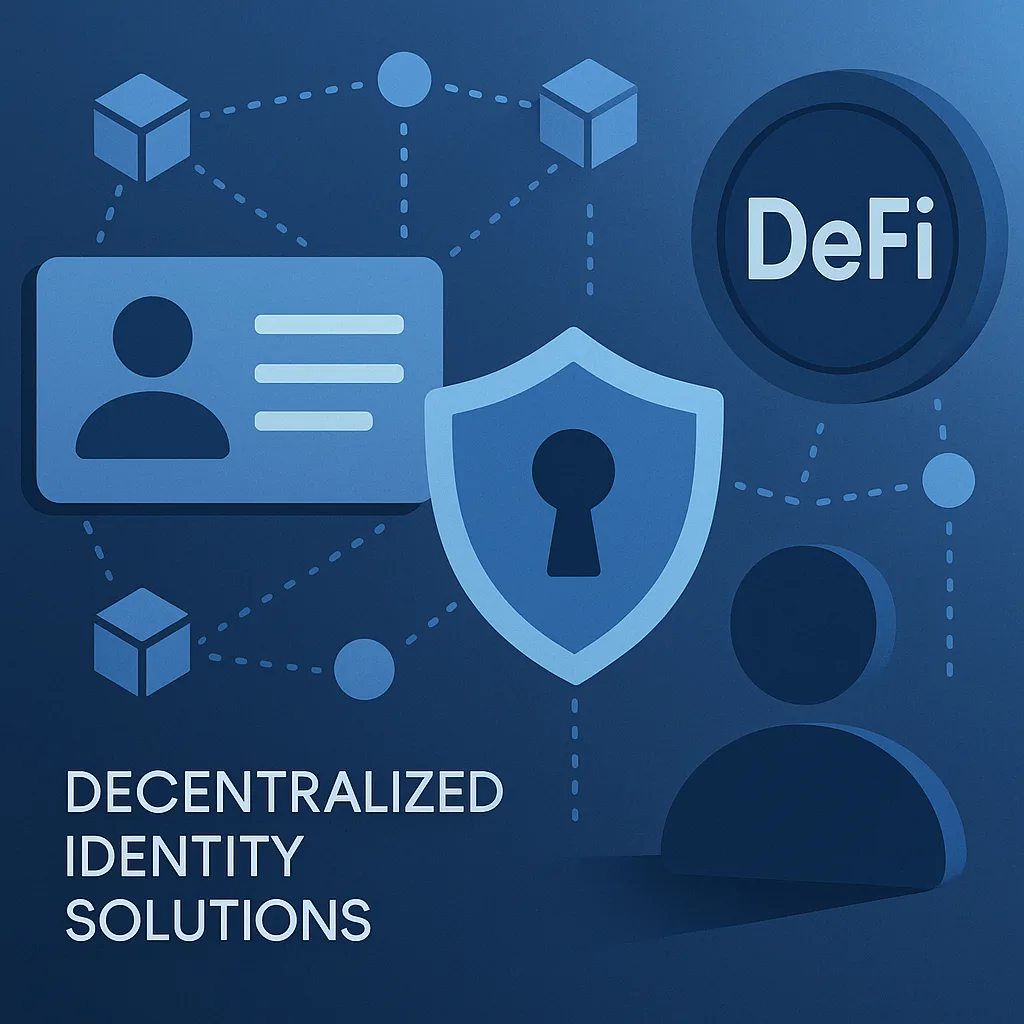
Decentralized identity (DID) refers to a new approach to digital identity that leverages blockchain technology. Unlike conventional identity systems that rely on centralized authorities, decentralized identity enables individuals to create, manage, and share their identities without the need for intermediaries. This paradigm shift is particularly essential in the DeFi space, where anonymity and privacy are often at odds with regulatory requirements and the need for trust. By adopting decentralized identity solutions, DeFi platforms can strike a balance between user privacy and compliance.
One of the main advantages of decentralized identity in DeFi is the enhanced security it provides. Traditional identity verification processes are prone to data breaches and phishing attacks, exposing users to identity theft and fraud. Decentralized identity solutions utilize cryptographic methods to protect user information, ensuring that only the holder of the identity can access and share their data. This not only reduces the risk of fraud but also builds trust among users and platforms, as participants can verify identities without compromising sensitive information.
Furthermore, decentralized identity promotes inclusivity in the DeFi ecosystem. Many individuals worldwide lack access to traditional banking systems and have no formal identity verification. By utilizing decentralized identity solutions, these unbanked populations can participate in the DeFi space, benefiting from financial services that were previously unavailable to them. This democratization of finance aligns with the core principles of DeFi, fostering a more equitable financial landscape where everyone has the opportunity to thrive.
Understanding the Importance of Digital Identity
In the rapidly evolving landscape of decentralized finance (DeFi), the concept of digital identity has emerged as a cornerstone for building trust and security among users. Unlike traditional financial systems that rely on centralized authorities for identity verification, decentralized identity solutions empower individuals by allowing them to control their own identity data. This shift not only enhances user privacy but also mitigates the risks associated with identity theft and fraud, which have become increasingly prevalent in the digital age. The role of oracles in DeFi.
Digital identity in the context of DeFi refers to the unique identifiers that individuals use to represent themselves within blockchain networks. These identifiers can include cryptographic keys, tokens, and other forms of verifiable credentials. By utilizing decentralized identity solutions, users can interact with various financial services without exposing their personal information to multiple parties. This is particularly crucial in a space where anonymity and privacy are highly valued, yet users still need to establish trust with counterparties and service providers.
Furthermore, a robust digital identity framework can streamline the onboarding process for users entering the DeFi ecosystem. Traditional KYC (Know Your Customer) processes can be cumbersome and time-consuming, often requiring extensive documentation and verification steps. Decentralized identity solutions simplify this process by enabling users to prove their identity and credentials in a secure and efficient manner, thus reducing friction and enhancing user experience. As a result, more individuals are likely to participate in DeFi, fostering greater innovation and growth within the ecosystem.
Moreover, the integration of decentralized identity systems can bolster regulatory compliance without sacrificing the principles of decentralization. By providing verifiable and tamper-proof identity data, these solutions can help DeFi platforms meet the requirements imposed by regulatory authorities while still respecting user privacy. This balance between compliance and user empowerment is critical for the long-term sustainability of decentralized finance, as it encourages wider adoption and instills confidence among users.
Current Challenges in Identity Verification
As the decentralized finance (DeFi) landscape continues to expand, the need for robust identity verification mechanisms becomes increasingly critical. Traditional identity verification methods, which often rely on centralized authorities, present several challenges that can hinder the growth and adoption of DeFi platforms. One of the most pressing issues is the lack of interoperability among various identity verification systems. Users often find themselves needing to create multiple identities across different platforms, leading to fragmentation and inefficiency. This not only complicates the user experience but also raises concerns regarding data privacy and security. Revolutionizing financial accessibility in DeFi.
Another significant challenge is the potential for identity theft and fraud. In a decentralized environment, where anonymity can be a double-edged sword, malicious actors can exploit gaps in identity verification processes. The absence of a unified and secure identity system can make it difficult to verify the authenticity of users, resulting in increased risks for both platforms and their users. This situation necessitates a reliable solution that can provide a trustworthy means of identity verification while preserving the core values of decentralization.
Moreover, regulatory compliance poses another hurdle in the identity verification landscape. As governments and regulatory bodies around the world seek to impose stricter regulations on financial transactions, DeFi platforms must navigate a complex web of legal requirements. This often involves implementing Know Your Customer (KYC) and Anti-Money Laundering (AML) processes, which can be cumbersome and costly. The challenge lies in finding a balance between adhering to regulatory standards and maintaining the ethos of decentralization that defines the DeFi movement.
Lastly, the technological barriers to implementing effective identity verification solutions cannot be overlooked. Many existing systems are outdated and unfit for the fast-paced nature of DeFi. Innovations in blockchain technology, such as self-sovereign identities (SSIs), have the potential to address these issues by enabling users to control their own identity data. However, widespread adoption of such technologies will require overcoming skepticism and ensuring user trust in these new systems. As we move forward, addressing these challenges will be crucial to developing a reliable and secure identity verification framework that can foster trust in the DeFi ecosystem.
How Blockchain Enhances Identity Solutions
In the digital age, identity verification has become a critical component of online interactions. Traditional identity systems often rely on centralized databases, making them vulnerable to breaches and fraud. However, blockchain technology offers a transformative approach to identity management by decentralizing the process, enhancing security, privacy, and user control. At its core, blockchain's distributed ledger mechanism ensures that identity data is not stored in a single location, reducing the risk of hacks and unauthorized access.
Blockchain enhances identity solutions by providing a tamper-proof record of identity attributes. Each individual's identity can be represented as a unique cryptographic key, linked to various attributes that are verified and stored on the blockchain. This means that users can prove their identity without revealing sensitive personal information, such as their name or address. Instead, they can share only the necessary data required for a specific transaction or service, thereby minimizing the risk of identity theft and enhancing privacy. The future of lending in DeFi.
Moreover, blockchain's transparency helps establish trust among users and service providers. In a decentralized identity system, every transaction related to identity verification is recorded on the blockchain, creating an immutable audit trail. This transparency not only promotes accountability but also allows third parties to verify the authenticity of identity claims without requiring access to the underlying data. Consequently, this fosters a more trustworthy environment in decentralized finance (DeFi) platforms, where trust is paramount for user engagement and participation.
Furthermore, the interoperability of blockchain networks enables seamless identity management across different platforms and services. Users can create a single digital identity that can be utilized across multiple DeFi applications without needing to undergo repetitive verification processes. This streamlined approach not only improves user experience but also encourages wider adoption of DeFi solutions. As decentralized identity systems continue to evolve, they hold the potential to redefine how we approach identity verification, ultimately paving the way for a more secure and efficient digital economy.
Case Studies: Successful Implementations in DeFi
Decentralized Identity (DID) solutions are increasingly becoming integral to the decentralized finance (DeFi) landscape, enabling users to maintain control over their personal information while engaging in various financial activities. One of the most notable implementations is the partnership between the decentralized lending platform Aave and the self-sovereign identity protocol, uPort. By integrating uPort's identity management system, Aave allows users to verify their identity without compromising their privacy. This innovative approach not only streamlines the onboarding process but also enhances the security and trustworthiness of transactions on the platform.
Another compelling case study is the collaboration between the blockchain-based identity solution Evernym and the decentralized insurance platform, InsurAce. By leveraging Evernym's verifiable credentials, InsurAce can offer tailored insurance products while ensuring that user data remains secure and private. This partnership allows users to access insurance services without the need for traditional identity verification processes, which can often be cumbersome and invasive. As a result, InsurAce has seen increased user adoption, demonstrating how DID can simplify complex financial services.
Furthermore, the decentralized exchange (DEX) Uniswap has also explored the potential of decentralized identity through partnerships with various identity management projects. By implementing DID solutions, Uniswap aims to improve compliance with regulatory requirements while preserving user anonymity. This approach not only fosters trust among users but also helps mitigate risks associated with fraud and identity theft in the DeFi space. As more platforms recognize the importance of identity verification, we can expect a growing trend towards integrating decentralized identity solutions across various DeFi protocols.
These case studies highlight the transformative potential of decentralized identity solutions within the DeFi ecosystem. By enabling secure, verifiable identities without sacrificing user privacy, these innovations are setting a new standard for trust and transparency in financial transactions. As more DeFi platforms adopt similar technologies, we will likely see an evolution in how users interact with financial products, fostering a more inclusive and secure financial future.
Future Innovations: What Lies Ahead for Identity in DeFi
As decentralized finance (DeFi) continues to evolve, the future of identity solutions within this ecosystem promises to be transformative. The integration of decentralized identity (DID) systems into DeFi platforms is expected to enhance privacy, security, and user control over personal information. By leveraging blockchain technology, these innovations will enable users to maintain ownership of their digital identities while engaging in various financial activities, thus fostering a more inclusive and secure environment.
One of the most exciting advancements on the horizon is the development of self-sovereign identity (SSI) frameworks. SSI allows individuals to create and manage their digital identities without relying on centralized authorities. This means users can authenticate themselves seamlessly across multiple DeFi platforms without needing to repeatedly share sensitive information. With SSI, the power shifts back to the user, reducing the risk of data breaches and identity theft, which are prevalent in the current centralized systems.
Moreover, as regulatory frameworks evolve, we can expect to see identity solutions that align better with compliance requirements, without sacrificing user privacy. Innovations such as zero-knowledge proofs (ZKPs) are poised to play a crucial role in this regard. ZKPs allow users to prove their identity or attributes without revealing the underlying data, thus meeting regulatory obligations while maintaining anonymity. This balance of compliance and privacy will be essential in gaining the trust of both users and regulators, ultimately driving wider adoption of DeFi solutions.
Lastly, the intersection of decentralized identity with artificial intelligence (AI) presents another frontier for innovation. AI can enhance identity verification processes, making them more efficient and reliable. For example, machine learning algorithms could analyze user behavior patterns to detect anomalies or fraudulent activities, further securing the DeFi ecosystem. As these technologies converge, we can anticipate a more resilient infrastructure that not only protects user identities but also empowers individuals to engage confidently in the DeFi space. AAVE price.
Impact on Regulatory Compliance and Governance
Decentralized Identity Solutions (DIS) are poised to revolutionize the landscape of regulatory compliance and governance within the decentralized finance (DeFi) sector. By enabling users to have control over their identity data, DIS offer a robust framework for meeting regulatory requirements while maintaining privacy and security. Traditional identity verification methods often require users to divulge extensive personal information, which can lead to data breaches and misuse. In contrast, DIS allows for selective disclosure, where users can share only the necessary attributes required for compliance without revealing their entire identity.
This selective sharing mechanism not only protects user privacy but also enhances the efficiency of compliance processes. Financial institutions and DeFi platforms can leverage DIS to streamline Know Your Customer (KYC) and Anti-Money Laundering (AML) procedures. By verifying identities through blockchain technology, organizations can access real-time data that is both secure and immutable, reducing the time and costs associated with identity verification. Furthermore, the transparent nature of blockchain can help establish a higher level of trust between users and platforms, fostering a more compliant ecosystem.
As regulatory bodies around the world grapple with the rapidly evolving DeFi landscape, the adoption of DIS can facilitate a more collaborative relationship between regulators and decentralized platforms. By providing a standard framework for identity verification, DIS can help regulators better understand user behavior and risk profiles without infringing on individual privacy rights. This alignment can lead to the development of more effective regulatory frameworks that encourage innovation while safeguarding consumer interests.
Moreover, the implementation of decentralized identity solutions can empower users to partake in governance processes within DeFi protocols. By using self-sovereign identities, users can engage in voting mechanisms or governance proposals without the fear of identity theft or manipulation. This democratization of governance not only enhances user engagement but also ensures that decisions reflect the collective will of the community, rather than a select group of stakeholders. In essence, DIS not only serve as a bridge between users and regulatory requirements but also promote a more equitable and transparent governance model in the DeFi space. Exbix.
Conclusion: The Path Forward for Decentralized Identity
The rise of decentralized identity solutions represents a transformative shift in how we approach trust and verification within the decentralized finance (DeFi) landscape. As traditional identity verification methods become increasingly inadequate in addressing privacy concerns, data breaches, and the complexities of digital identities, decentralized identity frameworks offer a promising alternative. By leveraging blockchain technology, these solutions empower users to control their identity data, enhancing security and privacy while fostering trust among participants in the DeFi ecosystem.
Moving forward, the integration of decentralized identity solutions into DeFi platforms will be crucial to their mainstream adoption. As developers and innovators continue to refine these technologies, we can expect a more robust and user-friendly approach to identity management. Interoperability will play a key role in facilitating seamless interactions across different DeFi applications, creating a cohesive environment where users can confidently engage in financial activities without the fear of identity theft or fraud. Additionally, regulatory frameworks will need to evolve to accommodate these new identity paradigms, ensuring compliance while still promoting innovation.
Moreover, education and awareness will be vital in driving the acceptance of decentralized identities among users and businesses alike. As the DeFi space continues to grow, stakeholders must prioritize educating their communities about the benefits of decentralized identity solutions, emphasizing their potential to enhance security and efficiency. Collaborative efforts between developers, regulators, and educational institutions can foster a deeper understanding of these technologies, paving the way for a more inclusive and secure financial ecosystem.
In conclusion, while challenges remain in the path toward widespread adoption of decentralized identity solutions, the potential benefits are immense. By embracing these innovations, we can create a more trustworthy and user-centric DeFi landscape, where individuals have full control over their identities. As we look to the future, the integration of decentralized identity will not only revolutionize how we verify identity in financial transactions but also serve as a foundation for a new era of digital trust.