Introduction to Litecoin and Its Importance in the Crypto Market
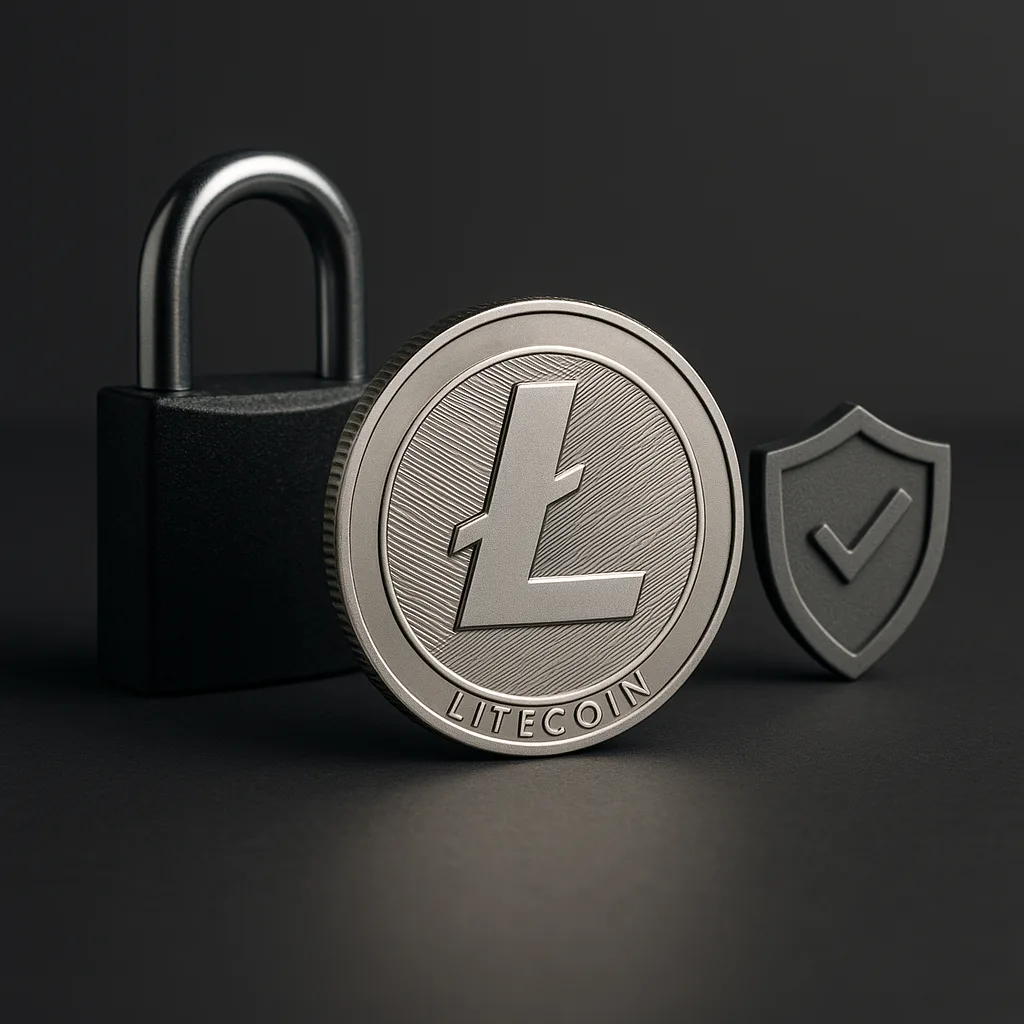
Launched in 2011 by Charlie Lee, Litecoin (LTC) has emerged as one of the most prominent cryptocurrencies in the digital asset ecosystem. Often referred to as the 'silver to Bitcoin's gold,' Litecoin was created to address some of Bitcoin's limitations, particularly in terms of transaction speed and cost. By utilizing a different hashing algorithm called Scrypt, Litecoin is designed to allow faster block generation times, resulting in quicker transaction confirmations. This efficiency has made it a favored choice among users who prioritize speed and lower fees when transferring assets.
Litecoin holds significant importance in the cryptocurrency market for several reasons. First, it serves as a testing ground for innovations that may later be adopted by Bitcoin. Features such as the Lightning Network and Segregated Witness (SegWit) were initially implemented in Litecoin before being adopted by Bitcoin, showcasing Litecoin's role as a pioneering force within the crypto space. Furthermore, with a capped supply of 84 million coins, Litecoin introduces a deflationary aspect similar to Bitcoin, making it an appealing long-term investment for many enthusiasts.
The cryptocurrency market is characterized by its volatility and rapid evolution. As one of the earliest altcoins, Litecoin has built a robust community and solid infrastructure, which contributes to its resilience and adaptability in the market. It has gained widespread acceptance among merchants and exchanges, enhancing its utility as a means of payment. The availability of various wallets and trading platforms further facilitates user engagement, allowing individuals to easily buy, sell, and store their LTC securely.
In an age where digital assets are becoming increasingly mainstream, understanding the nuances of Litecoin's safety and security measures is paramount for investors and users alike. With the rise in cyber threats and fraudulent schemes targeting cryptocurrency holders, knowing how to safeguard your Litecoin holdings is essential. By exploring the security features of Litecoin and best practices for protection, users can ensure that their assets remain secure in this rapidly changing landscape.
Understanding Common Security Threats in Cryptocurrency
The rise of cryptocurrencies like Litecoin has transformed the financial landscape, offering users a decentralized and innovative way to manage their assets. However, with this innovation comes a series of security threats that can jeopardize the safety of your investments. Understanding these threats is crucial for anyone looking to navigate the world of cryptocurrency securely.
One of the most prevalent security threats in the cryptocurrency space is hacking. Cybercriminals often target exchanges and wallets, using sophisticated techniques to gain unauthorized access to users' funds. For instance, exchanges that store large amounts of cryptocurrency can become prime targets for hackers. A successful breach can lead to significant financial losses for both the exchange and its users. To mitigate this risk, it's essential to choose exchanges with robust security measures, such as two-factor authentication (2FA), withdrawal whitelist features, and cold storage options for the majority of their assets.
Phishing attacks are another common threat that users must be wary of. These attacks typically involve deceptive emails or websites that impersonate legitimate services in an attempt to trick individuals into providing their login credentials or private keys. Once a hacker gains access to this sensitive information, they can easily steal funds. To protect yourself from phishing, always verify the URLs of websites before entering your information, and be cautious of unsolicited communications that ask for personal data.
Moreover, malware and ransomware pose significant risks to cryptocurrency users. Malicious software can be used to infect a user's device, allowing hackers to steal private keys or monitor transactions without the user's knowledge. Ransomware attacks can lock users out of their wallets, demanding a ransom payment in cryptocurrency for access to be restored. Regularly updating software and using reputable antivirus programs can help safeguard against these types of threats.
Best Practices for Securing Your Litecoin Wallet
In the rapidly evolving world of cryptocurrencies, ensuring the safety of your Litecoin wallet is paramount. With the rise in hacking attempts and cyber threats, understanding best practices for securing your assets can make a significant difference in safeguarding your investments. The first line of defense is choosing the right type of wallet. Hardware wallets, such as Ledger and Trezor, are often recommended for long-term storage. These devices keep your private keys offline, making them less susceptible to online attacks. If you opt for a software wallet, ensure that it has robust security features, such as two-factor authentication (2FA) and encryption, to add an additional layer of protection.
Another crucial aspect of wallet security is keeping your private keys confidential. Your private key is the only way to access and manage your Litecoin, and if it falls into the wrong hands, you risk losing your assets entirely. Avoid sharing your private key with anyone, and be cautious of phishing attempts that may try to trick you into revealing this sensitive information. Additionally, consider using a secure password manager to store your keys and passwords, as this can help reduce the risk of forgetting them while keeping them safe from unauthorized access.
Regularly updating your wallet software is another essential practice. Developers frequently release updates to patch vulnerabilities and improve security features. By keeping your wallet software up to date, you minimize the risk of being targeted by known exploits. Furthermore, be sure to back up your wallet regularly. Most wallets provide an option to create a backup of your wallet file or seed phrase, which is crucial for recovery in case of device failure or loss. Store these backups in a secure location, such as a safe or a fireproof box, and consider creating multiple copies in different locations to ensure redundancy.
Finally, stay informed about the latest security trends and potential risks within the cryptocurrency space. Engaging with the community, following reputable news sources, and participating in forums can help you stay ahead of emerging threats. By implementing these best practices, you can significantly enhance the security of your Litecoin wallet, ultimately providing you with peace of mind as you navigate the exciting world of cryptocurrencies.
The Role of Exchanges in Ensuring Asset Security
As the cryptocurrency market continues to grow, exchanges play a pivotal role in the safety and security of digital assets, including Litecoin. These platforms serve as the primary gateways for users to buy, sell, and trade cryptocurrencies, making them crucial for the overall integrity of the crypto ecosystem. However, with great convenience comes great responsibility, and the security measures implemented by exchanges can significantly impact users' asset safety.
Many exchanges employ a variety of security protocols to protect user funds, including two-factor authentication (2FA), cold storage solutions, and regular security audits. Two-factor authentication adds an extra layer of protection, requiring users to verify their identity through a second device, which can significantly reduce the risk of unauthorized access. Cold storage, on the other hand, involves keeping the majority of funds offline, away from potential cyber threats, which is essential for minimizing the risk of hacking incidents. Regular security audits ensure that any vulnerabilities in the exchange's infrastructure are identified and addressed promptly, further safeguarding users' assets.
Despite these measures, the reality is that no exchange is entirely immune to security breaches. High-profile hacks have occurred in the past, resulting in significant losses for users and raising questions about the reliability of certain platforms. This underlines the importance of conducting thorough research before selecting an exchange. Users should consider factors such as the exchange's history, user reviews, and the robustness of its security protocols. Additionally, opting for exchanges that have insurance policies in place can provide an extra layer of protection for users in the event of a breach.
Ultimately, while exchanges play a crucial role in securing Litecoin and other digital assets, users must also take personal responsibility for their asset security. Utilizing best practices, such as transferring funds to personal wallets for long-term storage and being vigilant about phishing attempts, can further enhance the safety of one’s investments. By understanding the role of exchanges and taking proactive measures, cryptocurrency holders can better protect their assets in an ever-evolving digital landscape.
Recognizing Phishing and Social Engineering Attacks
As the popularity of cryptocurrencies like Litecoin continues to rise, so does the risk of phishing and social engineering attacks targeting unsuspecting users. Phishing is a technique where attackers attempt to trick individuals into revealing sensitive information, such as private keys or passwords, by impersonating a trustworthy entity. These attacks can take various forms, including emails, fake websites, and even social media messages that appear to come from legitimate sources.
One common method used by attackers is to create phishing emails that mimic official communications from cryptocurrency exchanges or wallet providers. These emails often contain urgent messages warning users of suspicious activity on their accounts, prompting them to click on a link that leads to a fraudulent website designed to steal their login credentials. To protect yourself, always verify the sender's email address and be cautious of any links included in unsolicited messages. It's advisable to navigate directly to the official website of the service provider instead of clicking on links in emails.
Social engineering attacks, on the other hand, leverage psychological manipulation to deceive individuals into divulging confidential information. Attackers might pose as customer support representatives or even friends and family members to gain your trust. They may employ tactics such as creating a sense of urgency, claiming that immediate action is required to secure your assets. It's crucial to remain vigilant and skeptical, especially when discussing sensitive information over the phone or through social media platforms.
To further enhance your security, consider employing two-factor authentication (2FA) wherever possible. This adds an extra layer of protection, making it significantly more difficult for attackers to gain access to your accounts even if they manage to acquire your login credentials. Additionally, educating yourself about the latest phishing techniques and social engineering tactics can significantly reduce the likelihood of falling victim to these attacks. Stay informed, stay cautious, and always prioritize the security of your Litecoin assets.
Two-Factor Authentication and Its Importance
In the ever-evolving landscape of digital currencies, the security of assets is paramount. One of the most effective ways to bolster your Litecoin safety is through the implementation of Two-Factor Authentication (2FA). This additional layer of security requires not only a password and username but also something that only the user has on them, such as a physical token or a mobile device. This dual requirement significantly reduces the risk of unauthorized access to your cryptocurrency wallet.
The importance of 2FA cannot be overstated, especially in a space where cyber threats are rampant. Cybercriminals are constantly developing new methods to infiltrate accounts, and a single password is often no longer sufficient to protect your assets. By enabling 2FA, even if a hacker manages to steal your password, they would still need to overcome the second layer of security. This makes it exponentially harder for them to access your Litecoin and other cryptocurrencies.
Implementing 2FA is a straightforward process, but it might vary slightly depending on the platform you use for your Litecoin transactions. Most exchanges and wallets offer 2FA options, typically through apps like Google Authenticator or Authy. These applications generate time-sensitive codes that you must enter in addition to your password. Some platforms may also provide the option to receive codes via SMS, although this method is generally considered less secure due to the risk of SIM swapping attacks.
In addition to protecting your account, 2FA serves as a deterrent against potential attacks. Knowing that your account has this additional layer of security can discourage cybercriminals from targeting you in the first place. However, it’s essential to remember that 2FA is not foolproof. Users must remain vigilant and ensure that they keep their mobile devices secure and their authentication apps updated. Overall, enabling Two-Factor Authentication is an essential step in securing your Litecoin and safeguarding your financial future in the digital world.
Regularly Updating Software and Security Protocols
In the fast-paced world of cryptocurrency, staying ahead of potential security threats is paramount. One of the most effective ways to safeguard your Litecoin assets is by regularly updating your software and security protocols. This includes not only your wallet software but also the underlying operating system and any security tools you employ. Cybercriminals are constantly evolving their tactics, and outdated software can have vulnerabilities that are easily exploited, putting your assets at risk.
When it comes to updating your software, ensure that you are using the latest version of your Litecoin wallet. Developers frequently release updates to patch security vulnerabilities, enhance performance, and introduce new features. By neglecting these updates, you may be leaving your wallet exposed to known exploits. Additionally, operating system updates are equally important, as these often contain critical security patches that protect your entire device. Both your wallet and your operating system should be configured to automatically install updates whenever possible, minimizing the chances of running outdated software.
In addition to keeping your software up to date, it is essential to routinely review and strengthen your security protocols. This includes using strong, unique passwords for your wallet and associated accounts, enabling two-factor authentication (2FA) wherever possible, and regularly changing your passwords to reduce the risk of unauthorized access. While these measures may seem basic, they form the backbone of a robust security strategy. Furthermore, consider using hardware wallets for long-term storage of your Litecoin assets. Hardware wallets are less susceptible to malware and hacking attempts, providing an additional layer of protection for your investments.
Finally, it is wise to stay informed about the latest security threats in the cryptocurrency landscape. Follow reputable news sources, forums, and social media channels where security incidents are discussed. By being aware of emerging threats, you can take proactive measures to protect your Litecoin assets, such as adjusting your security protocols or switching to a different wallet provider if necessary. In summary, regularly updating your software and reinforcing security protocols are critical steps in securing your Litecoin assets against ever-evolving cyber threats.
Conclusion: Building a Robust Security Strategy for Your Investments
As the cryptocurrency landscape continues to evolve, securing your assets—especially those in Litecoin—has never been more critical. With the rise in popularity and value of digital currencies, so too has the frequency of cyber threats and scams targeting both novice and seasoned investors. Therefore, adopting a comprehensive security strategy is essential to safeguard your investments against potential losses.
One of the foundational elements of a robust security strategy is understanding the different storage options available for your Litecoin. While exchanges offer convenience, they are also vulnerable to hacks. Conversely, hardware wallets and cold storage solutions provide a higher level of security by keeping your private keys offline. By diversifying your storage methods and utilizing both hot and cold wallets, you can create a security buffer that minimizes risks associated with any single point of failure.
In addition to choosing the right storage solutions, regular software updates and employing strong, unique passwords are crucial in fortifying your defenses. Cyber threats are constantly evolving, and keeping your devices and wallets updated with the latest security patches can help protect against vulnerabilities. Implementing two-factor authentication (2FA) adds an extra layer of security that requires not just a password but also a second form of verification, making unauthorized access significantly more difficult.
Finally, maintaining a vigilant mindset is vital in the world of cryptocurrency. Stay informed about the latest security practices, potential scams, and phishing attempts that may target your assets. Regularly review your security measures and adapt them as necessary. Engaging with the cryptocurrency community can also provide valuable insights and updates on emerging threats and best practices. By prioritizing security and being proactive, you can build a robust strategy that not only protects your Litecoin investments but also fosters confidence in your overall cryptocurrency journey.