Introduction to Cardano: An Overview
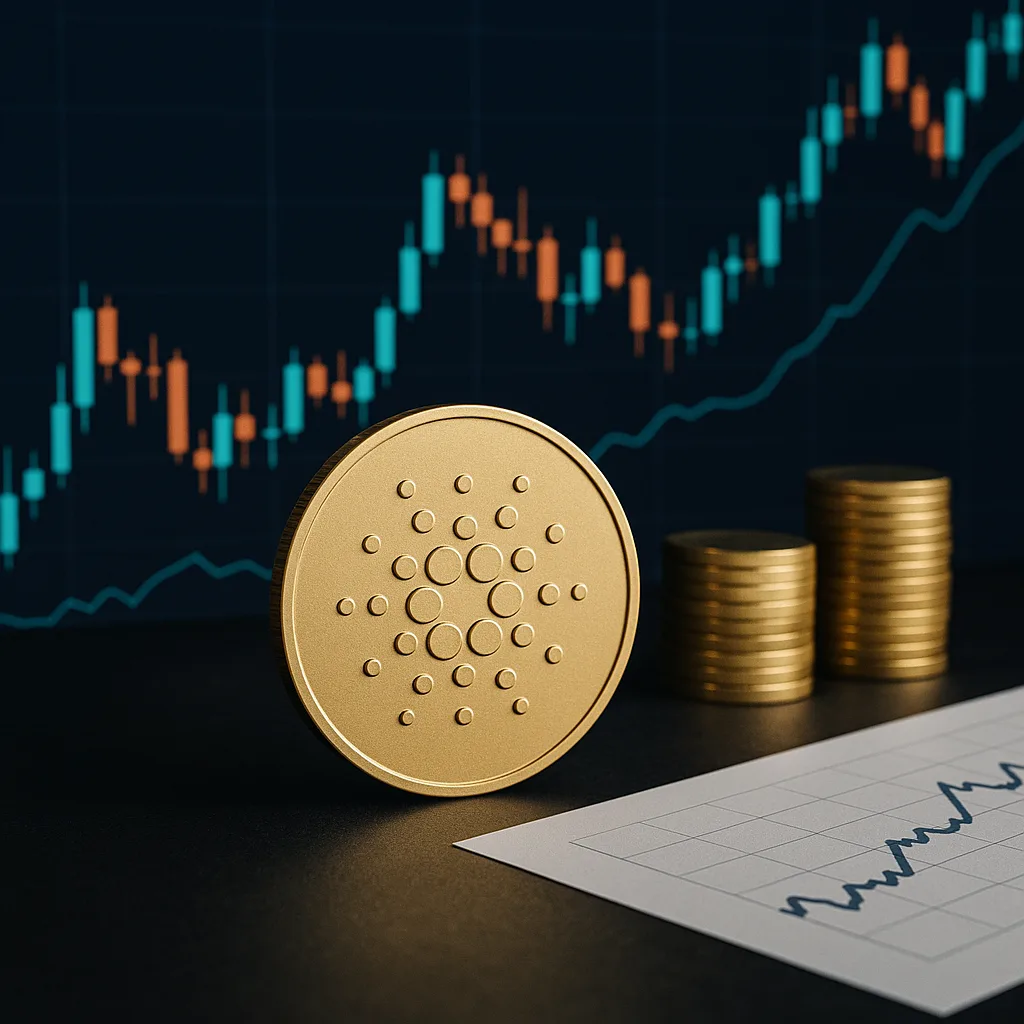
Cardano, launched in 2017 by Charles Hoskinson, co-founder of Ethereum, has steadily gained traction in the cryptocurrency space. Known for its scientific approach and peer-reviewed research, Cardano aims to provide a more secure and scalable blockchain solution. The platform utilizes a unique proof-of-stake consensus mechanism called Ouroboros, which distinguishes it from many other cryptocurrencies that rely on energy-intensive proof-of-work systems. This innovative framework not only enhances security but also positions Cardano as an eco-friendly alternative in the crowded crypto market.
One of the key aspects of Cardano's development is its layered architecture, which separates the settlement layer from the computation layer. This design allows for greater flexibility and scalability, making it easier to implement upgrades and new features without disrupting existing transactions. As Cardano continues to evolve, its focus on interoperability and user governance sets a precedent for future blockchain projects. The platform’s native cryptocurrency, ADA, serves not only as a medium of exchange but also as a means to participate in the governance of the network, allowing holders to vote on proposed changes and improvements.
Since its inception, Cardano has prioritized a slow and steady development approach, emphasizing security and sustainability over quick gains. This philosophy has attracted a dedicated community of developers and investors who believe in the long-term vision of the project. As of 2026, Cardano has made significant strides in establishing partnerships, expanding its ecosystem, and enhancing its smart contract capabilities through the Alonzo upgrade. These advancements have made Cardano a formidable player in the decentralized finance (DeFi) space, enabling a wide range of applications, from decentralized exchanges to lending platforms.
For traders looking to navigate the Cardano market in 2026, understanding the foundational principles of the platform is crucial. With its commitment to innovation and continuous improvement, Cardano presents both challenges and opportunities for traders. By staying informed about the developments within the Cardano ecosystem and employing robust trading strategies, investors can position themselves for success in this dynamic and rapidly evolving landscape.
Current Market Trends for Cardano in 2026
As we step into 2026, Cardano has solidified its position as one of the leading smart contract platforms, fueled by a wave of institutional interest and ongoing technological advancements. The blockchain space is evolving rapidly, and Cardano's emphasis on scalability, interoperability, and sustainability has made it an attractive option for developers and investors alike. The implementation of its Hydra scaling solution has allowed Cardano to handle an increasing number of transactions without compromising speed or security, paving the way for more decentralized applications (dApps) and a vibrant ecosystem.
Market sentiment surrounding Cardano has also shifted positively, with many analysts predicting a bullish trend as the platform continues to gain traction. This optimism is not only driven by its technological capabilities but also by the strategic partnerships Cardano has formed with various organizations across different sectors. By collaborating with industries such as education, supply chain, and finance, Cardano is demonstrating its real-world utility and establishing a strong foothold in the market.
Furthermore, Cardano's governance model, which allows for community input and decision-making, has fostered a sense of ownership among its users. This decentralized approach has not only enhanced trust but also encouraged more people to participate in the network, whether through staking or development. As of 2026, the number of ADA holders and active wallets has seen a significant increase, contributing to the overall liquidity and stability of the asset in the market.
In terms of price action, Cardano has exhibited resilience amidst the volatile cryptocurrency landscape. After experiencing substantial fluctuations in previous years, ADA has shown signs of consolidation, with many traders looking for key support and resistance levels to guide their strategies. As we analyze the current market trends, it is crucial for traders to remain vigilant and adaptable, leveraging both technical analysis and fundamental insights to navigate the ever-changing environment. Such an approach will be essential for capitalizing on potential opportunities as Cardano continues to evolve and mature in the coming months and years.
Key Factors Influencing Cardano's Price
As we enter 2026, several key factors will significantly influence the price of Cardano (ADA). Understanding these factors is crucial for traders looking to make informed decisions in a rapidly evolving cryptocurrency market. The first factor to consider is the overall market sentiment. Cryptocurrencies are often influenced by general market trends, and positive or negative news can lead to significant price fluctuations. For instance, announcements regarding regulatory changes, technological advancements, or large-scale adoption can create bullish sentiment, while security breaches or negative press can lead to bearish trends.
Another essential factor is Cardano's development progress and ecosystem growth. The Cardano blockchain has been on a continuous improvement trajectory, with developers consistently working on upgrades and enhancements. The successful implementation of new features, partnerships with institutions, or the launch of innovative decentralized applications (dApps) can enhance Cardano's utility and attractiveness to investors. Traders should keep a close eye on the project's roadmap and community updates to gauge future price movements.
Additionally, the competitive landscape of the cryptocurrency space plays a vital role in Cardano's price dynamics. With numerous blockchain platforms vying for market share, Cardano needs to differentiate itself by showcasing its unique features and advantages. The rise of competitors could potentially divert investor interest, impacting Cardano's market position. Thus, traders should monitor not only Cardano but also its rivals, as shifts in market leadership can lead to price volatility.
Lastly, macroeconomic factors cannot be overlooked. The broader economic environment, including inflation rates, interest rates, and geopolitical events, can affect investor behavior and risk appetite. In an environment where traditional markets are facing uncertainty, cryptocurrencies like Cardano might either flourish as a hedge or suffer from reduced investment as traders pull back. Keeping an eye on these macroeconomic indicators will help traders anticipate potential price movements in Cardano.
Trading Strategies for Cardano: A Deep Dive
As we step into 2026, traders looking to capitalize on Cardano's potential must adopt well-informed strategies that consider both market trends and the unique characteristics of this blockchain platform. Cardano has garnered attention for its scientific approach to blockchain development, emphasizing security and scalability through its layered architecture and proof-of-stake consensus mechanism. To effectively navigate the Cardano trading landscape, it's essential to understand fundamental and technical analysis, as well as the broader market context.
One of the primary strategies for trading Cardano involves fundamental analysis, which entails evaluating the underlying technology, its use cases, and the overall health of the Cardano ecosystem. Keeping an eye on Cardano's development roadmap and major upgrades can provide insights into potential price movements. For instance, significant announcements regarding partnerships, new projects being built on the Cardano blockchain, or improvements in network capabilities can all impact investor sentiment and, subsequently, the price of ADA. Staying informed through reliable news sources and community discussions can help traders anticipate market shifts.
On the technical side, traders should utilize a variety of charting tools and indicators to identify entry and exit points. Key indicators such as moving averages, RSI (Relative Strength Index), and Fibonacci retracement levels can provide signals on when to buy or sell ADA. Additionally, understanding market cycles and historical price patterns can offer valuable insights into potential future movements. For example, during bull markets, traders may look for breakout patterns, while in bear markets, they might focus on support levels and risk management strategies to protect their investments.
Lastly, incorporating risk management techniques is crucial when trading Cardano. This includes setting stop-loss orders to minimize potential losses and diversifying one’s portfolio to mitigate risks associated with holding a single asset. By balancing risk and reward, traders can better navigate the volatile nature of cryptocurrency markets. Ultimately, a combination of sound fundamental and technical analysis, coupled with robust risk management practices, will position traders for success in the evolving landscape of Cardano trading in 2026.
Technical Analysis: Reading Cardano Charts
Understanding how to read Cardano charts is a fundamental skill for any trader looking to succeed in the crypto market. Technical analysis (TA) involves examining historical price movements and trading volumes to forecast future price behavior. For Cardano, which has shown volatility and significant price swings, mastering chart reading can provide traders with insights to make informed decisions. The first step in this process is familiarizing yourself with the various types of charts, such as line charts, bar charts, and candlestick charts, each offering unique perspectives on price action.
Candlestick charts are particularly popular among traders due to the detailed information they provide in a single visual representation. Each candlestick reflects the price movement within a specific time frame, showing the opening, closing, high, and low prices. When analyzing Cardano's candlestick patterns, traders can identify formations like doji, hammers, and engulfing patterns that signal potential reversals or continuations in price trends. Recognizing these patterns can help traders to anticipate market movements and position themselves accordingly.
Another essential aspect of technical analysis is the use of indicators and oscillators. Tools such as Moving Averages (MA), Relative Strength Index (RSI), and Bollinger Bands can provide additional context to the price movements of Cardano. For example, a simple moving average can help to smooth out price data and identify the overall trend, while the RSI can signal whether Cardano is overbought or oversold. By combining these indicators with chart patterns, traders can enhance their decision-making process and improve their risk management strategies.
Lastly, it's crucial to incorporate volume analysis into your technical analysis toolkit. Volume measures the number of Cardano tokens traded over a specific period and plays a vital role in validating price movements. For instance, a price increase accompanied by high volume may indicate strong buying interest, while a price drop with high volume could suggest significant selling pressure. By assessing volume alongside price action, traders can gain a clearer understanding of market sentiment and adjust their strategies accordingly.
Risk Management in Cardano Trading
Risk management is a crucial component of successful trading, particularly in the volatile world of cryptocurrencies like Cardano. As traders navigate the ups and downs of the market, having a solid risk management strategy can help protect their investments and ensure long-term profitability. In 2026, with the ongoing maturation of the cryptocurrency landscape, it will be more important than ever for traders to incorporate risk management practices into their trading plans.
One of the first steps in establishing a risk management framework is to determine your risk tolerance. This involves assessing how much capital you are willing to risk on each trade and how much volatility you can handle. For many traders, a common approach is to risk no more than 1-2% of their trading capital on a single trade. By keeping potential losses small, traders can withstand a series of losing trades without significantly impacting their overall portfolio.
Another effective risk management strategy is the use of stop-loss orders. A stop-loss order is an automated instruction to sell an asset when it reaches a specific price point, limiting potential losses. When trading Cardano, setting a stop-loss can help traders exit a position before losses escalate. It’s important to set the stop-loss at a level that aligns with the trader's analysis while allowing for some market fluctuation. A well-placed stop-loss can be the difference between a minor setback and a significant loss.
Diversification is also a key element of risk management. While Cardano may be a primary focus for many traders, it can be beneficial to hold a diverse portfolio of cryptocurrencies. By spreading investments across multiple assets, traders can mitigate the impact of a poor-performing asset on their overall portfolio. This approach allows traders to take advantage of different market dynamics and reduces the likelihood of significant losses resulting from any single asset's downturn.
Staying Informed: Resources and Tools for Cardano Traders
In the rapidly evolving landscape of cryptocurrency, staying informed is crucial for traders looking to capitalize on opportunities in the market. Cardano, known for its unique proof-of-stake consensus mechanism and robust ecosystem, requires traders to utilize a variety of resources and tools to make informed decisions. Access to real-time data, news updates, and analytical tools can significantly enhance your trading strategy and improve your chances of success.
One of the primary resources for Cardano traders is the plethora of online platforms dedicated to cryptocurrency news and analysis. Websites such as crypto-focused news outlets, forums, and social media channels provide traders with the latest updates on market trends, protocol developments, and regulatory changes. Engaging with these platforms allows traders to gain insights into market sentiment and identify potential price movements. Additionally, following Cardano’s official channels, including their blog and social media accounts, can provide direct information about updates, partnerships, and technological advancements that may impact the price of ADA.
Another essential tool for traders is the use of charting software and trading platforms that offer technical analysis features. Many trading platforms provide advanced charting options that allow users to analyze price movements, volume trends, and historical data. By utilizing these tools, traders can develop effective strategies based on technical indicators such as moving averages, Relative Strength Index (RSI), and Fibonacci retracement levels. Understanding these indicators can help traders identify entry and exit points, improving their overall trading performance.
Moreover, joining trading communities and discussion groups can be invaluable for both novice and experienced traders. These communities often share insights, strategies, and market analysis that can lead to better trading decisions. Participating in discussions or following experienced traders can provide fresh perspectives and enhance your understanding of market dynamics. Additionally, many communities offer educational resources, such as webinars and tutorials, which can help traders refine their skills and stay ahead of the curve. By leveraging a combination of news resources, analytical tools, and community engagement, Cardano traders can create a solid foundation for successful trading in 2026 and beyond.
Conclusion: Preparing for the Future of Cardano Trading
As we look ahead to 2026, the landscape of Cardano trading is poised for significant evolution. The blockchain industry's rapid pace of innovation necessitates that traders remain agile and informed. By implementing the strategies discussed, traders can position themselves to capitalize on the unique opportunities that Cardano presents. It's essential to stay updated on Cardano's technological advancements, regulatory changes, and market dynamics to make informed trading decisions.
One of the key takeaways for successful trading in Cardano is the importance of robust risk management. The cryptocurrency market is inherently volatile, and Cardano, despite its strong fundamentals, is no exception. Traders should develop a clear risk management strategy that includes setting stop-loss orders, diversifying their portfolios, and only investing what they can afford to lose. Additionally, using tools such as dollar-cost averaging can help mitigate the impact of market fluctuations, allowing traders to build their positions more strategically over time.
Furthermore, cultivating a strong community connection can also enhance a trader's success. Engaging with other Cardano enthusiasts and traders through forums, social media, and local meetups can provide valuable insights and foster collaboration. The Cardano community is known for its commitment to education and knowledge sharing, and being an active participant can offer traders a competitive edge. Consider joining groups focused on Cardano's developments, participating in discussions, and staying informed about upcoming projects and partnerships that could impact the market.
Ultimately, the future of Cardano trading in 2026 will be shaped by a combination of technological advancements, market sentiment, and individual trader strategies. By staying informed, practicing sound risk management, and fostering community connections, traders can navigate the complexities of the market with confidence. As Cardano continues to grow and expand its capabilities, those who are well-prepared will be in the best position to reap the rewards of this vibrant ecosystem.