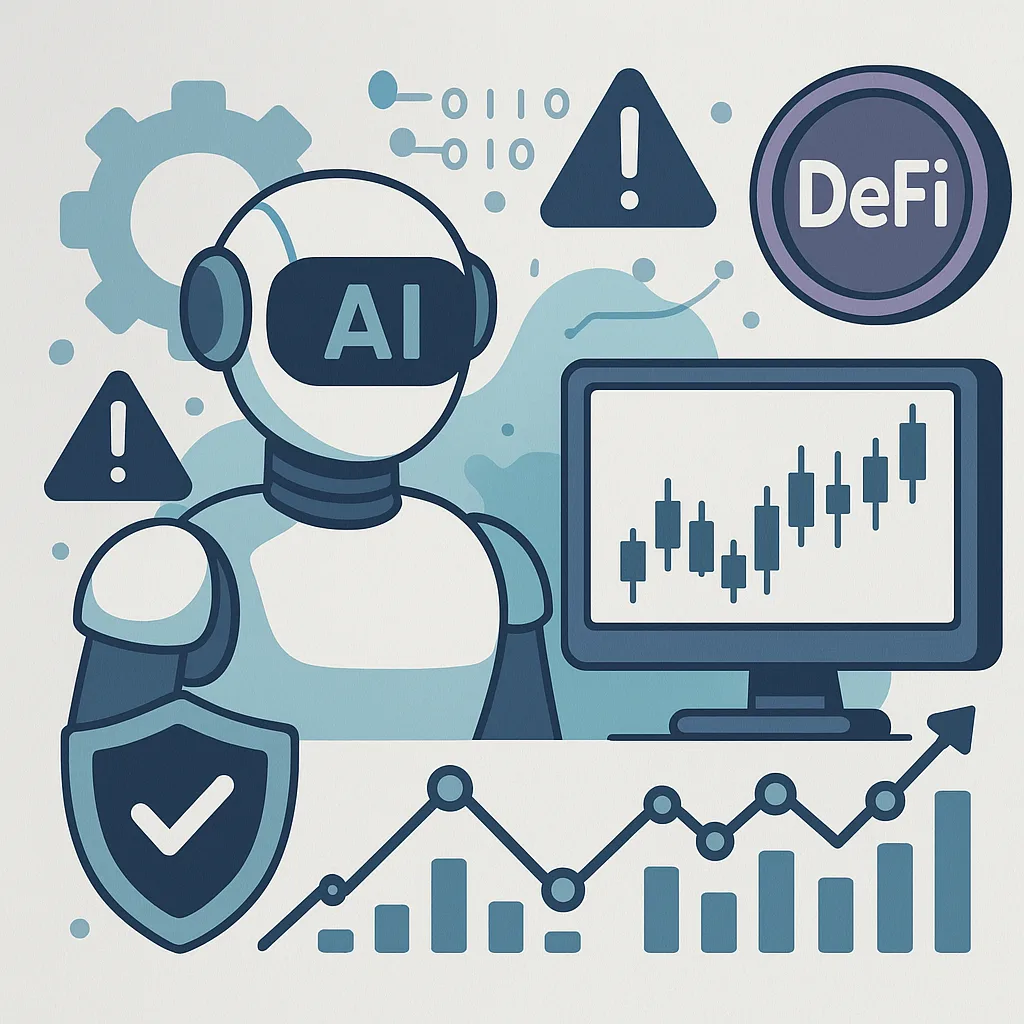
Introduction to DeFi and the Importance of Security
Decentralized Finance, or DeFi, has revolutionized the way we think about financial systems. At its core, DeFi aims to recreate traditional financial instruments—such as lending, borrowing, and trading—using decentralized technologies, primarily built on blockchain networks. This innovative approach not only increases accessibility to financial services but also empowers individuals by removing intermediaries like banks and centralized exchanges. As we enter 2026, the DeFi landscape is more vibrant than ever, with a plethora of projects and protocols continuously emerging, each promising unique benefits and functionalities.
However, alongside this rapid expansion comes a pressing concern: security. The decentralized nature of DeFi makes it particularly vulnerable to a variety of threats, including smart contract bugs, phishing attacks, and market manipulation. Unlike traditional financial institutions, where customers can often seek recourse in the event of fraud or theft, DeFi users typically have no safety net. Once assets are lost to a hacker or a faulty protocol, they are often irrecoverable, underscoring the necessity for robust security measures and practices.
In 2026, the importance of security in DeFi cannot be overstated. As more individuals and institutions flock to decentralized platforms, the stakes become higher. Traders and investors must recognize that the very features that make DeFi appealing—such as transparency, autonomy, and the potential for high returns—also come with inherent risks. Understanding these risks and how to mitigate them is critical for anyone looking to engage in DeFi trading. This is where artificial intelligence (AI) steps in as a transformative tool.
AI technologies can play a pivotal role in enhancing security within DeFi ecosystems. From real-time monitoring of transactions to identifying suspicious behavior patterns, AI can provide an additional layer of protection for users. Furthermore, machine learning algorithms can analyze vast amounts of data to predict potential vulnerabilities within DeFi protocols, allowing developers to address issues proactively. This evolving relationship between AI and DeFi security will be crucial as we move forward, ensuring that the decentralized financial revolution can continue to thrive without compromising user safety.
Understanding DeFi Exploits: Common Vulnerabilities
Decentralized Finance (DeFi) has revolutionized the way we think about financial transactions, offering unprecedented opportunities for users to earn, trade, and lend without intermediaries. However, this newfound freedom comes with its own set of risks, as the rapid innovation in the DeFi space has also led to the emergence of various vulnerabilities. Understanding these common exploits is crucial for traders and investors looking to navigate the DeFi landscape safely. Navigating security challenges in DeFi.
One of the most prevalent vulnerabilities in DeFi protocols is the smart contract flaw. Smart contracts are self-executing contracts with the terms of the agreement directly written into code. While they offer efficiency and transparency, poorly written contracts can contain bugs or logical errors that malicious actors can exploit. For instance, an attacker might find a way to manipulate the contract's functions, leading to unauthorized fund transfers or the freezing of assets. Regular audits and the use of formal verification methods are essential to mitigate these risks.
Another common vulnerability arises from liquidity pool manipulation. DeFi platforms often rely on liquidity pools to facilitate trading and lending. Attackers can exploit imbalances in these pools by executing flash loan attacks, which allow them to borrow large amounts of capital with little collateral for a very short time. By manipulating token prices during this brief window, they can drain liquidity pools or create artificial market conditions that benefit them at the expense of other traders. Understanding the mechanics of liquidity pools is critical for traders to avoid falling victim to such attacks.
Additionally, phishing attacks have become increasingly sophisticated within the DeFi ecosystem. As users interact with various platforms, they may encounter fake websites or social media accounts designed to steal credentials or private keys. These attacks can lead to the loss of funds and personal information. Education and awareness about recognizing fraudulent activities are vital for anyone participating in DeFi. By employing security best practices, such as using hardware wallets and enabling two-factor authentication, users can significantly reduce their vulnerability to such exploits.
The Role of AI in Enhancing DeFi Security
In the rapidly evolving world of decentralized finance (DeFi), security remains a paramount concern for traders and investors alike. The unique nature of DeFi protocols, which often operate without centralized oversight, makes them particularly vulnerable to various threats, including hacks, exploits, and fraudulent schemes. Here, AI emerges as a game-changing tool, offering innovative solutions to bolster security and instill confidence among users. Impact of DeFi on financial systems.
One of the most significant advantages of AI in enhancing DeFi security is its ability to analyze vast amounts of data in real-time. AI algorithms can monitor transactions across multiple platforms, identifying patterns and anomalies that may indicate suspicious activity. By leveraging machine learning techniques, these systems can continuously improve their detection capabilities, adapting to new threats as they arise. This proactive approach not only helps in identifying potential vulnerabilities before they are exploited but also ensures that traders can execute their strategies with greater peace of mind.
Furthermore, AI can facilitate the development of more robust smart contracts. By utilizing AI-driven code analysis tools, developers can detect and rectify vulnerabilities in smart contracts during the development phase, significantly reducing the risk of exploits once the contract is live. These tools employ natural language processing and machine learning to identify potential flaws and suggest optimizations, ultimately leading to safer DeFi applications. This layer of security is crucial, as even minor coding errors can lead to substantial financial losses in the DeFi space.
In addition to monitoring and development, AI can enhance user authentication processes within DeFi platforms. Traditional methods of identity verification can be cumbersome and often lead to user drop-off. AI can streamline this process by implementing biometric authentication and behavioral analysis, ensuring that users are who they claim to be before allowing access to their accounts or sensitive transactions. This not only protects users from unauthorized access but also helps to build a more secure environment for all participants in the DeFi ecosystem.
Comparing Specialized AI and General-Purpose Models
In the rapidly evolving landscape of decentralized finance (DeFi), the choice between specialized AI models and general-purpose AI systems is crucial for traders seeking to enhance their decision-making processes. Specialized AI models are tailored specifically for the nuances of DeFi trading, focusing on unique market behaviors, liquidity patterns, and asset correlations that are endemic to this sector. These models are constructed using vast amounts of data derived from DeFi platforms, allowing them to capture the intricacies of tokenomics, smart contract functioning, and real-time market shifts. As a result, they can provide insights that are not only accurate but also actionable in a highly volatile environment.
On the other hand, general-purpose AI models, while versatile and capable of processing a wide array of data types, may not possess the depth of understanding required for profitable DeFi trading. These models can analyze trends across various markets, including traditional finance, but they often lack the specialized training that equips them to handle the unique challenges and opportunities presented by decentralized exchanges. With a focus on broader patterns, general-purpose AI might overlook the critical signals that can lead to significant gains or losses in the DeFi space. Strategies for securing crypto assets.
Moreover, the integration of specialized AI into trading platforms can offer enhanced user experience through personalized insights and predictions. For instance, specialized models can learn from a trader's specific strategies and adapt in real-time to optimize outcomes. This level of personalization is particularly beneficial in DeFi, where market conditions can change rapidly and unpredictably. Conversely, general-purpose models may provide generic recommendations that do not align with the trader's personal risk appetite or investment goals, potentially leading to suboptimal decisions.
Ultimately, the choice between specialized and general-purpose AI models in DeFi trading hinges on the trader's objectives and strategies. For those looking to delve deep into the intricacies of decentralized markets and leverage specific trends, specialized AI is likely to yield better results. For traders who value flexibility and a broad analytical approach, general-purpose models may serve as a useful complement to their trading arsenal. As the DeFi ecosystem continues to mature, the capabilities of AI will play an increasingly pivotal role in shaping trading strategies and outcomes.
Case Studies: Successful Detection of DeFi Exploits
As decentralized finance (DeFi) continues to evolve, the frequency and sophistication of exploits have increased, making the need for effective security measures paramount. In this section, we delve into several case studies where AI-driven solutions successfully detected and mitigated DeFi exploits, showcasing the transformative potential of artificial intelligence in this rapidly changing landscape.
One notable example is the deployment of machine learning algorithms by a leading DeFi protocol in early 2025. The protocol utilized a combination of anomaly detection and predictive analytics to identify unusual trading patterns that could indicate a possible exploit. By analyzing vast amounts of transaction data in real-time, the AI system was able to flag suspicious activities, allowing the protocol's security team to intervene before any significant losses occurred. This proactive approach not only saved millions in potential losses but also reinforced user trust in the platform.
Another compelling case involved a decentralized exchange (DEX) that faced repeated flash loan attacks. The DEX integrated an AI-based monitoring system that leveraged historical data to train its models on identifying characteristics of past exploits. When a new attack vector emerged, the AI quickly recognized the patterns and alerted the security team, who were then able to implement countermeasures to prevent the attack from succeeding. The quick response facilitated by AI not only thwarted the exploit but also provided valuable insights into the evolving tactics employed by malicious actors.
Furthermore, a consortium of DeFi projects came together to share anonymized data on exploits and vulnerabilities. Utilizing a shared AI model, they collectively trained their systems to recognize a broader range of exploit techniques. This collaborative effort resulted in a significant reduction in successful attacks across the participating platforms, demonstrating the power of community-driven AI solutions in strengthening DeFi security. The case studies illustrate that with the right AI tools, DeFi protocols can enhance their defenses, ensuring a safer trading environment for users and fostering the growth of the DeFi ecosystem.
Implementing AI Tools for Traders: Best Practices
As decentralized finance (DeFi) continues to evolve, integrating Artificial Intelligence (AI) tools into your trading strategy can significantly enhance your trading performance and risk management. However, the successful implementation of these tools requires a structured approach. Here, we outline some best practices for traders looking to harness the power of AI in their DeFi trading endeavors.
First and foremost, it is essential to define clear objectives for using AI in your trading strategy. Traders should determine what specific problems they aim to solve with AI tools, whether it is improving trade execution, optimizing portfolio management, or enhancing market analysis. By establishing concrete goals, traders can select the most suitable AI technologies that align with their trading strategies, ensuring that they derive maximum value from their investment in these tools.
Another critical best practice is to stay informed about the latest developments in AI technologies. The AI landscape is constantly evolving, with new algorithms and models emerging regularly. Traders should keep abreast of the advancements in machine learning, natural language processing, and other AI techniques that can be applied to financial markets. Engaging in online communities, attending webinars, and participating in industry conferences can provide invaluable insights and help traders identify innovative tools that can give them a competitive edge in the DeFi space.
Furthermore, it is vital to implement robust data management and analysis practices when utilizing AI tools. The effectiveness of AI algorithms heavily relies on the quality of data fed into them. Traders should ensure that they are using accurate, timely, and comprehensive datasets to inform their AI models. Additionally, having a well-structured data pipeline that facilitates the continuous feeding of new data will enhance the adaptability and predictive capabilities of the AI systems being used. By prioritizing data quality and management, traders can improve the reliability of their AI-driven insights and decisions. CRO price.
Future Trends in AI and DeFi Security
As decentralized finance (DeFi) continues to evolve, the integration of artificial intelligence (AI) is expected to play a pivotal role in enhancing security measures. In 2026, we can anticipate a significant shift towards AI-driven security protocols that not only detect but also predict potential threats in real time. By leveraging machine learning algorithms, DeFi platforms will be able to analyze vast amounts of transaction data, identifying patterns that indicate fraudulent behavior or security breaches before they can cause substantial harm.
One of the most promising trends is the development of AI-powered decentralized autonomous organizations (DAOs) that can autonomously manage risk assessments and security protocols. These DAOs will utilize AI to evaluate the security posture of various DeFi projects, providing users with comprehensive risk assessments that inform their trading decisions. This proactive approach could drastically reduce the incidence of hacks and exploits, fostering a safer trading environment for all participants. Moreover, these AI systems will continually learn from new threats, adapting their strategies in real time to counter emerging risks.
Another future trend involves the use of AI in enhancing smart contract security. Smart contracts are the backbone of DeFi, yet they remain vulnerable to bugs and exploits. In 2026, we will likely see AI tools that can automatically audit and analyze smart contracts for vulnerabilities prior to deployment. By simulating various attack vectors and assessing contract logic, these AI tools will help developers identify weaknesses that could be exploited by malicious actors. This will not only streamline the development process but also ensure a higher level of security for users engaging with DeFi platforms.
Furthermore, the combination of AI and blockchain technology can lead to more secure identity verification processes in DeFi. Traditional Know Your Customer (KYC) measures can be cumbersome and often fail to protect user privacy. However, AI-driven identity verification solutions can analyze user data and behavior patterns without compromising sensitive information. By employing advanced encryption techniques alongside AI, DeFi platforms can verify user identities more efficiently, reducing the risk of identity theft and fraud while fostering user trust in decentralized systems. Markets.
Conclusion: Embracing AI for Safer Trading
As we move deeper into the era of decentralized finance (DeFi), the complexities and risks associated with trading in this innovative landscape are becoming increasingly apparent. In this context, the integration of artificial intelligence (AI) into trading strategies is not just a trend but a necessity for traders who want to navigate the volatile waters of DeFi safely and effectively. By leveraging AI's analytical prowess, traders can enhance their decision-making processes, mitigate risks, and ultimately achieve better outcomes.
The power of AI lies in its ability to process vast amounts of data at unprecedented speeds, enabling traders to gain insights that would be impossible to obtain through traditional methods. With AI-driven tools, traders can analyze market trends, identify potential arbitrage opportunities, and even automate trading strategies that respond to real-time market conditions. This level of sophistication not only allows for more informed trading decisions but also significantly reduces the emotional rollercoaster that often accompanies trading in volatile markets.
Moreover, AI can play a crucial role in enhancing security within the DeFi ecosystem. By employing advanced algorithms to detect unusual trading patterns and potential fraud, AI can help protect traders from malicious activities that could otherwise jeopardize their investments. The increasing sophistication of cyber threats necessitates a proactive approach to security, and AI is well-positioned to provide that defense. As traders embrace these technologies, they can engage in DeFi with greater confidence, knowing that they have robust tools at their disposal to safeguard their assets.
In conclusion, the future of trading in the DeFi space is inextricably linked to the advancements in AI. Those who adopt AI-driven strategies will not only enhance their trading performance but also contribute to the overall integrity and security of the DeFi ecosystem. As we look ahead to 2026 and beyond, embracing AI for safer trading will be essential for anyone looking to thrive in this rapidly evolving financial landscape. The convergence of technology and finance is creating new opportunities, and with AI as a guiding force, traders can navigate this brave new world with greater assurance and effectiveness.