Introduction to Decentralized Finance (DeFi)
Decentralized Finance, commonly referred to as DeFi, represents a new paradigm in the financial landscape that leverages blockchain technology to recreate and enhance traditional financial systems. Unlike conventional finance, which relies on centralized institutions like banks and brokers, DeFi operates on decentralized networks, allowing users to engage in financial activities without intermediaries. This shift towards decentralization not only increases accessibility but also fosters transparency and security, fundamentally altering the way individuals and businesses interact with financial services.
At its core, DeFi encompasses a wide range of financial services, including lending, borrowing, trading, and investing, all executed on smart contracts—self-executing contracts with the terms of the agreement directly written into code. This technological foundation allows for automation, reducing the need for human intervention and minimizing the potential for errors or fraud. By utilizing cryptocurrencies as collateral and enabling peer-to-peer transactions, DeFi platforms have opened up a realm of possibilities for users worldwide, particularly those who have been historically underserved by traditional banking systems.
The rise of DeFi has sparked a revolution in how value is transferred and stored. Users can now lend their assets in exchange for interest, trade tokens on decentralized exchanges without the need for a centralized authority, and even create new financial instruments that were previously unimaginable. This democratization of finance empowers individuals, enabling them to take control of their financial futures and participate in the global economy without the barriers often imposed by traditional financial institutions.
As DeFi continues to evolve, it poses both opportunities and challenges. While it offers the potential for innovation and inclusivity, it also raises questions about regulation, security, and the sustainability of its growth. Understanding the intricacies of DeFi and its implications for traditional financial systems is essential for navigating this rapidly changing landscape. In the subsequent sections, we will delve deeper into the mechanics of DeFi, its advantages over traditional finance, and the potential disruptions it may bring to the established financial order.
Key Innovations in DeFi and Their Implications
Decentralized Finance, or DeFi, has emerged as a revolutionary force in the financial landscape, offering a range of innovations that challenge the status quo of traditional financial systems. At the heart of DeFi are smart contracts, self-executing contracts with the terms of the agreement directly written into code. This innovation eliminates the need for intermediaries, such as banks and brokers, thereby reducing transaction costs and enhancing efficiency. By automating processes and reducing reliance on centralized entities, smart contracts empower users to take control of their financial activities. Ethereum's role in DeFi.
Another significant innovation is the use of decentralized exchanges (DEXs), which allow users to trade cryptocurrencies directly with one another without the need for a centralized authority. DEXs facilitate peer-to-peer trading, providing greater liquidity and faster transaction times. This shift not only democratizes access to trading but also mitigates risks associated with centralization, such as hacking and market manipulation. As DEXs gain popularity, they challenge traditional exchanges by offering users more autonomy and privacy in their trading activities.
Stablecoins are another critical innovation within the DeFi ecosystem. These cryptocurrencies are pegged to traditional assets, such as the US dollar, providing a stable medium of exchange amidst the often-volatile crypto markets. By combining the benefits of cryptocurrencies with the stability of fiat currencies, stablecoins have become essential for facilitating transactions in DeFi platforms. Their emergence has implications for traditional finance, as they enable cross-border transactions with reduced fees and faster settlement times, potentially disrupting established remittance markets.
Finally, lending and borrowing protocols in DeFi have transformed how individuals and businesses access capital. Users can lend their assets to earn interest or take out loans without the need for credit checks or lengthy approval processes typically associated with traditional banks. This accessibility encourages financial inclusion, allowing individuals who may be underserved by conventional banking systems to participate in the economy. As DeFi continues to innovate, its implications for traditional financial systems are profound, potentially reshaping the way we think about money, investment, and economic participation.
Comparison of DeFi and Traditional Financial Systems
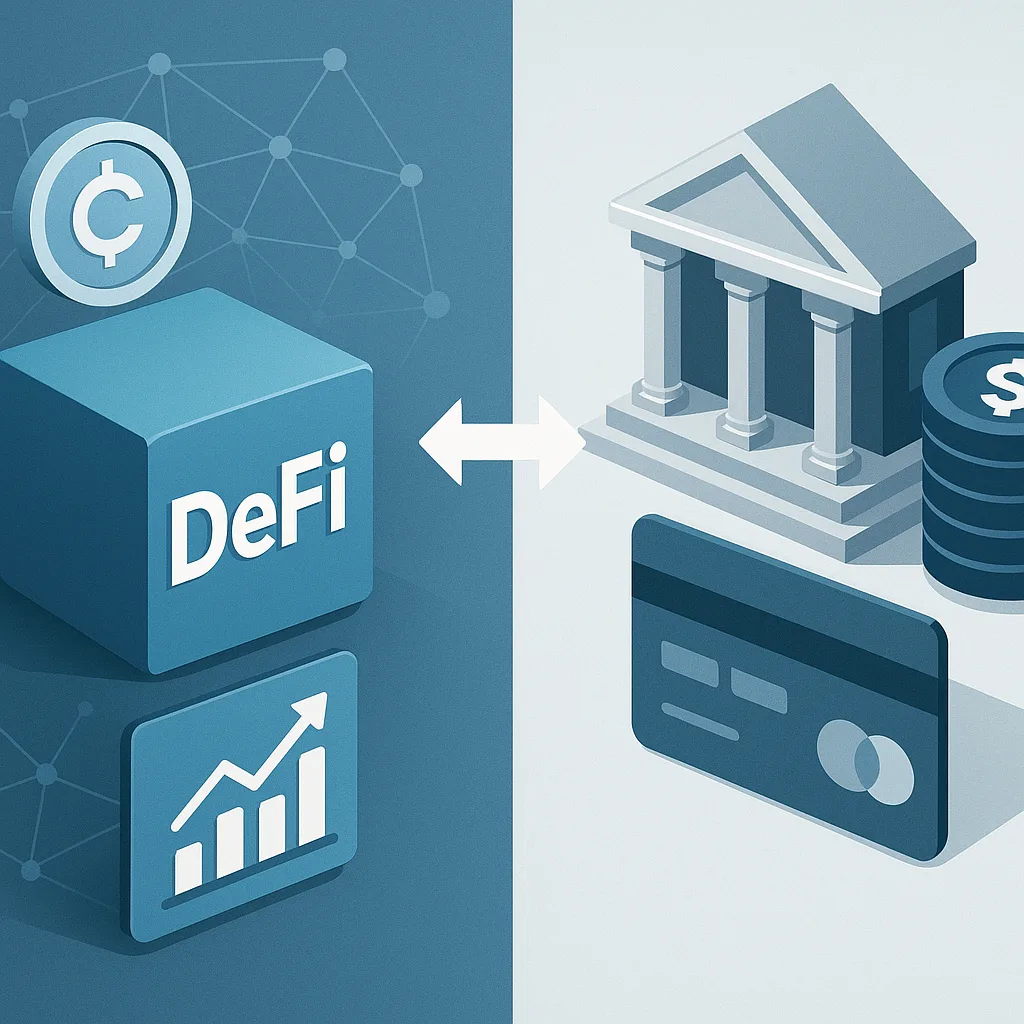
Decentralized Finance (DeFi) and traditional financial systems represent two distinct paradigms of financial interaction, each with its own strengths and weaknesses. Traditional finance is built upon centralized institutions such as banks, brokerages, and exchanges, which serve as intermediaries in transactions. These institutions have established a set of regulatory frameworks, security protocols, and customer protections that facilitate trust among participants. However, this centralized model often leads to issues such as high fees, slow transaction times, and limited access for individuals without a bank account or credit history. Impact of DeFi on exchanges.
In contrast, DeFi operates on blockchain technology, enabling peer-to-peer transactions without the need for intermediaries. This decentralization reduces the costs associated with transactions and can significantly increase the speed at which they occur. By utilizing smart contracts, DeFi platforms automate the execution of agreements, minimizing the potential for human error and fraud. Furthermore, DeFi is accessible to anyone with an internet connection, democratizing financial services for individuals across the globe, including those in underbanked regions.
Another critical difference lies in the regulatory environment. Traditional finance is heavily regulated to protect consumers and maintain stability in the financial system. While this oversight can foster trust, it can also stifle innovation and lead to inefficiencies. DeFi, on the other hand, operates in a largely unregulated space, which allows for rapid innovation and experimentation. This freedom can lead to the creation of novel financial products and services; however, it also raises concerns about security, as the lack of regulation can leave users vulnerable to scams and exploits.
Moreover, the risk profile associated with DeFi differs significantly from that of traditional finance. While traditional systems may offer lower risk through established institutions, they often come with limited return potential. DeFi, with its high-yield farming and liquidity provision opportunities, can yield significant returns but also carries higher risks, including market volatility and smart contract bugs. As the DeFi space continues to evolve, striking a balance between innovation, security, and user protection will be vital for its long-term sustainability and its impact on traditional financial systems.
Challenges Facing DeFi Adoption
Despite the promising potential of Decentralized Finance (DeFi) to revolutionize traditional financial systems, several challenges hinder its widespread adoption. One of the most significant obstacles is the regulatory landscape. Governments and financial authorities around the globe are still grappling with how to classify and regulate DeFi platforms. The lack of clear regulatory guidelines creates uncertainty for potential users and investors, who may be wary of engaging with systems that operate outside of established legal frameworks. This ambiguity can stifle innovation and deter institutions from fully embracing DeFi solutions.
Another challenge is the technical complexity inherent in many DeFi platforms. While the underlying blockchain technology offers unparalleled transparency and security, it can also be daunting for the average user. Many DeFi applications require a certain level of technical knowledge to navigate, which can alienate non-technical individuals. For DeFi to reach a broader audience, developers need to prioritize user-friendly interfaces and educational resources that demystify the technology. Simplifying the user experience will be crucial in attracting a diverse range of participants, including those who may not have a background in finance or technology. Decentralized oracles in DeFi.
Security concerns also loom large in the DeFi space. High-profile hacks and exploits have raised alarms about the vulnerabilities of smart contracts and decentralized protocols. Users who are new to DeFi may find it difficult to assess the safety of different platforms, leading to hesitance in adopting these innovative financial solutions. The community must prioritize security audits, bug bounties, and transparent practices to build trust and confidence among potential users.
Moreover, liquidity is another pressing issue for DeFi platforms. Many projects struggle to attract sufficient liquidity, which can hinder trading and the overall functionality of the ecosystem. Without adequate liquidity, users may face difficulties executing trades or achieving favorable prices. This can create a vicious cycle where low liquidity dissuades new users, further inhibiting growth. Addressing liquidity challenges through innovative incentives and partnerships will be crucial for the long-term success of DeFi and its ability to integrate with traditional financial systems.
The Role of Crypto Exchanges in DeFi Growth
Crypto exchanges have played a pivotal role in the growth and maturity of decentralized finance (DeFi) by acting as critical intermediaries that bridge traditional finance and blockchain-based financial systems. These platforms facilitate the buying, selling, and trading of cryptocurrencies, providing users with access to a wide array of digital assets. Traditional exchanges have long operated on centralized models, but the emergence of decentralized exchanges (DEXs) has introduced a new paradigm where users can trade directly from their wallets without relying on a central authority. This shift has fueled the DeFi ecosystem, enabling users to engage in peer-to-peer transactions and liquidity provision seamlessly.
One of the most significant impacts of crypto exchanges on DeFi is the liquidity they provide. Liquidity is essential for any financial market, and DEXs have created innovative mechanisms such as automated market makers (AMMs) that allow users to contribute liquidity in exchange for rewards. By offering incentives for liquidity provision, these exchanges have attracted a wider audience, including retail investors and institutional players who are increasingly looking to diversify their portfolios with digital assets. This influx of capital has enhanced market efficiency and reduced spreads, making it easier for users to execute trades at favorable prices.
Moreover, crypto exchanges serve as educational platforms that help demystify DeFi for the broader public. Many exchanges offer user-friendly interfaces, tutorials, and resources that guide newcomers through the complexities of DeFi protocols, including yield farming, staking, and lending. This educational aspect has been crucial in fostering user confidence, encouraging them to explore decentralized applications (dApps) and take advantage of the opportunities within the DeFi space. As users become more familiar with the benefits and risks associated with DeFi, they are more likely to participate, driving further adoption and innovation. Trade 1INCH/USDT.
In conclusion, crypto exchanges are not just facilitators of trade; they are instrumental in shaping the future of DeFi. By providing liquidity, promoting user education, and connecting traditional finance with blockchain technology, these platforms are creating a robust infrastructure that supports the growth of a decentralized financial ecosystem. As DeFi continues to evolve, the collaboration between crypto exchanges and DeFi protocols will likely lead to new financial products and services that challenge the status quo of traditional finance.
Future Trends: What Lies Ahead for DeFi
The future of Decentralized Finance (DeFi) holds immense potential and promises to transform traditional financial systems in unprecedented ways. As blockchain technology continues to evolve, we can expect to see enhanced scalability, security, and user experience within DeFi platforms. One of the key trends likely to emerge is the integration of artificial intelligence (AI) in DeFi applications, allowing for more sophisticated risk assessment and personalized financial services. AI can help in automating decision-making processes, improving efficiency, and enabling smarter investments tailored to individual user profiles.
Another significant trend is the interoperability of various DeFi protocols. As the ecosystem matures, platforms are working towards seamless integration with one another, allowing users to navigate between different services effortlessly. This interoperability will not only enhance user experience but also foster innovation as developers can build on existing protocols. Moreover, the rise of cross-chain solutions will enable users to access a broader array of assets and services without being confined to a single blockchain, ultimately promoting greater liquidity and efficiency.
Regulatory frameworks are also expected to evolve in response to the growing influence of DeFi. Governments and regulatory bodies are beginning to recognize the need for a balanced approach that fosters innovation while ensuring consumer protection and market stability. As regulations become clearer, traditional financial institutions may also start to adopt DeFi solutions, creating a hybrid model where traditional finance and decentralized finance coexist. This convergence could lead to enhanced financial products that leverage the strengths of both systems, providing consumers with more options and better services.
Lastly, as DeFi continues to gain traction, education and awareness will play a crucial role in its adoption. Users must understand the risks and benefits associated with DeFi investments. Institutions and organizations will likely invest in educational initiatives to empower potential users and investors with knowledge about how to navigate the DeFi landscape safely. As more individuals become informed about the potential of DeFi, we can anticipate a surge in participation, driving further innovation and development within the space. TOSHI price.
Case Studies: Successful DeFi Projects
Decentralized Finance (DeFi) has given rise to numerous innovative projects that challenge the traditional financial systems. Among these, MakerDAO stands out as a pioneering platform that has redefined the concept of collateralized lending. By allowing users to lock up their cryptocurrencies as collateral to generate DAI, a stablecoin pegged to the US dollar, MakerDAO provides a seamless way for individuals to access liquidity without relying on traditional banks. This decentralized approach not only empowers users by removing intermediaries but also enhances the resilience of the financial system by diversifying collateral types and reducing systemic risk.
Another noteworthy project is Uniswap, an automated market maker (AMM) that has revolutionized the way users trade cryptocurrencies. Unlike traditional exchanges that rely on order books, Uniswap allows users to trade directly from their wallets using liquidity pools. This model not only increases the efficiency of trades but also incentivizes liquidity providers with transaction fees, creating a symbiotic relationship between traders and liquidity suppliers. As a result, Uniswap has become one of the most popular decentralized exchanges, showcasing how DeFi can democratize access to trading and investment opportunities.
Additionally, Compound Finance has introduced an innovative model for earning interest on cryptocurrency holdings. By allowing users to deposit assets into liquidity pools, Compound enables them to earn interest based on supply and demand dynamics. This lending and borrowing platform stands in stark contrast to traditional savings accounts, which often offer minimal interest rates. Compound's algorithmic approach to interest rates not only enhances returns for users but also provides a transparent and permissionless alternative to traditional banking practices.
These case studies exemplify how DeFi projects are not just theoretical concepts but practical solutions that address real-world financial challenges. By leveraging blockchain technology, these platforms enhance accessibility, reduce costs, and empower individuals to take control of their financial futures. As the DeFi landscape continues to evolve, the impact of these successful projects will likely influence the trajectory of traditional financial systems, prompting further innovations and adaptations in the broader finance sector. Exbix.
Conclusion: Bridging the Gap Between DeFi and Traditional Finance
As we stand at the crossroads of finance's evolution, the impact of Decentralized Finance (DeFi) on traditional financial systems is undeniable. DeFi represents a paradigm shift that challenges the status quo, offering innovative solutions that promote inclusivity, transparency, and efficiency. However, the journey toward integration is complex, requiring a careful balance between harnessing the benefits of DeFi while addressing the inherent risks and challenges that accompany this revolutionary technology.
One of the most significant advantages of DeFi is its ability to democratize access to financial services. By removing intermediaries and leveraging blockchain technology, DeFi platforms allow individuals from diverse backgrounds to access financial products that were previously limited to those with substantial wealth or credit histories. This inclusivity not only empowers individuals but also has the potential to stimulate economic growth in underserved communities. However, for DeFi to gain mainstream acceptance, it must also ensure a level of regulatory compliance that can coexist with its decentralized ethos.
Moreover, the interoperability between DeFi and traditional finance is essential for future growth. Financial institutions are beginning to recognize the potential of blockchain technology and decentralized systems to enhance operational efficiencies. Collaboration between DeFi projects and traditional banks could lead to the development of hybrid models that capitalize on the strengths of both worlds. This synergy could pave the way for more innovative solutions, such as tokenized assets, which blend the security of traditional assets with the efficiency of DeFi protocols.
In conclusion, bridging the gap between DeFi and traditional finance requires a forward-thinking approach that embraces innovation while prioritizing security and regulatory considerations. As both sectors evolve, the potential for collaboration may yield a more inclusive and efficient financial ecosystem. The future lies in the ability to merge the best aspects of both worlds, creating a financial landscape that is not only more accessible but also more resilient in the face of global economic challenges. The dialogue between DeFi proponents and traditional financial institutions is crucial in shaping a balanced and sustainable future for finance.