Introduction to Decentralized Oracles
In the rapidly evolving landscape of decentralized finance (DeFi), the need for reliable and accurate data has never been more crucial. Traditional financial systems rely on centralized data providers to offer information that drives decision-making. However, in a decentralized ecosystem, the introduction of decentralized oracles emerges as a game-changing solution. These oracles serve as bridges between the blockchain and the outside world, enabling smart contracts to interact with real-world data securely and trustlessly.
Decentralized oracles aggregate data from multiple sources, ensuring that the information provided to smart contracts is not only accurate but also resistant to manipulation. This is particularly important in DeFi applications where price feeds, market conditions, and other critical information determine the functionality of various protocols. By using a decentralized approach, these oracles eliminate single points of failure and enhance the overall security and reliability of the DeFi ecosystem.
One of the primary challenges in DeFi is the reliance on price feeds for trading, lending, and other financial activities. A compromised or unreliable price feed can lead to significant losses, liquidation events, or even systemic risks within the entire ecosystem. Decentralized oracles address this issue by sourcing data from numerous nodes, which collectively validate and verify the information before it is submitted to the blockchain. This consensus mechanism not only improves the accuracy of the data but also fosters greater trust among users who depend on these price feeds.
As the DeFi space continues to grow, the importance of decentralized oracles cannot be overstated. They are not just a technical solution but a foundational element that supports the integrity and functionality of decentralized applications. By ensuring that smart contracts have access to reliable data, decentralized oracles pave the way for innovative financial products and services that can operate without the need for intermediaries. This shift towards a more autonomous financial system empowers users and promotes a more inclusive financial landscape.
The Importance of Reliable Data in DeFi
In the rapidly evolving landscape of decentralized finance (DeFi), the significance of reliable data cannot be overstated. DeFi platforms rely on various types of data to facilitate transactions, determine pricing, and execute smart contracts. This data is crucial for maintaining the integrity and functionality of the entire ecosystem. Without accurate and timely information, DeFi applications can become vulnerable to errors, inefficiencies, and even malicious attacks. As such, the role of decentralized oracles has emerged as a cornerstone in providing the necessary data feeds that power these innovative financial services. Innovations driving financial freedom.
Decentralized oracles serve as the crucial link between the blockchain and the external world. They enable smart contracts to interact with real-world data, such as asset prices, weather conditions, and sporting event outcomes. In a traditional financial system, intermediaries like banks and data providers ensure data reliability. However, in the DeFi space, the reliance on a single source of truth can create significant risks, including manipulation and single points of failure. Decentralized oracles mitigate these risks by aggregating data from multiple sources, ensuring that the information fed into smart contracts is accurate and resilient against tampering.
The importance of reliable data is particularly evident in applications such as lending platforms, decentralized exchanges, and yield farming protocols. For instance, a lending protocol that uses outdated or incorrect pricing data could lead to incorrect collateralization ratios, risking liquidation for borrowers. Similarly, decentralized exchanges rely on real-time price feeds to offer fair trading conditions. If these data feeds are compromised or inaccurate, it can result in significant financial losses for users. Therefore, the integrity of the data provided by oracles is paramount, as it directly impacts the safety and profitability of DeFi investments.
Moreover, as DeFi continues to grow, the complexity of the systems involved also increases. This complexity necessitates a robust framework for data verification and validation. Decentralized oracles not only improve data reliability but also enhance transparency within the ecosystem. By utilizing a decentralized network of nodes to verify data before it is sent to the blockchain, these oracles help to build trust among users. In a space where financial transactions occur without intermediaries, trust is the glue that holds the entire system together. Ultimately, reliable data is not just a luxury in DeFi; it is an absolute necessity for fostering innovation and ensuring a secure financial future.
How Decentralized Oracles Work
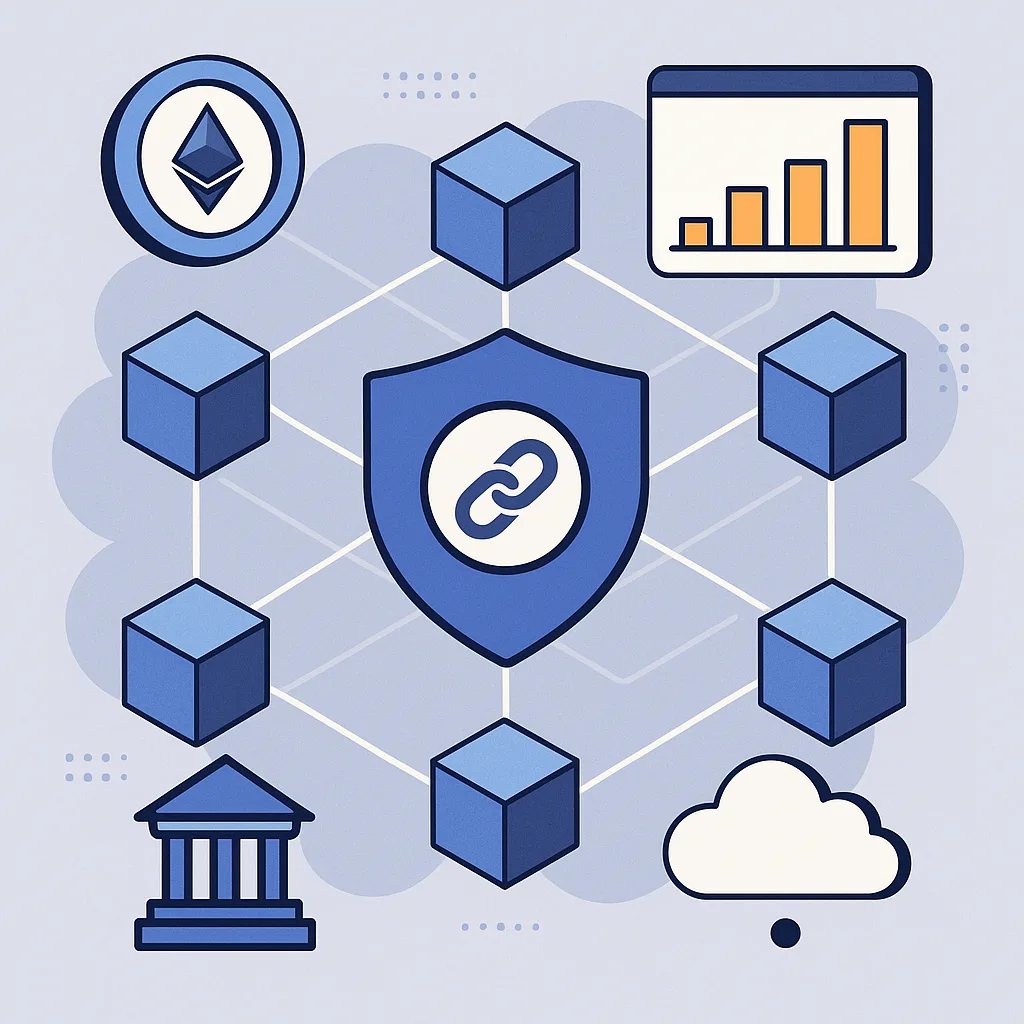
Decentralized oracles serve as crucial intermediaries that connect blockchain networks to external data sources, enabling smart contracts to access real-world information. Unlike traditional oracles, which rely on a single data source, decentralized oracles aggregate data from multiple providers to ensure accuracy and reliability. This distributed approach mitigates the risks of manipulation and single points of failure, making the oracle system more resilient and trustworthy. Transforming DeFi lending practices.
The process begins with a smart contract requiring specific data inputs to execute its operations, such as price feeds for cryptocurrencies, weather data for insurance contracts, or sports scores for prediction markets. Instead of querying a centralized service, the smart contract sends a request to a decentralized oracle network. This network comprises multiple independent nodes that collect and verify the requested data from various sources.
Once the data is gathered, the decentralized oracle employs consensus mechanisms to validate its accuracy. By cross-referencing the information received from different nodes, the oracle can identify discrepancies and filter out unreliable data. This consensus ensures that the information fed into the blockchain is not only accurate but also resistant to tampering. After reaching consensus, the validated data is then fed back to the smart contract, allowing it to execute based on the most reliable information available.
Moreover, decentralized oracles often operate using incentivization mechanisms to encourage nodes to provide honest and accurate data. Participants in the oracle network may earn rewards in the form of tokens for their contributions, while penalties may be imposed for providing false information. This economic model aligns the interests of all participants and enhances the overall integrity of the system. As decentralized finance (DeFi) continues to evolve, the significance of decentralized oracles in facilitating trustless interactions and automated processes cannot be overstated; they truly form the backbone of DeFi innovations.
Key Players in the Oracle Space
As the decentralized finance (DeFi) ecosystem continues to expand, the demand for reliable data feeds has led to the emergence of several key players in the oracle space. These entities play a crucial role in bridging the gap between real-world data and blockchain networks, ensuring that smart contracts can operate based on accurate and timely information. Among the most notable are Chainlink, Band Protocol, and API3, each offering unique solutions to the challenges posed by data accessibility and security.
Chainlink has emerged as the dominant force in the oracle market, providing a decentralized network of oracles that can deliver off-chain data to on-chain applications. Its extensive partnerships with various DeFi platforms and traditional enterprises have established Chainlink as a trusted data provider. The network employs a decentralized approach, where multiple oracles aggregate data from various sources, increasing the reliability and accuracy of the information fed into smart contracts. This redundancy mitigates the risks associated with a single point of failure, making Chainlink an essential component of many DeFi protocols. Exploring DeFi innovations and future.
Another significant player is Band Protocol, which also focuses on providing secure and scalable oracles for DeFi applications. Band Protocol distinguishes itself by utilizing a cross-chain architecture that allows it to serve multiple blockchains simultaneously. This flexibility opens up opportunities for developers to integrate real-time data into their applications without being tied to a single blockchain ecosystem. Furthermore, Band Protocol’s use of a decentralized governance model ensures that the network evolves according to the needs of its users, fostering community-driven innovation in data sourcing and delivery.
Lastly, API3 has emerged as a fresh contender in the oracle space, aiming to simplify the process of connecting APIs to smart contracts. API3’s unique approach allows data providers to operate their own oracles, which can lead to more decentralized and transparent data delivery mechanisms. This model not only reduces reliance on third-party oracles but also empowers data providers to maintain control over their data feeds. As the DeFi landscape continues to mature, the contributions of these key players will be instrumental in shaping the future of decentralized finance, making accurate and timely data more accessible than ever before.
Real-World Use Cases of Decentralized Oracles
Decentralized oracles are transforming the landscape of decentralized finance (DeFi) by bridging the gap between on-chain and off-chain data. One of the most compelling use cases is in the realm of price feeds. In traditional finance, price manipulation can occur due to centralization and lack of transparency. However, decentralized oracles like Chainlink aggregate prices from various sources, ensuring that DeFi applications can access accurate and tamper-proof pricing data. This is especially critical for stablecoins and other financial derivatives that rely on real-time market prices to function correctly.
Another significant application of decentralized oracles is in lending and borrowing protocols. Platforms such as Aave and Compound utilize oracles to obtain collateral valuations and interest rates. By tapping into a decentralized network of data providers, these platforms can dynamically adjust borrowing rates based on real-time market conditions. This capability not only enhances liquidity but also ensures that users can manage their positions effectively without the risk of liquidations stemming from outdated or manipulated data.
Insurance products in the DeFi space have also begun to leverage decentralized oracles. For instance, protocols like Nexus Mutual use oracles to verify claims based on real-world events, such as flight delays or natural disasters. By utilizing decentralized oracles, these insurance products can automate claims processing and payouts, reducing reliance on centralized entities and increasing transparency. This automation not only streamlines the process but also builds trust among users, who can be assured that claims are settled based on verified data. Trade CBBTC/USDT.
Moreover, decentralized oracles are playing a pivotal role in the burgeoning NFT market. As NFTs often rely on dynamic data, such as royalty distributions and ownership provenance, oracles can provide real-time data feeds that enhance the functionality of NFTs beyond simple ownership records. For example, oracles can enable features like automatic royalty payments to original creators whenever an NFT is sold, fostering a more sustainable and equitable ecosystem for artists and content creators. In summary, the versatility and reliability of decentralized oracles are making them indispensable for a wide array of DeFi innovations, paving the way for a more open and efficient financial system.
Challenges and Limitations of Current Oracle Systems
While decentralized oracles are heralded as a transformative element in the DeFi landscape, they are not without their challenges and limitations. One of the primary issues is the problem of data integrity. Oracles rely on external data sources to provide information to smart contracts, which can lead to vulnerabilities if the data sources themselves are unreliable or manipulated. If a malicious entity gains control over the data feed, it can skew the outcomes of smart contracts, leading to significant financial losses for users and projects alike.
Another significant challenge is the scalability of oracle networks. As the demand for decentralized finance applications continues to grow, the need for real-time data becomes increasingly critical. Many existing oracle systems struggle to keep up with high transaction volumes, resulting in latency issues that can affect the performance of DeFi applications. This lag not only undermines user experience but can also expose users to market risks, especially in volatile trading conditions where timely data is essential for executing trades and managing positions.
Moreover, the governance of decentralized oracle networks poses a complex challenge. Many oracle solutions utilize token-based governance models that can inadvertently lead to centralization if a small number of holders control a significant portion of the tokens. This centralization can undermine the core principles of decentralization and compromise the integrity of the data provided by the oracle. In addition, governance disputes can arise, leading to delays in decision-making and a lack of responsiveness to the evolving needs of the DeFi ecosystem.
Lastly, interoperability remains a critical hurdle for oracle systems. As the DeFi space expands, the ability for oracles to seamlessly interact with multiple blockchains and data sources becomes paramount. However, many existing oracle solutions are siloed within their ecosystems, limiting their applicability across different platforms. This lack of standardization can hinder the growth of DeFi innovations that depend on the accurate and efficient flow of information across diverse decentralized networks. FIL price.
Future Trends in Oracle Technology for DeFi
As the decentralized finance (DeFi) ecosystem continues to evolve, so too must the technologies that underpin it. Decentralized oracles are poised to play a pivotal role in this evolution, and several future trends are emerging that could redefine how these systems operate. One significant trend is the increasing integration of machine learning and artificial intelligence into oracle networks. By leveraging advanced algorithms, oracles can enhance data accuracy and predictive capabilities, enabling them to provide more reliable information for DeFi applications. This integration will not only improve the quality of the data supplied but also allow oracles to adapt to market changes in real-time, providing users with timely insights.
Another trend is the growing emphasis on interoperability among different blockchain networks. As DeFi applications proliferate across various platforms, the demand for cross-chain oracles is rising. This will facilitate seamless data sharing and enhance the functionality of DeFi protocols. Projects focused on developing multi-chain oracle solutions are gaining traction, enabling users to access a broader range of data sources while maintaining the decentralized ethos that is central to the DeFi movement.
Moreover, security remains a paramount concern in the DeFi landscape, and future oracle technologies are expected to incorporate more robust security measures. Decentralized oracles are already designed to minimize single points of failure, but as threats evolve, enhanced cryptographic techniques and consensus mechanisms will be critical in safeguarding data integrity. The development of more sophisticated validation protocols will ensure that the data provided by oracles is not only accurate but also resistant to manipulation and fraud.
Finally, the increasing regulatory scrutiny on DeFi projects will also influence oracle technology's development. As regulators seek to establish frameworks for cryptocurrency and DeFi, oracles will need to adapt to comply with emerging regulations. This may lead to the creation of standardized protocols for data reporting and governance, ensuring that oracles can operate within legal frameworks while still providing the decentralized services that users expect. The future of decentralized oracles is bright, with innovations on the horizon that promise to enhance the overall functionality, security, and adaptability of DeFi applications. Futures trading.
Conclusion: The Role of Oracles in the Evolution of DeFi
As decentralized finance (DeFi) continues to transform the financial landscape, the importance of oracles in this ecosystem cannot be overstated. Oracles are the critical bridges that connect blockchain networks with real-world data, enabling smart contracts to execute based on accurate and timely information. Without these decentralized oracles, the potential of DeFi would be significantly curtailed, as many applications rely on external data to function effectively. From price feeds to event outcomes, oracles empower a range of DeFi services including lending, derivatives trading, and asset management.
The emergence of decentralized oracles represents a paradigm shift in how data is sourced and verified. Traditional oracles often suffer from issues related to centralization, where a single point of failure can compromise the integrity of the entire system. Decentralized oracles, on the other hand, distribute data sourcing across multiple nodes, enhancing reliability and trustworthiness. By leveraging multiple data sources and employing consensus mechanisms, these oracles ensure that the information fed into smart contracts is accurate and resistant to manipulation. This increased resilience is crucial in a landscape where transparency and security are paramount.
Moreover, the evolution of decentralized oracles is driving innovation within the DeFi space. New use cases are constantly emerging, fueled by the ability to access a broader array of data. For instance, insurance protocols can utilize oracles to validate claims based on real-world events, while prediction markets can offer insights into future outcomes based on aggregated data. The versatility of oracles not only enhances existing DeFi applications but also paves the way for entirely new financial products and services that were previously unimaginable.
In conclusion, decentralized oracles are not merely ancillary components of the DeFi ecosystem; they are foundational elements that enable the entire structure to function. As the industry matures, the role of oracles will continue to expand, driving further innovations and unlocking new possibilities in decentralized finance. Stakeholders must prioritize the development of robust oracle solutions to ensure the ongoing growth and sustainability of DeFi, reinforcing the symbiotic relationship between oracles and the innovations they support.