Introduction to Cryptocurrency Investment
In recent years, cryptocurrency has emerged as a revolutionary force in the world of finance, offering unprecedented opportunities for investment and wealth creation. Unlike traditional assets, cryptocurrencies operate on decentralized networks, allowing individuals to engage in peer-to-peer transactions without the need for intermediaries like banks. This fundamental shift has attracted millions of investors, both seasoned and novice, to explore the potential of digital currencies as a viable investment option.
One of the most compelling aspects of investing in cryptocurrencies is the potential for high returns. The volatility of the crypto market can lead to significant price fluctuations, resulting in opportunities for substantial gains. For instance, many early adopters of Bitcoin and Ethereum have seen their investments multiply exponentially over the years. However, it's crucial to understand that with high potential returns comes high risk. The market can be unpredictable, and investors must be prepared for the possibility of losing their initial capital.
When considering cryptocurrency as an investment, it is essential to conduct thorough research and stay informed about the market trends. Understanding the underlying technology, such as blockchain, and the specific use cases of various cryptocurrencies can provide valuable insights into their long-term viability. Investors should also be aware of the regulatory landscape, as governments around the world are continuously adapting their policies to address the growing influence of digital currencies.
Moreover, diversification plays a crucial role in any investment strategy, and cryptocurrencies are no exception. By spreading investments across multiple digital assets, investors can mitigate risk while capitalizing on the potential growth of different projects. Whether through direct investment in cryptocurrencies or participating in staking, where investors lock up their coins to support network operations in exchange for rewards, there are various strategies to optimize returns in the crypto space. Understanding these dynamics will help investors navigate the complexities of the market and make informed decisions that align with their financial goals.
Understanding Staking: What You Need to Know
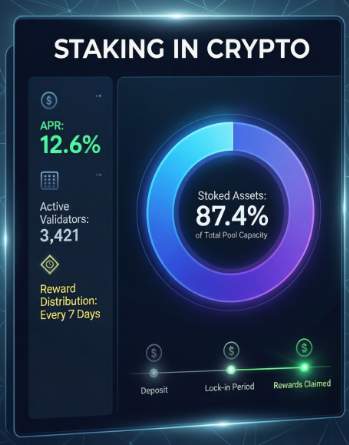
Staking has emerged as a popular method for investors to earn passive income in the cryptocurrency space. At its core, staking involves participating in a network’s operations by locking up a specific amount of cryptocurrency in a wallet to support the security and efficiency of the blockchain. In return for this contribution, stakers are rewarded with additional tokens, making it an attractive option for those looking to grow their investment portfolio.
To effectively stake your assets, it is essential to understand the mechanics of the proof-of-stake (PoS) consensus mechanism, which underpins most staking systems. Unlike traditional mining, which requires vast computational power and energy, PoS allows token holders to validate transactions based on the number of coins they hold and are willing to lock up. This not only reduces the environmental impact associated with cryptocurrency mining but also creates a more decentralized and secure network, as it encourages broader participation from users.
When considering staking, one must also evaluate the specific requirements and potential risks involved. Each blockchain has its own staking rules, including minimum staking amounts, lock-up periods, and validator selection processes. For instance, some networks require you to delegate your tokens to a validator, while others allow you to run your own node. It’s crucial to conduct thorough research and choose a reputable staking platform or validator to minimize risks such as slashing, where a portion of your staked assets can be forfeited due to validator misconduct or network issues.
Additionally, while staking can yield attractive returns, it is not without its challenges. Market volatility can impact the value of the staked tokens, and the rewards may fluctuate based on network performance and the total amount of tokens staked. Therefore, it is wise to maintain a diversified investment strategy, considering both staking and other forms of investment to mitigate risks. Understanding these dynamics will empower you to make informed decisions and maximize your returns in the burgeoning world of cryptocurrency staking.
Different Types of Crypto Investments
When venturing into the world of cryptocurrency, it’s essential to understand the various types of investments available. Each type has its own risk profile, potential returns, and investment strategy. The most common forms of crypto investments include buying and holding digital assets, trading, participating in Initial Coin Offerings (ICOs), and engaging in decentralized finance (DeFi) activities.
Buying and holding cryptocurrencies, often referred to as 'HODLing,' is one of the simplest and most popular strategies among investors. This method involves purchasing a cryptocurrency with the intention of holding onto it for an extended period, regardless of market fluctuations. Investors believe that the asset will appreciate in value over time, capitalizing on the long-term growth potential of projects like Bitcoin or Ethereum. This approach requires patience and a strong belief in the underlying technology and market trends.
Another popular method is trading, which can be further broken down into day trading and swing trading. Day trading involves making multiple trades within a single day, capitalizing on short-term price movements. This strategy requires a good understanding of market trends, technical analysis, and often, a lot of time spent monitoring the markets. On the other hand, swing trading focuses on making trades over a longer period, usually a few days or weeks, aiming to profit from price swings. Both trading strategies come with higher risks but can also yield substantial rewards for those who are skilled and disciplined.
For those looking to get in early on new projects, participating in Initial Coin Offerings (ICOs) can be an enticing option. ICOs allow investors to purchase tokens at a lower price before they hit the market, with the hope that these tokens will increase in value as the project develops. However, this method carries its own set of risks, as many ICOs may not succeed or could be fraudulent. It’s crucial to conduct thorough research and due diligence before committing capital to an ICO.
Lastly, decentralized finance (DeFi) has emerged as a revolutionary approach to investing in cryptocurrencies. DeFi platforms allow users to lend, borrow, and earn interest on their crypto holdings without the need for traditional financial intermediaries. By providing liquidity or participating in yield farming, investors can maximize their returns while actively engaging with the evolving landscape of blockchain technology. As the DeFi space grows, it presents new opportunities and risks that investors must navigate carefully.
Benefits of Staking in Cryptocurrency
Staking in cryptocurrency has emerged as a popular method for investors to earn passive income while supporting the network's security and operations. One of the primary benefits of staking is the potential for high returns. Depending on the cryptocurrency and its staking model, investors can earn rewards that significantly surpass traditional savings accounts or even some stock market investments. This passive income stream can be particularly appealing in a market where price volatility can lead to unpredictable capital gains.
Another significant advantage of staking is its contribution to the overall health and security of the blockchain network. By staking their coins, investors help validate transactions and maintain the integrity of the blockchain. This process, often seen in proof-of-stake (PoS) and delegated proof-of-stake (DPoS) systems, ensures that the network remains decentralized and secure. The more coins that are staked, the stronger the network becomes, which fosters a sense of community and shared responsibility among participants.
Staking can also offer a more energy-efficient alternative to traditional mining. Unlike proof-of-work (PoW) systems, which require significant computational power and energy consumption, staking relies on the existing coins in circulation. This approach not only reduces the environmental impact associated with cryptocurrency mining but also allows everyday users to participate in the network's operations without needing expensive hardware or technical expertise. As a result, staking can democratize participation in blockchain networks, enabling a broader range of individuals to contribute to and benefit from the ecosystem.
Lastly, staking can enhance portfolio diversification. For investors looking to balance their crypto holdings, staking provides an opportunity to earn rewards while holding assets that may not appreciate significantly in value. By incorporating staking into an investment strategy, individuals can generate additional returns on their cryptocurrency holdings without having to sell or trade them frequently. This approach can be particularly useful in a fluctuating market, allowing investors to capitalize on both price movements and staking rewards simultaneously.
Risk Management in Crypto Investment and Staking
Investing and staking in cryptocurrencies can offer significant returns, but it is essential to approach these activities with a robust risk management strategy. The volatility of the crypto market means that prices can fluctuate wildly in a short period, making it crucial for investors to understand and mitigate potential risks. One of the first steps in effective risk management is diversification. By spreading investments across various cryptocurrencies and assets, investors can reduce their exposure to any single asset's performance. This strategy helps to cushion against market downturns, as losses in one area can be offset by gains in another.
Another critical aspect of risk management is setting clear investment goals and risk tolerance levels. Before entering the market, it is important to define what you hope to achieve with your investments and how much risk you are willing to take. This self-assessment will guide your decision-making process and help you avoid emotional trading, which can lead to poor investment outcomes. Additionally, employing tools like stop-loss orders can protect your investments by automatically selling assets when they reach a predetermined price, thereby limiting potential losses.
Staking introduces its own set of risks, particularly the potential for validator failures or network issues. When staking, investors should thoroughly research the protocols and validators they choose to work with. It is advisable to stake with established networks that have a proven track record of reliability and security. Furthermore, understanding the lock-up periods for staked assets is vital; during these times, funds are inaccessible, which can be problematic if market conditions change unexpectedly.
Lastly, staying informed about market trends, regulatory changes, and technological developments is crucial for managing risk effectively. The crypto landscape is constantly evolving, and what worked yesterday may not work tomorrow. Regularly reviewing your investment portfolio and staking strategies, in light of new information, will better position you to navigate the complexities of the crypto market. By taking a proactive approach to risk management, you can enhance your chances of maximizing returns while minimizing potential pitfalls in your crypto investment and staking journey.
How to Choose the Right Staking Platform
Choosing the right staking platform is a crucial step in maximizing your returns from cryptocurrency investments. With a plethora of options available in the market, it can be overwhelming to determine which platform aligns with your investment goals and risk tolerance. To make an informed decision, it is essential to consider several key factors, including security, rewards structure, user experience, and supported cryptocurrencies.
Security should always be your top priority when selecting a staking platform. Look for platforms that prioritize the protection of user funds through advanced security measures, such as two-factor authentication (2FA), cold storage for assets, and a strong track record of safeguarding against hacks and breaches. Additionally, it is advisable to research the platform's regulatory compliance and ensure that it operates under a jurisdiction that adheres to stringent financial regulations.
Another important aspect to consider is the rewards structure offered by the staking platform. Different platforms have varying mechanisms for distributing rewards, which can significantly impact your returns. Some platforms offer fixed staking rewards, while others may provide variable returns based on network performance or the number of users participating in staking. It is important to thoroughly read the terms and conditions to understand how rewards are calculated, any potential fees associated with staking, and how often rewards are distributed. This knowledge will help you evaluate potential earnings accurately.
User experience is also a vital factor in your decision-making process. A user-friendly interface can make the staking process more enjoyable and less complicated, especially for beginners. Look for platforms that offer clear instructions, intuitive navigation, and responsive customer support. Additionally, some platforms may provide educational resources, tutorials, and community forums, which can enhance your understanding of staking and cryptocurrency investments as a whole.
Strategies for Maximizing Your Crypto Returns
Investing in cryptocurrency can be an exhilarating experience, but to truly maximize your returns, you need a well-thought-out strategy. First and foremost, thorough research is crucial. Understand the fundamentals of the projects you are considering. Delve into their whitepapers, evaluate the team behind the project, and assess the overall market trends. By doing your due diligence, you can identify promising projects with the potential for significant returns, rather than falling victim to hype or speculation.
Diversification is another key strategy in maximizing your crypto returns. Just as traditional investors spread their investments across different asset classes to mitigate risk, crypto investors should also consider a diversified portfolio. This may include a mix of established cryptocurrencies like Bitcoin and Ethereum, as well as smaller altcoins that have potential for growth. By diversifying, you can protect yourself against market volatility and increase your chances of capitalizing on the best-performing assets.
In addition to research and diversification, timing your entry and exit points can significantly impact your returns. Cryptocurrency markets are known for their volatility, which can present both opportunities and risks. Implementing strategies such as dollar-cost averaging, where you invest a fixed amount at regular intervals, can help you avoid the pitfalls of market timing. Moreover, setting clear goals and establishing a plan for taking profits can ensure that you lock in gains rather than allowing emotions to dictate your decisions.
Lastly, staking can be an effective way to enhance your returns in the crypto space. Many cryptocurrencies offer staking options, allowing you to earn rewards simply by holding and locking up your assets. This not only helps to secure the network but also provides a passive income stream. When choosing staking options, consider factors such as the staking rewards, lock-up periods, and the overall health of the network. By incorporating staking into your investment strategy, you can maximize your returns while contributing to the growth of the blockchain ecosystem.
Conclusion: The Future of Investment and Staking in Crypto
As we move further into the digital age, the landscape of investment and staking in cryptocurrency continues to evolve at an unprecedented pace. The traditional financial systems are being challenged by the innovative technologies that blockchain offers, providing new avenues for investors to diversify their portfolios. With the ever-growing adoption of cryptocurrencies and decentralized finance (DeFi), the opportunities for maximizing returns are expanding, making it essential for both novice and seasoned investors to stay informed and adaptable.
One of the most significant developments in the crypto space is the increasing integration of staking as a viable investment strategy. As more blockchain networks transition to proof-of-stake (PoS) mechanisms, staking is becoming a more accessible option for generating passive income. This shift not only enhances the security and efficiency of these networks but also allows investors to earn rewards simply by holding their assets. As more projects adopt PoS, the staking ecosystem is set to grow, providing a broader range of opportunities for participants.
Moreover, the regulatory landscape surrounding cryptocurrencies is gradually becoming clearer, which is crucial for fostering investor confidence. As governments and regulatory bodies develop frameworks to govern the crypto market, investors will likely feel more secure in their investments. This clarity can lead to increased institutional adoption, which, in turn, could drive up demand and prices, amplifying the returns for those who choose to invest wisely. However, it is essential to remain vigilant, as regulatory changes can also introduce risks that need to be carefully navigated.
In conclusion, the future of investment and staking in cryptocurrency is filled with potential, but it requires a thorough understanding of the market dynamics and a willingness to adapt to new trends. By staying informed and strategically diversifying their investments, individuals can position themselves to take advantage of the opportunities that lie ahead. As technology continues to advance and the crypto landscape matures, investors who embrace innovative strategies and remain proactive in their approach will be best positioned to maximize their returns in this exciting and ever-changing environment.