Introduction: The State of Coinbase in 2026
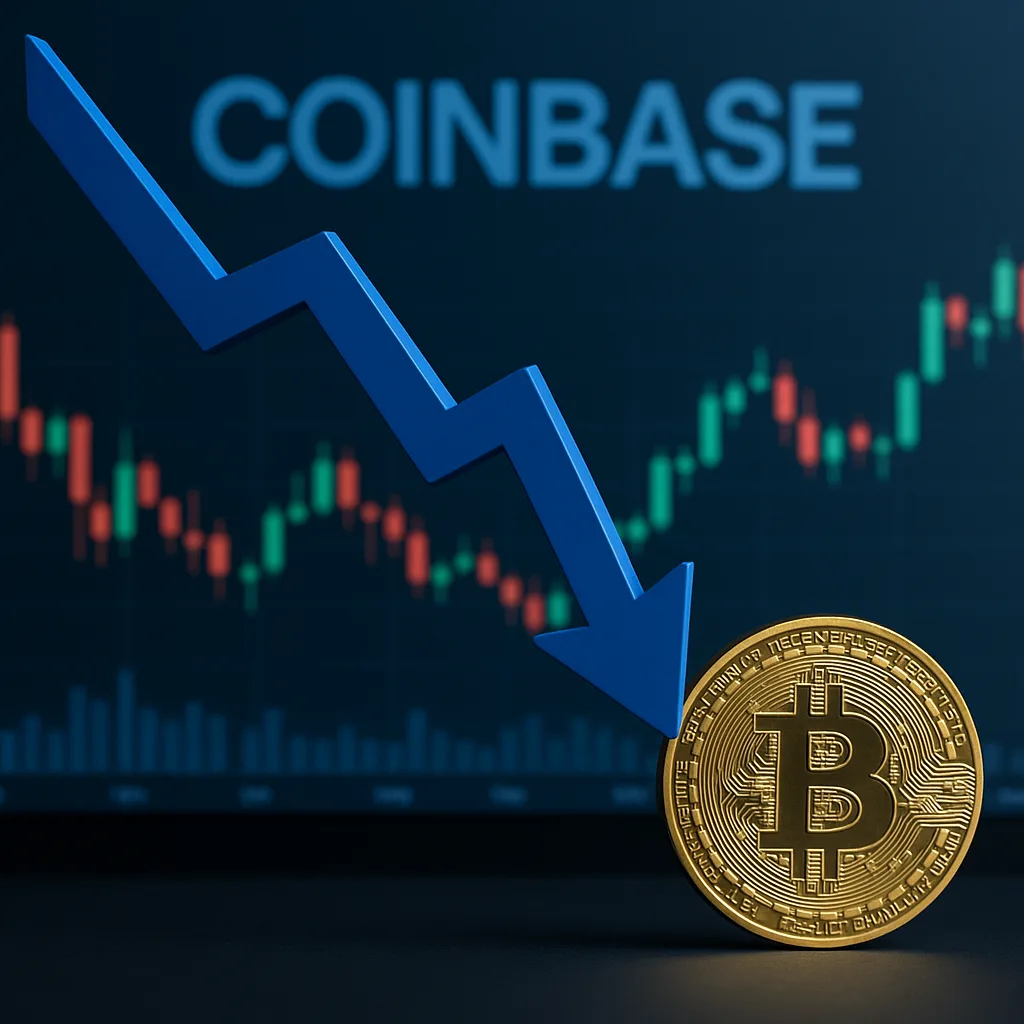
As we step into 2026, Coinbase finds itself at a critical crossroads, facing a landscape that has evolved dramatically since its inception. Once the darling of the cryptocurrency exchange scene, Coinbase now navigates a complex environment marked by increasing regulatory scrutiny, intensified competition, and shifting market dynamics. Analysts are closely watching the company's performance, particularly in light of recent downgrades that have raised concerns about its profitability and growth prospects.
In the wake of these challenges, Coinbase has tried to adapt its business model to the changing tides of the crypto market. The company has expanded its offerings beyond traditional exchange services, venturing into new areas like staking, NFTs, and institutional trading solutions. However, these efforts come at a time when crypto prices are notoriously volatile, and user engagement can fluctuate significantly. As a result, Coinbase's revenue streams have become more unpredictable, leading to heightened scrutiny from investors and analysts alike.
Moreover, the competitive landscape has shifted as several new players have entered the market, offering innovative features and lower fees, which has put pressure on Coinbase to remain relevant. This competition has not only affected user acquisition and retention but has also sparked a race to enhance security measures and improve customer service, areas where Coinbase has historically prided itself. As the company gears up for its upcoming earnings report, the question on everyone's mind is whether it can effectively navigate these tumultuous waters and reassure investors of its long-term viability.
The regulatory environment is another factor that looms large in the backdrop of Coinbase's operations. Governments across the globe are tightening their grip on cryptocurrency exchanges, implementing stricter guidelines to protect consumers and mitigate risks associated with digital assets. Coinbase, which has often positioned itself as a compliant and regulated platform, must now balance these regulatory demands with the need to innovate and grow. How it manages this balance will be crucial in determining its future trajectory in an industry that is still finding its footing.
Current Market Conditions: Trends in Cryptocurrency Prices
The cryptocurrency market has been experiencing significant fluctuations as we approach the earnings report for Coinbase, one of the leading platforms in the sector. Recent trends indicate a mixed sentiment among investors, driven by macroeconomic factors and regulatory scrutiny. Bitcoin, the leading cryptocurrency by market capitalization, has seen a series of ups and downs, with its price hovering around the $30,000 mark. This level serves as both a psychological barrier and a critical support zone, reflecting traders' cautious optimism amid ongoing market volatility. Related: Coinbase's challenges in 2026.
Ethereum, the second-largest cryptocurrency, has also been facing its own set of challenges. After reaching an all-time high of over $4,800 in late 2021, Ethereum's price has struggled to regain momentum, recently fluctuating between $1,800 and $2,200. Factors contributing to this price stagnation include changes in market sentiment, the impact of decentralized finance (DeFi) projects, and the overall health of the blockchain ecosystem. Moreover, the anticipated transition to Ethereum 2.0, aimed at improving scalability and sustainability, has kept investors on edge as they assess the timeline and potential outcomes of this pivotal upgrade.
In addition to these price movements, the broader economic environment plays a crucial role in shaping cryptocurrency trends. The ongoing inflation concerns, coupled with interest rate hikes by central banks, have led to increased volatility in traditional markets, which in turn spills over into the crypto space. Investors are becoming increasingly wary, often viewing cryptocurrencies as risky assets during uncertain times. The heightened regulatory scrutiny in various countries, particularly in the United States, has further complicated the landscape, leading many to adopt a wait-and-see approach before making significant investments.
As Coinbase prepares to release its earnings, analysts will closely monitor not only the company's financial performance but also its ability to adapt to these challenging market conditions. The trends in cryptocurrency prices could very well influence the outlook for Coinbase's stock and its strategic decisions moving forward. With the market in a state of flux, the next few weeks will be critical in determining the trajectory of both the cryptocurrency market and Coinbase's position within it.
Analyst Insights: Understanding the Price Target Cuts
In the wake of Coinbase's recent earnings report, analysts have been reevaluating their price targets for the cryptocurrency exchange. Several prominent financial institutions have issued downgrades, citing a combination of macroeconomic pressures, regulatory scrutiny, and changing market dynamics as key factors influencing their assessments. The downgrades reflect a broader concern about the sustainability of Coinbase's revenue model in an increasingly competitive landscape. Related: Current trends in cryptocurrency.
One of the primary reasons behind these price target reductions is the ongoing volatility in the cryptocurrency markets. With Bitcoin and other major cryptocurrencies experiencing significant price fluctuations, trading volumes on exchanges like Coinbase have become unpredictable. Analysts note that such volatility can lead to decreased trading activity, which directly impacts Coinbase's revenue streams. This uncertainty has prompted analysts to reconsider their projections, leading to more conservative price targets.
Additionally, the regulatory environment surrounding cryptocurrencies remains a significant concern. As governments worldwide continue to grapple with how to regulate digital assets, the potential for stricter regulations poses a risk to Coinbase's operations. Analysts suggest that increased compliance costs and the possibility of being forced to alter business practices could hinder the company's growth prospects. As a result, some analysts have chosen to adopt a more cautious stance, reflecting these risks in their updated price targets.
Finally, the competitive landscape within the cryptocurrency exchange sector is evolving rapidly. New market entrants and innovative trading platforms are emerging, offering users alternative options for buying and selling digital assets. Analysts have highlighted that as competition intensifies, Coinbase may face challenges in retaining its market share and attracting new customers. This shift in market dynamics has led some analysts to question whether Coinbase can maintain its previous growth trajectory, prompting further reductions in price targets.
Impact of Trading Volume on Revenue: A Deep Dive
As Coinbase prepares to release its upcoming earnings report, the spotlight is firmly on the trading volume that has been a critical driver of the company's revenue. The cryptocurrency market is notoriously volatile, and fluctuations in trading activity can have a significant impact on Coinbase's financial performance. For context, trading volume refers to the total amount of cryptocurrency traded on the Coinbase platform over a specified period. When trading volume is high, Coinbase benefits from increased transaction fees, leading to higher revenue. Conversely, a decline in trading volume can strain the company's financials, especially during periods of market downturns.
In recent months, analysts have noted a concerning trend: the overall trading volume across major cryptocurrency exchanges, including Coinbase, has seen a marked decline. This reduction can be attributed to several factors, including market saturation, regulatory uncertainty, and a general cooling of investor sentiment toward cryptocurrencies. As retail and institutional investors navigate the complexities of the market, their trading activity tends to decrease, directly impacting the revenue streams for exchanges. For Coinbase, this situation poses a dual challenge, as decreased trading volume not only affects immediate revenue but also investor confidence in the company's growth prospects. Related: Trading strategies for market challenges.
The implications of declining trading volumes extend beyond immediate revenue concerns. They can also affect Coinbase's ability to attract new users and maintain its competitive edge in a crowded marketplace. With numerous alternative platforms vying for consumer attention, Coinbase must demonstrate that it can offer a compelling trading experience, enhanced features, and innovative product offerings. This need for differentiation becomes even more critical in a landscape where user loyalty can easily shift in response to market conditions or emerging competitors.
Looking ahead, the potential for recovery in trading volume remains uncertain. Factors such as regulatory developments, macroeconomic conditions, and renewed investor interest in cryptocurrency could play pivotal roles in shaping the trading landscape. For Coinbase, adapting to these changes will be essential for navigating the challenges ahead. As analysts downgrade their outlooks, the company's ability to respond effectively to fluctuations in trading volume will be crucial in determining its financial health and overall market position.
Comparative Analysis: Coinbase vs. Competitors
As Coinbase navigates through turbulent market conditions, it's essential to assess its performance in relation to its competitors. The cryptocurrency exchange landscape is increasingly crowded, with platforms like Binance, Kraken, and Gemini vying for market share. Each competitor has adopted unique strategies, which impact their user base, liquidity, and overall market perception. Coinbase, known for its user-friendly interface and regulatory compliance, has carved out a significant niche, particularly among retail investors.
Binance, on the other hand, has gained a reputation for its extensive range of trading options and lower fees. This makes it particularly attractive to more experienced traders and institutions looking for advanced tools. Binance’s aggressive expansion and a broad suite of services, including DeFi and NFT platforms, have allowed it to capture a substantial share of the market. While Coinbase has focused on regulatory compliance and building a reputable brand, Binance has capitalized on speed and variety, presenting a direct challenge to Coinbase's traditional business model.
Kraken has also emerged as a formidable player in the space, emphasizing security and transparency. With features like staking and futures trading, Kraken appeals to a different demographic of users who prioritize security and a diverse trading experience. Gemini, founded by the Winklevoss twins, has positioned itself as a compliant and secure option in the U.S. market, appealing to institutional investors and regulators. This focus on compliance aligns closely with Coinbase’s strategy, yet Gemini has managed to differentiate itself through innovative products like its Gemini Earn program.
In light of these competitive dynamics, Coinbase faces a dual challenge of retaining its current user base while attracting new customers amidst the backdrop of increasing regulatory scrutiny and market volatility. Analysts have pointed out that Coinbase's reliance on transaction fees could become a vulnerability as competitors offer more diversified income streams. In this rapidly evolving environment, the exchange must innovate and adapt its offerings to maintain its market leadership, especially as its competitors continue to innovate and expand their services. The upcoming earnings report will be crucial in determining whether Coinbase can effectively navigate these challenges and sustain its competitive edge.
Future Outlook: What Lies Ahead for Coinbase?
As Coinbase prepares to unveil its upcoming earnings report, the atmosphere surrounding the cryptocurrency exchange is thick with uncertainty. Analysts have been vocal about their concerns, leading to recent downgrades that reflect a cautious outlook on the company’s near-term performance. These downgrades are indicative of a broader trend in the crypto market, where volatility has become the norm and regulatory pressures continue to mount. Investors are left asking: what does the future hold for Coinbase?
One of the primary challenges facing Coinbase is the evolving regulatory landscape. As governments around the world tighten their grip on cryptocurrency exchanges, compliance with new regulations has become a critical concern. Coinbase has made strides in ensuring compliance, but the potential for sudden regulatory changes could impact its operations and profitability. The company's ability to navigate these waters will be crucial in maintaining investor confidence and market share.
Additionally, competition in the cryptocurrency space is intensifying. New players are emerging, offering innovative features and lower fees that threaten to erode Coinbase's user base. The company must innovate and adapt to retain its position as a leading exchange. This includes enhancing its platform, expanding its offerings, and possibly even diversifying its revenue streams beyond trading fees. Failure to do so could result in diminished market relevance in an industry that is notoriously unforgiving.
Despite these challenges, there are glimmers of hope for Coinbase. The growing institutional interest in cryptocurrencies presents an opportunity for the exchange to capture a more significant share of the market. Furthermore, as blockchain technology matures, there is potential for new use cases that could drive demand for various cryptocurrencies, ultimately benefiting platforms like Coinbase. Investors will be closely monitoring how the company positions itself in this evolving landscape during the earnings call and in the months that follow.
Investor Sentiment: Navigating the Challenges
As Coinbase prepares to release its earnings report, investor sentiment is increasingly fraught with uncertainty. The recent downgrades from analysts serve as a stark reminder of the challenges the company faces in a rapidly evolving cryptocurrency landscape. Investor confidence, which once soared during the heights of the crypto boom, has seen a significant decline, prompting many to reassess their positions in the company.
The downgrades reflect broader concerns about regulatory pressures, market volatility, and fierce competition from both established financial institutions and emerging blockchain startups. Investors are now more cautious, weighing the potential for short-term losses against long-term gains. This cautious approach is evident in trading volumes, as many investors adopt a wait-and-see stance, hesitant to commit capital until there’s clarity regarding Coinbase’s future trajectory.
Furthermore, the sentiment surrounding the cryptocurrency market as a whole has been marked by fluctuations. With Bitcoin and Ethereum experiencing sharp price swings, the ripple effects have been felt across exchanges, including Coinbase. As a result, investor psychology is shifting; many are prioritizing safety and stability over potential high-risk, high-reward investments. This shift is likely influencing not only individual investor strategies but also institutional investment patterns, which have historically been more stable but are now increasingly scrutinizing their exposure to crypto trading platforms.
In light of these dynamics, Coinbase's upcoming earnings report will be a pivotal moment for the company. Investors will be looking for indicators of how well the platform is adapting to current market conditions, managing operational costs, and navigating regulatory challenges. The anticipation surrounding the earnings call could either bolster investor confidence or amplify doubts, depending on the results shared. As the market continues to mature, the ability of Coinbase to effectively communicate its strategy and reassure investors could prove crucial in regaining lost trust and stabilizing its stock performance. Markets.
Conclusion: Key Takeaways for Crypto Enthusiasts
As Coinbase prepares to release its earnings report, the recent downgrades from analysts serve as a crucial reminder of the volatility and unpredictability inherent in the cryptocurrency market. For crypto enthusiasts, understanding the implications of these downgrades is essential for navigating the complex landscape of digital assets. Analysts cite increased regulatory scrutiny and competitive pressures as significant factors contributing to their cautious outlook on Coinbase's future performance. This highlights the importance of staying informed about the broader regulatory environment and market trends that can impact leading exchanges.
Furthermore, the performance of Coinbase directly reflects the health of the cryptocurrency ecosystem as a whole. Enthusiasts should be aware that a downturn in Coinbase's performance could signal broader market challenges, potentially affecting their investments. Keeping a close eye on earnings reports, user growth metrics, and regulatory news will provide valuable insights into the direction of both Coinbase and the overall crypto market. It is crucial for investors to assess how Coinbase's business model adapts to these challenges while also considering how its competitors are positioned.
Investors should also recognize that while downgrades can lead to short-term volatility, they may also present opportunities for long-term growth. The crypto space is known for its rapid evolution, and companies that can pivot and innovate often emerge stronger. As an enthusiast, it is essential to maintain a balanced perspective, viewing the current challenges as part of the broader journey for both Coinbase and the entire crypto industry. Diversifying one’s portfolio and not putting all eggs in one basket can mitigate risks associated with potential downturns in any single asset or exchange.
In conclusion, the upcoming earnings report from Coinbase will be a critical moment for both the company and the cryptocurrency market. By staying informed and understanding the broader implications of these downgrades, investors can make more strategic decisions. The landscape is ever-changing, and while challenges persist, it is also rife with opportunities for those willing to navigate its complexities.