Introduction to Algorand and Its Current Position
Algorand is a pioneering blockchain platform that aims to solve some of the most pressing issues in the cryptocurrency space, including scalability, security, and decentralization. Founded in 2017 by Silvio Micali, a Turing Award-winning cryptographer, Algorand employs a unique consensus mechanism called Pure Proof of Stake (PPoS). This approach not only enhances transaction speed but also significantly reduces energy consumption compared to traditional proof-of-work models. As a result, Algorand has positioned itself as a leader in sustainable blockchain technology, attracting a diverse range of projects and partnerships.
As of 2023, Algorand is recognized for its robust ecosystem that supports decentralized applications (dApps), decentralized finance (DeFi) solutions, and non-fungible tokens (NFTs). The platform's ability to handle thousands of transactions per second with minimal fees makes it an appealing choice for developers looking to build scalable applications. Furthermore, Algorand's commitment to fostering innovation is evident through initiatives such as the Algorand Foundation, which provides grants and resources to emerging projects within its ecosystem.
Despite facing fierce competition from other blockchain giants like Ethereum, Binance Smart Chain, and Solana, Algorand has maintained a steady growth trajectory. Its distinct features, such as instant transaction finality and strong security measures, have garnered attention from both institutional investors and developers. As the demand for blockchain solutions continues to rise, Algorand's strategic partnerships and continuous improvements may solidify its standing in the market.
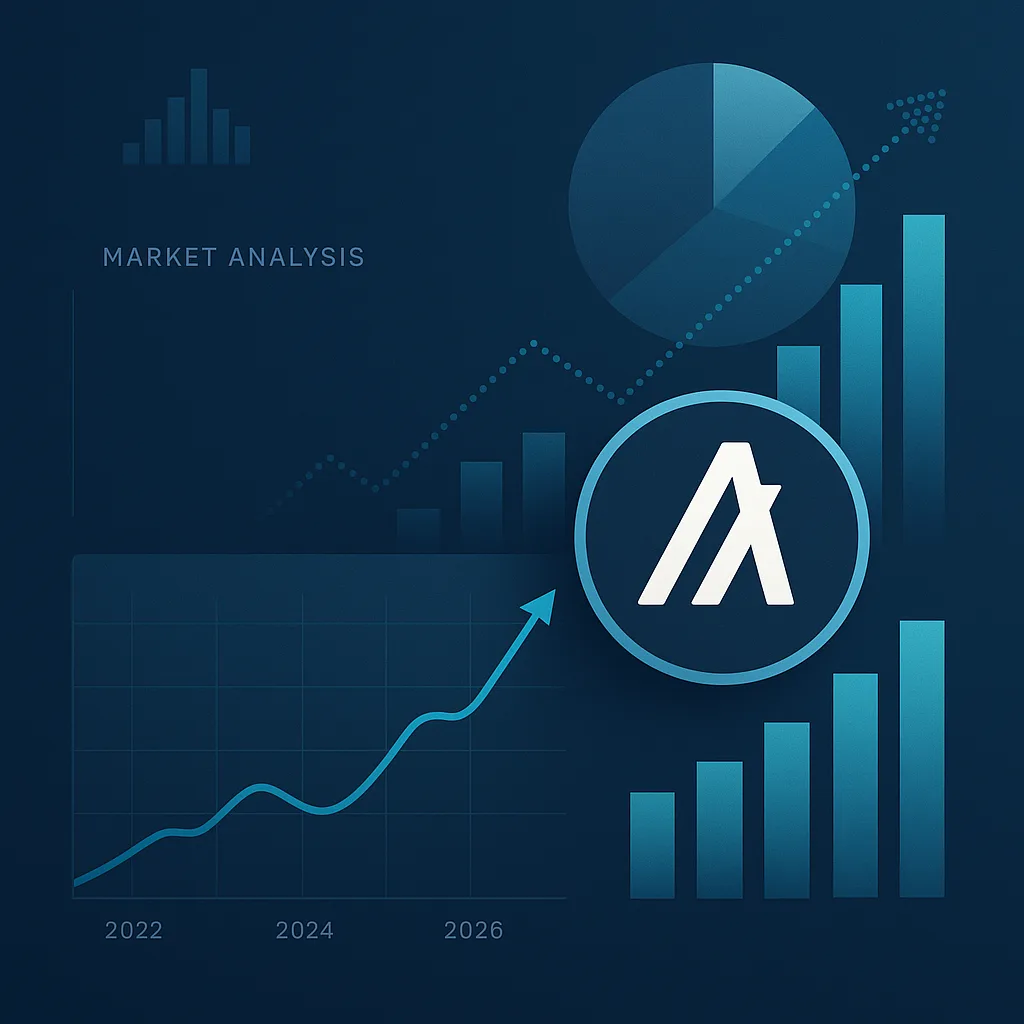
However, the cryptocurrency landscape is highly volatile and rapidly evolving. As we look towards 2026, it is crucial to assess Algorand's current position and its potential for future growth. Factors such as market trends, regulatory developments, and technological advancements will play significant roles in shaping Algorand's trajectory. In the subsequent sections, we will delve deeper into these aspects to provide a comprehensive market analysis of Algorand's future prospects.
Key Developments in Algorand's Technology
As we look towards 2026, Algorand's technological advancements will play a pivotal role in shaping its market position. The blockchain landscape is evolving rapidly, and Algorand is innovating to keep pace with the demands of scalability, security, and sustainability. One of the most significant developments is the ongoing enhancement of its consensus mechanism, which utilizes a unique Pure Proof of Stake (PPoS) approach. This mechanism not only facilitates faster transaction speeds but also ensures that the network remains decentralized and secure. By minimizing the energy consumption compared to traditional proof-of-work systems, Algorand is positioning itself as a leader in environmentally sustainable blockchain technology. Market insights and predictions for 2026.
Furthermore, Algorand has been actively working on integrating smart contract functionalities through its Algorand Smart Contracts (ASC1). These smart contracts are designed to be efficient and scalable, enabling developers to create decentralized applications (dApps) that can handle high transaction volumes without compromising performance. The introduction of the Algorand Virtual Machine (AVM) has further enhanced the platform's capabilities, allowing for more complex logic and functionalities within smart contracts. This innovation is likely to attract a broader range of developers and enterprises looking to leverage blockchain technology for various applications, from finance to supply chain management.
In addition to these technical upgrades, Algorand is also focusing on interoperability with other blockchains. By enhancing cross-chain communication, Algorand aims to create a more connected ecosystem, allowing assets and data to flow seamlessly between different blockchain networks. This strategy not only broadens the use cases for Algorand but also positions it as a crucial player in the multichain future that many industry experts predict.
Finally, Algorand's commitment to fostering a robust developer community cannot be overlooked. The launch of initiatives such as the Algorand Developer Portal and various hackathons is aimed at encouraging innovation and engagement within the community. By providing resources and support for developers, Algorand is not only enhancing its technological footprint but also ensuring a steady pipeline of new projects and applications that can drive adoption and usage of the platform well into 2026 and beyond.
Market Trends Influencing Algorand in 2026
As we look ahead to 2026, several key market trends are poised to influence the trajectory of Algorand, a blockchain platform known for its speed, scalability, and efficiency. One of the most significant trends is the increasing adoption of decentralized finance (DeFi) applications. With more individuals and institutions seeking alternatives to traditional financial systems, DeFi platforms are likely to proliferate. Algorand's unique consensus mechanism, which allows for quick transaction finality and low fees, positions it favorably in this burgeoning sector. As DeFi continues to grow, Algorand may capture a larger market share by providing the infrastructure needed for developers to create innovative financial products. Comprehensive analysis of market trends.
Another trend to watch is the evolving regulatory landscape surrounding cryptocurrencies and blockchain technology. Governments and regulatory bodies worldwide are increasingly establishing frameworks to govern digital assets. This shift represents both a challenge and an opportunity for Algorand. On one hand, stringent regulations may pose hurdles for blockchain projects; however, Algorand's commitment to compliance and its focus on building a secure, transparent platform could enhance its attractiveness to enterprises looking for a reliable blockchain solution. As regulatory clarity emerges, Algorand's ability to navigate this landscape will be crucial to its growth.
Moreover, the rise of Web 3.0 and the growing emphasis on user privacy and data ownership are trends that will likely shape the future of blockchain technology. As consumers become more aware of their digital rights and the value of their personal data, platforms that prioritize privacy and decentralization will gain traction. Algorand's architecture, which supports privacy-preserving technologies, could position it as a preferred choice for developers aiming to create applications that align with these values. This alignment could foster greater user engagement and drive the adoption of Algorand-based solutions in various sectors.
Lastly, the increasing integration of artificial intelligence (AI) with blockchain technology is a trend that is expected to gain momentum by 2026. AI can enhance the functionality and efficiency of blockchain networks, enabling real-time data processing and decision-making capabilities. Algorand's focus on innovation and partnerships in AI could provide it with a competitive edge, allowing it to leverage synergies between these two transformative technologies. As businesses seek to harness the power of AI in conjunction with blockchain, Algorand may emerge as a pivotal player in this intersection, driving further adoption and use cases.
Comparative Analysis with Other Altcoins
As the cryptocurrency landscape evolves, it becomes increasingly important to conduct a comparative analysis of prominent altcoins to understand Algorand's position in the market. In 2026, the competition among altcoins is expected to be fierce, with several projects vying for market share and user adoption. Notably, Ethereum, Solana, and Cardano will likely remain some of Algorand's closest competitors due to their established ecosystems and robust developer communities. Each of these platforms has unique features and scalability solutions that attract various sectors of the blockchain market.
Ethereum, often considered the backbone of decentralized applications, is making strides with its transition to a proof-of-stake model and the introduction of Layer 2 solutions like Optimistic Rollups and zk-Rollups. This shift is designed to enhance scalability while reducing transaction costs, presenting a significant challenge for Algorand. However, Algorand’s unique consensus mechanism, which facilitates near-instant transaction speeds and lower fees, could position it as a more efficient alternative for developers seeking to build dApps that require rapid execution. Future of Tezos in 2026.
Similarly, Solana has gained considerable traction in the DeFi space due to its high throughput and low latency, making it a preferred choice for developers looking to create high-performance applications. Its ability to process thousands of transactions per second has garnered attention, but Algorand's focus on security and decentralization might appeal to those who prioritize these aspects over sheer speed. Furthermore, Algorand's environmentally friendly approach in comparison to Solana’s energy consumption could resonate well with increasingly eco-conscious investors and users.
Cardano, with its rigorous academic approach and emphasis on formal verification, has cultivated a dedicated following. However, its slower development pace has led some to question its competitive edge. Algorand's rapid release of features and upgrades, combined with its focus on interoperability and ease of use, could give it an advantage in attracting developers who desire a more agile platform. As we approach 2026, the comparative strengths and weaknesses of these altcoins will shape the strategic decisions of investors and developers alike, making it imperative for Algorand to leverage its unique attributes to stand out in a crowded market.
Use Cases Driving Algorand's Adoption
As Algorand continues to evolve, its unique features and capabilities are fostering a range of use cases that are driving adoption across various sectors. One of the most significant areas where Algorand shines is in the realm of decentralized finance (DeFi). With its high throughput and low transaction fees, Algorand provides a robust platform for developing DeFi applications that can handle a large number of transactions without compromising on speed or security. This makes it an attractive option for developers looking to create innovative financial products that can reach a broader audience.
In addition to DeFi, Algorand is making strides in the realm of non-fungible tokens (NFTs). The platform enables artists and creators to mint, buy, and sell NFTs with ease, leveraging its efficient consensus mechanism to ensure that transactions remain cost-effective. The growing popularity of NFTs in the art and entertainment industries is leading more creators to explore Algorand as a viable option for their digital assets, further driving adoption and expanding the ecosystem.
Another noteworthy use case is in the area of supply chain management. Algorand's blockchain technology allows for enhanced traceability and transparency in supply chains, which is increasingly important in today's global economy. Companies can use Algorand to record every step of the supply chain process, from raw material sourcing to final delivery, ensuring that all participants can access accurate information. This not only improves operational efficiency but also builds trust among stakeholders, making Algorand an appealing choice for enterprises looking to streamline their supply chain processes. Trade PEPE/USDT.
Furthermore, Algorand's commitment to sustainability is attracting attention from organizations focused on reducing their carbon footprint. The platform's energy-efficient consensus mechanism minimizes environmental impact, which aligns with the values of many businesses and consumers today. As corporate social responsibility becomes a critical component of business strategy, Algorand's eco-friendly approach is likely to resonate with those looking to adopt blockchain technology while prioritizing sustainability.
Regulatory Landscape Impacting Algorand
The regulatory landscape surrounding cryptocurrencies and blockchain technology is a rapidly evolving arena that will significantly influence the future of platforms like Algorand. As governments and regulatory bodies across the globe continue to formulate and implement frameworks to govern digital assets, understanding these regulations is paramount for assessing Algorand's trajectory in the years leading to 2026. With its unique consensus mechanism and focus on scalability and security, Algorand is well-positioned to align with certain regulatory expectations, but adaptation will be essential.
In the United States, the Securities and Exchange Commission (SEC) has taken a proactive stance in defining what constitutes a security in the crypto space. This scrutiny can affect how Algorand's native token, ALGO, is classified and traded. Should ALGO be deemed a security, this could impose additional compliance requirements on exchanges and investors. However, Algorand's efforts to promote transparency and its commitment to decentralization may help it navigate these challenges more effectively than some of its competitors. A clear regulatory framework could also foster a more stable market environment, encouraging institutional investment in Algorand and similar projects.
Internationally, the approach to cryptocurrency regulation varies significantly, with some countries embracing digital assets while others impose strict prohibitions. For instance, the European Union is moving toward comprehensive legislation that aims to harmonize regulations across member states. Should the EU's MiCA (Markets in Crypto-Assets) regulation come into effect, Algorand could benefit from a more predictable regulatory environment, potentially increasing its adoption in Europe. The platform's capabilities for creating compliant token standards may also attract projects looking to adhere to regulatory guidelines.
Furthermore, as environmental concerns rise, regulations focusing on the sustainability of blockchain technologies are becoming more prevalent. Algorand's energy-efficient proof-of-stake mechanism positions it favorably within this context, allowing it to appeal to environmentally conscious investors and developers. As more jurisdictions enact regulations regarding carbon footprints and energy consumption, Algorand's commitment to sustainability could serve as a competitive advantage, enhancing its appeal in a market that is increasingly prioritizing ethical considerations. BTT price.
Future Predictions for Algorand's Market Performance
As we look toward 2026, several factors will play a crucial role in determining Algorand's market performance. The blockchain landscape is evolving rapidly, with increasing competition from various platforms, including Ethereum 2.0, Cardano, and Solana. Algorand's unique features, such as its pure proof-of-stake consensus mechanism and focus on scalability and security, position it well within this competitive market. Analysts expect that as more developers and enterprises seek efficient and sustainable blockchain solutions, Algorand's adoption will increase significantly, driving demand for its native cryptocurrency, ALGO.
Furthermore, the growing trend of decentralized finance (DeFi) and non-fungible tokens (NFTs) may benefit Algorand as it enhances its ecosystem to support these applications. With the implementation of continuous upgrades and partnerships with leading fintech companies, Algorand is likely to capture a larger market share in the DeFi sector. By 2026, the platform's ability to facilitate faster transactions and lower fees compared to its competitors could attract a significant number of users, thereby bolstering its overall market presence.
Another critical factor influencing Algorand's future is regulatory developments. As governments and regulatory bodies worldwide begin to establish frameworks for cryptocurrencies, Algorand's commitment to compliance and transparency will be essential. If Algorand can position itself as a compliant and reliable platform, it may gain favor with institutional investors, further driving its growth. Market predictions suggest that a strong regulatory framework could result in a significant influx of capital into Algorand, pushing its market cap to new heights.
Lastly, community engagement and developer support will remain vital for Algorand's longevity and success. A robust developer ecosystem can lead to innovative applications that drive user adoption. As more projects leverage Algorand's blockchain for their solutions, the network's utility will increase, potentially leading to an appreciation in ALGO's value. Overall, while the future of Algorand in 2026 appears promising, various external and internal factors will significantly influence its trajectory in the ever-evolving cryptocurrency landscape. Futures trading.
Conclusion: The Road Ahead for Algorand
As we look toward 2026, Algorand stands at a pivotal juncture in the ever-evolving landscape of blockchain technology and decentralized finance (DeFi). With its unique consensus mechanism, which combines proof-of-stake with a focus on scalability and security, Algorand has positioned itself as a formidable player in the cryptocurrency space. The next few years will be crucial for Algorand as it seeks to capitalize on its technological advantages while navigating challenges posed by competition, regulatory scrutiny, and market dynamics.
One of the primary drivers of Algorand's future success will be its ability to foster the development of decentralized applications (dApps) and smart contracts on its platform. As enterprises and developers increasingly turn to blockchain solutions, Algorand's emphasis on speed and low transaction costs could make it an attractive choice for building innovative applications. The ongoing evolution of its ecosystem, including partnerships with various industries, will be key to sustaining growth and attracting new users.
Moreover, the broader acceptance of cryptocurrencies and blockchain technology is likely to influence Algorand's trajectory. As institutional interest continues to rise and governments explore their own digital currencies, Algorand's commitment to compliance and regulatory engagement could enhance its reputation and trustworthiness. By aligning itself with global trends and ensuring adherence to regulatory standards, Algorand may find itself well-positioned to lead in the digital economy.
Ultimately, the road ahead for Algorand will depend on its strategic decisions, community engagement, and ability to adapt to an ever-changing market landscape. While the potential for growth is significant, it is essential for stakeholders to remain vigilant and proactive in addressing challenges. By harnessing its technological strengths and focusing on user experience, Algorand can strive to fulfill its vision of a borderless economy, making strides toward a decentralized future that benefits all participants.