Introduction to Litecoin
Litecoin, often dubbed the silver to Bitcoin’s gold, is a peer-to-peer cryptocurrency that was created by Charlie Lee in 2011. Designed to enable faster transactions at a lower cost than Bitcoin, Litecoin has garnered attention for its unique features and solid market presence. The cryptocurrency utilizes a different hashing algorithm known as Scrypt, which allows for quicker block generation times, typically around 2.5 minutes compared to Bitcoin’s 10 minutes. This efficiency makes Litecoin an attractive option for users looking for speedy transactions.
One of the main advantages of Litecoin is its strong community support and active development. Over the years, Litecoin has managed to maintain a loyal user base, driven by ongoing improvements and adaptations to market needs. The cryptocurrency has consistently been among the top ten in market capitalization, signifying its resilience and acceptance in the broader crypto landscape. As the market evolves, Litecoin's developers continue to explore innovations, such as the implementation of the Lightning Network, which aims to facilitate even faster transactions and lower fees.
Litecoin also benefits from its status as a testbed for Bitcoin’s advancements. Many features that are proposed for Bitcoin often undergo testing on the Litecoin network first. This relationship further underscores Litecoin's importance within the cryptocurrency ecosystem. Additionally, its finite supply of 84 million coins creates scarcity, much like Bitcoin, and helps to maintain its value proposition in the eyes of investors.
As we delve deeper into the market analysis of Litecoin, it is essential to consider various factors such as its historical performance, market sentiment, and technological advancements that could shape its future. Understanding these elements will provide a clearer picture of where Litecoin stands today and what potential it holds moving forward in the ever-evolving cryptocurrency market.
Current Market Position and Performance
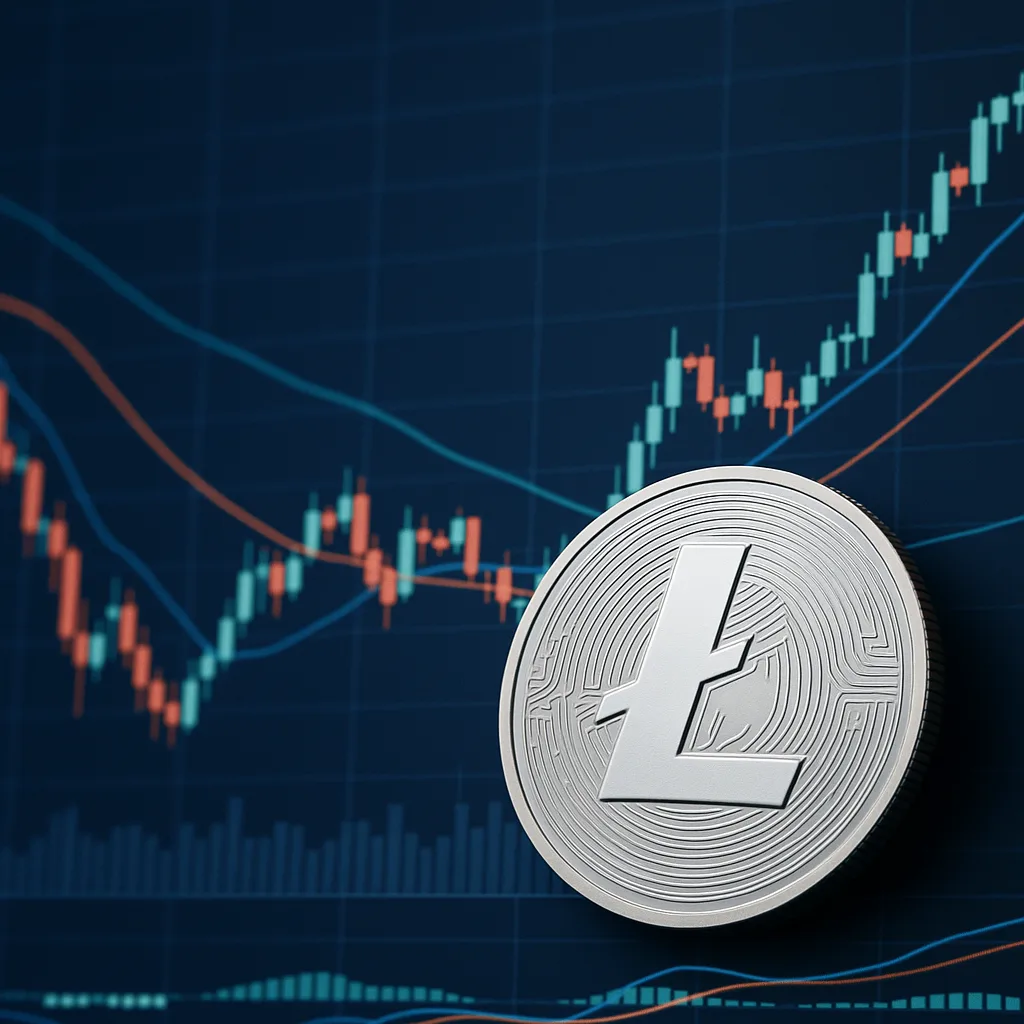
As of the latest market data, Litecoin (LTC) continues to hold a significant position within the cryptocurrency landscape. Launched in 2011, Litecoin was designed to be the silver to Bitcoin's gold, offering faster transaction times and a more efficient mining process. Currently, it remains one of the top cryptocurrencies by market capitalization, consistently ranking within the top ten. This enduring status can be attributed to its robust technology, active community, and ongoing development, which have helped it maintain relevance in an ever-evolving market. Current cryptocurrency market trends.
Over the past year, Litecoin has experienced considerable fluctuations in its price, mirroring the overall volatility seen in the cryptocurrency market. After reaching an all-time high in late 2021, LTC faced a significant correction that saw it drop in value alongside many other altcoins. However, recent trends indicate a potential recovery, with increased interest from both retail and institutional investors. The upcoming Litecoin halving, expected in August 2023, is anticipated to further impact its price dynamics, as past halving events have historically led to price surges due to reduced supply.
In terms of trading volume, Litecoin has shown resilience, often maintaining high liquidity levels compared to smaller or less established cryptocurrencies. This liquidity is vital for new and existing investors, as it allows for easier entry and exit points in the market. Additionally, the extensive network of exchanges supporting Litecoin enhances its accessibility, contributing to its sustained demand. Furthermore, the integration of Litecoin into various payment systems and merchant services is fostering real-world use cases, which is crucial for the cryptocurrency's longevity.
Overall, the current market position of Litecoin reflects a blend of historical significance and potential for future growth. As the broader cryptocurrency market continues to evolve, Litecoin's established infrastructure, ongoing development efforts, and community support position it well for a competitive edge. Investors and market watchers should keep a close eye on Litecoin's performance as it navigates the challenges and opportunities that lie ahead, especially in the context of upcoming technological advancements and market shifts.
Technological Developments and Upgrades
Litecoin, often regarded as the silver to Bitcoin's gold, has continually evolved to keep pace with the changing landscape of the cryptocurrency market. The development team behind Litecoin has been proactive in implementing technological upgrades and enhancements that not only improve the functionality of the network but also increase its competitiveness against other cryptocurrencies. One of the most significant upgrades in recent years has been the integration of the Mimblewimble protocol, which aims to enhance the privacy and scalability of transactions. Liquidity and volume trends in exchanges.
The Mimblewimble upgrade allows for confidential transactions by obscuring the sender, receiver, and transaction amount, thus providing users with greater privacy. This feature is becoming increasingly important as regulatory scrutiny on cryptocurrencies intensifies. By offering more privacy options, Litecoin positions itself as a viable option for users who prioritize anonymity in their transactions. Furthermore, this protocol significantly reduces the size of the blockchain, leading to improved efficiency and scalability, which are crucial for accommodating a growing user base.
Another noteworthy development is Litecoin's ongoing commitment to maintaining a fast transaction speed and low fees, which are critical factors for its adoption as a medium of exchange. Unlike Bitcoin, which can experience slow transaction times and high fees during peak demand, Litecoin's technology allows for quicker confirmations and lower transaction costs. This characteristic makes Litecoin an attractive option for everyday transactions, whether for retail purchases or peer-to-peer transfers. The consistent focus on optimizing transaction capabilities ensures that Litecoin remains relevant and practical in a crowded market.
In addition to these upgrades, the Litecoin Foundation has been actively engaging with the community to facilitate ongoing development and innovation. This collaborative approach not only fosters a sense of ownership among users but also encourages the introduction of new ideas and features that can further enhance Litecoin's utility. As the cryptocurrency space continues to evolve, Litecoin's commitment to technological advancements and community engagement will play a pivotal role in shaping its future. The combination of enhanced privacy features, transaction efficiency, and active community participation positions Litecoin to adapt and thrive in the ever-changing landscape of digital currencies.
Comparative Analysis with Bitcoin and Ethereum
In the cryptocurrency landscape, Litecoin often finds itself compared to the two giants of the market: Bitcoin and Ethereum. While all three cryptocurrencies share some fundamental characteristics, their underlying technologies, use cases, and market behaviors can vary significantly. Understanding these differences is crucial for investors and enthusiasts looking to navigate the complex world of digital assets.
Bitcoin, often referred to as digital gold, was the first cryptocurrency and continues to dominate the market in terms of market capitalization and recognition. It is primarily seen as a store of value, with its limited supply of 21 million coins contributing to its appeal as a hedge against inflation. In contrast, Litecoin was designed to facilitate transactions more efficiently than Bitcoin, with a shorter block generation time of just 2.5 minutes compared to Bitcoin's 10 minutes. This makes Litecoin a more suitable option for everyday transactions. However, while Bitcoin has established itself as a long-term investment vehicle, Litecoin's role as a medium of exchange remains under scrutiny as larger networks adopt advanced technologies. Market analysis of Tezos in 2026.
Ethereum, on the other hand, introduces an entirely different use case with its smart contract capabilities. This functionality enables developers to create decentralized applications (dApps) on its blockchain, fostering a vibrant ecosystem of innovation. Litecoin does not natively support smart contracts, positioning it more as a transactional currency rather than a platform for decentralized development. However, Litecoin's recent integration with the Lightning Network, which allows for faster and cheaper transactions, demonstrates its adaptability and potential to compete in a landscape that increasingly values speed and scalability.
When analyzing market trends, it is essential to consider how Litecoin’s market dynamics interact with those of Bitcoin and Ethereum. Historically, Litecoin's price movements have shown correlation with Bitcoin's, often acting as a bellwether for market sentiment. However, Litecoin tends to experience more volatility, making it an attractive option for traders looking for short-term gains. As Ethereum continues to dominate the decentralized finance (DeFi) and NFT sectors, Litecoin may carve out its niche as a stable and efficient alternative for peer-to-peer transactions. Ultimately, while Litecoin may not challenge Bitcoin and Ethereum for supremacy, its unique attributes and ongoing developments could position it favorably in the evolving cryptocurrency market.
Market Sentiment and Community Engagement
Market sentiment plays a crucial role in the performance and future prospects of cryptocurrencies, including Litecoin. As of late 2023, the sentiment surrounding Litecoin appears cautiously optimistic, driven by a variety of factors including technological upgrades, regulatory developments, and community engagement. Investors and traders are increasingly recognizing Litecoin's potential as a digital silver, especially given its faster transaction speeds and lower fees compared to Bitcoin. This perception is bolstered by the growing interest in alternative cryptocurrencies that can provide practical use cases in everyday transactions.
Community engagement is another vital aspect influencing market sentiment. The Litecoin community has proven to be resilient and proactive, consistently working on improvements and fostering discussions about the cryptocurrency's future. Initiatives such as the Litecoin Foundation's educational campaigns and partnerships with various merchants have enhanced awareness and adoption. Furthermore, community-driven projects often lead to greater trust among investors, as they signal ongoing commitment and innovation within the ecosystem.
Social media platforms and cryptocurrency forums have become hotspots for discussions about Litecoin, with sentiment analysis tools highlighting a generally positive outlook. The enthusiasm surrounding the upcoming Litecoin halving event has also contributed to a bullish sentiment, as historical data suggests that such events often precede significant price rallies. Traders and investors are closely monitoring these discussions, weighing the potential impact of community-driven news and updates on market dynamics.
However, it is essential to balance this optimism with caution. Market sentiment can be volatile and influenced by external factors such as regulatory changes, market corrections, or macroeconomic trends. As Litecoin continues to evolve, its community must remain adaptable and responsive to the broader cryptocurrency landscape. Ongoing engagement, transparency, and innovation will be vital for sustaining favorable market sentiment and ensuring Litecoin's relevance in an increasingly competitive market.
Potential Use Cases and Adoption Trends
Litecoin (LTC), often referred to as the silver to Bitcoin's gold, has carved out a niche for itself in the cryptocurrency ecosystem. Its faster transaction times and lower fees make it an attractive option for everyday transactions. One of the most promising use cases for Litecoin lies in its potential for peer-to-peer payments. As the world increasingly shifts towards digital currencies, Litecoin's ability to facilitate low-cost transactions can empower individuals, particularly in regions with limited access to traditional banking services. This capability not only enhances financial inclusion but also creates opportunities for everyday consumers to leverage cryptocurrency in their daily lives.
Moreover, Litecoin's integration with various payment platforms and point-of-sale systems has made it more accessible for merchants. By allowing businesses to accept Litecoin as a form of payment, the cryptocurrency is gradually being adopted in the retail sector. This trend is vital for establishing Litecoin as a viable alternative to fiat currencies. As more merchants recognize the benefits of accepting cryptocurrencies—such as lower transaction fees and reduced chargeback risks—Litecoin stands to gain traction as a mainstream payment option.
In addition to its use in transactions, Litecoin is also seen as a viable option for remittances. Traditional remittance services often charge exorbitant fees and take several days to process transactions, especially for cross-border transfers. In contrast, Litecoin offers a faster and cheaper alternative, making it a compelling choice for individuals looking to send money to family and friends abroad. This aspect of Litecoin's utility could potentially drive its adoption among migrant workers and expatriates, further solidifying its role in the global economy.
Furthermore, as the cryptocurrency market evolves, the demand for decentralized finance (DeFi) solutions continues to grow. Litecoin's underlying technology and security features position it well for future DeFi applications. Projects that leverage Litecoin's blockchain capabilities for lending, borrowing, and yield farming may emerge, opening new avenues for investment and engagement within the crypto space. Overall, as Litecoin continues to innovate and adapt, its potential use cases and adoption trends will play a critical role in shaping its future in the ever-evolving landscape of digital currencies. ENA price.
Challenges and Risks Facing Litecoin
As Litecoin continues to carve its niche in the cryptocurrency market, it faces a myriad of challenges and risks that could impact its future trajectory. One of the most prominent challenges is the issue of competition. Litecoin, often referred to as the silver to Bitcoin's gold, operates in a crowded market filled with numerous altcoins that boast enhanced features, faster transaction speeds, and advanced technologies. Coins such as Bitcoin Cash, Dash, and more recently, newer entrants like Solana and Cardano, are all vying for the same market share. This competitive landscape makes it increasingly difficult for Litecoin to distinguish itself and maintain its market position.
Another significant challenge is regulatory scrutiny. Governments around the world are ramping up efforts to regulate cryptocurrencies, and Litecoin is not immune to these developments. Potential regulatory measures could impose restrictions on trading, taxation, and use cases, which may dampen investor enthusiasm and hinder adoption. Furthermore, the evolving regulatory landscape creates uncertainty for investors and developers who may hesitate to engage with the platform due to fears of future compliance issues. Keeping abreast of these changes and adapting to them will be crucial for Litecoin's longevity.
Market volatility remains a persistent risk for Litecoin and the broader cryptocurrency market. The price of Litecoin, like other cryptocurrencies, is subject to extreme fluctuations driven by market sentiment, investor behavior, and external factors such as macroeconomic trends or technological advancements. This volatility can lead to significant financial losses for investors and may deter new participants from engaging with Litecoin. Establishing a stable and predictable market environment is essential for encouraging broader acceptance and use of the cryptocurrency.
Lastly, technological vulnerabilities pose a continuous risk. While Litecoin benefits from the robust security features inherent in blockchain technology, it is not immune to potential hacks, bugs, or exploits. The network must continually evolve to address emerging threats and vulnerabilities. Failing to do so could result in loss of funds, decreased trust, and ultimately, a decline in user engagement. As Litecoin strives to innovate and improve its technology, it must also prioritize security to protect its community and assets. Futures trading.
Conclusion: Future Outlook for Litecoin
As we look ahead, the future of Litecoin appears to be a blend of challenges and opportunities. With its faster transaction times and lower fees compared to Bitcoin, Litecoin has established itself as a viable alternative within the cryptocurrency ecosystem. In the coming years, we can expect the adoption of Litecoin to increase, particularly as more businesses recognize the benefits of integrating cryptocurrencies into their payment systems. This shift could be accelerated by ongoing developments in blockchain technology and an expanding range of use cases for cryptocurrencies.
Moreover, the upcoming halving event, scheduled to occur in 2023, will significantly impact Litecoin's supply dynamics. Historically, halving events have been associated with price surges due to the reduced rate of new coin production. Investors and traders will be closely monitoring market reactions to this event, as it could create new opportunities and volatility in the market. The anticipation surrounding the halving can also serve to attract new investors, further solidifying Litecoin’s position in the market.
Regulatory developments will play a crucial role in shaping the future of Litecoin. As governments around the world grapple with how to regulate cryptocurrencies, the clarity of regulations could either bolster or hinder Litecoin's growth. A favorable regulatory environment may lead to greater institutional investment, while stringent regulations could pose challenges in terms of adoption and market participation. It is essential for the Litecoin community to stay proactive in engaging with regulators to advocate for a balanced approach that fosters innovation while ensuring consumer protection.
In conclusion, while the path ahead for Litecoin is not without obstacles, its established infrastructure, community support, and the potential for mainstream adoption position it well for the future. Investors should remain vigilant, continuously assessing market conditions and technological advancements that could influence Litecoin's trajectory. As the cryptocurrency landscape evolves, Litecoin's ability to adapt and innovate will be key to its success in the years to come.