Introduction to Stellar: What You Need to Know
Stellar is a decentralized, open-source blockchain network designed to facilitate cross-border transactions quickly and efficiently. Created in 2014 by Jed McCaleb, one of the co-founders of Ripple, Stellar aims to connect financial institutions and drastically reduce the cost and time required for cross-border payments. The network operates using its native cryptocurrency, Lumens (XLM), which acts as a bridge currency in transactions, making it easier for users to exchange different currencies.
One of the standout features of Stellar is its consensus mechanism, known as the Stellar Consensus Protocol (SCP). Unlike traditional proof-of-work or proof-of-stake systems, which require significant computational power and energy, SCP allows for faster transaction processing and greater scalability. This makes Stellar particularly appealing for developers and businesses looking to build financial applications that require real-time transaction capabilities. The network can handle thousands of transactions per second, making it one of the most efficient blockchain systems available today.
Stellar also prioritizes inclusivity and accessibility, aiming to provide financial services to underserved populations around the globe. By allowing users to create and manage their own financial assets, Stellar enables individuals to access banking services without the need for a traditional banking infrastructure. This is especially crucial in regions with limited access to banking facilities, where people can leverage Stellar's network to send and receive money more effectively.
As we dive deeper into trading Stellar, it’s essential to understand the factors influencing its market value and how to leverage them for maximum returns. By familiarizing yourself with Stellar's underlying technology, market dynamics, and trading strategies, you can make informed decisions that align with your investment goals. Whether you are a seasoned trader or just starting, understanding the fundamentals of Stellar will empower you to navigate the crypto landscape with confidence.
Understanding Stellar's Unique Features and Use Cases
Stellar is a decentralized, open-source blockchain network designed to facilitate cross-border transactions quickly and securely. One of its standout features is its consensus mechanism, the Stellar Consensus Protocol (SCP), which allows for faster transaction speeds and lower fees compared to traditional financial systems and even other cryptocurrencies. This is particularly appealing for those looking to engage in frequent trading or remittance services, as it enables users to transfer funds across borders with minimal delay and cost. Top indicators for crypto trading.
Another unique aspect of Stellar is its focus on financial inclusion. The platform aims to provide access to affordable financial services to unbanked and underbanked populations worldwide. By allowing individuals and businesses to create accounts and transact in various currencies, Stellar helps break down barriers to entry in the global economy. This mission not only enhances the utility of the Stellar network but also creates opportunities for traders who can tap into emerging markets and adapt their strategies accordingly.
Stellar’s native asset, Lumens (XLM), plays a crucial role in its ecosystem. Lumens are used to facilitate transactions and serve as a bridge currency for trading between different fiat currencies. This function makes Stellar particularly attractive for traders who are interested in arbitrage opportunities across various currency pairs. Understanding how to leverage Lumens in trading strategies can significantly enhance potential returns, especially if one keeps an eye on market trends and fluctuations.
Moreover, Stellar supports smart contracts, allowing developers to build decentralized applications (dApps) on its platform. These dApps can introduce innovative financial products and services, from lending platforms to tokenized assets, thereby expanding the use cases of Stellar beyond mere currency exchange. For traders, this means that engaging with Stellar offers access to a growing ecosystem of financial instruments, where new opportunities for profit can emerge as the technology evolves. By staying informed about these developments, traders can position themselves advantageously in a rapidly changing market landscape.
Market Analysis: Current Trends and Price Movements
The cryptocurrency market is known for its volatility, and Stellar (XLM) is no exception. Over the past few months, we've witnessed significant price fluctuations driven by various factors including market sentiment, regulatory news, and macroeconomic conditions. As of now, XLM has shown a bullish trend, bouncing back from previous lows and gaining traction as investors seek out promising altcoins amid the ongoing evolution of the digital asset landscape. Manage risk in volatile markets.
One of the key drivers of Stellar's recent performance has been its strong focus on facilitating cross-border payments and financial inclusion. With the rise of decentralized finance (DeFi) and increased interest in blockchain solutions for traditional banking challenges, Stellar's unique value proposition has attracted attention from both retail and institutional investors. Observing the trading volumes, we can see a spike coinciding with announcements regarding partnerships and integrations with financial institutions, highlighting the potential for XLM to become a vital player in the global payment ecosystem.
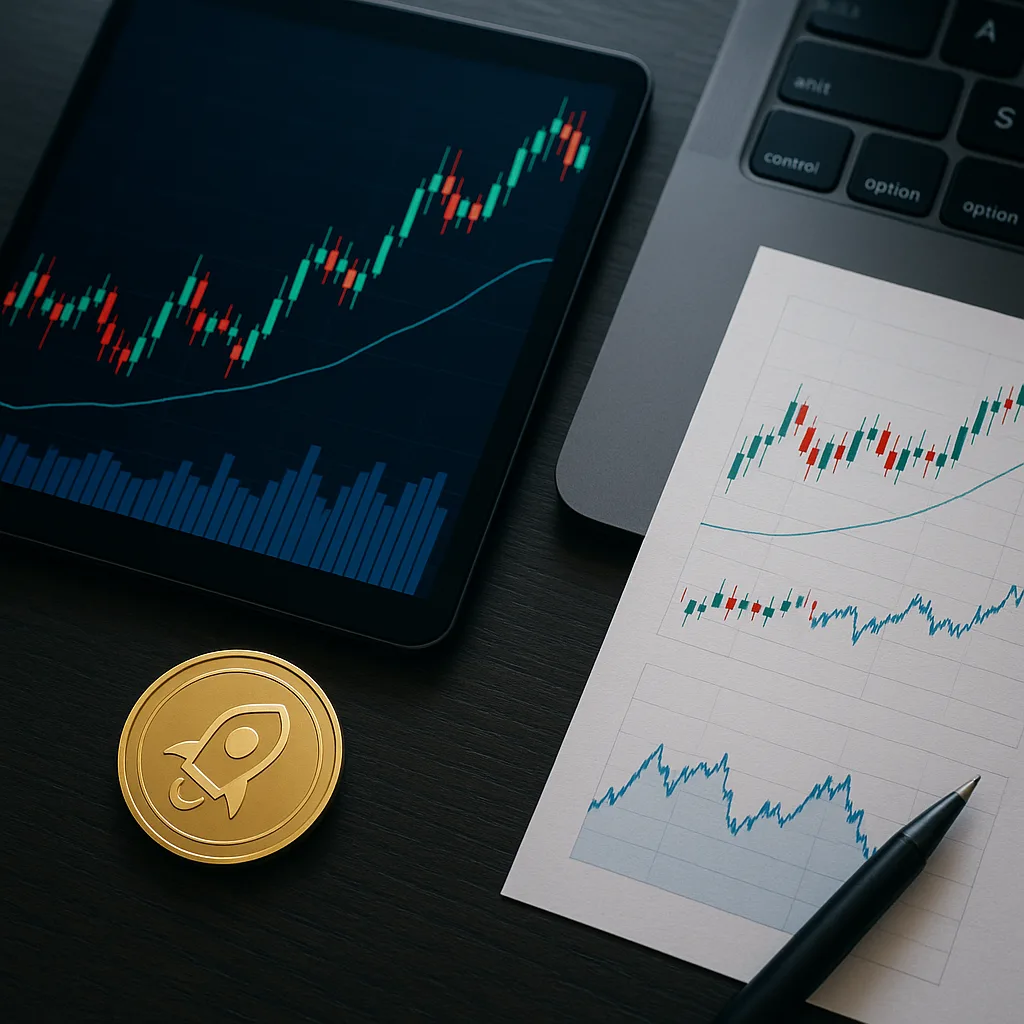
Moreover, technical analysis of Stellar's price movements indicates a series of higher lows and higher highs, creating a potentially bullish pattern. Traders are closely monitoring key resistance levels, with the recent price action suggesting that XLM may be gearing up for a breakout. Support levels are also holding strong, which could provide a safety net for investors looking to enter or hold their positions. Understanding these patterns can help traders make informed decisions about their entry and exit points.
In addition to technical indicators, sentiment analysis is crucial in gauging market trends. The general sentiment surrounding Stellar has turned optimistic, as evidenced by increased social media activity and discussions among crypto influencers. This positive vibe can further fuel price movements, creating opportunities for traders to capitalize on short-term gains while maintaining a longer-term perspective. As we navigate the ever-changing landscape of cryptocurrency trading, keeping a pulse on market trends and price movements will be essential for maximizing returns in Stellar and beyond.
Developing a Trading Strategy for Stellar
Creating a successful trading strategy for Stellar (XLM) involves a combination of thorough market research, technical analysis, and a clear understanding of your investment goals. Before diving into the complexities of the Stellar network, it's essential to define what you hope to achieve through your trading activities. Are you looking for short-term gains, or do you prefer a long-term investment approach? Knowing your objectives will help determine the most suitable strategies for your trading style.
Once you've established your goals, it's time to delve into market analysis. Fundamental analysis plays a crucial role in understanding the factors that influence Stellar's price movements. Keep an eye on the broader economic landscape, regulatory developments, and news related to the Stellar network and its partnerships. Additionally, pay attention to the overall sentiment in the cryptocurrency market, as it can significantly impact the price of XLM. This information will provide you with a solid foundation for making informed trading decisions. Security challenges for Stellar Lumens.
Technical analysis is another essential component of developing your trading strategy. Familiarize yourself with various chart patterns, indicators, and tools commonly used in trading. For instance, moving averages can help identify trends, while the Relative Strength Index (RSI) can signal potential overbought or oversold conditions. By mastering these techniques, you can better time your entries and exits, ultimately maximizing your returns. Additionally, consider incorporating stop-loss and take-profit orders into your strategy to manage risks effectively.
Lastly, it's important to stay adaptable and willing to refine your strategy as market conditions change. The cryptocurrency landscape is notoriously volatile, and what works today may not be effective tomorrow. Regularly reviewing your trading performance and adjusting your approach based on lessons learned will help you stay ahead of the curve. By combining a clear understanding of your goals, thorough market analysis, and a robust technical toolkit, you can develop a trading strategy for Stellar that not only increases your chances of success but also enhances your overall trading experience.
Technical Analysis: Key Indicators to Watch
When it comes to trading Stellar (XLM), understanding technical analysis is essential for maximizing your returns. Technical analysis involves analyzing price charts and trading volumes to identify trends, patterns, and potential reversal points in the market. By focusing on key indicators, you can make informed trading decisions that align with your strategy. In this section, we'll explore some of the most effective technical indicators to keep an eye on.
One of the primary indicators traders use is the Moving Average (MA). The MA smooths out price data by creating a constantly updated average price. Traders often look at the Simple Moving Average (SMA) and the Exponential Moving Average (EMA). The SMA calculates the average price over a specific period, while the EMA gives more weight to recent prices, making it more responsive to new information. Crossovers between different MAs can signal potential buy or sell opportunities; for example, when a short-term MA crosses above a long-term MA, it may indicate a bullish trend.
Another widely used indicator is the Relative Strength Index (RSI), which measures the speed and change of price movements to identify overbought or oversold conditions. The RSI is scaled from 0 to 100, with values above 70 often indicating that an asset is overbought and may be due for a correction, while values below 30 suggest that it is oversold and could see a price increase. By integrating RSI analysis into your trading strategy, you can better time your entries and exits in the market.
Volume is also a critical factor in technical analysis. An increase in trading volume can confirm a price move's strength, while low volume may indicate a lack of interest or conviction behind a price trend. Observing volume alongside price movements can help you gauge market sentiment and validate the signals provided by other indicators. By utilizing these technical analysis tools, you can enhance your understanding of market dynamics and make more informed trading decisions when investing in Stellar.
Risk Management in Stellar Trading
Effective risk management is crucial for anyone engaging in Stellar trading, as it helps protect your investment and ensures long-term success. The decentralized nature of Stellar allows for various trading strategies, but without proper risk management, traders can easily find themselves exposed to significant losses. Understanding your risk tolerance is the first step in developing a robust risk management strategy. This involves evaluating how much capital you are willing to risk on each trade and determining the maximum loss you can accept before you reconsider your trading approach.
One of the most effective ways to manage risk in Stellar trading is through the use of stop-loss orders. These orders allow traders to set a predetermined price at which their position will be automatically sold to prevent further losses. By using stop-loss orders, you can limit the downside of your trades and protect your capital. It’s advisable to place your stop-loss orders based on technical indicators or support levels, taking into account the volatility of the Stellar market.
Diversification is another essential component of risk management. Rather than concentrating your investments in a single asset or trade, consider spreading your capital across multiple Stellar trading pairs or even other cryptocurrencies. This strategy helps reduce the impact of a poor-performing asset on your overall portfolio. By diversifying, you can take advantage of various market conditions and minimize potential losses while maximizing opportunities for gains.
Lastly, it is vital to continuously monitor your trades and adjust your risk management strategies as market conditions change. Staying informed about market trends, news, and developments within the Stellar ecosystem can help you make more informed decisions about your positions. Regularly reviewing your trading plan and risk management techniques will enable you to adapt to new information and improve your overall trading performance. By prioritizing risk management, you can enhance your trading discipline and increase the likelihood of achieving your financial goals in the world of Stellar trading. TRUMP price.
Common Trading Mistakes to Avoid
When venturing into the world of trading, especially in a volatile market like Stellar, it’s easy to fall into common traps that can diminish your returns. One of the most prevalent mistakes is the failure to establish a solid trading plan. Many traders dive into trading without a clear strategy, relying on impulse or emotions to guide their decisions. This can lead to erratic buying and selling, resulting in significant losses. A well-structured trading plan should outline your goals, the amount of capital you are willing to risk, and specific entry and exit points based on thorough analysis.
Another frequent pitfall is neglecting to conduct proper research. In the fast-paced world of trading, it can be tempting to make quick decisions based on tips from social media or following the crowd. However, successful traders understand the importance of analyzing market trends, studying historical data, and staying updated on news that could impact Stellar’s price. Ignoring these aspects can lead to uninformed decisions that may not align with market realities.
Overtrading is yet another common mistake that can erode your profits. Many traders, driven by the desire to capitalize on every market movement, find themselves making too many trades in a short period. This not only increases transaction costs but also heightens the risk of making hasty decisions. It’s crucial to be selective about your trades and focus on quality over quantity. Establishing clear criteria for when to enter and exit trades can help you avoid the temptation to overtrade.
Lastly, many traders fail to implement risk management strategies. Without a clear understanding of how much they are willing to lose, traders may end up holding onto losing positions for too long, hoping for a turnaround that may never come. Setting stop-loss orders and adhering to them is vital in protecting your capital and ensuring that a single loss doesn’t wipe out your gains. By acknowledging these common mistakes and taking steps to avoid them, you can create a more disciplined and strategic approach to trading Stellar, ultimately maximizing your returns. Exbix.
Conclusion: Building a Successful Stellar Trading Plan
In the ever-evolving landscape of cryptocurrency trading, having a solid trading plan is essential, especially when it comes to assets like Stellar. A successful trading plan serves as your roadmap, guiding your decisions and helping you navigate the volatility of the market. To build an effective Stellar trading plan, it is crucial to incorporate your unique goals, risk tolerance, and market analysis into your strategy.
First and foremost, clearly define your trading objectives. Are you looking for short-term gains, or do you have a long-term investment horizon? Understanding your goals will help you determine the type of trading strategy that suits you best. For example, if you're aiming for quick profits, you might consider day trading or swing trading. Conversely, if you believe in the long-term potential of Stellar, a buy-and-hold strategy could align more closely with your objectives. Always remember that different strategies require different levels of commitment, research, and market monitoring.
Next, assess your risk tolerance. Trading cryptocurrency can be highly volatile, so it’s essential to evaluate how much risk you are willing and able to take. This assessment will inform your position sizing, stop-loss orders, and overall capital allocation. A well-structured risk management plan is crucial for protecting your investments and ensuring that you can weather the inevitable ups and downs of the market. Make use of tools such as stop-loss and take-profit orders to automate your exit strategies and minimize potential losses.
Finally, continuous education and market analysis are vital components of a successful Stellar trading plan. Stay informed about market trends, technological developments, and regulatory changes that could impact the Stellar network. Utilize various technical and fundamental analysis tools to enhance your decision-making process. By regularly reviewing and refining your trading plan, you can adapt to changing market conditions and improve your chances of achieving your desired returns. Remember, trading is not just about making money; it’s about developing a disciplined approach that allows you to grow as a trader while managing risks effectively.