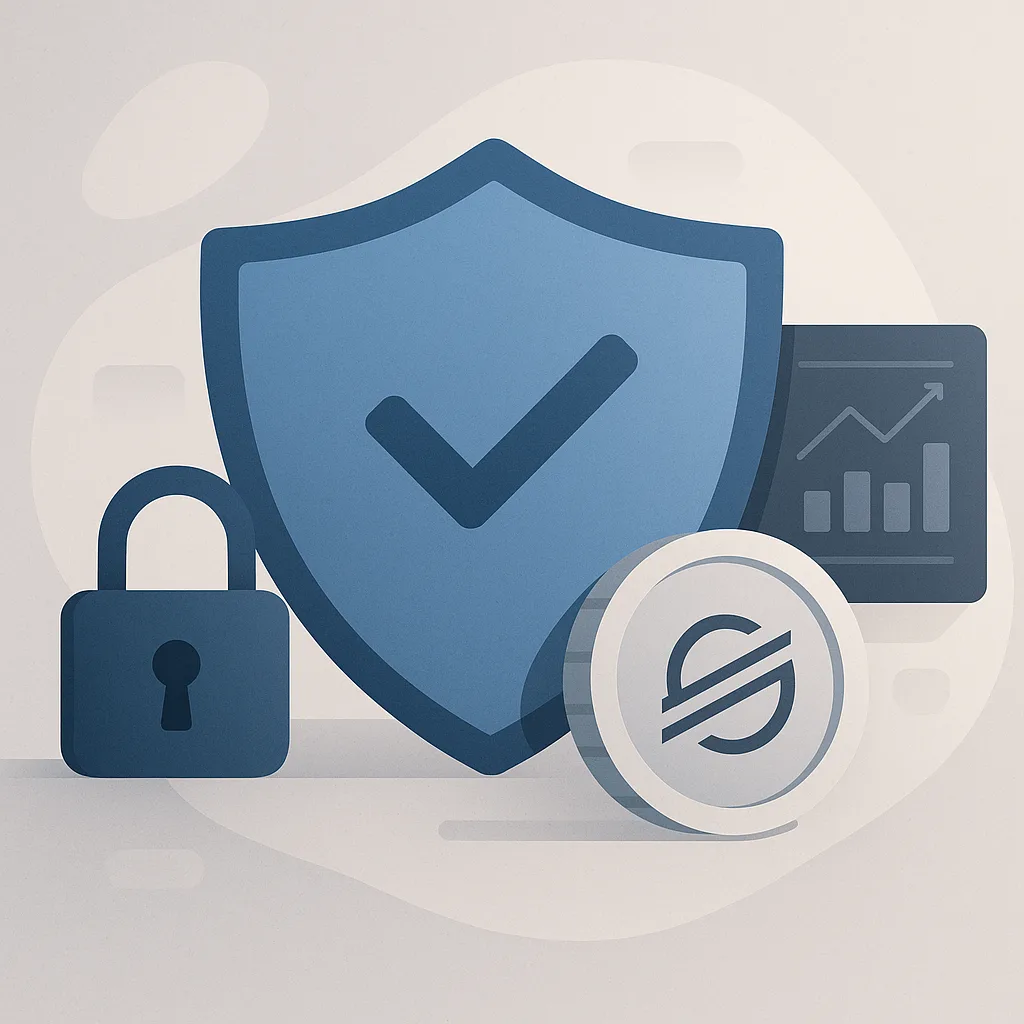
Introduction to Stellar Lumens and Its 2026 Relevance
Stellar Lumens (XLM) has emerged as a leading blockchain platform, primarily aimed at facilitating cross-border transactions and promoting financial inclusivity. Established in 2014 by Jed McCaleb, Stellar operates on a decentralized network that allows users to send and receive money quickly and at low costs. As we approach 2026, the relevance of Stellar Lumens continues to grow, especially in light of the increasing need for secure and efficient financial systems. The ongoing digital transformation across industries, accelerated by the global pandemic, has underscored the necessity for robust payment solutions that can cater to both individual users and businesses.
One of the key factors contributing to Stellar's prominence is its unique consensus mechanism, the Stellar Consensus Protocol (SCP), which enhances security while ensuring transaction speed. This is particularly important in 2026, as the world grapples with the challenges of cybersecurity threats and regulatory scrutiny. With governments and corporations alike recognizing the importance of secure financial infrastructures, Stellar Lumens positions itself as a viable solution that can adapt to the evolving landscape of digital finance.
Moreover, the growing interest in decentralized finance (DeFi) and the need for interoperability between various blockchain systems underscore Stellar's significance. As more users seek decentralized solutions, Stellar's ability to connect different financial networks makes it a critical player in the market. The platform's emphasis on partnerships with established financial institutions further solidifies its role as a trusted facilitator of transactions, enabling users to bridge the gap between traditional finance and the emerging world of cryptocurrencies.
As we delve into the security challenges and solutions facing Stellar Lumens in 2026, it is crucial to understand the broader context of the cryptocurrency landscape. With an increasing number of platforms and projects vying for market share, the importance of maintaining security and trust cannot be overstated. Stellar must not only address potential vulnerabilities within its ecosystem but also ensure compliance with evolving regulations, all while continuing to innovate and expand its offerings. This post will explore these challenges and propose actionable solutions to strengthen Stellar's position in the rapidly changing digital finance arena.
Current Security Landscape for Altcoins in 2026
As we progress further into 2026, the security landscape for altcoins, including Stellar Lumens, has become increasingly complex and multifaceted. The rise of decentralized finance (DeFi) and non-fungible tokens (NFTs) has created new opportunities for innovation but has also exposed vulnerabilities that can be exploited by malicious actors. In particular, the rapid evolution of technology has highlighted the need for robust security protocols that can adapt to emerging threats. Cyberattacks, including smart contract exploits and phishing schemes, have become more sophisticated, necessitating enhanced vigilance among both developers and users. Protecting your assets in 2026.
One of the most pressing challenges that Stellar Lumens faces in the current security landscape is the prevalence of multi-signature wallet attacks. As more users and organizations embrace multi-sig wallets for added security, hackers have developed targeted strategies to bypass these safeguards. This has led to significant financial losses and eroded confidence in some altcoin projects. To combat this, Stellar Lumens developers are focusing on refining their wallet interfaces and implementing advanced cryptographic techniques to ensure that even if one key is compromised, the funds remain secure.
Additionally, the regulatory environment has become increasingly stringent, with governments worldwide implementing stricter compliance measures for cryptocurrency transactions. This has prompted Stellar and other altcoin projects to enhance their security protocols and incorporate anti-money laundering (AML) and know-your-customer (KYC) practices into their frameworks. While these measures can help prevent fraud and illicit activities, they also raise concerns about user privacy and the potential for centralized control, creating a delicate balance that must be navigated carefully.
Moreover, the ongoing battle against Distributed Denial of Service (DDoS) attacks continues to be a significant concern for Stellar Lumens and the broader altcoin ecosystem. As more users flock to decentralized platforms, the likelihood of DDoS attacks increases, potentially crippling network functionality. In response, Stellar Lumens has been investing in scalability solutions and redundancy protocols to ensure uninterrupted service and reliability, which are critical for maintaining user trust and adoption in an increasingly competitive market.
Identifying Key Security Risks for Stellar Lumens
As the Stellar Lumens ecosystem continues to grow, so too do the potential security risks that can threaten its integrity and the safety of its users. One of the primary concerns is the rise of phishing attacks, which have become increasingly sophisticated. Cybercriminals often impersonate trusted entities within the Stellar network, tricking users into revealing sensitive information such as private keys or recovery phrases. This type of social engineering can lead to significant financial losses for individuals and diminish the overall trust in the network. Essential security practices for exchanges.
Another major risk involves vulnerabilities in smart contracts. Although Stellar’s protocol is designed to facilitate secure transactions, the complexity of smart contracts can create unforeseen loopholes that hackers might exploit. If a smart contract contains a flaw, malicious actors could manipulate it to siphon funds or disrupt services. Therefore, rigorous testing and auditing of smart contracts are essential to mitigate these risks and ensure the robustness of the Stellar ecosystem.
Moreover, the decentralization aspect of Stellar Lumens, while a strength, can also pose security challenges. With numerous validators and nodes spread across the globe, ensuring that all participants adhere to the same security standards can be difficult. Inconsistent security practices among validators could lead to vulnerabilities that might be exploited. This risk is compounded by the potential for a 51% attack, where a group of malicious validators could gain control of the network, allowing them to double-spend or manipulate transactions.
Lastly, regulatory changes and compliance issues present a significant security risk. As governments around the world increasingly focus on regulating cryptocurrencies, changes in legislation can create uncertainty and risk for Stellar Lumens users. Non-compliance with new regulations can lead to penalties, and in some cases, the shutdown of services. This regulatory landscape requires ongoing vigilance and adaptation from the Stellar community to ensure that they remain compliant while safeguarding their users’ assets.
Impact of Regulatory Changes on Stellar Security
The evolving regulatory landscape presents both challenges and opportunities for Stellar Lumens (XLM). As governments and regulatory bodies around the world continue to refine their frameworks for cryptocurrencies and blockchain technologies, Stellar must adapt its security measures to comply with these new standards. Regulatory changes can impact various facets of the Stellar network, including transaction verification processes, user data protection, and anti-money laundering (AML) practices. Therefore, staying ahead of these changes is crucial for maintaining the integrity and security of the Stellar ecosystem.
One significant area of concern is the implementation of Know Your Customer (KYC) regulations. As Stellar continues to expand its reach in global markets, the necessity for robust KYC processes becomes paramount. Integrating KYC protocols not only ensures compliance with local laws but also enhances the overall security of the network by verifying user identities. This reduces the risk of fraudulent activities and contributes to a more trustworthy environment for users and stakeholders. However, the challenge lies in balancing regulatory compliance with user privacy and security, as excessive data collection can expose users to potential breaches. 2026 guide to Chainlink security risks.
Moreover, regulatory scrutiny often leads to increased demands for transparency and reporting from blockchain platforms. For Stellar, this means investing in advanced security technologies that can facilitate real-time auditing and monitoring of transactions. By implementing strong security frameworks, Stellar can mitigate risks associated with regulatory non-compliance and enhance user confidence in the network. Utilizing tools such as smart contracts and blockchain analytics can provide transparency while ensuring that all transactions adhere to the prescribed regulations.
Lastly, the potential for international regulatory harmonization could significantly impact Stellar's security posture. As different countries work towards establishing unified regulations for cryptocurrencies, Stellar has the opportunity to be at the forefront of compliant blockchain solutions. By proactively engaging with regulators and contributing to the development of these frameworks, Stellar can position itself as a secure and compliant platform, fostering trust among its users and partners. In conclusion, the impact of regulatory changes on Stellar security is multifaceted, requiring a strategic approach that balances compliance, security, and user privacy.
Best Practices for Securing Stellar Holdings
As the digital landscape evolves, ensuring the security of your Stellar Lumens (XLM) holdings becomes increasingly crucial. With the growing number of cyber threats, adopting best practices for securing your assets is essential for both individual investors and institutional players. By implementing robust security measures, you can significantly reduce the risk of theft, fraud, and unauthorized access to your Stellar assets.
First and foremost, it is vital to utilize secure wallets for storing your Stellar Lumens. Hardware wallets are widely regarded as one of the safest options, as they store your private keys offline, making them less susceptible to hacking attempts. Popular hardware wallets that support Stellar include Ledger and Trezor. If you choose to use a software wallet, ensure that it has strong encryption protocols and reputable security features. Additionally, always download wallets from official sources to avoid counterfeit applications that could compromise your security.
Implementing two-factor authentication (2FA) is another critical step in fortifying the security of your Stellar holdings. 2FA adds an extra layer of protection by requiring users to provide two forms of identification before accessing their accounts. This could be a combination of something you know (like a password) and something you have (like a smartphone app generating a one-time code). Enabling 2FA on any exchange or wallet that supports it can help deter unauthorized access, making it significantly more difficult for attackers to gain entry even if they obtain your password.
Lastly, staying informed about the latest security threats and trends in the cryptocurrency space is essential. Regularly reviewing your security practices, updating your software, and being cautious about phishing attempts can greatly enhance your defenses. You should also consider diversifying your holdings across multiple wallets or exchanges, which can mitigate the impact of a potential breach. By following these best practices, you can create a strong security posture for your Stellar Lumens and protect your investments against emerging threats.
Case Studies: Security Breaches and Lessons Learned
As the cryptocurrency landscape evolves, so too do the security challenges that accompany it. Stellar Lumens (XLM), a leading platform in the blockchain arena, has not been immune to security breaches. Analyzing past incidents provides valuable insights into vulnerabilities and highlights the importance of proactive measures in securing digital assets. One notable case occurred in late 2024 when a sophisticated phishing attack targeted Stellar wallet users. Hackers deployed fake websites that mimicked legitimate wallet services, tricking users into providing their private keys. As a result, numerous individuals lost substantial amounts of XLM, raising alarms across the community.
This incident underscored the critical need for user education regarding security practices. Many users were unaware of how to identify phishing attempts or the importance of securing their private keys through hardware wallets or multi-signature setups. In response, the Stellar community mobilized to develop educational materials, host webinars, and promote best practices for securing cryptocurrencies. Initiatives like these are essential to empower users and reduce the risk of falling victim to similar attacks in the future.
Another significant breach occurred in early 2025, when a centralized exchange that supported Stellar transactions was compromised. The exchange suffered from a security lapse that allowed hackers to exploit a vulnerability in its API, leading to the theft of millions of dollars in XLM. This incident highlighted the risks associated with centralized platforms and the importance of implementing robust security measures, including regular audits and penetration testing.
In the aftermath, the Stellar Development Foundation (SDF) collaborated with exchanges to create a comprehensive security framework, encouraging them to adopt industry-standard security practices. This collaborative effort resulted in enhanced transparency and communication between exchanges and the Stellar network, fostering a more secure environment for users. These case studies serve as critical reminders of the ever-evolving security landscape within the cryptocurrency space. By learning from past mistakes and implementing robust security measures, both users and platforms can contribute to a safer ecosystem for Stellar Lumens and beyond. COMP price.
Future Trends in Stellar Security and Risk Management
As we move towards 2026, the landscape of security and risk management for Stellar Lumens is likely to undergo significant transformations. With the increasing adoption of blockchain technology across various sectors, the need for robust security measures will become more pressing. One of the key trends that is expected to shape the future of Stellar security is the integration of advanced cryptographic techniques. Innovations in cryptography, such as quantum-resistant algorithms, will be essential to safeguard against potential threats posed by quantum computing, which could undermine traditional encryption methods.
Another important trend will be the emphasis on decentralized security protocols. As Stellar continues to expand its user base and application areas, the reliance on centralized security frameworks may expose the network to vulnerabilities. Future developments are likely to focus on creating decentralized security solutions that distribute risk across the network, thereby enhancing overall resilience. This can include improvements in consensus mechanisms, such as implementing more sophisticated algorithms that minimize the risk of attacks while maintaining efficiency in transaction processing.
Furthermore, collaboration within the blockchain community will play a crucial role in addressing security challenges. As more organizations adopt Stellar for their operations, sharing knowledge, tools, and best practices will be vital in creating a secure environment. Initiatives aimed at fostering collaboration between developers, security experts, and the wider community can lead to the development of standardized security protocols that enhance the integrity of the Stellar network.
Lastly, the growing importance of regulatory compliance will shape how Stellar addresses security and risk management. As governments around the world implement stricter regulations regarding data privacy and financial transactions, Stellar will need to adapt its security frameworks to comply with these laws. This will not only mitigate risks associated with non-compliance but also build trust with users and stakeholders. By anticipating these future trends and proactively addressing them, Stellar can create a secure ecosystem that not only protects its users but also positions itself as a leader in the blockchain space. Futures trading.
Conclusion: Building a Secure Future for Stellar Investors
As we navigate the complexities of the digital financial landscape in 2026, it is imperative for Stellar Lumens investors to prioritize security. The rapid evolution of technology, especially in the realm of blockchain and cryptocurrencies, has introduced both innovative opportunities and significant risks. Investors must remain vigilant against potential threats such as hacking, phishing, and fraudulent schemes that continue to plague the crypto space. To foster a secure environment, it is essential for the Stellar community to adopt and promote best practices in cybersecurity.
One of the most effective strategies for enhancing security within the Stellar ecosystem is through education and awareness. Investors should be well-informed about the latest security measures, tools, and protocols available. Regular updates from the Stellar Development Foundation can help users understand potential vulnerabilities and the steps they can take to mitigate risks. Furthermore, collaboration with cybersecurity experts to develop comprehensive guidelines will empower investors to make informed decisions when it comes to securing their assets.
Additionally, the integration of advanced technologies such as artificial intelligence and machine learning can serve as a formidable line of defense against cyber threats. By leveraging these technologies, Stellar can enhance its security infrastructure, making it more resilient against attacks. Implementing multi-signature wallets, cold storage solutions, and decentralized identity verification systems can also significantly reduce the likelihood of unauthorized access and fraud. These measures not only protect investors but also strengthen the overall integrity of the Stellar network.
In conclusion, the future of Stellar Lumens relies heavily on a robust security framework that prioritizes the safety of its investors. By fostering a culture of security awareness, implementing cutting-edge technologies, and encouraging community collaboration, we can collectively build a safer and more secure environment. As we look toward the future, it is crucial to remain proactive in addressing security challenges, ensuring that Stellar Lumens continues to thrive as a trusted platform for digital transactions and investments. Together, we can mitigate risks and pave the way for a secure future for all Stellar investors.