Introduction: The Impact of Geopolitical Events on Crypto Markets
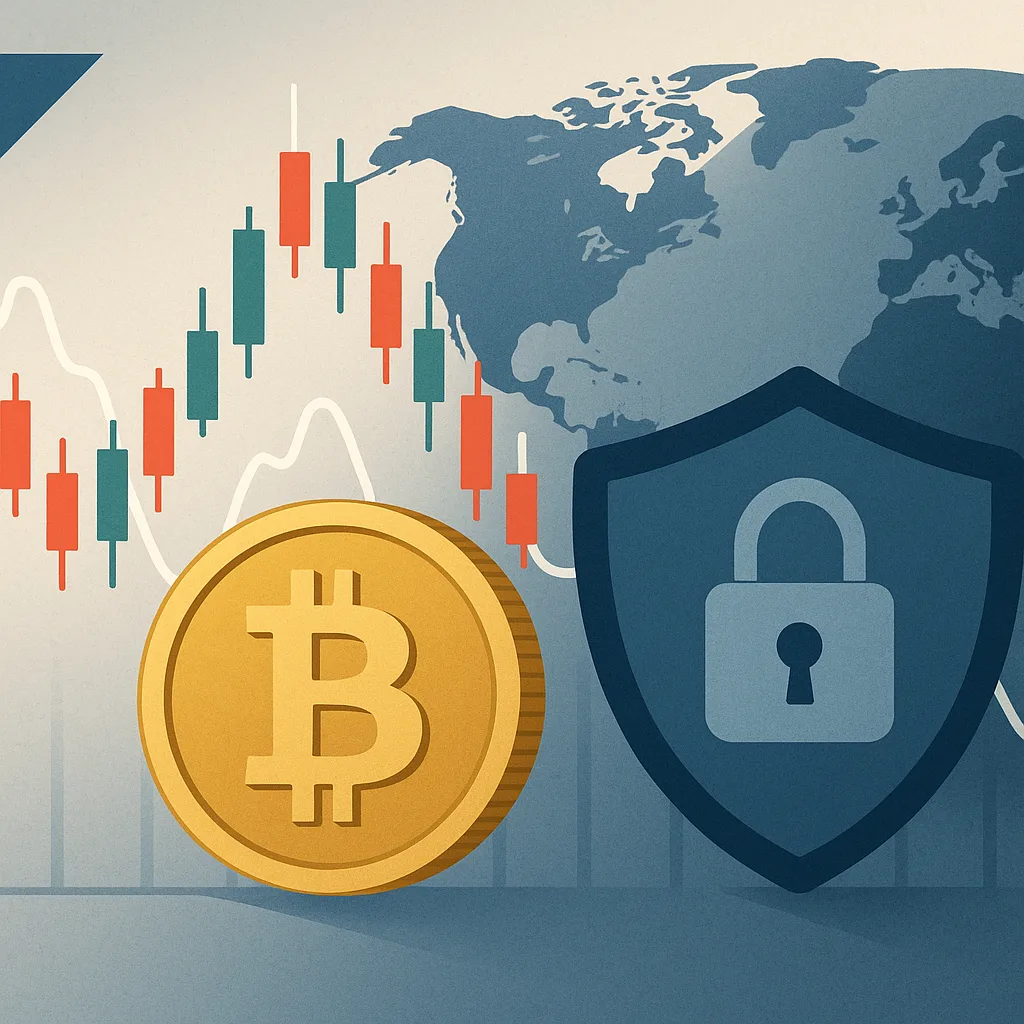
In an increasingly interconnected world, geopolitical tensions have a profound impact on financial markets, including the burgeoning realm of cryptocurrency. As nations grapple with conflicts, trade disputes, and regulatory challenges, the volatility of traditional assets often spills over into the crypto markets, leading to significant fluctuations in value and investor sentiment. Understanding the dynamics at play is essential for anyone looking to navigate the complexities of crypto investments in such uncertain times.
Geopolitical events can manifest in multiple ways, from economic sanctions that restrict access to certain currencies to outright bans on cryptocurrency trading by national governments. Such actions can lead to panic selling, where investors rush to liquidate their holdings, driving prices down. Conversely, in times of crisis, cryptocurrencies can also be viewed as a safe haven, with investors seeking refuge from traditional fiat currencies that may be losing value due to inflation or instability. This duality creates a unique environment where market sentiment can shift rapidly based on daily news cycles and developments on the world stage.
Moreover, the decentralized nature of cryptocurrencies means that they are less susceptible to traditional market influences, but that does not make them immune to geopolitical effects. For instance, when a country with significant mining operations faces political unrest, the resulting disruptions can lead to a decrease in hash power and subsequently affect the overall security and pricing of the cryptocurrency involved. Similarly, regulatory changes in one major economy can ripple through the global market, influencing investor confidence and market behaviors worldwide.
As we delve deeper into the implications of these geopolitical tensions, it becomes clear that investors must adopt a proactive approach to security and risk management. With the potential for sudden market shifts, understanding the intersection of global politics and cryptocurrency is crucial. This knowledge not only helps investors make informed choices but also emphasizes the importance of employing robust security measures to safeguard their digital assets during turbulent times.
Understanding Bitcoin's Reaction to Global Conflicts
Bitcoin, often dubbed as digital gold, has exhibited unique behavioral patterns in response to geopolitical tensions. Traditionally, investors flock to safe-haven assets during periods of uncertainty, and Bitcoin has increasingly been seen in this light. The decentralized nature of Bitcoin, coupled with its limited supply, makes it an attractive option for those looking to shield their wealth from the volatility of fiat currencies and traditional markets during global conflicts. Crypto exchange security measures.
When geopolitical crises arise, such as military conflicts or significant diplomatic disputes, Bitcoin tends to experience price fluctuations that can be both dramatic and indicative of broader market sentiment. For instance, during heightened tensions, there is often a surge in demand for Bitcoin as individuals in affected regions seek to protect their capital from potential economic fallout. This phenomenon can lead to increased trading volumes and price spikes, reflecting a collective movement toward this digital asset as a means of preserving value.
Moreover, Bitcoin's response to global conflicts is not solely reactionary; it also serves as a barometer for investor sentiment regarding the stability of traditional financial systems. When major events occur, such as sanctions or economic sanctions imposed on nations, Bitcoin often becomes a focal point for discussions about the future of finance and the implications of relying on centralized institutions. Investors may turn to Bitcoin as a hedge, believing that its decentralized nature insulates it from the repercussions of government interventions and economic instability.
However, it's essential to recognize that this relationship is not always linear. The volatility that characterizes Bitcoin can lead to dramatic price swings, influenced by a myriad of factors beyond geopolitical tensions. Market sentiment, regulatory developments, and technological advancements can all play pivotal roles in shaping Bitcoin's trajectory. As such, while understanding Bitcoin's reaction to global conflicts is crucial for investors, it is equally important to maintain a holistic view of the market dynamics at play. This perspective allows investors to navigate the complexities of crypto security amidst a backdrop of geopolitical uncertainty.
The Role of Liquidity in Cryptocurrency Trading
Liquidity plays a crucial role in the cryptocurrency market, especially during periods of heightened volatility driven by geopolitical tensions. In simple terms, liquidity refers to how easily an asset can be bought or sold in the market without causing a significant impact on its price. For cryptocurrencies, which often exhibit extreme price fluctuations, high liquidity can be a stabilizing factor for traders and investors alike. Top security practices for exchanges.
During times of market instability, such as geopolitical conflicts or economic crises, the demand for cryptocurrencies may surge as individuals seek alternative stores of value. This increased interest can lead to a spike in trading volume, which, in turn, enhances liquidity. Conversely, when liquidity is low, even minor sell-offs can result in drastic price drops. This phenomenon highlights the importance of monitoring liquidity levels, particularly in a market susceptible to rapid changes stemming from external factors.
Exchanges that maintain high liquidity are generally more resilient during turbulent times. They provide tighter spreads between the buying and selling prices, allowing traders to execute orders more efficiently. A well-capitalized exchange with ample liquidity can absorb larger trades without significantly affecting market prices, thereby reducing the risk of slippage. In contrast, exchanges with lower liquidity may struggle to accommodate large trades, leading to higher price volatility and increased risk for traders.
Moreover, liquidity can impact the effectiveness of risk management strategies. For example, traders often use stop-loss orders to limit potential losses. In a highly liquid market, these orders can be executed promptly, helping to mitigate losses effectively. However, in a less liquid environment, stop-loss orders may not fill at the desired price, resulting in larger-than-expected losses. Therefore, understanding the liquidity dynamics of the cryptocurrency market is essential for anyone looking to navigate its complexities, particularly in the face of geopolitical uncertainties.
Security Risks During Market Fluctuations
Market volatility, particularly in the cryptocurrency space, can create a breeding ground for various security risks. As prices swing dramatically, opportunistic actors often emerge, seeking to exploit the panic and uncertainty that accompany such fluctuations. One of the most significant risks during volatile periods is the heightened threat of phishing attacks. Cybercriminals may capitalize on the fear and confusion, sending out fraudulent communications that impersonate reputable exchanges or wallets to trick users into divulging sensitive information or transferring funds to malicious addresses.
Moreover, the rapid changes in market conditions can lead to an increase in trading bots and automated systems that may malfunction or operate unpredictably. If these systems are compromised, they can be manipulated to execute trades that result in significant losses for unsuspecting investors. The potential for human error also rises during volatile periods; traders might make hurried decisions, leading to poor security practices, such as reusing passwords or skipping two-factor authentication. This lapse in security hygiene can result in unauthorized access to accounts and crypto assets. Common online security myths.
In addition to direct attacks and human error, the infrastructure that supports crypto trading can also become a target. Exchanges may face Distributed Denial of Service (DDoS) attacks, where malicious actors overload the servers with traffic, causing outages that prevent legitimate users from accessing their accounts. During times of market instability, these attacks can exacerbate the situation, causing panic and leading to further financial losses as traders are unable to execute trades at critical moments.
Furthermore, the regulatory landscape surrounding cryptocurrencies is constantly evolving, particularly in response to market volatility and geopolitical tensions. Changes in regulations can introduce uncertainty and create new risks for crypto investors, who may find themselves in violation of laws they were unaware of. This unpredictability can lead to increased scrutiny from authorities, resulting in further complications for individuals and businesses alike. As such, staying informed and proactive about security measures is essential for navigating the treacherous waters of cryptocurrency during tumultuous times.
Best Practices for Safeguarding Your Assets
In an era marked by rapid technological advancements and increasing geopolitical tensions, safeguarding your crypto assets has never been more critical. Whether you are a seasoned investor or a newcomer to the cryptocurrency space, implementing best practices for security can significantly reduce your risk of loss. The first step is to diversify your holdings across different wallets and exchanges. By not keeping all your assets in one location, you mitigate the potential impact of a single point of failure, whether it be a hacking incident or regulatory crackdown.
Next, consider utilizing hardware wallets for long-term storage of your cryptocurrencies. Hardware wallets are physical devices that store your private keys offline, making them less vulnerable to online threats. This extra layer of security is essential, especially when dealing with significant amounts of cryptocurrency. Regularly updating your wallet's firmware and using strong, unique passwords are also crucial steps in fortifying your security posture.
In addition to these hardware solutions, implementing software security measures can further protect your assets. Employing two-factor authentication (2FA) on all your accounts adds a vital layer of security, ensuring that even if your password is compromised, an additional verification step is required to access your funds. Furthermore, always be cautious of phishing attacks. Be wary of unsolicited communications asking for personal information or prompting you to click on suspicious links. Educating yourself about the latest scams and tactics used by cybercriminals can help you remain vigilant. Trade FLR/USDT.
Finally, keeping abreast of market conditions and geopolitical developments can enhance your overall risk management strategy. Staying informed allows you to make timely decisions about asset allocation and readiness for potential market disruptions. Regularly review your portfolio, and don’t hesitate to adjust your strategies in response to emerging threats. By adopting these best practices, you can navigate the complex landscape of cryptocurrency investment with greater confidence and security.
The Importance of Diversification in Your Portfolio
In today’s turbulent financial landscape, particularly within the realm of cryptocurrency, diversification emerges as a cornerstone strategy for mitigating risk. Market volatility, often exacerbated by geopolitical tensions, can lead to unpredictable price swings. By spreading investments across various assets, you not only reduce the potential impact of a single asset's poor performance but also enhance the overall stability of your portfolio.
When it comes to cryptocurrencies, the temptation may be to invest heavily in a single token that seems poised for significant gains. However, this approach can be fraught with peril, especially in an environment characterized by rapid change. Consider the fluctuations that can occur due to regulatory announcements, technological developments, or macroeconomic shifts. A diversified portfolio might include a mix of established cryptocurrencies like Bitcoin and Ethereum, as well as promising altcoins and even a small allocation to blockchain-related stocks or funds. This assemblage can help cushion the blow during downturns while allowing for growth opportunities in various sectors of the crypto market.
Moreover, diversification is not just about quantity; it’s also about quality. An effective strategy involves selecting a range of assets that behave differently under various market conditions. For example, while Bitcoin may serve as a 'safe haven' during economic uncertainty, other cryptocurrencies might thrive from technological advancements or specific use cases. By understanding these dynamics, investors can position themselves to take advantage of both emerging trends and established market forces.
It’s also crucial to regularly assess and rebalance your portfolio. As market conditions evolve, what was once a balanced allocation may no longer serve your risk tolerance or investment objectives. Keeping a close eye on asset performance and remaining adaptable is key to navigating the ever-changing crypto landscape. In conclusion, diversification is not merely a recommendation; it is a vital practice for anyone looking to secure their investments against the backdrop of geopolitical tensions and market volatility. Taking the time to thoughtfully diversify your holdings can be the difference between enduring market storms and being capsized by them. PYTH price.
Case Study: Historical Responses of Crypto to Geopolitical Events
Throughout its relatively short history, cryptocurrency has responded dynamically to various geopolitical events. These instances provide valuable insights into how market volatility is influenced not just by economic factors, but by political tensions as well. One of the most notable examples occurred during the 2016 Brexit referendum. As the United Kingdom voted to leave the European Union, Bitcoin saw a dramatic surge in value. Investors turned to cryptocurrency as a hedge against uncertainty, illustrating how digital assets can be perceived as a safe haven during times of political instability.
Another pivotal moment came in early 2020 with the onset of the COVID-19 pandemic. Initially, the cryptocurrency market mirrored traditional markets, experiencing significant declines as investors sought liquidity. However, as governments around the world introduced unprecedented stimulus measures, Bitcoin and other cryptocurrencies began to recover, eventually reaching all-time highs. This rebound showcased crypto's appeal in an environment of fiat currency devaluation and heightened inflation fears, further emphasizing the asset class's potential as a store of value amid geopolitical and economic chaos.
More recently, the ongoing tensions between Russia and Ukraine in 2022 have again illustrated the interplay between geopolitics and crypto. As sanctions were imposed on Russia and its financial systems faced unprecedented pressure, many turned to cryptocurrencies to bypass traditional banking restrictions. This surge in usage highlighted not only the flexibility of digital assets but also raised questions about regulatory frameworks as governments grappled with the implications of crypto transactions in times of conflict.
These historical instances underscore the critical need for stakeholders in the cryptocurrency space to remain vigilant and adaptable. Understanding how crypto markets have responded to past geopolitical events can provide essential lessons for investors and security professionals alike. As we navigate an increasingly complex global landscape, the ability to anticipate and react to similar occurrences in the future will be instrumental in managing risk and ensuring the security of crypto assets. Futures trading.
Conclusion: Staying Secure in a Volatile Market
As we navigate through the complexities of a volatile market, particularly in the realm of cryptocurrency, the importance of security cannot be overstated. Geopolitical tensions can create an unpredictable environment, leading to sudden price fluctuations and increasing the risk of cyber threats. Thus, it is essential for investors and stakeholders to adopt a proactive approach to safeguard their assets. This involves not only utilizing advanced security protocols but also staying informed about the evolving landscape of both geopolitics and cybersecurity.
One of the fundamental steps in ensuring security is to employ robust wallet solutions. Hardware wallets, for instance, provide a secure offline storage option that is less susceptible to hacking attempts compared to online wallets. Furthermore, utilizing multi-factor authentication (MFA) adds an additional layer of protection, making it significantly harder for unauthorized users to gain access. By integrating these security measures, investors can mitigate risks associated with their digital assets during turbulent times.
Additionally, being vigilant and informed about market trends and potential threats can empower investors to make timely decisions. Regularly updating software and security protocols, staying engaged with community discussions, and following credible news sources are all part of maintaining a secure investment strategy. It’s also beneficial to diversify one’s portfolio, as spreading investments across various assets can help cushion against severe market downturns. By not placing all eggs in one basket, investors can better manage risk while navigating the uncertainties of the market.
In conclusion, while the interplay of geopolitical tensions and market volatility can pose significant challenges, a well-informed and security-focused approach can help investors protect their assets. By adopting robust security practices, staying informed, and diversifying investments, individuals can enhance their resilience in the face of uncertainty. The cryptocurrency market may be dynamic and unpredictable, but with the right strategies in place, investors can navigate these turbulent waters with confidence.