Introduction to Ripple and Its Market Position
Ripple, often represented by its native cryptocurrency XRP, has emerged as a significant player in the world of digital currencies since its inception in 2012. Unlike many cryptocurrencies that aim to replace traditional financial systems, Ripple focuses on enhancing the existing infrastructure. It is designed to facilitate fast and low-cost international money transfers, making it an appealing option for banks and financial institutions. This unique positioning sets Ripple apart from its counterparts and contributes to its ongoing relevance in the ever-evolving crypto market.
The core technology behind Ripple is the RippleNet network, which enables secure, instant, and low-cost cross-border transactions. RippleNet serves as a bridge currency, allowing for seamless exchanges between different fiat currencies. This innovative approach has attracted partnerships with numerous financial institutions, positioning Ripple as a viable alternative to traditional SWIFT transactions. As a result, Ripple has garnered a strong reputation among banks, and its market capitalization has placed it among the top cryptocurrencies globally.
One of the distinguishing features of Ripple is its consensus algorithm, which differs from the proof-of-work and proof-of-stake mechanisms employed by many other cryptocurrencies. Ripple uses a unique consensus protocol that allows for faster transaction times and lower energy consumption. This efficiency is particularly appealing to institutions looking to adopt blockchain technology without compromising on speed or cost. Furthermore, the ability to settle transactions in a matter of seconds has led to increased adoption by financial players, further solidifying Ripple's market position.
Despite its advantages, Ripple's journey has not been without challenges. Regulatory scrutiny and legal battles, notably with the U.S. Securities and Exchange Commission (SEC), have created waves within the community. These developments serve as a reminder of the complexities surrounding cryptocurrency regulations and highlight the importance of staying informed as a trader. Understanding Ripple's market position, including its strengths and hurdles, is essential for anyone looking to navigate the trading landscape effectively.
Understanding Ripple's Technology and Use Cases
Ripple, often associated with its native digital asset XRP, is a technology that aims to facilitate fast, low-cost international money transfers. Unlike many cryptocurrencies that operate on a decentralized model, Ripple functions through a unique consensus algorithm that enables transactions to be verified by trusted nodes in its network. This structure not only enhances transaction speed, allowing for near-instantaneous cross-border payments, but it also provides a level of reliability that is appealing to financial institutions. Investing in Ripple insights.
The core of Ripple’s technology is the RippleNet, a network that connects banks, payment providers, and digital asset exchanges. With RippleNet, users can send money globally using a unified platform that eliminates the complexities of traditional banking systems. The protocol allows for various forms of currency to be used, including fiat currencies and cryptocurrencies, making it an adaptable solution for global finance. This versatility is one of the key reasons why Ripple has garnered interest from large financial institutions looking to innovate their payment processes.
One notable use case for Ripple is cross-border payments. Traditional methods of transferring money internationally can take days to settle and often incur high fees. Ripple significantly reduces these timeframes to mere seconds, while also minimizing transaction costs. This efficiency is especially beneficial for businesses that rely on quick payments for international transactions, as it helps streamline cash flow and improve operational efficiency.
Another use case is in the area of remittances, where individuals send money back to their home countries. Ripple’s technology allows for cheaper and faster remittance services, which can be crucial for people relying on these funds for their day-to-day needs. Additionally, Ripple has been exploring partnerships with various banks and financial service providers to enhance their offerings, demonstrating its potential to reshape the future of financial transactions. By understanding Ripple’s technology and its diverse use cases, traders can better navigate the market and identify opportunities for investment.
Key Factors Influencing Ripple's Price Movements
Understanding the key factors that influence Ripple's price movements is essential for traders looking to navigate its often volatile market. One of the primary factors is the overall sentiment in the cryptocurrency market. Ripple, like many cryptocurrencies, is affected by broader market trends. When Bitcoin experiences significant price fluctuations, it often sets the tone for the rest of the market, including Ripple. A bullish trend in Bitcoin can lead to increased investment in altcoins, while a bearish trend can result in panic selling across the board. Manage risk in trading.
Another critical factor is regulatory news and developments surrounding Ripple and its technology. The ongoing litigation with the U.S. Securities and Exchange Commission (SEC) has had profound implications for Ripple's price. Positive outcomes from legal proceedings can lead to price surges, as confidence in the coin's legitimacy is bolstered. Conversely, negative news or regulatory challenges can create uncertainty, resulting in price declines. Therefore, traders should stay informed about regulatory developments, as they can have immediate and substantial impacts on Ripple's market dynamics.
Market adoption is also a significant factor that can influence Ripple's price movements. Ripple's partnerships with financial institutions and banks for cross-border payments are pivotal in establishing its relevance in the financial ecosystem. As more institutions adopt Ripple's technology, it can lead to increased demand for XRP, consequently driving up its price. Traders should monitor announcements related to new partnerships or integrations, as these can serve as catalysts for price movements.
Lastly, technological advancements and updates to the Ripple network play a crucial role in shaping its price. Enhancements that improve transaction speed, reduce costs, or expand the network's functionality can result in increased interest from both investors and users. Keeping an eye on Ripple's development roadmap and community updates can provide traders with valuable insights into potential price movements. By considering these factors, traders can make more informed decisions in the ever-evolving Ripple market.
Technical Analysis: Tools and Indicators for Trading Ripple
Technical analysis is an essential part of trading Ripple effectively. By utilizing various tools and indicators, traders can gain insights into market trends, price movements, and potential entry or exit points. The foundation of technical analysis lies in the belief that historical price patterns tend to repeat themselves, allowing traders to capitalize on these patterns for future gains. In this section, we will explore some of the most popular tools and indicators that can aid in making informed trading decisions regarding Ripple.
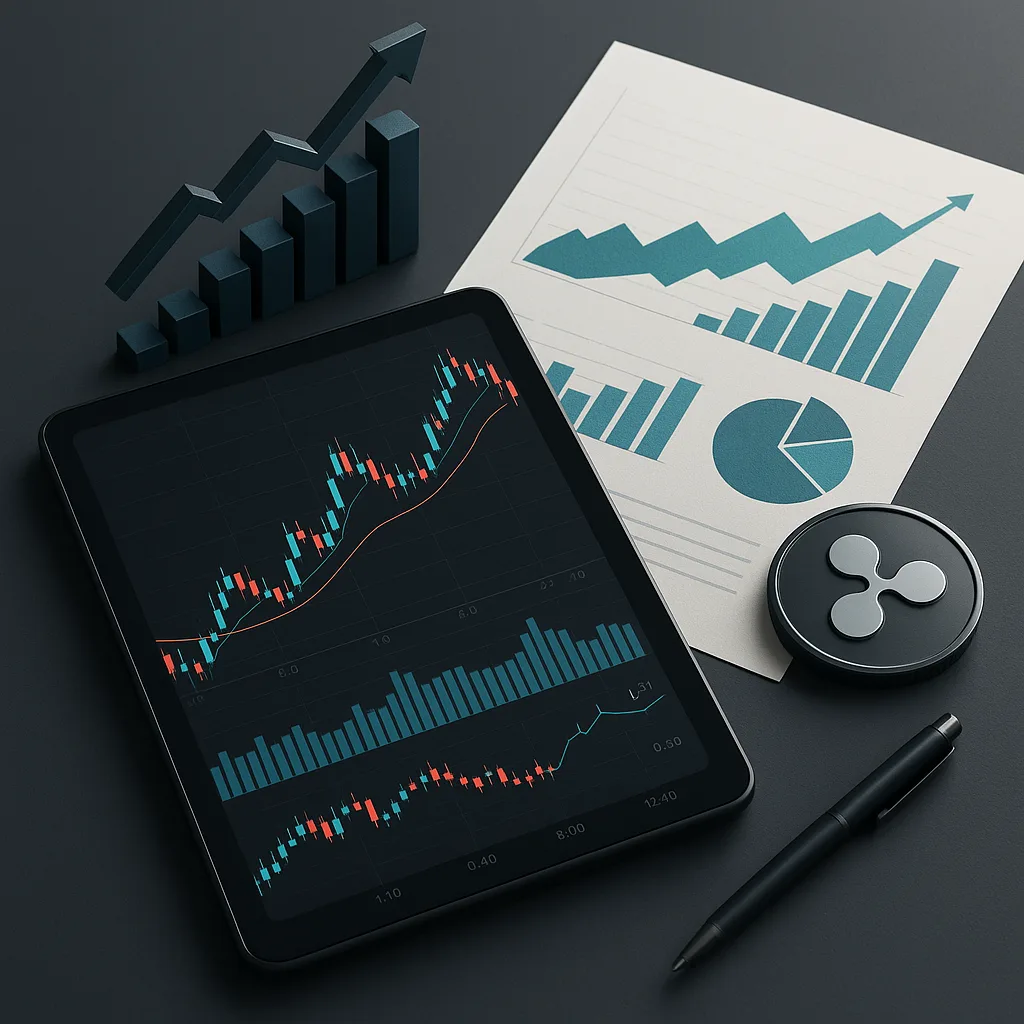
One of the most fundamental tools in technical analysis is the use of charts. Traders often rely on candlestick charts to visualize price movements over different time frames. Candlestick patterns can reveal market sentiment and provide clues about potential reversals or continuations in price trends. For instance, a bullish engulfing pattern may suggest a reversal to the upside, while a bearish engulfing pattern could indicate a potential drop in price. By studying these patterns, traders can develop a better understanding of when to enter or exit a trade. Essential trading strategies for traders.
In addition to chart patterns, various technical indicators can enhance a trader's strategy. Moving averages, for example, are widely used to smooth out price data and identify trends. The Simple Moving Average (SMA) and the Exponential Moving Average (EMA) are two common types that traders often use. The crossover of these moving averages can signal potential buy or sell opportunities. For instance, when the short-term EMA crosses above the long-term SMA, it may indicate a bullish trend, while the opposite scenario could suggest a bearish trend.
Another important indicator to consider is the Relative Strength Index (RSI), which measures the speed and change of price movements. The RSI ranges from 0 to 100 and is typically used to identify overbought or oversold conditions. An RSI value above 70 may suggest that Ripple is overbought, while a value below 30 could indicate that it is oversold. By integrating the RSI with other indicators and chart patterns, traders can make more informed decisions about their trading positions.
Risk Management Strategies for Ripple Traders
Risk management is a crucial aspect of trading, particularly in the volatile cryptocurrency markets. For Ripple traders, understanding how to protect your capital while maximizing potential gains is essential. One of the most effective strategies is to establish clear entry and exit points for each trade. This involves setting both stop-loss and take-profit orders, which can help minimize losses and lock in profits as the market moves in your favor. By determining these levels before entering a trade, traders can avoid emotional decisions that might lead to adverse outcomes.
Another vital component of risk management is position sizing. This strategy involves deciding how much of your capital to risk on a single trade. A common rule of thumb is to risk no more than 1-2% of your trading capital on any one trade. This approach protects your account from significant drawdowns and allows you to withstand a series of losses without depleting your trading funds. By maintaining a disciplined approach to position sizing, traders can stay in the game longer and improve their chances of success over time.
Diversification is another key strategy. While focusing on Ripple can be beneficial, spreading your investments across multiple cryptocurrencies can help reduce risk. By diversifying your portfolio, you can mitigate the impact of a significant price drop in one specific asset. This means that while one cryptocurrency may be underperforming, others in your portfolio may be doing well, balancing out potential losses. Additionally, keeping a close eye on market trends and news related to Ripple and the broader cryptocurrency market can help inform your trading decisions and risk management strategies.
Finally, maintaining a trading journal can be a valuable tool for managing risk. By documenting your trades, including the rationale behind each decision, you can identify patterns in your trading behavior. This self-reflection can help you recognize when you're taking on too much risk or when your strategies might need adjustment. Over time, a trading journal can serve as a powerful resource for refining your approach, improving your discipline, and ultimately increasing your profitability as a Ripple trader.
Creating a Trading Plan for Ripple
Developing a robust trading plan is a critical step for anyone looking to engage in trading Ripple (XRP). A well-structured plan not only helps in setting clear objectives but also assists in maintaining discipline amidst market volatility. The first element of your trading plan should be to define your goals. Are you looking for short-term gains through day trading, or are you more interested in long-term investment? Establishing your investment horizon will guide your trading strategy and risk management approach.
Once you have defined your goals, the next step is to conduct thorough research on Ripple and its market dynamics. Understanding the factors that influence Ripple's price movements, such as regulatory news, technological advancements, and partnerships with financial institutions, will help you make informed decisions. Additionally, familiarize yourself with technical analysis tools and chart patterns specific to XRP to identify potential entry and exit points. Combining fundamental analysis with technical insights will provide a more comprehensive view of the market.
Risk management is another crucial component of your trading plan. Determine the amount of capital you are willing to risk on each trade, and set stop-loss and take-profit levels accordingly. A common rule of thumb is to risk no more than 1-2% of your trading capital on a single trade. This strategy helps protect your overall portfolio from significant losses and allows you to trade with confidence. Additionally, consider diversifying your portfolio by including other cryptocurrencies or assets to spread out your risk.
Finally, commit to reviewing and adjusting your trading plan regularly. The cryptocurrency market is highly dynamic, and your strategies may need to evolve based on new information, market conditions, or changes in your personal financial situation. By staying flexible and open to revising your plan, you can better navigate the challenges of trading Ripple and strive toward achieving your financial goals. DOT price.
Staying Updated: Resources for Ripple Traders
In the fast-paced world of cryptocurrency trading, staying informed is crucial for making sound investment decisions. For Ripple traders, being aware of market trends, regulatory news, and technological advancements can significantly impact trading strategies. Fortunately, there are numerous resources available that can help traders stay updated and maintain a competitive edge in the market.
One of the most effective ways to stay informed is through reputable financial news websites and cryptocurrency-specific platforms. These sources often provide real-time updates on price movements, market analysis, and breaking news related to Ripple and other cryptocurrencies. Engaging with these platforms not only keeps traders informed but also aids in understanding market sentiment, which can be key to anticipating price fluctuations. Regularly visiting these sites can help traders identify trends and patterns that might not be immediately apparent, allowing for more informed trading decisions.
In addition to news websites, social media platforms and online forums can also serve as valuable resources. Following industry experts, analysts, and influencers on platforms like Twitter and LinkedIn can provide insights into market sentiment and expert opinions. Participating in online forums and communities, such as Reddit or specialized trading groups, allows traders to exchange ideas, share strategies, and discuss recent developments. However, it is essential to critically evaluate the information shared in these spaces, as not all sources are reliable or trustworthy.
Furthermore, utilizing analytical tools and trading software can enhance decision-making for Ripple traders. Many platforms offer charting tools, technical indicators, and historical data analysis, which can help traders identify potential entry and exit points. Additionally, subscribing to newsletters or educational resources focused on Ripple and cryptocurrency trading can provide in-depth analysis and strategic insights that may not be available through conventional news outlets. By leveraging these resources, traders can develop a comprehensive understanding of the Ripple market and adapt their strategies accordingly. Markets.
Conclusion: Navigating the Future of Ripple Trading
As we look into the future of Ripple trading, it is clear that the landscape is constantly evolving. With innovation in blockchain technology and ongoing developments in the regulatory environment, traders must remain vigilant and adaptable. Understanding the dynamics of the Ripple ecosystem, including its partnerships with financial institutions and advancements in payment solutions, will be crucial for those looking to capitalize on opportunities in this market.
Moreover, technical analysis will continue to play a pivotal role in trading decisions. By utilizing tools such as chart patterns, trend lines, and indicators, traders can make informed decisions based on historical price movements and market sentiment. However, it is essential to complement technical analysis with a solid understanding of fundamental factors that influence the value of Ripple. Keeping an eye on news, updates, and trends will enable traders to react swiftly to market changes.
Risk management remains a cornerstone of successful trading. Establishing clear entry and exit strategies, as well as setting stop-loss orders, can help mitigate potential losses. Given the volatility often associated with cryptocurrency markets, maintaining discipline in following these strategies is paramount. Furthermore, diversifying one’s portfolio can help spread risk and protect against adverse market movements.
In conclusion, navigating the future of Ripple trading requires a blend of strategic planning, market awareness, and emotional resilience. By embracing a holistic approach that incorporates both technical and fundamental analysis, along with robust risk management practices, traders can position themselves to effectively capitalize on the unique opportunities that Ripple presents. As the market evolves, staying informed and adaptable will be the keys to achieving long-term success in trading Ripple.