Introduction to Litecoin and Its Importance in the Crypto Market
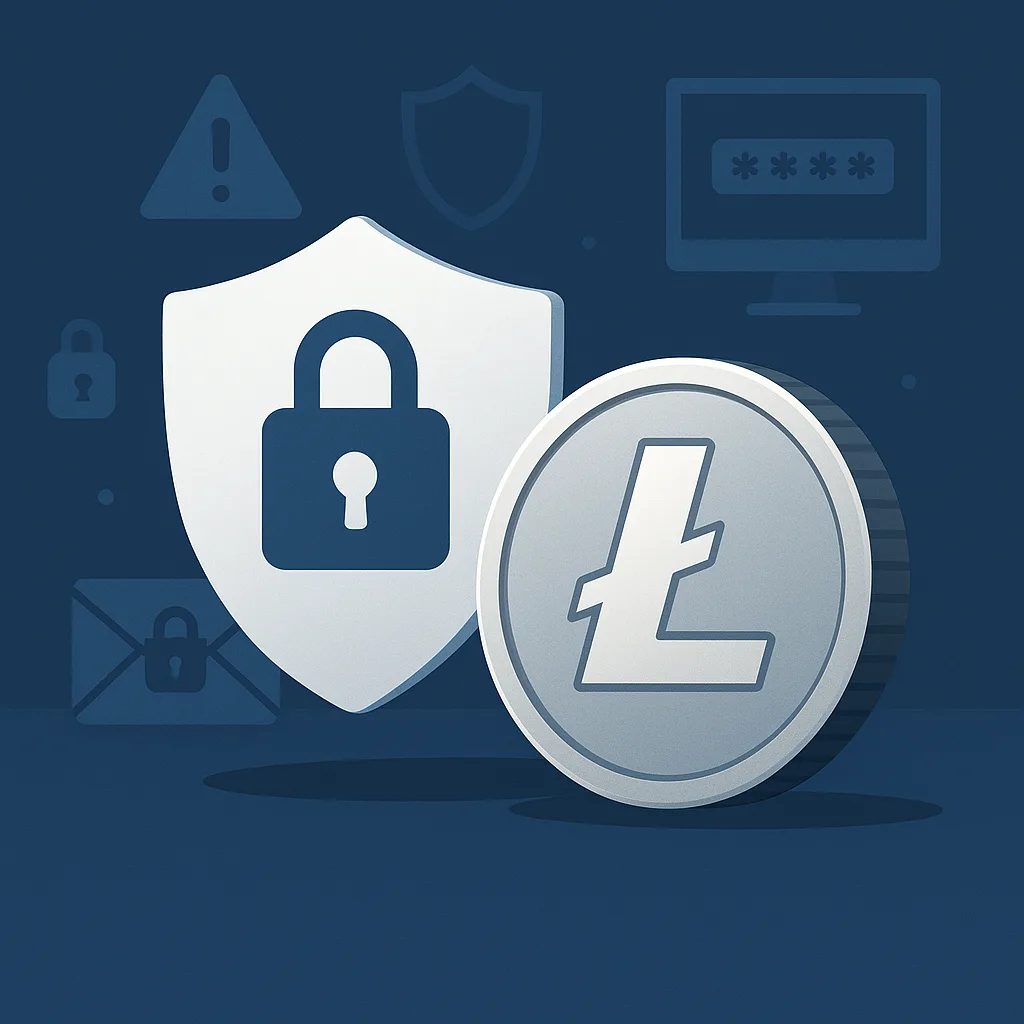
Litecoin, often dubbed the silver to Bitcoin's gold, is a peer-to-peer cryptocurrency that was created by Charlie Lee in 2011. Designed to be a lightweight version of Bitcoin, Litecoin was developed to enable faster transaction times and a more efficient mining process. Utilizing a different hashing algorithm called Scrypt, Litecoin allows for quicker block generation, which ultimately results in reduced fees and speedier confirmations. This unique feature has made it an attractive option for users seeking swift transactions without the high costs typically associated with other cryptocurrencies.
As one of the earliest altcoins, Litecoin has held a significant position in the cryptocurrency market. It has consistently ranked among the top cryptocurrencies by market capitalization, serving as a benchmark for other emerging digital currencies. Its established network and robust security measures have garnered the trust of both individual and institutional investors. Furthermore, Litecoin plays a vital role in the broader cryptocurrency ecosystem, often being used as a testing ground for new features that may later be adopted by Bitcoin, such as the implementation of the Lightning Network.
The importance of Litecoin extends beyond its technical specifications; it also represents a critical component of the diversification strategies employed by cryptocurrency investors. Many users choose to invest in Litecoin as a means to balance their portfolios, reducing the risk associated with the volatility of a single asset. Additionally, Litecoin’s versatility allows it to be used for various applications, such as remittances, microtransactions, and online purchases, further solidifying its stance as a relevant player in the financial landscape.
However, with the rise in usage and popularity, Litecoin users must also confront a range of security challenges. As the market matures, so too do the tactics employed by malicious actors seeking to exploit vulnerabilities within digital currencies. Understanding these challenges is essential for users to protect their assets and ensure safe transactions. In the following sections, we will explore the specific security challenges faced by Litecoin users and offer actionable solutions to mitigate these risks.
Understanding Common Security Risks for Litecoin Users
As Litecoin continues to gain traction as a popular cryptocurrency, users must remain vigilant about the security challenges that accompany its use. While the blockchain technology underlying Litecoin offers inherent security features, users are still exposed to various risks, particularly due to human factors, technological vulnerabilities, and the evolving landscape of cyber threats. Understanding these risks is critical for anyone looking to safeguard their Litecoin holdings. A deep dive into Litecoin safety.
One of the most prevalent security risks faced by Litecoin users is phishing attacks. Cybercriminals often create fake websites or send deceptive emails that appear to be from legitimate platforms, tricking users into providing their private keys or login credentials. These attacks exploit the lack of awareness among users and can lead to substantial losses. It is imperative for users to verify the authenticity of websites and communications before entering sensitive information. Utilizing two-factor authentication (2FA) can also provide an added layer of security against such attacks.
Another significant risk is the vulnerability of wallets. Litecoin users have various options when it comes to storing their coins, including online exchanges, software wallets, and hardware wallets. Each type of wallet presents unique security challenges. Online exchanges are often targets for hackers due to the large amounts of cryptocurrency they hold, making them less secure compared to hardware wallets, which store assets offline. Users must carefully consider the security measures employed by their chosen wallet provider and take proactive steps, such as regularly updating wallet software and using strong, unique passwords.
Additionally, malware poses a growing threat to Litecoin users. Various forms of malware can infiltrate devices, capturing keystrokes or compromising wallet software. Users should be cautious about the applications they download and regularly scan their devices for potential threats. Implementing antivirus software and keeping the operating system up to date are essential practices that can help mitigate the risks associated with malware. By understanding these common security risks, Litecoin users can take informed steps to protect their investments and enhance their overall security posture.
Best Practices for Securing Your Litecoin Wallet
Securing your Litecoin wallet is paramount to ensuring the safety of your investments and personal information. As the cryptocurrency landscape grows, so do the threats and vulnerabilities that users face. Implementing best practices can significantly reduce the risk of theft, hacking, and loss of access to your funds. Here are some essential strategies for safeguarding your Litecoin assets.
First and foremost, choose a reputable wallet. There are several types of wallets available, including hardware, software, and paper wallets. Hardware wallets, such as Ledger and Trezor, provide an extra layer of security as they store your private keys offline, making them less susceptible to online attacks. If you prefer a software wallet, ensure that you download it from official sources and keep it updated to protect against known vulnerabilities. Additionally, consider using wallets that offer two-factor authentication (2FA), adding another layer of security to your account. Top security practices for exchanges.
Secondly, always back up your wallet. Regular backups can save you from potential losses due to hardware failure, accidental deletion, or even ransomware attacks. Most wallets allow you to create a backup of your private keys and recovery phrases. Store these backups in secure locations, preferably offline, such as in a safe or an encrypted USB drive. This way, you can restore your wallet in case of emergencies without losing access to your Litecoin.
Furthermore, be cautious with your online activities. Phishing attacks are prevalent in the cryptocurrency space, where attackers create fake websites or emails that mimic legitimate services to steal your login credentials. Always double-check URLs and avoid clicking on suspicious links. Additionally, consider using a Virtual Private Network (VPN) when accessing your wallet, especially on public Wi-Fi networks, to encrypt your internet connection and protect your data from potential eavesdroppers.
In conclusion, securing your Litecoin wallet requires a proactive approach that combines choosing the right wallet, creating backups, and maintaining safe online practices. By adopting these best practices, you can significantly mitigate the risks associated with cryptocurrency ownership and enjoy the benefits of Litecoin with peace of mind.
The Role of Exchanges in Litecoin Security
Exchanges play a crucial role in the world of cryptocurrencies, serving as the main venues for buying, selling, and trading Litecoin. However, their significance extends beyond mere transaction facilitation; they also serve as custodians of user funds, which introduces a series of security challenges. One of the primary risks associated with exchanges is their vulnerability to hacking. High-profile security breaches have demonstrated that even well-established exchanges are not immune to attacks, resulting in significant losses for users. As such, understanding the security measures implemented by exchanges is essential for Litecoin users looking to protect their assets.
To mitigate the risks of hacks and theft, many exchanges have adopted a variety of security measures. These may include two-factor authentication (2FA), cold storage of assets, and regular security audits. Cold storage involves keeping the majority of the exchange's cryptocurrency holdings offline, making them less accessible to hackers. Furthermore, some exchanges offer insurance policies that can reimburse users in the event of a breach. Users should be proactive in seeking out exchanges that prioritize security and transparency, as these features can significantly reduce the risks associated with trading Litecoin. Understanding security risks in transactions.
It's also important for users to take personal responsibility for their security when using exchanges. This includes setting strong passwords, enabling 2FA, and being cautious about phishing attempts that can compromise account credentials. Users should regularly review their account activity and withdraw funds to secure wallets whenever possible. By employing good security hygiene, Litecoin users can better protect themselves against the inherent risks associated with storing and trading on exchanges.
Ultimately, the relationship between Litecoin users and exchanges is a double-edged sword. While exchanges offer convenience and accessibility, they also expose users to potential security threats. By being informed about the security practices of their chosen exchanges and taking personal precautions, users can navigate this landscape more safely. As the cryptocurrency space continues to evolve, so too must the strategies employed by users to secure their investments in Litecoin.
Recognizing Phishing and Scams Targeting Litecoin Holders
As the popularity of cryptocurrencies like Litecoin continues to grow, so does the sophistication of phishing attempts and scams aimed at unsuspecting users. These malicious activities often exploit the lack of awareness among users regarding the security measures necessary to protect their digital assets. Understanding how to recognize these threats is crucial for Litecoin holders to safeguard their investments and personal information.
Phishing scams often come in the form of deceptive emails, messages on social media, or even fake websites that mimic legitimate services. For example, a user might receive an email that appears to be from a well-known cryptocurrency exchange, urging them to verify their account by clicking on a link. This link may lead to a counterfeit website designed to steal login credentials or private keys. Users should always double-check the sender's email address and be wary of any unsolicited communications that request personal information or prompt immediate action.
Another prevalent scam involves fake investment opportunities that promise unrealistic returns on Litecoin investments. Scammers often use social media platforms to promote these schemes, enticing users with testimonials and fabricated success stories. It is essential for Litecoin holders to remain skeptical of offers that seem too good to be true. Conducting thorough research and seeking out reviews from credible sources can help users identify legitimate opportunities versus potential scams.
To further protect themselves, Litecoin users should implement multi-factor authentication (MFA) on their accounts whenever possible. MFA adds an additional layer of security, making it significantly harder for unauthorized users to gain access, even if they obtain login credentials. Regularly updating passwords and utilizing password managers can also enhance security. Moreover, staying informed about the latest phishing techniques and scams can empower users to recognize potential threats before falling victim to them. By remaining vigilant and adopting proactive security measures, Litecoin holders can help protect their investments from the ever-evolving landscape of cyber threats.
Two-Factor Authentication: A Crucial Step for Litecoin Security
In the realm of digital currencies, security remains paramount, and Litecoin users are no exception. One of the most effective measures to enhance the security of your Litecoin holdings is the implementation of Two-Factor Authentication (2FA). This additional layer of security helps safeguard your transactions and wallet against unauthorized access, significantly reducing the risk of theft and fraud.
Two-Factor Authentication works by requiring not only a password and username but also something that only the user has on them—usually, a mobile device. When you enable 2FA for your Litecoin wallet or exchange account, you will typically receive a time-sensitive code generated by an app on your phone, such as Google Authenticator or Authy. This means that even if someone manages to discover your password, they would still need your mobile device to gain access, making it exponentially more difficult for hackers to compromise your account.
Moreover, 2FA provides peace of mind when engaging in transactions. Each time you log in or make a significant operation, such as transferring Litecoin to another wallet, you will be prompted for the second factor of authentication. This not only serves as a deterrent to potential intruders but also adds a layer of control for you, ensuring that you are the one authorizing the transaction. It is crucial, however, to choose a secure method for receiving your 2FA codes. While SMS-based 2FA can be convenient, it is generally considered less secure due to vulnerabilities like SIM swapping attacks. Instead, using an authenticator app is a more robust alternative. ADA price.
In conclusion, enabling Two-Factor Authentication is a vital step for any Litecoin user who wishes to enhance their security. By adding this extra layer of protection, users can significantly mitigate the risks associated with cyber threats. As the landscape of digital currencies continues to evolve, staying proactive in securing your assets is essential. Therefore, make it a priority to enable 2FA on your Litecoin accounts and educate yourself about best practices for keeping your digital currency safe.
Future Trends in Litecoin Security and Risk Mitigation
As the landscape of cryptocurrency continues to evolve, so too do the security measures and strategies employed by users of Litecoin. One of the most significant trends we can expect to see in the near future is the increased adoption of multi-signature wallets, which require multiple private keys to authorize transactions. This approach significantly reduces the risk of theft, as a single compromised key is insufficient for malicious actors to access funds. Furthermore, multi-signature wallets can enhance collaborative security among groups, allowing organizations to manage funds more effectively while maintaining a higher level of protection.
Another promising trend is the integration of artificial intelligence (AI) and machine learning (ML) technologies into security protocols for Litecoin transactions. These advanced technologies can analyze patterns in transaction data, identifying anomalies that may indicate potential fraud or hacking attempts. By leveraging AI and ML, users can receive real-time alerts and recommendations for action, thereby enabling proactive risk management. This not only enhances individual user security but also contributes to the overall integrity of the Litecoin network.
Decentralized finance (DeFi) platforms are also likely to play a crucial role in the future of Litecoin security. As more users engage with DeFi services, the importance of robust security measures will become even more pronounced. Platforms that facilitate lending, borrowing, and trading in a decentralized manner must prioritize the development of secure protocols to protect user assets. As these platforms mature, they are expected to incorporate innovative security features, such as automated audits and insurance mechanisms, which will further bolster user confidence in utilizing Litecoin for DeFi activities.
Lastly, the ongoing development of regulatory frameworks surrounding cryptocurrencies will influence security practices among Litecoin users. As governments and regulatory bodies create clearer guidelines for crypto transactions and data protection, users will need to adapt to comply with these standards. This could lead to the emergence of new security tools and practices designed specifically to help users navigate regulatory landscapes while keeping their assets safe. Overall, the future of Litecoin security is likely to be characterized by a blend of technological innovation, collaborative practices, and regulatory adherence, all aimed at mitigating risks and enhancing user confidence. Markets.
Conclusion: Empowering Users to Protect Their Litecoin Investments
As the landscape of digital currencies continues to evolve, it is imperative for Litecoin users to remain vigilant and proactive in securing their investments. The decentralized nature of cryptocurrencies like Litecoin means that users hold the reins of their financial security. By understanding the various security challenges they face and implementing effective solutions, users can significantly reduce the risks associated with their digital assets.
One of the most effective ways to empower users is through education. Awareness of potential threats, such as phishing scams, malware attacks, and the importance of secure storage practices, equips users with the knowledge needed to navigate the complexities of the cryptocurrency market. Regularly updating software, using strong and unique passwords, and enabling two-factor authentication are simple yet crucial steps that can dramatically enhance security. Moreover, staying informed about the latest scams and security threats can help users recognize and avoid potential pitfalls.
In addition to individual efforts, the cryptocurrency community as a whole plays a vital role in promoting security. Developers and exchanges are constantly working to improve security measures and protocols, but user engagement is equally important. By participating in forums and discussions, users can share their experiences and solutions, fostering a culture of security awareness. Strong community support can lead to the development of best practices that benefit all users and contribute to a more secure environment for Litecoin investments.
Ultimately, the responsibility for security lies with the individual user. By taking charge of their own security measures, Litecoin users can protect their investments from the myriad of threats present in the digital currency space. Embracing a proactive approach to security not only safeguards personal assets but also strengthens the entire Litecoin ecosystem. As awareness grows and security practices evolve, users can engage with Litecoin confidently, knowing they have the tools and knowledge to protect their investments effectively.