Introduction to Layer 2 Solutions
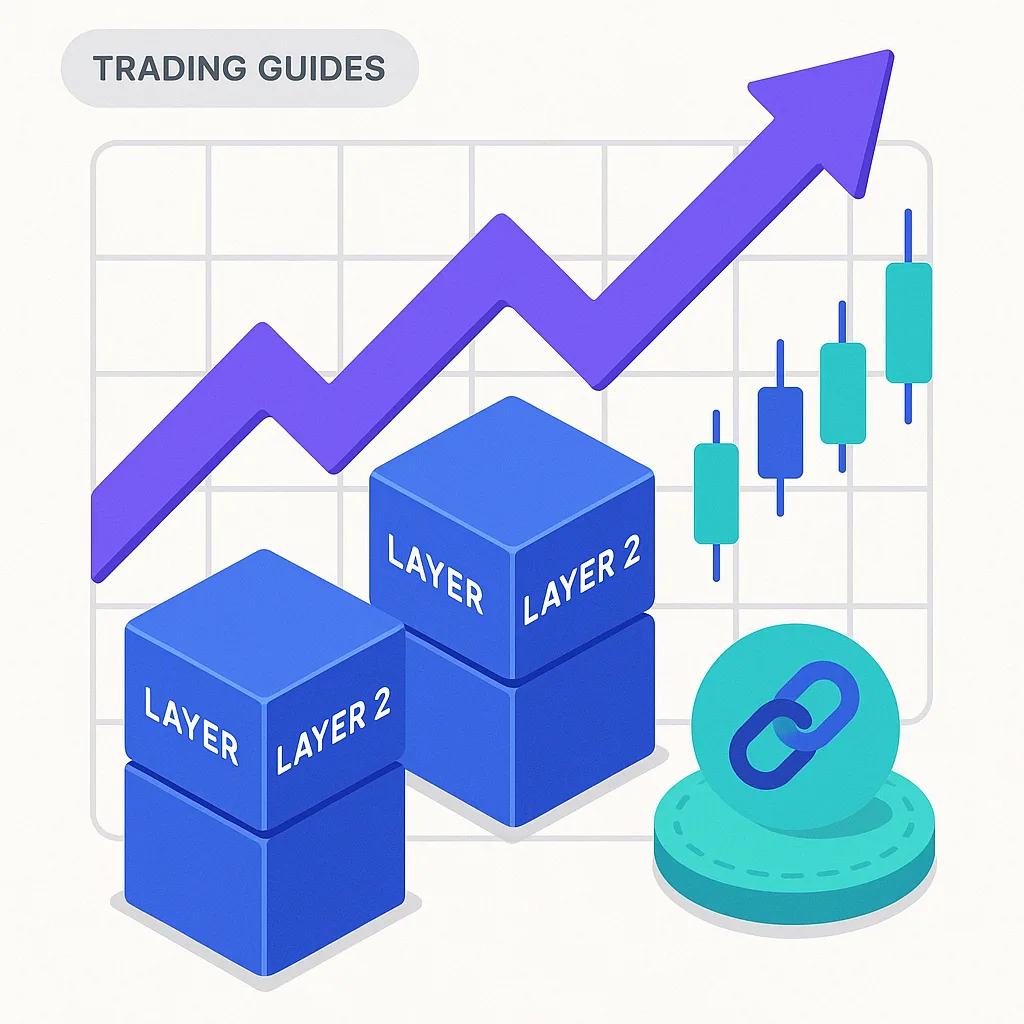
In the rapidly evolving landscape of blockchain technology, Layer 2 solutions have emerged as a critical component in addressing the scalability challenges faced by many blockchain networks, particularly Ethereum. These solutions are designed to enhance transaction throughput and reduce costs, enabling a smoother and more efficient user experience. As the demand for decentralized applications (dApps) and services continues to soar, understanding Layer 2 solutions becomes essential for traders and investors alike.
At its core, a Layer 2 solution refers to any protocol or technology that operates on top of an existing blockchain (Layer 1) to improve its performance. By offloading some of the transaction processing from the main chain, Layer 2 solutions can significantly reduce congestion, lower fees, and increase transaction speeds. This is crucial for traders who require quick execution times and low transaction costs to capitalize on market movements.
There are several notable Layer 2 solutions currently making waves in the crypto space, including state channels, sidechains, and rollups. Each of these technologies employs different mechanisms to achieve their goals, but they all share a common objective: to make blockchain networks more scalable and user-friendly. For instance, state channels allow users to conduct transactions off-chain and only settle the final state on the main chain, providing a near-instantaneous experience. On the other hand, rollups bundle multiple transactions into a single one, effectively compressing data and reducing the load on the Layer 1 chain.
As a trader, familiarizing yourself with these Layer 2 solutions not only helps you understand the underlying technology but also equips you with the knowledge to make informed decisions. The rise of Layer 2 solutions could potentially reshape the trading landscape, offering new opportunities for those who adapt to these innovations. Additionally, as more projects adopt Layer 2 technology, the overall ecosystem may become more robust, leading to increased liquidity and market participation. In the following sections, we will delve deeper into the specific types of Layer 2 solutions and their implications for trading strategies.
The Importance of Scalability in Blockchain
Scalability is one of the most pressing challenges facing blockchain technology today. As the number of users and transactions on a given network increases, the ability of that network to handle the load without compromising speed or security becomes critical. Traditional blockchains like Bitcoin and Ethereum have demonstrated remarkable decentralization and security, but they often struggle with high transaction volumes, leading to slower processing times and increased fees. This trade-off between decentralization, security, and scalability is known as the blockchain trilemma, and addressing it is essential for the adoption of blockchain on a wider scale. Effective trading techniques for Ethereum.
Layer 2 solutions have emerged as a response to the scalability issue, providing a way to enhance transaction throughput without sacrificing the core values of decentralization and security. By operating on top of the base layer blockchain, these solutions can process transactions off-chain or in a more efficient manner, ultimately allowing users to enjoy faster transaction speeds and lower fees. Examples of popular Layer 2 solutions include the Lightning Network for Bitcoin and various rollup technologies for Ethereum, which aggregate multiple transactions into a single batch to reduce the burden on the main chain.
For traders, the implications of scalability are profound. High network congestion can lead to delays in trade execution, slippage, and increased transaction costs, all of which can erode potential profits. By utilizing Layer 2 solutions, traders can benefit from quicker transaction times, more reliable confirmations, and reduced fees, allowing for more efficient trading strategies. Furthermore, as these solutions continue to mature, they are expected to support an expanding array of decentralized applications (dApps) and services, creating a more vibrant and accessible trading environment.
Ultimately, understanding the importance of scalability in blockchain is crucial for any trader looking to navigate the evolving landscape of cryptocurrency. As Layer 2 solutions gain traction, they will play an integral role in shaping the future of trading, enabling a more seamless experience for users and fostering greater participation in the blockchain ecosystem. Staying informed about these developments will not only empower traders to make better decisions but also enhance their overall trading experience in the fast-paced world of digital assets.
Popular Layer 2 Solutions and Their Features
As the demand for faster and more cost-effective transactions on blockchain networks continues to grow, Layer 2 solutions have emerged as a critical component in enhancing the scalability of existing blockchain infrastructures. Among the most popular Layer 2 solutions are Optimistic Rollups, zk-Rollups, and state channels, each offering unique features and benefits that cater to different use cases. Impact of MakerDAO in DeFi innovations.
Optimistic Rollups are designed to improve transaction throughput by bundling multiple transactions into a single batch, which is then submitted to the main chain. This method significantly reduces the load on the primary blockchain, allowing for faster transaction confirmations and lower fees. One of the key features of Optimistic Rollups is their reliance on a fraud-proof mechanism, which assumes that transactions in the batch are valid unless proven otherwise. This innovative approach not only enhances scalability but also maintains a high level of security, making it an attractive option for decentralized applications (dApps) that require high transaction volumes.
On the other hand, zk-Rollups utilize zero-knowledge proofs to validate transactions off-chain before submitting them to the main chain. This cryptographic technique ensures that the integrity of the transactions is preserved while significantly reducing the data that needs to be processed on-chain. As a result, zk-Rollups can achieve higher throughput and lower latency, making them particularly suitable for applications that demand rapid transaction processing, such as gaming and micropayments. Furthermore, zk-Rollups offer enhanced privacy features, as they can conceal transaction details while still confirming their validity.
State channels represent another innovative Layer 2 solution, enabling participants to conduct numerous transactions off-chain while only settling the final state on the main blockchain. This approach drastically minimizes on-chain activity, resulting in faster transaction times and reduced costs. State channels are especially beneficial for applications requiring frequent interactions, such as gaming or social platforms, where users can engage in real-time without incurring significant fees for every action. By leveraging state channels, developers can create seamless user experiences while maximizing the efficiency of the underlying blockchain.
How Layer 2 Solutions Enhance Trading Efficiency
Layer 2 solutions are transforming the trading landscape by addressing the limitations of Layer 1 blockchains, such as Ethereum. By providing a secondary framework where transactions can be processed more quickly and at lower costs, these solutions significantly enhance trading efficiency. This improvement is crucial for traders who rely on real-time data and swift execution to capitalize on market movements. With Layer 2, traders can execute transactions in seconds rather than minutes, enabling them to respond to market changes almost instantaneously.
One of the most notable advantages of Layer 2 solutions is their ability to reduce gas fees, which can be a significant barrier for traders, especially during periods of high network congestion. For example, on Layer 1 Ethereum, gas fees can skyrocket when the network is busy, making it expensive for traders to enter and exit positions. Layer 2 solutions, such as Optimistic Rollups and zk-Rollups, aggregate multiple transactions off-chain before settling them on the main chain. This aggregation minimizes the number of transactions that need to be processed on Layer 1, leading to lower fees and more cost-effective trading opportunities. Exploring cross-chain solutions in DeFi.
Additionally, Layer 2 solutions enhance liquidity and market depth. By allowing more transactions to occur simultaneously, they create a more vibrant trading environment. As more traders flock to these solutions for their efficiency, liquidity increases, which can lead to tighter spreads and better price discovery. Improved liquidity is particularly beneficial for high-frequency traders and those executing large orders, as it minimizes slippage and maximizes execution quality.
Furthermore, Layer 2 technologies often come equipped with advanced features such as instant finality and cross-chain compatibility. Instant finality means that trades can be confirmed almost immediately, reducing the risk of front-running and allowing traders to execute their strategies with greater confidence. Cross-chain compatibility opens up new avenues for trading, enabling access to a wider array of assets and markets without being confined to a single blockchain. This interconnectedness not only enhances trading efficiency but also fosters innovation, as traders can leverage the best features from multiple ecosystems.
Strategies for Trading on Layer 2 Platforms
As the cryptocurrency landscape continues to evolve, Layer 2 solutions have emerged as a vital part of enhancing transaction efficiency and scalability on decentralized networks. For traders looking to maximize their profits and minimize their risks, understanding various strategies tailored for Layer 2 platforms is crucial. One of the most effective strategies is to leverage the lower transaction fees that these platforms typically provide. This can significantly enhance profit margins, especially for high-frequency traders who execute multiple trades within a short period. By taking advantage of reduced costs, traders can engage in scalping or day trading without the looming threat of exorbitant fees eroding their returns.
Another essential strategy involves utilizing the unique features offered by Layer 2 solutions. Many of these platforms incorporate advanced functionalities such as instant finality, improved transaction speeds, and innovative liquidity pools. Traders can capitalize on these features by engaging in arbitrage opportunities between Layer 2 and Layer 1 networks. For example, if a token is trading at a lower price on a Layer 2 platform compared to its Layer 1 counterpart, savvy traders can buy on the former and sell on the latter, profiting from the price discrepancy.
Risk management is also a critical aspect of trading on Layer 2 platforms. While the benefits are significant, the nascent nature of these solutions can introduce volatility and liquidity challenges. Traders should consider setting stop-loss orders and diversifying their portfolios to mitigate potential losses. Additionally, staying informed about the technological developments and community updates surrounding the Layer 2 solutions being used can provide valuable insights and help in making informed trading decisions.
Lastly, engaging with the community and leveraging social sentiment can be an effective strategy. Many Layer 2 platforms have active communities on platforms like Discord and Telegram, where traders share insights, strategies, and market analysis. Participating in these discussions can provide early access to emerging trends and investment opportunities. By combining technical analysis with community insights, traders can enhance their decision-making processes and navigate the complexities of Layer 2 trading more effectively.
Risks and Considerations in Layer 2 Trading
Trading on Layer 2 solutions can offer significant advantages, such as lower transaction fees and faster confirmation times, but it is crucial for traders to understand the associated risks and considerations. One of the primary concerns is the potential for reduced security compared to Layer 1 chains. While Layer 2 solutions leverage the security of the underlying blockchain, they may introduce new vulnerabilities through their architecture or reliance on off-chain mechanisms. Traders must stay informed about the specific security measures of the Layer 2 solution they are using, as well as any ongoing audits or vulnerabilities that have been identified.
Another risk is liquidity. Many Layer 2 solutions are still in their early stages of adoption, which can lead to lower liquidity compared to well-established Layer 1 markets. As a trader, this can result in wider spreads and increased slippage, particularly during periods of high volatility. It is essential to assess the liquidity of the specific Layer 2 network and the trading pairs available before executing large trades. Additionally, traders should consider the exit strategy and the ease of transferring assets back to Layer 1 if necessary.
Moreover, interoperability presents a unique challenge in Layer 2 trading. Different Layer 2 solutions may not be compatible with each other or with Layer 1, which can complicate asset transfers and trading strategies. Traders must understand the bridging mechanisms available and the potential fees or risks involved in moving assets across different layers. This complexity can lead to increased costs and the possibility of losing funds if proper precautions are not taken.
Lastly, regulatory considerations should not be overlooked. As Layer 2 solutions gain popularity, they may attract regulatory scrutiny. Traders should remain vigilant about the legal implications of using these platforms, especially in jurisdictions with evolving cryptocurrency regulations. Staying informed about potential changes in the regulatory landscape can help traders mitigate risks and ensure compliance while navigating the world of Layer 2 trading. PENDLE price.
Future Trends in Layer 2 Development
As the blockchain ecosystem continues to evolve, Layer 2 solutions are poised to play a pivotal role in addressing the scalability issues faced by Layer 1 networks. One of the most significant trends we can expect in the near future is the increased adoption of interoperability protocols. As various Layer 2 solutions emerge, the ability for these platforms to communicate seamlessly with one another will be crucial. Traders and developers alike will benefit from cross-chain capabilities that allow for smoother transactions and enhanced liquidity across different networks. This interoperability will not only improve user experience but will also foster innovation in DeFi and other blockchain applications.
Another trend to watch is the rise of zk-rollups and optimistic rollups as preferred solutions for scaling. Both technologies offer unique benefits, with zk-rollups ensuring privacy and faster transaction verification through zero-knowledge proofs, while optimistic rollups provide significant throughput and are easier to implement. As these technologies mature, we can expect to see them integrated into more decentralized applications (dApps) and trading platforms, offering traders reduced fees and improved transaction speeds. This will ultimately enhance the overall trading experience, making Layer 2 networks more attractive to both retail and institutional investors.
Moreover, the regulatory landscape will likely influence the development of Layer 2 solutions. As governments around the world begin to establish clearer guidelines for cryptocurrency and blockchain technology, Layer 2 projects that comply with these regulations may gain a competitive edge. Traders should keep an eye on how these regulatory frameworks evolve, as they will have a direct impact on the adoption and usability of Layer 2 solutions. Projects that prioritize compliance may attract more institutional capital, further accelerating the growth of Layer 2 ecosystems.
Finally, the integration of Layer 2 solutions with emerging technologies such as Artificial Intelligence (AI) and the Internet of Things (IoT) could redefine trading strategies and market analysis. AI-driven trading bots could leverage the speed and cost-effectiveness of Layer 2 networks to execute trades in real time, while IoT devices could facilitate new data streams for traders. As these technologies converge, we may witness a transformative shift in trading methodologies, making it imperative for traders to stay informed about the latest developments in Layer 2 solutions. Staking.
Conclusion: Embracing Layer 2 for Optimal Trading
As the cryptocurrency landscape continues to evolve, Layer 2 solutions have emerged as crucial tools for traders looking to optimize their experience. By addressing some of the fundamental challenges associated with Layer 1 blockchains, these technologies provide enhanced scalability, reduced transaction fees, and improved speed. For traders, this translates into a more efficient trading environment, allowing for quicker execution of trades and a more responsive market experience.
Adopting Layer 2 solutions is not just a matter of keeping up with trends; it’s about leveraging the best tools available to maximize trading potential. As congestion on popular networks like Ethereum has led to high gas fees and longer transaction times, Layer 2 networks offer a viable alternative. They enable traders to execute transactions without the burden of excessive fees, making it easier to engage in both high-frequency trading and more strategic investments.
However, while the advantages are clear, it’s essential to approach Layer 2 solutions with a comprehensive understanding of their mechanics and limitations. Each Layer 2 protocol comes with its own set of features, risks, and nuances. Traders should familiarize themselves with the various Layer 2 options available—such as Optimistic Rollups, zk-Rollups, and state channels—to determine which aligns best with their trading strategies. Moreover, staying informed about developments in the space is crucial, as the technology is continually advancing, leading to new capabilities and potential pitfalls.
In conclusion, embracing Layer 2 solutions can significantly enhance your trading experience. By navigating the complexities of these technologies and integrating them into your trading routine, you not only position yourself to capitalize on emerging opportunities but also ensure that you remain agile in a rapidly shifting market. As the adoption of Layer 2 solutions continues to grow, traders who adapt and utilize these innovations will be better equipped to thrive in the competitive world of cryptocurrency trading.