Introduction to Cosmos: The Interoperable Blockchain
In the ever-evolving landscape of blockchain technology, Cosmos stands out as a trailblazer in promoting interoperability among diverse blockchain networks. Launched in 2019, Cosmos aims to create an Internet of Blockchains, allowing different blockchains to communicate and share data seamlessly. This vision is grounded in the belief that the future of blockchain is not a singular, monolithic network, but rather a diverse ecosystem of multiple chains working together. By facilitating interchain communication, Cosmos addresses one of the most significant limitations of traditional blockchains: their lack of interoperability.
At the heart of the Cosmos ecosystem lies the Tendermint consensus algorithm, which enables fast and secure transactions while maintaining a high degree of scalability. The unique architecture of Cosmos is designed around modularity, allowing developers to create custom blockchains tailored to specific use cases. These blockchains can then connect to the Cosmos Hub, the central blockchain of the Cosmos network, through the Inter-Blockchain Communication (IBC) protocol. This protocol is a game-changer, as it enables different blockchains to transfer assets and data across the network, unlocking new possibilities for decentralized applications.
The potential applications of Cosmos's interoperability are vast. For instance, decentralized finance (DeFi) projects can leverage assets from various blockchains, expanding liquidity and user engagement. Similarly, gaming platforms can integrate assets from multiple games, enhancing user experience and engagement. Furthermore, organizations and enterprises can benefit from Cosmos's ability to create private and public chains that interact with each other, streamlining processes and improving operational efficiency.
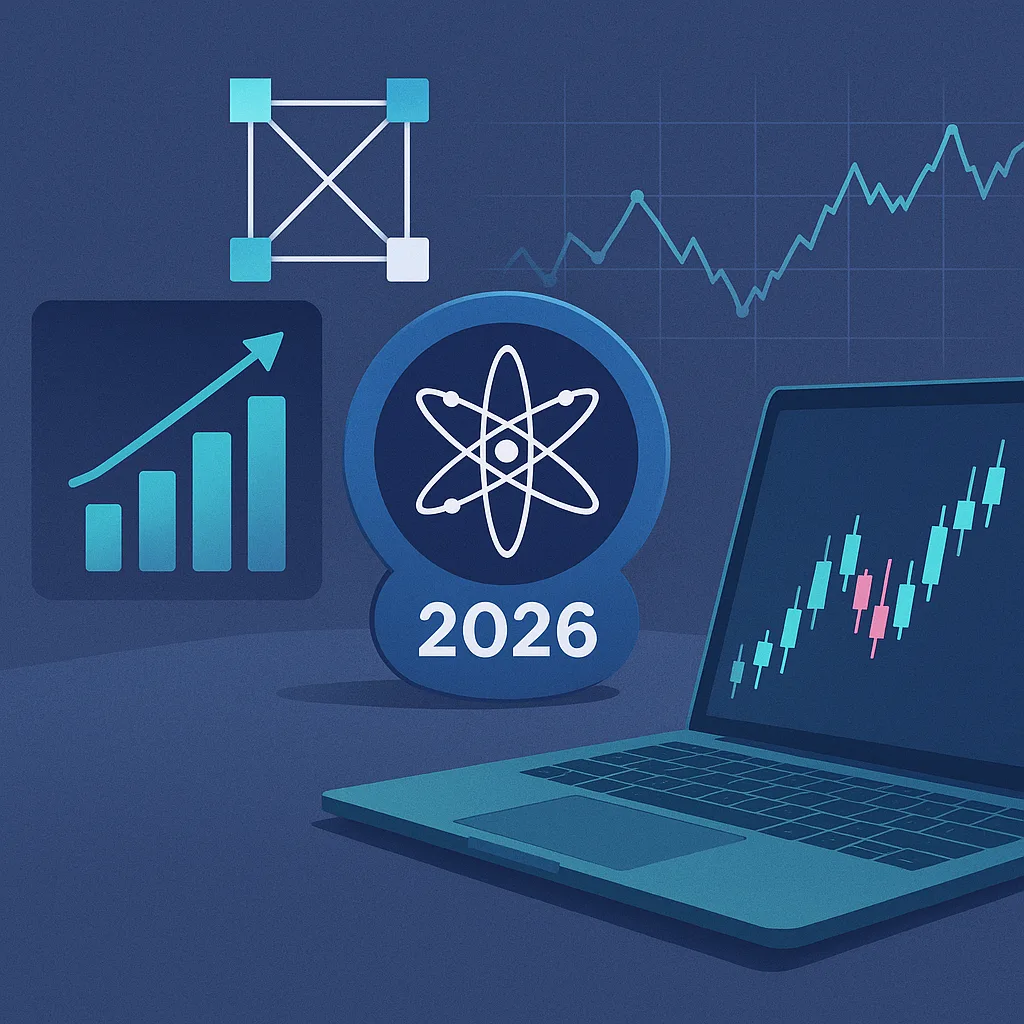
As we move into 2026, the implications of Cosmos's interoperability will continue to unfold, driving innovation and collaboration across the blockchain space. The ongoing development of the Cosmos ecosystem, including the launch of new projects and upgrades, promises to enhance its capabilities further. Traders and investors looking to navigate this landscape must understand the core principles of Cosmos and the opportunities it presents for cross-chain trading and investment strategies. With its focus on interoperability, Cosmos is positioning itself as a key player in the future of blockchain technology.
Understanding the Cosmos Ecosystem and Its Components
The Cosmos ecosystem represents a revolutionary approach to blockchain technology, primarily designed to address the challenges of interoperability among different blockchain networks. At its core, Cosmos aims to create an 'Internet of Blockchains,' where various independent blockchains can communicate and share data seamlessly. This vision is facilitated by the Cosmos Hub, which serves as the central blockchain connecting multiple chains, known as zones, within the ecosystem. Each zone can operate autonomously while still being able to interact with other zones, creating a scalable and interconnected environment for decentralized applications (dApps). Future of Cosmos in 2026.
One of the key components of the Cosmos ecosystem is the Tendermint Core, a Byzantine Fault Tolerant (BFT) consensus engine that enables fast, secure, and scalable transactions. Tendermint allows developers to build their own blockchains without having to worry about the complexities of creating a consensus mechanism from scratch. This feature significantly reduces the barriers to entry for developers looking to launch their own blockchain, empowering a diverse range of projects to thrive within the Cosmos ecosystem.
In addition to the Cosmos Hub and Tendermint, the ecosystem is supported by the Inter-Blockchain Communication (IBC) protocol. IBC plays a crucial role in enabling communication between different blockchains, allowing them to exchange tokens and data securely. This interoperability is essential for the growth of decentralized finance (DeFi) applications, as it allows assets to move freely across platforms, enhancing liquidity and user experience. With IBC, users can engage with multiple dApps without being confined to a single blockchain environment, promoting a more inclusive and versatile trading landscape.
Furthermore, the Cosmos ecosystem is powered by the ATOM token, which plays a vital role in governance, staking, and securing the network. Holders of ATOM can participate in governance decisions, influencing the future direction of the ecosystem. As the demand for interoperability grows, the value of ATOM may increase, making it an attractive asset for traders looking to capitalize on the evolving landscape of blockchain technology. By understanding the components of the Cosmos ecosystem, traders can better position themselves to take advantage of the opportunities that arise within this innovative framework.
Market Analysis: Cosmos Price Trends and Predictions for 2026
As we step into 2026, the Cosmos ecosystem is poised for significant growth, driven by its unique approach to interoperability and scalability in the blockchain space. Analysts project that the demand for Cosmos-based applications will surge as more projects seek to leverage its capabilities, leading to a positive outlook for ATOM, the native token of the Cosmos network. Given the increasing need for interconnected blockchains in various sectors, including finance, supply chain, and healthcare, the price of ATOM is expected to reflect this growing adoption. Cross-Chain Asset Transfers.
In 2025, we witnessed a gradual upward trend in ATOM's price, primarily due to strategic partnerships and the launch of new projects within the Cosmos ecosystem. As 2026 unfolds, similar momentum is anticipated, particularly as more developers and businesses recognize the advantages of building on Cosmos. With the introduction of features such as enhanced cross-chain communication and the Inter-Blockchain Communication (IBC) protocol, the user base is likely to expand, pushing demand for ATOM higher.
Price predictions for ATOM in 2026 vary among analysts, but many agree on a bullish outlook. Some forecasts suggest that ATOM could reach between $30 and $50 by the end of 2026, especially if the broader cryptocurrency market maintains a positive trajectory. Factors influencing these predictions include market sentiment, regulatory developments, and the overall adoption rate of blockchain technologies. The interoperability potential of Cosmos positions it as a key player in the evolving landscape of decentralized finance (DeFi) and beyond.
However, it is essential to consider potential challenges that could impact price trends. Market volatility remains a significant factor, as sudden shifts in investor sentiment can lead to price fluctuations. Additionally, competition from other interoperability-focused projects could pose a threat to Cosmos's market share. Nevertheless, the strong foundational technology and community support behind Cosmos make it a resilient contender in the cryptocurrency market, suggesting that investors should keep a close eye on ATOM as 2026 progresses.
Key Trading Strategies for Cosmos in 2026
As the Cosmos ecosystem continues to mature, traders seeking to capitalize on its interoperability features must develop robust strategies that cater to the unique aspects of this blockchain network. One of the most significant strategies involves understanding the diverse range of assets available within the Cosmos ecosystem. With the emergence of numerous chains interconnected through the Inter-Blockchain Communication (IBC) protocol, traders should familiarize themselves with the specific use cases and performance metrics of these assets. By diversifying their portfolios across different chains, traders can mitigate risk while taking advantage of growth opportunities that arise from specific projects.
Another key strategy is to stay informed about governance proposals and network upgrades. In the Cosmos ecosystem, token holders often have a say in governance decisions that can impact the value of their assets. Traders should actively participate in governance discussions and keep an eye on upcoming protocol changes, as these can create volatility in the markets. By anticipating shifts in sentiment based on governance actions, traders can position themselves advantageously, either by entering or exiting positions ahead of significant announcements. Comprehensive Guide to Crypto Trading.
Additionally, leveraging decentralized exchanges (DEXs) that operate within the Cosmos ecosystem can be a game-changer. These platforms often provide lower fees and faster transaction times compared to traditional exchanges, making them ideal for traders looking to execute quick trades. Understanding the liquidity pools and trading pairs available on these DEXs is crucial for maximizing trading efficiency. Moreover, utilizing automated trading bots can help traders manage their positions more effectively, allowing them to capitalize on price movements without the need for constant monitoring.
Lastly, traders should consider the impact of external market factors on the Cosmos ecosystem. As the blockchain space becomes increasingly intertwined with global economic trends, staying updated on macroeconomic indicators and regulatory developments is essential. By combining technical analysis with a thorough understanding of the broader market context, traders can make informed decisions that align with the evolving landscape of the Cosmos ecosystem. In summary, successfully trading Cosmos in 2026 will require a blend of diversification, governance awareness, strategic use of DEXs, and macroeconomic insight.
Navigating Risks: Challenges Faced by Cosmos Traders
As the Cosmos ecosystem continues to evolve, traders are presented with a unique set of challenges that must be navigated to ensure a successful trading experience. One of the primary risks associated with trading within the Cosmos network is the volatility inherent in the cryptocurrency market. Prices can fluctuate dramatically within short time frames, influenced by market sentiment, technological developments, and regulatory news. Traders must be prepared for these price swings and have strategies in place to manage their risk exposure effectively.
Another significant challenge is the complexity of interoperability features that define Cosmos. While the ability to trade assets across different blockchains is a major advantage, it can also lead to confusion and missteps. Each blockchain within the Cosmos ecosystem may have its own rules, protocols, and trading pairs. This diversity means that traders must invest time in understanding the specific mechanics of each blockchain they wish to engage with. Failing to do so can result in costly errors, such as sending funds to the wrong address or misjudging transaction fees, which can vary widely across networks.
Security is yet another critical concern. As Cosmos leverages the Inter-Blockchain Communication (IBC) protocol, the increased interaction between multiple blockchains introduces potential vulnerabilities. Traders must remain vigilant against risks such as hacking attempts, smart contract exploits, and phishing attacks. Utilizing reputable wallets, enabling two-factor authentication, and regularly updating security practices are essential measures to safeguard assets in this multifaceted environment. Trade TRX/USDT.
Lastly, the regulatory landscape surrounding cryptocurrencies is continually in flux, posing an additional layer of risk for traders in the Cosmos network. Different jurisdictions are adopting varying stances on digital assets, which can impact the liquidity and legality of trading certain tokens. Staying informed about regulatory changes and understanding their implications for trading strategies is crucial for traders looking to navigate the Cosmos effectively. In summary, while the opportunities for trading in Cosmos are abundant, being aware of these challenges and proactively addressing them can significantly enhance a trader's chances of success.
Utilizing Tools and Resources for Effective Trading
As the Cosmos ecosystem continues to expand in 2026, traders must equip themselves with the right tools and resources to navigate its complexities effectively. The unique architecture of Cosmos, which allows for interoperability between different blockchains, presents both opportunities and challenges for traders. By leveraging advanced trading platforms, analytical tools, and educational resources, individuals can enhance their trading strategies and maximize their potential in this dynamic environment.
One of the most valuable resources at a trader's disposal is a robust trading platform that supports Cosmos assets. These platforms often provide features such as real-time price tracking, advanced charting tools, and customizable trading interfaces. Additionally, many platforms have integrated features that facilitate cross-chain transactions, allowing traders to seamlessly move assets between various blockchains within the Cosmos network. Selecting a platform that offers comprehensive support for Cosmos trading can significantly streamline the trading process and enhance efficiency.
In addition to trading platforms, analytical tools play a crucial role in making informed trading decisions. Utilizing charting software that provides technical analysis indicators can help traders identify market trends and potential entry or exit points. Furthermore, on-chain analytics tools can offer insights into asset performance, liquidity, and trading volumes across different chains. By employing these analytical resources, traders can gain a deeper understanding of market dynamics and position themselves strategically within the Cosmos ecosystem.
Education also remains a cornerstone of effective trading. Traders should invest time in understanding the fundamentals of Cosmos and its underlying technology, as well as staying updated on market news and developments. Participating in community forums, webinars, and online courses can provide valuable insights and foster a deeper understanding of the trading landscape. Additionally, engaging with experienced traders can yield practical tips and strategies that can be applied in real-time trading scenarios. By combining the right tools, analytical capabilities, and educational resources, traders can unlock their full potential within the Cosmos ecosystem and navigate the evolving landscape of 2026 with confidence. JTO price.
Community Insights: What Traders are Saying About Cosmos
As we move deeper into 2026, the Cosmos ecosystem continues to garner significant attention from traders and crypto enthusiasts alike. One recurring theme in community discussions is the unparalleled interoperability that Cosmos offers. Many traders emphasize the importance of being able to seamlessly transfer assets and data between different blockchains. This capability not only enhances liquidity but also opens up a myriad of trading opportunities that were previously inaccessible. The versatility of the Cosmos Network, combined with the growth of its interconnected chains, has allowed traders to diversify their portfolios in ways that were not possible in more siloed ecosystems.
Another point frequently brought up by community members is the evolving governance model of Cosmos. Traders appreciate the emphasis on decentralization and community involvement in decision-making processes. This shift towards a more democratic approach helps build trust within the ecosystem, as traders feel they have a voice in the direction of the network. Many are excited about upcoming proposals for upgrades and improvements, believing that active participation will lead to a more robust and resilient trading environment. The community's enthusiasm for governance aligns with the broader trend of decentralized finance (DeFi), where users are increasingly looking for platforms that empower them.
Moreover, traders have been vocal about the technological advancements that have been integrated into the Cosmos ecosystem. Features such as the Inter-Blockchain Communication (IBC) protocol have made it easier for traders to execute cross-chain transactions. This technological evolution has sparked conversations about the potential for new trading strategies that leverage multiple chains simultaneously. As the Cosmos Hub continues to evolve, many community members are already experimenting with these new capabilities, creating a buzz around innovative trading practices that utilize the strengths of various chains.
Finally, the community is optimistic about the future of Cosmos and its potential to redefine how trading occurs in the crypto space. With ongoing developments and a supportive community, traders believe that Cosmos is positioned to become a foundational layer for the next generation of decentralized applications and financial instruments. As discussions continue to unfold, it is clear that the insights and experiences shared among traders will play a pivotal role in shaping the future landscape of trading within the Cosmos ecosystem. Staking.
Conclusion: The Future of Cosmos Trading and Its Impact
As we look toward the future of trading within the Cosmos ecosystem in 2026, it is clear that interoperability will be at the heart of its evolution. The ability for different blockchains to communicate seamlessly with one another has the potential to revolutionize how traders interact with various digital assets. This integrated approach not only enhances liquidity but also opens up new avenues for investment strategies that were previously unattainable in more fragmented environments. As more projects adopt the Inter-Blockchain Communication (IBC) protocol, we can expect a significant increase in cross-chain trading opportunities, ultimately leading to a more diverse and dynamic trading landscape.
Moreover, the growth of decentralized finance (DeFi) within the Cosmos ecosystem is likely to play a crucial role in shaping the future of trading. With the rise of automated market makers (AMMs), yield farming, and other DeFi protocols, traders will have access to innovative tools and services that can enhance their trading strategies. This burgeoning DeFi ecosystem not only democratizes access to financial products but also fosters a culture of collaboration and innovation among developers and traders alike. As these platforms continue to mature, they will likely attract a wider audience, including institutional investors looking to capitalize on the unique opportunities presented by Cosmos.
As we move deeper into 2026, we should also consider the regulatory landscape surrounding cryptocurrencies and blockchain technologies. While the Cosmos ecosystem has positioned itself as a leader in promoting interoperability, compliance with evolving regulations will be essential for sustained growth and adoption. Ensuring that trading activities adhere to legal standards will not only protect users but also bolster the credibility of Cosmos as a viable platform for serious investors. The balance between innovation and regulation will be a key factor in determining the future trajectory of Cosmos trading.
In conclusion, the future of trading in the Cosmos ecosystem is bright, driven by the promise of interoperability, the expansion of DeFi, and a commitment to regulatory compliance. As these elements converge, traders will be better equipped to navigate the complexities of the digital asset landscape. By embracing the opportunities and challenges that lie ahead, participants in the Cosmos ecosystem can unlock new potentials for growth and profitability, ultimately shaping the future of trading as we know it.