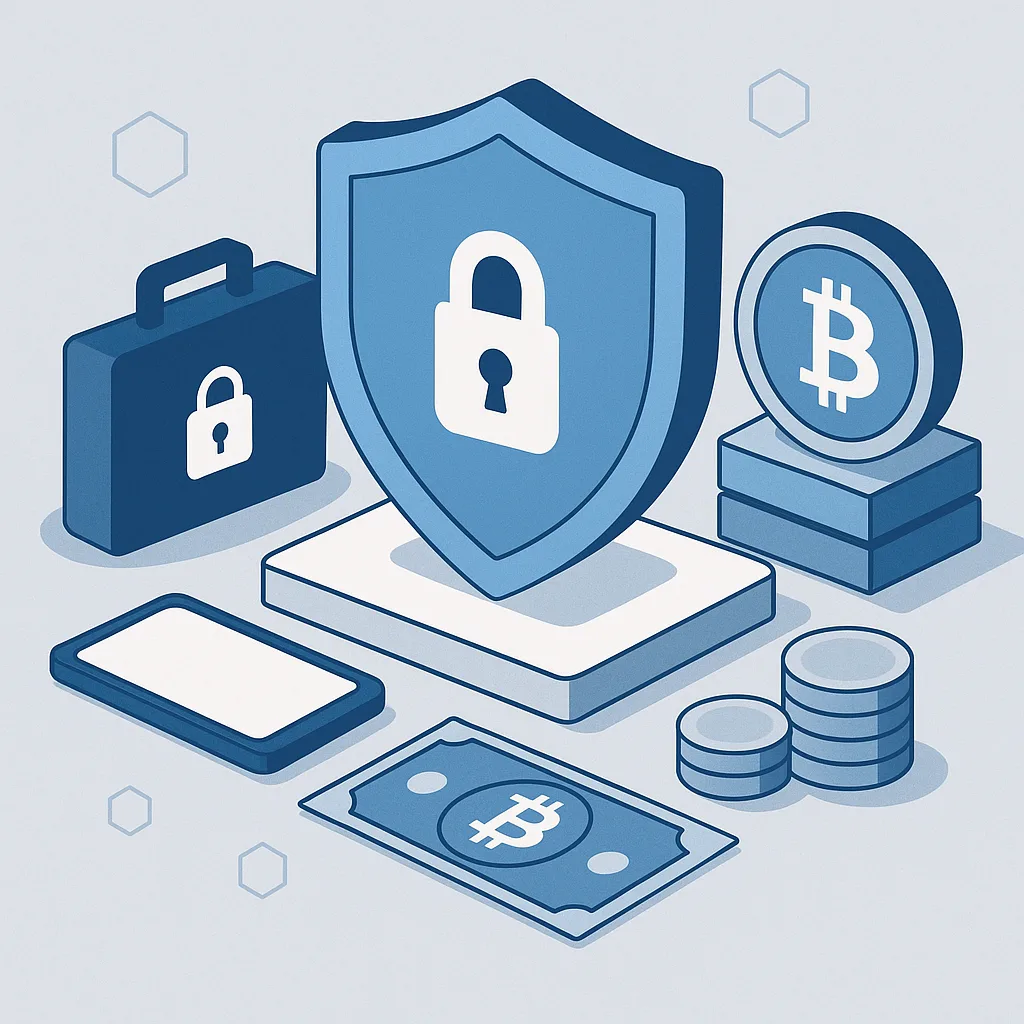
Introduction to Crypto Custodians
In the rapidly evolving landscape of cryptocurrency, the role of custodians has become increasingly vital for both institutional investors and individual traders. Crypto custodians serve as trusted entities that provide secure storage solutions for digital assets, acting as a safeguard against theft, loss, or fraud. With the rise in popularity of cryptocurrencies, the demand for reliable custodial services has surged, prompting a deeper examination of their functions, responsibilities, and the technology behind them.
At its core, a crypto custodian is responsible for holding and managing digital assets on behalf of clients. This service is particularly essential for institutional investors who often deal with large volumes of cryptocurrencies. Unlike traditional assets, cryptocurrencies are stored in digital wallets, which can be susceptible to hacking and other security breaches. Custodians deploy advanced security measures, such as multi-signature wallets, cold storage solutions, and comprehensive insurance policies, to ensure that assets are protected from potential threats.
Moreover, crypto custodians are not just about security; they also provide additional services that enhance the overall investment experience. These may include asset reporting, tax compliance assistance, and even transaction facilitation. By offering these services, custodians enable clients to focus on their investment strategies without worrying about the complexities of asset management. This is especially beneficial for those who may not have the technical expertise or resources to manage their cryptocurrency holdings effectively.
In an environment where regulatory scrutiny is increasing, custodians also play a crucial role in compliance. They help navigate the complex landscape of laws and regulations surrounding digital assets, ensuring that clients adhere to necessary legal requirements. This aspect is particularly important for institutional investors, as non-compliance can lead to significant financial repercussions. As the cryptocurrency market continues to mature, the importance of custodians in providing a secure and compliant framework for asset management cannot be overstated.
The Importance of Security in Digital Asset Management
As the digital asset landscape continues to evolve, the importance of security in managing these assets cannot be overstated. With the rise of cryptocurrencies and blockchain technologies, investors find themselves navigating a complex environment where the potential for profit is matched by the risks of theft, fraud, and loss. Therefore, ensuring the security of digital assets is paramount for both individual investors and institutional players alike. Essential security practices for users.
Digital assets are inherently different from traditional assets, primarily due to their decentralized nature and the reliance on cryptographic principles for security. This difference introduces unique vulnerabilities, as the protection of private keys and wallet access becomes crucial. A single breach can lead to irreversible loss, making it essential for asset holders to implement robust security measures. This is where crypto custodians come into play, offering specialized services designed to safeguard digital assets from various threats.
Crypto custodians provide a layer of security that is particularly important in an industry where cyberattacks are on the rise. They utilize advanced security protocols, including multi-signature wallets, cold storage solutions, and biometric authentication, to protect assets from unauthorized access. Furthermore, custodians often conduct regular audits and risk assessments, ensuring that their security measures meet the highest industry standards. This not only helps secure assets but also instills confidence among investors who may be wary of the risks associated with holding digital currencies independently.
Additionally, the regulatory landscape surrounding digital assets is continually evolving, with governments and financial authorities implementing stricter guidelines to protect investors. Crypto custodians often play a crucial role in compliance, ensuring that assets are managed in accordance with these regulations. By leveraging the expertise of custodians, investors can mitigate risks associated with regulatory violations while enjoying peace of mind regarding the safety of their digital holdings. As the market matures, the importance of security in digital asset management will only increase, making the role of custodians more vital than ever.
How Custodians Operate: Key Features and Services
Crypto custodians play a crucial role in the security and management of digital assets, ensuring that investors can safeguard their holdings against theft, loss, or other risks. At the core of their operation lies a combination of sophisticated technology and stringent regulatory compliance. Custodians utilize advanced encryption techniques and multi-signature wallets to protect digital assets, ensuring that access is limited to authorized personnel only. These features create a robust security framework that aims to eliminate vulnerabilities associated with private key management. Institutional demand in cryptocurrency.
One of the primary services offered by crypto custodians is asset storage. Unlike traditional banks that provide vault services for physical assets, crypto custodians store digital currencies in highly secure environments, often using a mix of cold storage (offline) and hot storage (online) solutions. Cold storage keeps the majority of assets offline, significantly reducing the risk of hacks, while hot storage allows for quicker access to funds for trading or transactions. This hybrid approach helps balance security with liquidity, catering to the varying needs of investors.
In addition to storage, custodians often provide a suite of ancillary services designed to enhance the overall investment experience. These services may include asset reporting, which offers clients detailed insights into their portfolio performance, transaction history, and compliance with regulatory requirements. Some custodians also engage in staking services, allowing clients to earn rewards by participating in blockchain networks, thereby maximizing the potential returns on their holdings. Furthermore, many custodians maintain partnerships with exchanges and other financial institutions, facilitating seamless transfers and trades for their clients.
Another essential aspect of custodial services is regulatory adherence. As the cryptocurrency landscape evolves, so do the regulations governing digital assets. Reputable custodians are committed to compliance with industry standards, ensuring that they operate within legal frameworks. This commitment not only helps protect investors but also fosters trust in the custodian's operations. By conducting regular audits and maintaining transparency in their practices, custodians can reassure clients that their assets are securely managed in alignment with applicable laws.
Regulatory Landscape Affecting Crypto Custodians
The regulatory landscape surrounding cryptocurrency and digital asset management is continually evolving, influencing the operational frameworks within which crypto custodians function. As governments and regulatory bodies around the world grapple with the implications of cryptocurrency, custodians must navigate a complex web of compliance requirements that can vary dramatically from one jurisdiction to another. In the United States, for instance, the Securities and Exchange Commission (SEC) has made strides toward clarifying the status of cryptocurrencies as securities, which has major implications for custodians who must ensure they comply with applicable laws to avoid potential legal repercussions.
In addition to securities regulations, custodians are also subject to anti-money laundering (AML) and know-your-customer (KYC) requirements. These regulations aim to prevent illicit activities such as money laundering and fraud, and compliance is paramount for custodians that wish to maintain their credibility and operational licenses. Failure to adhere to these regulations can result in hefty fines and operational shutdowns. As custodians implement KYC procedures, they must balance the need for stringent verification processes with the user experience, ensuring that onboarding is efficient without compromising security. Evolution of exchanges in crypto.
Across the Atlantic, the European Union has introduced the Markets in Crypto-Assets (MiCA) regulation, which provides a comprehensive framework for the governance of crypto assets. MiCA aims to create a single market for crypto assets while ensuring consumer protection and financial stability. This regulatory clarity is expected to bolster confidence in crypto custodians, as they become increasingly recognized as legitimate financial institutions. However, it also places additional compliance burdens on custodians operating within the EU, necessitating a robust understanding of the legal implications of their service offerings.
As the regulatory environment continues to shift, crypto custodians must remain agile and proactive. Staying informed about upcoming legislative changes is essential, as is investing in compliance technologies that streamline operations while ensuring adherence to regulations. Ultimately, the future of crypto custodians hinges on their ability to navigate this intricate regulatory landscape effectively, establishing themselves as trusted partners in the secure management of digital assets.
The Role of Custodians in Institutional Adoption
As the cryptocurrency landscape matures, institutional investors are increasingly eyeing digital assets as a viable component of their portfolios. However, the unique challenges posed by crypto, including security concerns, regulatory complexities, and market volatility, have made traditional financial institutions cautious. This is where the role of crypto custodians comes into play. By providing secure storage solutions and regulatory compliance, custodians are instrumental in facilitating institutional adoption of cryptocurrencies.
Crypto custodians offer a range of services designed to address the specific needs of institutional investors. One of their primary functions is to safeguard digital assets against theft and loss. Unlike traditional assets, cryptocurrencies are susceptible to cyberattacks and hacking attempts, which can result in substantial financial losses. Custodians employ advanced security measures, such as multi-signature wallets, cold storage solutions, and robust cybersecurity protocols, to ensure that clients' assets remain protected. This level of security is crucial for institutions that require the highest standards of asset protection.
Moreover, custodians provide essential infrastructure that enables institutions to navigate the complex regulatory landscape surrounding cryptocurrencies. As governments around the world continue to establish guidelines for digital assets, custodians help clients remain compliant with these regulations. They offer services like transaction monitoring, reporting, and audit capabilities that align with regulatory requirements. This not only mitigates the risk of non-compliance but also builds trust with regulators, paving the way for broader institutional participation in the cryptocurrency market.
In addition to security and compliance, custodians also enhance the operational aspects of crypto investment for institutions. They streamline the processes of buying, selling, and managing digital assets, allowing institutions to focus on their core investment strategies rather than the intricacies of digital asset management. This operational efficiency is a key factor that encourages more institutions to enter the crypto space, as it reduces the barriers to entry and simplifies the overall investment process. Overall, the role of custodians is pivotal in fostering a secure and compliant environment that supports the institutional adoption of cryptocurrencies, thereby contributing to the maturation of the digital asset ecosystem.
Challenges and Risks Faced by Crypto Custodians
As the cryptocurrency market continues to grow, so does the responsibility of crypto custodians to safeguard digital assets. However, the role of custodians is not without its challenges and risks. One of the primary concerns is the ever-evolving landscape of regulations and compliance requirements. As governments around the world grapple with how to treat digital assets, custodians must remain vigilant and adaptable. Failure to comply with regulations can result in severe penalties, including fines and loss of licenses, thereby jeopardizing their operations and client trust.
Another significant challenge is the threat of cyberattacks. Crypto custodians are prime targets for hackers due to the large volumes of digital assets they manage. A successful breach can lead to substantial financial losses for both the custodian and its clients. To counter this threat, custodians must invest heavily in cybersecurity measures, including multi-factor authentication, cold storage solutions, and regular security audits. However, even with the best security practices in place, no system can be entirely foolproof, leaving custodians in a precarious position of balancing risk and safety.
Operational risks also loom large for crypto custodians. These can arise from various factors, including technology failures, human error, or internal fraud. For instance, if a custodian's software experiences downtime or data loss, it can disrupt access to clients' assets, harming their reputation and causing financial strain. Additionally, training staff to handle and secure digital assets properly is crucial, as a lack of knowledge can lead to mismanagement or breaches. Custodians must continually assess and improve their operational procedures to mitigate these risks.
Lastly, the volatility of cryptocurrencies presents a unique challenge. The significant price fluctuations can create pressure on custodians to manage assets diligently. If a custodian fails to react quickly to market changes, it could result in substantial financial repercussions for their clients. Therefore, custodians must not only ensure the security of assets but also have strategies in place for asset management, which adds another layer of complexity to their responsibilities.
Future Trends in Custodial Services
As the cryptocurrency landscape continues to evolve, the role of crypto custodians is set to undergo significant transformations. One of the most prominent trends is the increasing integration of advanced technologies such as artificial intelligence (AI) and machine learning (ML) into custodial services. These technologies can enhance security protocols, streamline operations, and improve the overall user experience. By leveraging AI algorithms, custodians can better predict and mitigate potential security risks, ensuring that assets remain safeguarded against emerging threats.
Another trend shaping the future of custodial services is the growing demand for regulatory compliance. As governments around the world implement stricter regulations surrounding cryptocurrency transactions, custodians will need to adapt to ensure they meet these legal requirements. This shift will likely lead to the development of more robust compliance frameworks that incorporate real-time monitoring and reporting capabilities. Such advancements will not only help custodians stay compliant but also build trust among clients, who seek assurance that their assets are being managed responsibly.
Furthermore, the expansion of institutional interest in cryptocurrencies is anticipated to drive innovation within custodial services. As institutional investors, including hedge funds and family offices, allocate more of their portfolios to digital assets, the need for sophisticated custodial solutions will grow. This demand may result in a wave of mergers and acquisitions within the custodial space, as firms seek to enhance their service offerings and technological capabilities to attract institutional clients. The competitive landscape will push custodians to continuously evolve, ensuring they provide unparalleled security and convenience.
Lastly, as decentralized finance (DeFi) gains traction, custodians will need to navigate the complexities it introduces. While traditional custodial services are built around centralized models, the rise of DeFi platforms presents both challenges and opportunities. Custodians that can integrate with DeFi protocols while maintaining security and compliance will likely thrive in this new environment. This adaptation will not only broaden the scope of services offered but also ensure that custodians remain relevant in a rapidly changing financial ecosystem. Exbix.
Conclusion: The Evolving Role of Custodians in Cryptocurrency
As the cryptocurrency landscape continues to mature, the role of custodians has become increasingly vital in ensuring the security and integrity of digital assets. In an environment marked by rapid technological advancements and regulatory uncertainties, custodians are stepping in to provide a sense of stability and trust for both individual and institutional investors. They serve as a bridge between traditional finance and the burgeoning world of digital currencies, laying the groundwork for broader adoption and acceptance.
One of the most significant shifts in the role of custodians is their response to the unique challenges posed by cryptocurrencies. Unlike traditional assets, cryptocurrencies require specialized knowledge and infrastructure to safeguard against risks such as hacking, loss of private keys, and market volatility. Custodians are evolving their offerings by incorporating cutting-edge technology, such as multi-signature wallets and cold storage solutions, to enhance security measures. Additionally, they are now providing comprehensive insurance policies that protect against potential losses, instilling confidence in their clients.
Moreover, as regulatory scrutiny increases, custodians are also taking on a crucial role in compliance. With governments around the world implementing stricter regulations on cryptocurrency transactions, custodians are positioned to assist clients in navigating the complex regulatory landscape. They are becoming essential partners in ensuring that investors adhere to legal requirements while also facilitating seamless transactions. This dual role not only protects investors but also enhances the legitimacy of the crypto market as a whole.
Looking ahead, the future of custodians in the cryptocurrency space appears promising. As more traditional financial institutions enter the crypto arena, the demand for reliable custodial services is expected to surge. Custodians will need to continue adapting to technological advancements and evolving regulatory environments, ensuring they remain at the forefront of asset security. By embracing innovation and prioritizing client trust, custodians will play a pivotal role in shaping the future of digital asset management, ultimately contributing to the broader acceptance of cryptocurrencies in our global economy.