Introduction to XRP and Its Significance in the Crypto Market
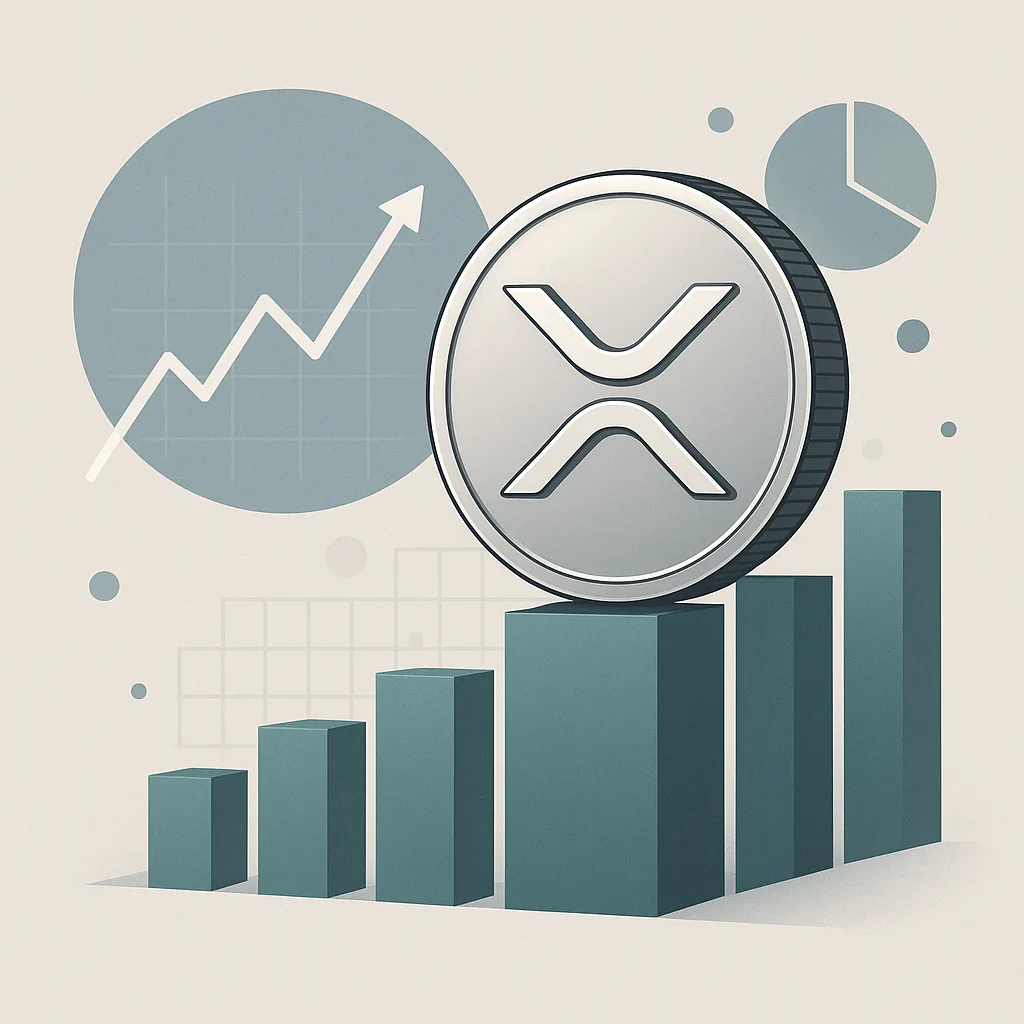
XRP, the native digital asset of the Ripple network, has emerged as a pivotal player in the ever-evolving landscape of cryptocurrency. Launched in 2012, XRP was designed to facilitate fast and cost-effective cross-border transactions, positioning itself as a viable alternative to traditional banking systems. While many cryptocurrencies focus on decentralization and privacy, XRP has taken a unique approach by aligning itself with financial institutions and payment providers, aiming to streamline international money transfers and enhance liquidity.
The significance of XRP in the crypto market cannot be overstated. As one of the top cryptocurrencies by market capitalization, XRP has consistently demonstrated its potential to disrupt conventional financial practices. Its ability to settle transactions in mere seconds, coupled with minimal transaction fees, presents a compelling case for banks and payment processors to adopt this technology. Moreover, the Ripple network, which utilizes XRP to facilitate transactions, has partnered with numerous financial institutions worldwide, further solidifying its role as a bridge between fiat and digital currencies.
Despite its success, XRP has also faced challenges, particularly concerning regulatory scrutiny. The ongoing legal battle between Ripple Labs and the U.S. Securities and Exchange Commission (SEC) has raised important questions about the classification of XRP as a security. This uncertainty has led to volatility in XRP's price and has prompted discussions about the broader implications for the cryptocurrency market. However, many proponents argue that XRP's utility and real-world applications can withstand regulatory pressures, making it a resilient asset in the long term.
In summary, XRP represents a unique intersection of cryptocurrency and traditional finance. Its focus on facilitating efficient and low-cost transactions positions it as a significant player in the crypto market. As the landscape continues to evolve and regulatory frameworks emerge, XRP's adaptability and potential for widespread adoption will be crucial in determining its future impact on the financial ecosystem. Understanding XRP's role and significance provides valuable insights into the broader trends shaping the cryptocurrency market.
Key Features of XRP: Speed, Scalability, and Cost Efficiency
XRP, the native digital asset of the Ripple network, is often lauded for its remarkable speed in processing transactions. Unlike Bitcoin and Ethereum, which can take several minutes to confirm transactions, XRP boasts an impressive processing time of approximately 3 to 5 seconds. This rapid transaction speed is primarily due to its consensus algorithm, which allows for transactions to be verified by a network of independent validators rather than relying on the energy-intensive proof-of-work system. As a result, XRP has positioned itself as an attractive option for financial institutions seeking to enhance their cross-border payment systems. Impact of DeFi on finance.
Scalability is another critical feature that sets XRP apart in the crowded cryptocurrency space. The Ripple network is designed to handle a high volume of transactions simultaneously, with the potential to process over 1,500 transactions per second. This scalability is vital for meeting the demands of global financial systems, where millions of transactions occur daily. The ability to manage such large volumes without compromising speed or efficiency makes XRP a compelling choice for banks and payment providers looking to streamline their operations and reduce bottlenecks in their payment processes.
Cost efficiency is yet another factor that contributes to XRP's growing popularity. Transaction fees on the Ripple network are a fraction of a cent, significantly lower than the fees associated with traditional banking systems and many cryptocurrencies. This low-cost structure is particularly appealing for international remittances, where high fees can erode the value of the transaction for senders and recipients alike. By reducing costs, XRP not only enhances accessibility for users but also encourages greater adoption among businesses looking to leverage blockchain technology for their financial transactions.
In summary, XRP's key features—speed, scalability, and cost efficiency—position it as a transformative asset in the cryptocurrency market. As financial institutions continue to explore innovative solutions for cross-border payments, XRP's unique advantages make it a frontrunner in the quest for a more efficient and accessible global financial system.
The Role of XRP in Cross-Border Transactions
XRP, the digital asset created by Ripple Labs, has emerged as a significant player in the realm of cross-border transactions. Traditional remittance systems often involve lengthy processing times, high fees, and multiple intermediaries, making them inefficient for both consumers and businesses. XRP aims to address these challenges by offering a faster, cheaper, and more scalable solution for transferring value across borders. Role of stablecoins in trading.
One of the core innovations of XRP is its ability to facilitate near-instantaneous transactions. While conventional banking systems can take several days to settle international payments, XRP transactions typically settle in just a few seconds. This rapid processing time is particularly beneficial for businesses that operate on a global scale and require timely payments to maintain their cash flow and operational efficiency. Additionally, the reduced transaction times help mitigate the risks associated with currency fluctuations during the transfer process.
Moreover, XRP's low transaction fees make it an attractive option for financial institutions and individuals alike. Traditional cross-border payments can incur hefty charges due to intermediary banks and currency conversion fees. In contrast, XRP transactions cost a fraction of a cent, allowing users to save significantly on transaction costs. This economical approach not only benefits individual users but also has the potential to disrupt existing financial institutions by providing a more cost-effective alternative for remittances.
Furthermore, XRP's unique consensus mechanism, known as the XRP Ledger, allows for a decentralized and secure transaction process. Unlike Bitcoin and Ethereum, which rely on energy-intensive mining, the XRP Ledger uses a network of trusted validators to confirm transactions. This not only enhances the speed and efficiency of transactions but also contributes to a more environmentally sustainable approach to digital payments. As the demand for efficient cross-border payment solutions continues to grow, XRP's role in this evolving landscape is likely to become increasingly prominent, positioning it as a key player in the future of global finance.
XRP's Position Among Major Cryptocurrencies
XRP has established itself as one of the most significant players in the cryptocurrency market since its inception in 2012. As the native token of the Ripple network, XRP was designed with a clear focus on facilitating fast and cost-effective cross-border transactions. Unlike many cryptocurrencies that aim to serve as a medium of exchange or a store of value, XRP's primary use case revolves around enhancing the efficiency of traditional financial systems. This specialized purpose has enabled XRP to carve out a unique niche within the broader crypto ecosystem, positioning it among the top cryptocurrencies by market capitalization.
As of now, XRP frequently competes with other major cryptocurrencies like Bitcoin (BTC) and Ethereum (ETH) for market dominance. While Bitcoin is often regarded as digital gold and serves primarily as a store of value, Ethereum has pioneered the development of smart contracts and decentralized applications. XRP differentiates itself by focusing on the banking and financial sector, aiming to bridge the gap between fiat currencies and digital assets. This strategic positioning has garnered interest from financial institutions and payment providers, further solidifying XRP's role in the evolving landscape of digital finance. Bitcoin market resilience analysis.
The volatility of the cryptocurrency market means that XRP's market position can fluctuate dramatically. Factors such as regulatory scrutiny, technological advancements, and market sentiment can all influence XRP's price and adoption rate. For example, ongoing legal battles, such as the SEC's lawsuit against Ripple Labs, have had significant implications for XRP's status. The outcome of such legal issues not only affects XRP's price but also shapes the broader perception of cryptocurrencies in the eyes of regulators and investors alike.
Furthermore, XRP's liquidity and transaction speed are often highlighted as key advantages over its competitors. Transactions using XRP can be settled in a matter of seconds, and the network boasts low transaction fees, making it an appealing option for institutions looking to streamline their operations. These attributes have the potential to attract more partnerships and integrations, which could further reinforce XRP's position in the competitive cryptocurrency landscape. As the market continues to evolve, XRP's adaptability and focus on real-world applications will be critical in maintaining its status among the major cryptocurrencies.
Market Trends and Investor Sentiment Surrounding XRP
As the cryptocurrency market continues to evolve, XRP has emerged as a significant player, influencing trends and shaping investor sentiment. The distinct characteristics of XRP, including its fast transaction speeds and low fees, have made it a popular choice among both retail and institutional investors. Since its inception, XRP has sought to facilitate cross-border payments, positioning itself as a viable alternative to traditional banking systems. This utility has driven interest from various sectors, including financial institutions looking to streamline operations and reduce costs associated with international transactions.
The regulatory landscape surrounding XRP has also played a crucial role in shaping market trends. Following the SEC's lawsuit against Ripple Labs, the company behind XRP, investor sentiment has seen considerable fluctuations. Initially, the lawsuit created uncertainty, leading to a decrease in XRP's market value and a cautious approach from investors. However, recent developments have sparked renewed optimism as Ripple has made strides in its legal battle, leading to a resurgence in XRP's price. This volatility reflects the broader sentiment in the cryptocurrency market, where regulatory news can significantly impact investor confidence and trading behavior.
Moreover, social media platforms and online forums have become vital in gauging investor sentiment around XRP. Discussions on platforms like Twitter and Reddit often influence market trends, with communities rallying behind XRP during both bullish and bearish phases. The passionate following of XRP has created a unique community dynamic, with many investors viewing their holdings not just as a financial asset but as part of a larger movement towards financial innovation. This sense of community can amplify price movements, as collective sentiment often drives buying or selling decisions.
In the broader context of the cryptocurrency market, XRP's performance is often compared to other digital assets like Bitcoin and Ethereum. While these cryptocurrencies have established themselves as leaders in terms of market capitalization and adoption, XRP has carved out a distinct niche due to its focus on utility in the financial sector. As investor sentiment evolves, XRP remains a critical asset to watch, with its ability to adapt to regulatory changes and market demands likely to influence its trajectory moving forward.
Regulatory Challenges and Their Impact on XRP's Adoption
The regulatory landscape surrounding cryptocurrencies has evolved significantly over the past few years, and XRP has found itself at the center of some of the most contentious discussions. As one of the leading cryptocurrencies in market capitalization, XRP's classification and regulatory treatment have profound implications for its adoption and usability. The ongoing legal battle between Ripple Labs, the company behind XRP, and the U.S. Securities and Exchange Commission (SEC) has brought attention to the broader issue of how digital assets are categorized under existing securities laws.
One of the primary challenges XRP faces is the SEC's assertion that it is a security rather than a currency. This classification would subject XRP to stringent regulations typically reserved for securities, limiting its potential use cases and adoption among financial institutions and retail investors. The uncertainty surrounding XRP's status has led to a chilling effect on its trading volumes in some markets, as exchanges weigh the risks of listing an asset that may be deemed non-compliant with regulatory standards. As regulatory clarity remains elusive, many potential users and investors are hesitant to adopt XRP, fearing future repercussions if the asset is ultimately classified unfavorably.
Moreover, the regulatory challenges extend beyond the United States. Other countries are also grappling with how to classify XRP, with some jurisdictions taking a more favorable view while others remain cautious. This inconsistency creates a fragmented market environment, complicating Ripple's efforts to expand its service offerings globally. For instance, countries that embrace a more progressive regulatory framework may encourage the adoption of XRP for cross-border payments, while those that impose strict regulations may deter its use, thus impacting Ripple’s overall strategy and growth potential.
As Ripple continues to navigate these regulatory hurdles, its ability to foster relationships with regulatory bodies will be crucial. Building a compliant framework that aligns with existing laws while advocating for the interests of the crypto community may pave the way for broader acceptance of XRP. Ultimately, the resolution of these regulatory challenges will play a significant role in determining not only XRP's future but also the path of cryptocurrency adoption as a whole. ENS price.
Future Prospects: What Lies Ahead for XRP and Its Community
As the cryptocurrency landscape continues to evolve, the future of XRP remains a topic of significant interest among investors, analysts, and enthusiasts alike. With the ongoing developments in regulatory frameworks and the increasing acceptance of blockchain technology, XRP stands at a pivotal juncture. The outcome of its legal battles, particularly with the U.S. Securities and Exchange Commission (SEC), will undoubtedly have profound implications not only for XRP but for the broader crypto market as well. A favorable resolution could enhance investor confidence and pave the way for XRP to regain its position as a leading digital asset.
Looking ahead, XRP's utility as a bridge currency in cross-border transactions could play a crucial role in its adoption. Financial institutions are increasingly exploring blockchain solutions to streamline their operations, reduce costs, and enhance transaction speeds. As Ripple Labs continues to forge partnerships with banks and payment providers worldwide, the demand for XRP as a liquidity tool may rise. This potential for widespread adoption could significantly contribute to the token's value and influence in the market.
Community engagement will also be vital for XRP's future. The XRP community has shown resilience and dedication, supporting the token through various challenges. Initiatives aimed at educating users about XRP's benefits, as well as fostering a sense of community, will be essential in driving adoption. As more individuals become aware of the advantages of using XRP for remittances and other financial transactions, the grassroots support could bolster its position in the market.
Moreover, the broader acceptance of cryptocurrencies as a legitimate asset class will likely impact XRP's trajectory. The increasing institutional interest in digital assets, combined with advancements in regulatory clarity, could create a more favorable environment for XRP and similar cryptocurrencies. In this context, XRP's ability to adapt to market changes and its commitment to fostering innovation will be crucial as it navigates the complexities of the ever-changing crypto landscape. As we look to the future, it is clear that XRP has the potential to play a significant role in shaping the financial systems of tomorrow, provided it can overcome its current hurdles and capitalize on the opportunities that lie ahead. Markets.
Conclusion: The Broader Implications of XRP on the Financial System
As we reflect on the evolving role of XRP within the cryptocurrency ecosystem, it becomes evident that its implications extend far beyond mere digital currency transactions. XRP, designed to facilitate cross-border payments with unprecedented speed and minimal fees, represents a significant shift in how financial institutions could operate in the future. By leveraging blockchain technology, XRP not only enhances transaction efficiency but also provides a viable alternative to traditional banking systems that often struggle with delays and high costs.
The adoption of XRP by banks and payment service providers could lead to a paradigm shift in the global financial landscape. Traditional financial systems are often plagued by inefficiencies, particularly when it comes to international transactions. With XRP, these institutions can streamline their operations, reducing the reliance on outdated infrastructure and improving the overall customer experience. This shift could signal a broader acceptance of blockchain technology in mainstream finance, driving innovation and competition among financial service providers.
Furthermore, the regulatory environment surrounding XRP is also shaping the conversation about cryptocurrencies in general. As authorities around the world grapple with the challenges posed by digital assets, the outcomes of legal battles, such as those involving Ripple Labs, could set precedents that affect the entire industry. If XRP is recognized as a legitimate asset rather than a security, this could pave the way for clearer regulations, fostering a more favorable environment for other cryptocurrencies and blockchain projects. This, in turn, could stimulate investment and adoption, further integrating digital assets into the global economy.
Ultimately, XRP's influence on the financial system highlights the potential for cryptocurrencies to foster greater financial inclusion. With the ability to facilitate transactions across borders at a fraction of the cost and time of traditional methods, XRP has the potential to empower unbanked populations and small businesses in developing regions. By democratizing access to financial services, XRP may play a crucial role in reshaping the future of finance, promoting a more equitable and accessible global economy.