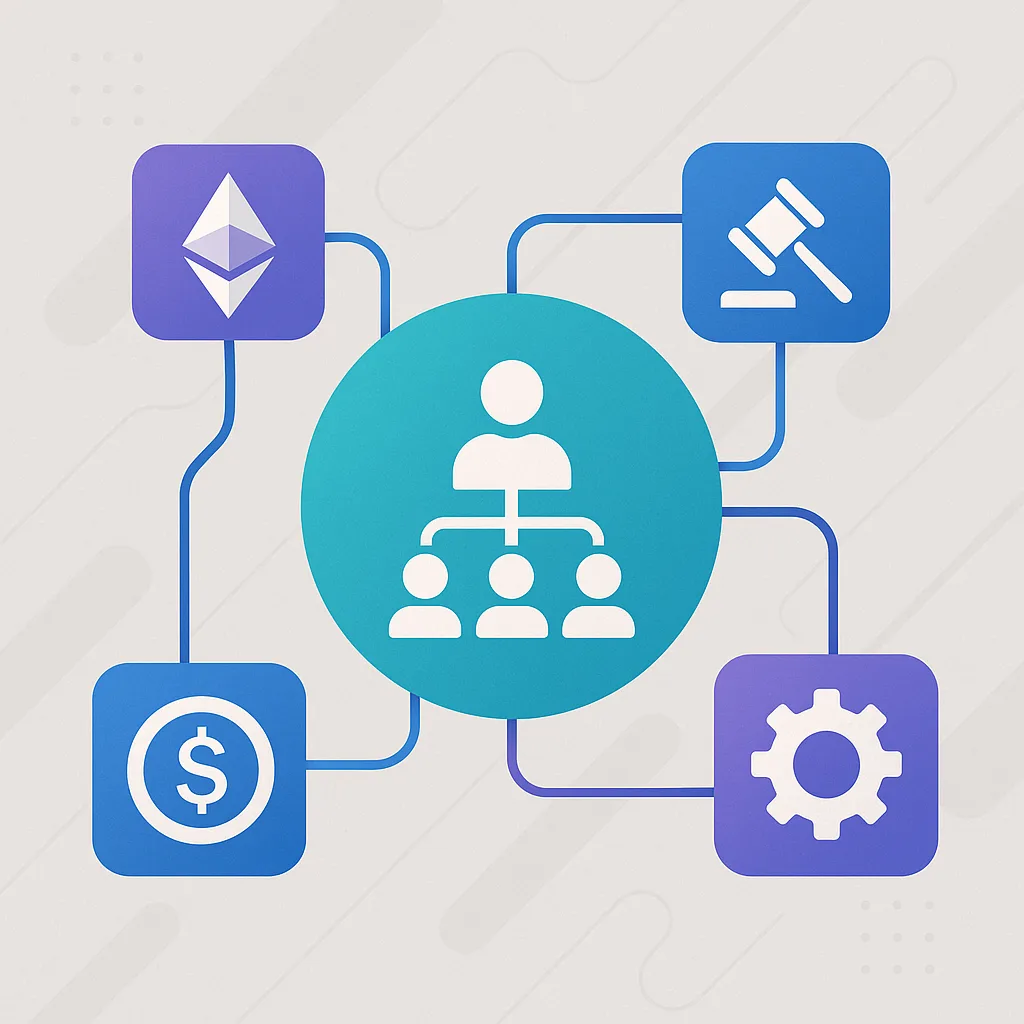
Introduction to DeFi Insurance
Decentralized Finance (DeFi) has revolutionized the traditional financial landscape, providing innovative solutions for lending, borrowing, and trading. However, as with any burgeoning sector, it brings along its own set of risks. This is where DeFi insurance comes into play—offering a safety net for users who participate in various DeFi protocols. Unlike conventional insurance, which often relies on intermediaries and complex underwriting processes, DeFi insurance leverages blockchain technology to create a more transparent, efficient, and user-driven insurance model.
The primary aim of DeFi insurance is to protect users against smart contract failures, hacks, and unforeseen events that can lead to significant financial losses. With the rise of yield farming, liquidity pools, and other DeFi activities, the need for risk management solutions has never been more pressing. DeFi insurance protocols offer coverage for a range of scenarios—from protecting users' funds in liquidity pools to safeguarding against failed transactions, effectively addressing the vulnerabilities inherent in decentralized applications.
One of the most significant innovations in the DeFi insurance space is the use of decentralized oracles to provide real-time data for claims assessment. Traditional insurance often relies on centralized entities to verify claims, which can introduce delays and biases. In contrast, decentralized oracles can autonomously collect data from multiple sources, ensuring that claims are assessed fairly and efficiently. Additionally, the use of smart contracts automates the claims process, reducing the time it takes for users to receive compensation.
As the DeFi ecosystem continues to expand, so too will the scope and complexity of insurance offerings. From parametric insurance that pays out based on predefined conditions to community-driven models where users collectively share risk, the possibilities are vast. As we delve deeper into the landscape of DeFi insurance innovations, it becomes clear that these solutions not only enhance user confidence but also encourage broader participation in the DeFi space, paving the way for a more resilient financial future.
Understanding the Need for Insurance in DeFi
The decentralized finance (DeFi) ecosystem has grown exponentially over the past few years, attracting a diverse range of participants, including retail investors, institutional players, and developers. However, with this rapid growth comes an inherent level of risk, primarily due to the nascent and often experimental nature of the underlying technologies. The absence of traditional financial safeguards raises the question: why is insurance particularly important in the DeFi space? Common vulnerabilities in DeFi insurance.
One of the primary reasons for the necessity of insurance in DeFi is the prevalence of smart contract vulnerabilities. As protocols become more complex and handle larger volumes of assets, the likelihood of bugs, exploits, or unforeseen behaviors increases. In 2021 alone, billions of dollars were lost due to hacks and exploits targeting smart contracts across various DeFi platforms. These incidents not only lead to financial losses for investors but also erode trust in the DeFi ecosystem as a whole. Insurance can provide a safety net, allowing users to mitigate their risks and encouraging broader participation in DeFi activities.
Furthermore, regulatory uncertainty plays a significant role in the need for insurance in DeFi. As governments and regulatory bodies around the world grapple with how to classify and oversee DeFi projects, participants are left in a precarious position. The potential for regulatory crackdowns or changes in the legal landscape could impact users’ investments significantly. DeFi insurance products can help shield users from potential regulatory fallout, offering peace of mind as they navigate an evolving landscape.
Lastly, the nature of DeFi itself—characterized by its decentralized, permissionless, and pseudonymous features—presents unique challenges that traditional insurance models may not adequately address. Many current insurance solutions are designed for centralized financial systems, yet the DeFi landscape requires innovative approaches that can handle its distinctive risks. This has led to the emergence of new insurance protocols specifically tailored for DeFi, which can offer greater flexibility and resilience in the face of evolving threats. As the DeFi ecosystem continues to mature, the role of insurance will become increasingly vital in fostering a secure and robust environment for all participants.
Key Players and Protocols in DeFi Insurance
As the decentralized finance (DeFi) ecosystem continues to expand, numerous players have emerged in the realm of insurance innovations. These protocols aim to provide coverage against various risks associated with DeFi, including smart contract failures, hacks, and market volatility. While the landscape is expanding, a few key players have established themselves as leaders in this niche market.
One of the most notable protocols is Nexus Mutual, which leverages a community-driven approach to provide coverage for smart contract failures. By utilizing a mutual insurance model, Nexus Mutual allows members to pool their funds and underwrite coverage collectively. This decentralized structure not only promotes transparency but also engenders trust among users, which is crucial in an environment often fraught with uncertainty. Policyholders can claim compensation in the event of a loss, and the governance model enables members to vote on essential decisions, including claims assessments and protocol upgrades. Innovations in liquidity pools.
Another significant player is Cover Protocol, which offers a more streamlined insurance solution for DeFi users. It enables users to purchase coverage for specific protocols, ensuring that their investments are protected against potential risks. Cover Protocol uses a unique system where users can create and sell their own insurance policies, effectively acting as underwriters. This innovation not only fosters a competitive marketplace for insurance but also empowers individual users to take control of their risk management strategies.
Furthermore, InsurAce has gained attention by offering a multi-chain insurance solution that covers various DeFi protocols across different blockchains. With a focus on providing comprehensive coverage options, InsurAce aims to mitigate risks associated with DeFi products while ensuring that users have access to affordable insurance solutions. Their approach incorporates risk assessment mechanisms that adapt to the evolving DeFi landscape, making it a flexible choice for users seeking protection against a wide array of potential threats.
In summary, the DeFi insurance landscape is populated by innovative players like Nexus Mutual, Cover Protocol, and InsurAce, each bringing unique solutions to the table. As the DeFi ecosystem matures, these protocols will likely evolve further, adapting to the needs of users and the dynamic nature of decentralized finance.
Innovative Models of Risk Assessment
The decentralized finance (DeFi) ecosystem has given rise to numerous innovations, particularly in the realm of risk assessment. Traditional insurance models rely heavily on historical data, actuarial science, and a centralized authority to evaluate risk. However, in the DeFi space, the approach to risk assessment is being revolutionized by leveraging blockchain technology, smart contracts, and community-driven data analytics. This shift not only enhances transparency but also democratizes the insurance process, allowing participants to actively contribute to the risk assessment framework.
One of the pioneering models in DeFi insurance is the use of decentralized oracles, which provide real-time data feeds for risk evaluation. These oracles aggregate information from various sources, such as price feeds, market sentiment, and even social media trends, to create a comprehensive picture of the risk landscape. By utilizing decentralized oracles, DeFi insurance protocols can quickly adapt to changing market conditions, ensuring that policies remain relevant and accurately reflect the current risk environment. This dynamic approach contrasts sharply with traditional insurance models, which often lag behind real-time developments due to their reliance on outdated data. Impact of MakerDAO on DeFi.
Moreover, the implementation of community-driven risk assessment models has gained traction within the DeFi space. Projects like Nexus Mutual allow users to participate in the underwriting process, where members can assess and vote on the risk of specific smart contracts or platforms. This collective intelligence not only enhances the accuracy of risk evaluations but also fosters a sense of ownership among participants. As the community collaborates to assess risks, it becomes a self-regulating mechanism, where the collective wisdom of the members plays a crucial role in determining the viability of insurance offerings.
In addition to these models, the integration of machine learning and artificial intelligence is poised to further transform risk assessment in the DeFi insurance sector. These technologies can analyze vast amounts of data at unprecedented speeds, identifying patterns and anomalies that human analysts might overlook. By automating the risk assessment process, DeFi insurance protocols can reduce costs, increase efficiency, and ultimately provide more tailored insurance products to users. As the DeFi landscape continues to evolve, the convergence of technology and community engagement will undoubtedly shape the future of risk assessment, creating more resilient and adaptive insurance solutions.
Case Studies: Successful DeFi Insurance Implementations
As decentralized finance (DeFi) continues to evolve, several innovative insurance platforms have emerged, offering unique solutions to the risks associated with blockchain technology. One of the most notable examples is Nexus Mutual, which has been at the forefront of DeFi insurance since its inception. Nexus Mutual operates on a community-driven model that allows users to pool their funds and share risks collaboratively. By leveraging smart contracts, the platform provides coverage against smart contract failures, hacks, and other vulnerabilities inherent in DeFi protocols. This model has not only democratized access to insurance but also fostered a sense of community among users who actively participate in the governance and decision-making processes.
Another significant player in the DeFi insurance space is Cover Protocol. This platform offers a unique approach by allowing users to purchase coverage for specific DeFi protocols and their associated risks. Users can create and customize their own insurance policies tailored to their needs, providing flexibility that traditional insurance models often lack. Cover Protocol's innovative use of liquidity pools means that policyholders can receive payouts directly from the pool in the event of a claim, streamlining the claims process and enhancing user experience. This model has made it easier for DeFi participants to safeguard their investments and engage with various protocols with greater confidence. Trade OKB/USDT.
In addition to Nexus Mutual and Cover Protocol, InsurAce has also made significant strides in the DeFi insurance landscape. With a focus on providing comprehensive coverage for DeFi projects, InsurAce covers a wide array of risks, including smart contract bugs, oracle failures, and protocol vulnerabilities. The platform's commitment to transparency and customer service has earned it a strong reputation within the DeFi community. By offering a user-friendly interface and competitive pricing, InsurAce has attracted numerous clients, from individual investors to large DeFi projects, seeking reliable insurance solutions.
These case studies demonstrate the increasing demand for DeFi insurance and the innovative approaches being taken to meet this need. As the DeFi landscape continues to expand and evolve, the importance of robust insurance solutions will only grow, paving the way for a more secure and resilient financial ecosystem. By analyzing successful implementations like those of Nexus Mutual, Cover Protocol, and InsurAce, it becomes evident that the future of insurance in the DeFi space is not only promising but essential for the maturation of the entire industry.
Challenges and Limitations in DeFi Insurance
While the DeFi insurance sector has made significant strides in providing innovative solutions to safeguard users against various risks, it is not without its challenges and limitations. One of the primary hurdles is the inherent complexity and volatility of the DeFi ecosystem itself. The rapid pace of development and the frequent introduction of new protocols can create a moving target for insurance providers. As projects evolve or become obsolete, the risks associated with insuring them can change dramatically, leading to potential coverage gaps and uncertainty in policy terms.
Another significant challenge lies in the assessment and underwriting of risks. Traditional insurance relies on historical data and predictive models to evaluate risks, but the DeFi space is characterized by its novelty and unpredictability. Many DeFi protocols are experimental, with little to no historical data available to inform risk assessments. This lack of data can result in higher premiums or even the inability to offer coverage for certain projects, leaving users exposed to potential losses without recourse.
The reliance on smart contracts also introduces a layer of complexity in the insurance process. While smart contracts provide transparency and automation, they are not immune to bugs and vulnerabilities. A flaw in the code can lead to significant losses, not only for users but also for the insurance providers. This raises questions about the reliability of smart contracts as a basis for coverage and the responsibility of insurers in cases of contract failure. Furthermore, the decentralized nature of DeFi can complicate the claims process, as determining liability and navigating disputes can be challenging without a centralized authority to mediate. FXS price.
Additionally, regulatory uncertainty poses a considerable challenge for DeFi insurance providers. The absence of clear regulatory frameworks can hinder the growth of the insurance market within the DeFi space, as companies may hesitate to enter or expand without assurance that they are compliant with existing laws. This uncertainty can also affect user confidence, as potential customers may be wary of engaging with insurance products that lack regulatory oversight. As the DeFi insurance landscape continues to evolve, addressing these challenges will be crucial for fostering trust and encouraging broader adoption among users.
The Future of DeFi Insurance: Trends and Predictions
As the decentralized finance (DeFi) ecosystem continues to mature, the insurance sector within this space is poised for significant transformation. The future of DeFi insurance will likely be shaped by several key trends that reflect the evolving needs of users, technological advancements, and the broader adoption of blockchain solutions. One of the most prominent trends is the increased emphasis on risk assessment and management. Traditional insurance relies heavily on underwriters and actuarial science to evaluate risk, but DeFi insurance can leverage smart contracts and on-chain data to create more dynamic and responsive risk models.
Moreover, the rise of parametric insurance products is expected to gain traction within the DeFi landscape. These products automatically trigger payouts based on predefined criteria or events, eliminating the need for lengthy claims processes. As DeFi protocols continue to face various risks, including smart contract vulnerabilities and liquidity issues, parametric insurance can provide users with faster and more reliable coverage, enhancing overall trust in decentralized platforms.
Another trend likely to shape the future of DeFi insurance is the integration of artificial intelligence (AI) and machine learning (ML) technologies. These tools can analyze vast amounts of data in real-time, allowing for more accurate predictions of risk and potentially automating claims processing. By incorporating AI and ML, DeFi insurance providers can refine their offerings, reduce costs, and create more personalized insurance products that cater to the specific needs of their users.
Lastly, as regulatory frameworks around DeFi continue to evolve, insurance providers will need to adapt to maintain compliance while still offering innovative solutions. This could mean developing hybrid models that combine on-chain and off-chain mechanisms, ensuring that users receive the best of both worlds. Ultimately, the future of DeFi insurance will be characterized by a commitment to transparency, efficiency, and user empowerment, paving the way for a more resilient and trustworthy financial ecosystem. Futures trading.
Conclusion: The Role of Insurance in a Robust DeFi Ecosystem
As decentralized finance (DeFi) continues to expand and evolve, the need for protective measures within this innovative ecosystem becomes increasingly critical. With the rapid growth of DeFi protocols, the potential for smart contract vulnerabilities, hacks, and unforeseen market events poses significant risks to investors and users alike. In this context, insurance solutions in the DeFi space serve not only as a safety net for participants but also as a foundational element that can bolster trust and confidence in these emerging financial systems.
The integration of insurance products within DeFi protocols helps to mitigate risks associated with the inherent volatility and complexity of the blockchain environment. By providing coverage against specific risks, decentralized insurance platforms empower users to engage in DeFi activities with a greater sense of security. This enhanced protection can encourage broader participation, fostering an environment where individuals feel more comfortable experimenting with innovative financial instruments and strategies, ultimately driving the growth of the DeFi sector.
Moreover, as the DeFi landscape matures, the development of insurance solutions is likely to catalyze new innovations in risk assessment and management. The use of decentralized oracles for data feeds, for instance, can facilitate real-time monitoring of risks and enable more accurate pricing of insurance premiums. Additionally, the collaboration between DeFi protocols and insurance providers can lead to the creation of tailored products that address specific user needs, further enhancing the appeal of decentralized finance.
In conclusion, as DeFi continues to shape the future of finance, the role of insurance cannot be understated. By providing a mechanism for risk mitigation, insurance solutions not only protect users but also contribute to the overall stability and robustness of the DeFi ecosystem. As we move forward, the synergy between DeFi and insurance will likely evolve, leading to innovative products that will redefine the way we understand risk in the financial landscape. Embracing this evolution will be crucial for the maturity and sustainability of decentralized finance as it seeks to establish itself as a legitimate alternative to traditional financial systems.