Introduction to Tokenomics in DeFi
Tokenomics, a portmanteau of 'token' and 'economics,' is a critical aspect of decentralized finance (DeFi) that focuses on the economic models and incentives behind the issuance and distribution of tokens. Within the DeFi ecosystem, tokenomics plays a vital role in determining how value is created, distributed, and sustained over time. As DeFi continues to gain traction, understanding the intricacies of tokenomics becomes essential for investors, developers, and users alike.
At its core, tokenomics encompasses various elements, including token supply, distribution mechanisms, utility, governance, and economic incentives. These components work together to create a sustainable and thriving ecosystem. For instance, the total supply of a token can influence its scarcity and, consequently, its value. Projects often adopt different strategies, such as capped supply or inflationary models, to manage their tokens' economic dynamics effectively.
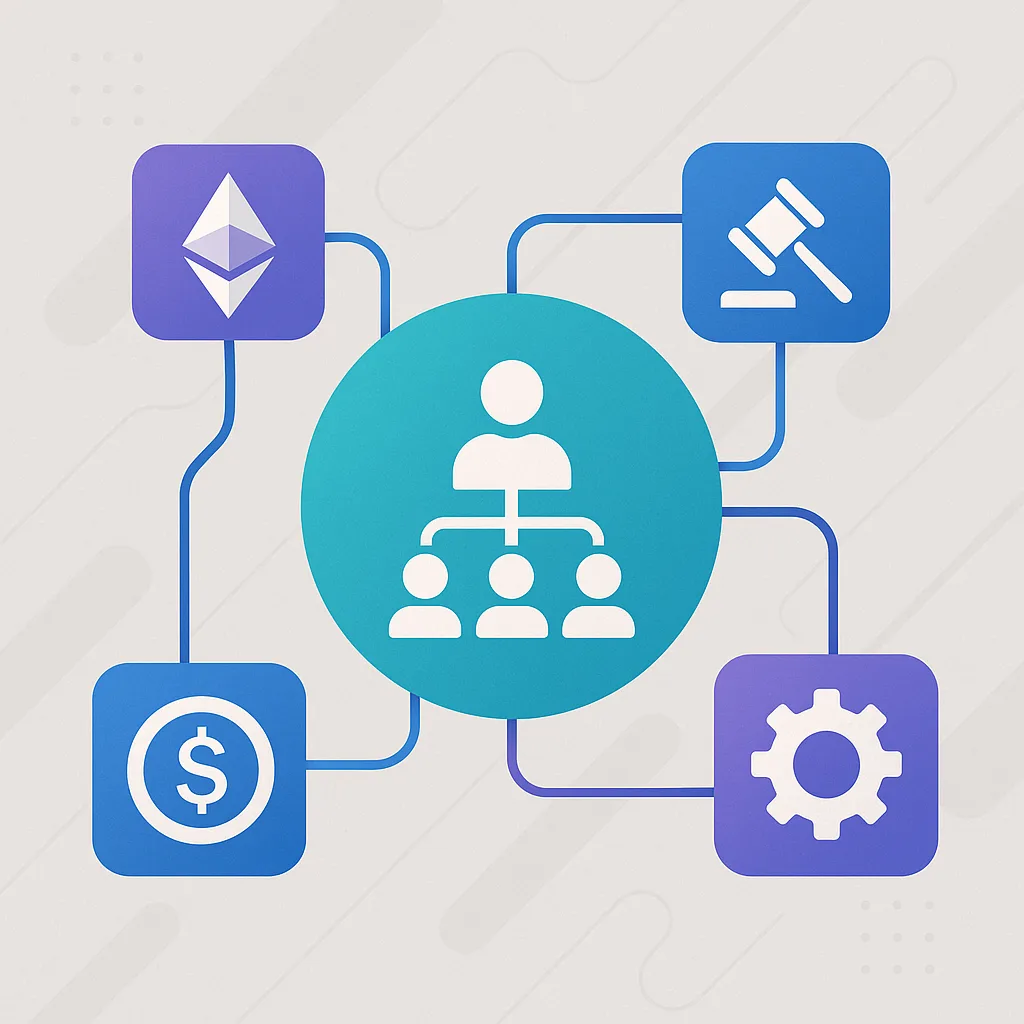
Moreover, the utility of a token within a DeFi protocol can significantly impact its value proposition. Tokens may serve multiple functions, such as facilitating transactions, providing governance rights, or offering access to specific services within a platform. By granting holders the ability to participate in decision-making processes or earn rewards, these tokens create an engaged community that drives the protocol's growth. This interrelationship between token utility and community involvement is a hallmark of successful DeFi projects.
Another crucial aspect of tokenomics in DeFi is the distribution model. How tokens are distributed among early investors, developers, and users can create varying incentives and affect long-term sustainability. Fair distribution mechanisms, such as liquidity mining or staking rewards, can help ensure that a diverse group of participants is involved in the ecosystem. This inclusivity not only fosters a sense of ownership but also promotes network effects, ultimately enhancing the overall value of the project.
Understanding the Role of Tokenomics in Value Creation
Tokenomics, a portmanteau of 'token' and 'economics', serves as the backbone of decentralized finance (DeFi) ecosystems. It encompasses the design, distribution, and utility of tokens within a platform, ultimately influencing user participation and the overall economic model. By aligning incentives for all stakeholders—developers, investors, and users—tokenomics plays a crucial role in driving value creation. The efficiency and effectiveness of tokenomics can determine whether a DeFi project thrives or falters in an increasingly crowded marketplace. Exploring DeFi innovations in finance.
At its core, tokenomics establishes the rules governing how tokens are created, distributed, and utilized. This includes aspects like supply limits, inflation rates, and governance mechanisms. For instance, a fixed supply of tokens can create scarcity, which in turn may drive demand and increase value. In contrast, inflationary models can incentivize participation by rewarding users for holding or staking their tokens. The choice of economic model often reflects the goals of the project and its intended user base, making it imperative for developers to carefully consider their tokenomics strategy.
Moreover, the utility of tokens significantly impacts their value proposition. In many DeFi platforms, tokens serve multiple functions, such as governance, staking, and providing liquidity. Governance tokens empower holders to vote on critical decisions affecting the protocol, fostering a sense of ownership among users. Staking mechanisms can lock up tokens in exchange for rewards, thereby reducing circulating supply and potentially increasing value over time. Liquid tokens, on the other hand, enhance market efficiency by enabling seamless trading and liquidity provision. Each of these uses contributes to a holistic ecosystem in which users feel motivated to engage, thereby enhancing overall value.
In summary, understanding the intricacies of tokenomics is vital for anyone involved in the DeFi space. As innovations continue to emerge, the landscape of tokenomics will evolve, challenging existing paradigms and offering new avenues for value creation. For projects to succeed, they must not only develop robust technological solutions but also implement thoughtful tokenomics that align with user interests and broader market dynamics. By doing so, they can unlock the full potential of decentralized finance and drive sustained growth.
Innovative Token Models: Utility vs. Governance Tokens
In the rapidly evolving landscape of decentralized finance (DeFi), token models have become crucial in driving value creation and user engagement. Two of the most prominent types of tokens in this ecosystem are utility tokens and governance tokens, each serving distinct purposes and appealing to different segments of the DeFi community. Understanding the differences and innovations within these token models is essential for both developers and investors alike. Understanding yield farming strategies.
Utility tokens are primarily designed to provide users with access to a specific product or service within a decentralized application (dApp). These tokens often function as a medium of exchange within their ecosystems, enabling users to pay for transaction fees, access premium features, or utilize various functionalities of the platform. Innovative utility token models have emerged, integrating mechanisms such as staking or burning, which not only enhance their utility but also create a deflationary effect that can drive value appreciation over time. For instance, some projects have implemented token buyback programs, where a portion of the platform's revenue is used to purchase tokens from the market, effectively reducing supply and potentially increasing demand.
On the other hand, governance tokens have gained significant traction as they empower users to have a say in the decision-making processes of decentralized protocols. By holding governance tokens, users can vote on key issues such as protocol upgrades, fee structures, or changes in tokenomics. This model fosters a sense of community ownership and incentivizes participants to engage with the platform actively. Recent innovations in governance token models include quadratic voting and time-weighted voting, which aim to create a more equitable decision-making process and mitigate the influence of large token holders. These mechanisms not only enhance democratic participation but also ensure that the interests of smaller stakeholders are represented.
The interplay between utility and governance tokens is becoming increasingly important as DeFi protocols strive to create a balanced ecosystem. Some projects are even combining both token types into a single framework, allowing users to experience the benefits of both utility and governance within their interactions. As the DeFi space continues to grow, the evolution of these token models will play a pivotal role in shaping the future of decentralized finance, driving value creation, and fostering robust community engagement.
Case Studies: Successful Tokenomics in DeFi Projects
Tokenomics, the blend of token and economics, plays a pivotal role in the success of DeFi projects. It not only underpins the value of cryptocurrencies but also incentivizes user engagement and fosters community growth. To understand the practical implications of effective tokenomics, we can look at a few successful DeFi projects that have employed innovative strategies to drive value creation.
One notable example is Uniswap, a decentralized exchange that has revolutionized the way users trade cryptocurrencies. Uniswap’s tokenomics model revolves around its governance token, UNI, which allows users to participate in the decision-making process regarding the platform’s future. By rewarding liquidity providers with UNI tokens, Uniswap incentivizes them to contribute to the liquidity pools, thereby enhancing trading efficiency and reducing slippage. This model not only aligns the interests of users with the platform’s success but also creates a self-sustaining ecosystem where active participation is rewarded, driving further engagement. The evolution of DeFi protocols.
Another exemplary case is Aave, a decentralized lending platform that has introduced innovative features such as flash loans and credit delegation. Aave’s tokenomics is centered on its AAVE token, which serves multiple purposes, including governance, staking, and incentivizing liquidity. By allowing users to stake AAVE tokens to earn rewards and participate in governance discussions, Aave fosters a community-driven approach that enhances user loyalty and trust. The introduction of safety modules, which provide insurance against potential shortfalls, further strengthens the tokenomics by ensuring that users feel secure in their investments.
Lastly, Yearn.finance stands out with its unique yield optimization strategies. The project employs a vault system where users can deposit assets into various yield-generating strategies, and in return, they receive YFI tokens. The YFI token holders have significant governance rights, allowing them to influence the direction of the project. This model not only creates a compelling value proposition for users but also ensures that the project evolves based on the community’s needs and preferences. The innovative use of tokenomics has positioned Yearn.finance as a leader in the DeFi space, demonstrating how a well-structured economic model can drive user engagement and project sustainability.
Challenges in Implementing Effective Tokenomics
While the potential for tokenomics in the decentralized finance (DeFi) landscape is immense, several challenges hinder its effective implementation. One of the primary issues is the lack of standardization across different DeFi projects. Each project may have its own unique token model, governance structure, and incentive mechanisms, leading to confusion among users and investors. This fragmentation can make it difficult for participants to understand the value proposition of a particular token, often resulting in misaligned incentives or unintended consequences.
Another significant challenge is ensuring long-term sustainability and value creation for token holders. Many DeFi projects have launched with a focus on short-term gains, often prioritizing high yields or rewards to attract users. However, without a well-defined roadmap and sustainable economic model, these projects may struggle to maintain interest and utility over time. A lack of transparency around token supply, distribution, and utility can lead to skepticism and a loss of trust among community members, ultimately affecting the project’s success.
Moreover, security is a critical concern in DeFi tokenomics. The rapid innovation in the space has resulted in numerous vulnerabilities, exploits, and hacks. Projects that fail to implement robust security measures risk not only their own funds but also the trust of their users. The complexity of smart contracts and token interactions can lead to unforeseen issues, making it essential for developers to prioritize security and conduct thorough audits. A single exploit can severely impact a token's value, leading to a loss of confidence in the entire DeFi ecosystem. Trade OP/USDT.
Lastly, regulatory uncertainty poses another layer of complexity for tokenomics in DeFi. As governments and regulatory bodies continue to assess the implications of cryptocurrencies and decentralized finance, projects must navigate an evolving landscape of compliance requirements. This uncertainty can hinder innovation and deter potential investors, as projects may be hesitant to launch or scale without clear guidelines. Balancing innovation with regulatory compliance will be crucial for the future of tokenomics in DeFi, as it strives to create a sustainable and equitable financial ecosystem.
Future Trends: Evolving Tokenomics in the DeFi Space
The DeFi landscape is rapidly evolving, and as it matures, so too does the tokenomics that underpins these decentralized financial systems. One of the most significant trends is the shift towards more sustainable and equitable token models. Early DeFi projects often relied on inflationary tokenomics, where new tokens were continuously minted to incentivize liquidity and participation. However, this has led to concerns over the long-term viability of such models, as excessive inflation can erode value for existing token holders. In response, we are witnessing an increasing number of projects exploring deflationary mechanisms, buybacks, and burn strategies to enhance token scarcity and maintain value over time.
Moreover, the integration of governance tokens is becoming a vital aspect of DeFi tokenomics. These tokens empower users to have a voice in the development and direction of the protocols they are participating in. As community governance becomes a focal point, projects are experimenting with hybrid governance models that merge on-chain and off-chain decision-making processes, allowing for more nuanced and effective governance structures. This shift not only enhances user engagement but also fosters a sense of ownership among community members, which is essential for the long-term success of any DeFi project.
Another trend shaping the future of tokenomics is the incorporation of multi-chain ecosystems. As the DeFi space expands beyond Ethereum, new opportunities arise for cross-chain interactions and liquidity provision. This multi-chain approach necessitates innovative token models that can seamlessly operate across various platforms, enabling users to leverage the benefits of different blockchain technologies. Such interoperability will likely lead to the emergence of wrapped tokens and bridging solutions, allowing for greater flexibility and utility of assets across the DeFi landscape.
Finally, the rise of decentralized autonomous organizations (DAOs) is set to redefine tokenomics further. DAOs not only offer a new governance model but also create opportunities for shared ownership and revenue distribution among token holders. Through innovative reward structures and profit-sharing mechanisms, DAOs can align the interests of users, developers, and investors, paving the way for a more collaborative and decentralized financial ecosystem. As these trends evolve, they will play a crucial role in shaping the future of tokenomics in the DeFi space, driving value creation and fostering sustainable growth. AIOT price.
The Role of Community in Shaping Token Value
In the decentralized finance (DeFi) landscape, the community is not just a passive observer; it is an active participant in shaping the value of tokens. Unlike traditional finance, where value is often dictated by market forces and institutional actors, DeFi empowers users to have a say in the governance and direction of projects. This participatory model creates a sense of ownership that can significantly impact token valuation and sustainability.
The community's involvement often manifests through governance tokens, which grant holders the power to vote on key decisions affecting the ecosystem. From protocol upgrades to treasury management, these tokens enable users to influence the trajectory of the project, thereby instilling a sense of responsibility and commitment. When community members are engaged and motivated, they are more likely to hold their tokens long-term, reducing sell pressure and enhancing value stability. This dynamic creates a virtuous cycle where community participation drives token value, which in turn fosters even greater involvement.
Moreover, social dynamics play a crucial role in community-driven value creation. As projects gain traction, the buzz generated within communities can lead to increased awareness and interest from potential investors. This organic marketing is often more effective than traditional advertising, as people are more likely to trust recommendations from peers. As a result, a vibrant community can lead to a surge in demand for tokens, pushing their value higher. The psychological factors at play, such as fear of missing out (FOMO) and social proof, can turn a strong community into a powerful catalyst for value appreciation.
However, it is essential to recognize that a community can also have a negative impact on token value if not managed properly. Infighting, lack of direction, or dissatisfaction with governance can lead to a loss of confidence among holders. Therefore, fostering a healthy community culture, one that encourages open dialogue and constructive feedback, is paramount. Projects that prioritize community engagement, transparency, and education are more likely to cultivate a loyal base that supports the token's long-term value. In conclusion, the community is a foundational pillar in the DeFi ecosystem, with its ability to influence token value underscoring the importance of active participation and collaboration in decentralized finance. Futures trading.
Conclusion: The Path Forward for Tokenomics in DeFi
As we navigate the rapidly evolving landscape of decentralized finance (DeFi), the role of tokenomics cannot be overstated. It serves as the backbone of many innovative projects, driving not only the economic incentives but also the governance structures that allow these ecosystems to thrive. The future of tokenomics will hinge on its ability to balance the interests of various stakeholders, including investors, developers, and end-users, while fostering a sustainable growth model. By integrating robust economic principles with creative incentives, the DeFi sector can unlock unprecedented value creation.
In the coming years, we can expect to see more projects experimenting with hybrid models that combine the best elements of traditional finance with the decentralized ethos of blockchain technology. For instance, the emergence of social tokens and community-driven governance models are paving new avenues for engagement and value distribution. These innovations not only enhance user loyalty but also democratize the decision-making process, allowing participants to have a say in the future direction of their chosen protocols. This participatory approach aligns incentives and can lead to more resilient ecosystems.
Moreover, the importance of regulatory clarity cannot be overlooked. As DeFi continues to capture the attention of regulators worldwide, projects that prioritize compliance and transparency in their tokenomics will likely stand out. By designing token models that not only meet regulatory requirements but also enhance user trust, DeFi projects can foster broader adoption. The challenge will be to innovate while adhering to frameworks that promote safety and accountability without stifling creativity.
Ultimately, the future of tokenomics in DeFi is a tapestry of innovation, user engagement, and regulatory alignment. As we move forward, the projects that will succeed are those that can adapt to a changing landscape while remaining true to the core principles of decentralization and community empowerment. As the DeFi space matures, it will be exciting to see how these developments shape the economic paradigms of the future, creating new opportunities and redefining value in the digital age.