Introduction to Layer 2 Solutions
In the rapidly evolving world of blockchain technology, scalability has emerged as one of the most pressing challenges. As the number of users and transactions increases, many blockchain networks struggle to maintain speed and efficiency. This is where Layer 2 solutions come into play. They are designed to enhance the scalability of existing blockchain networks, allowing for greater transaction throughput and improved user experience without compromising the security or decentralization that is foundational to blockchain technology.
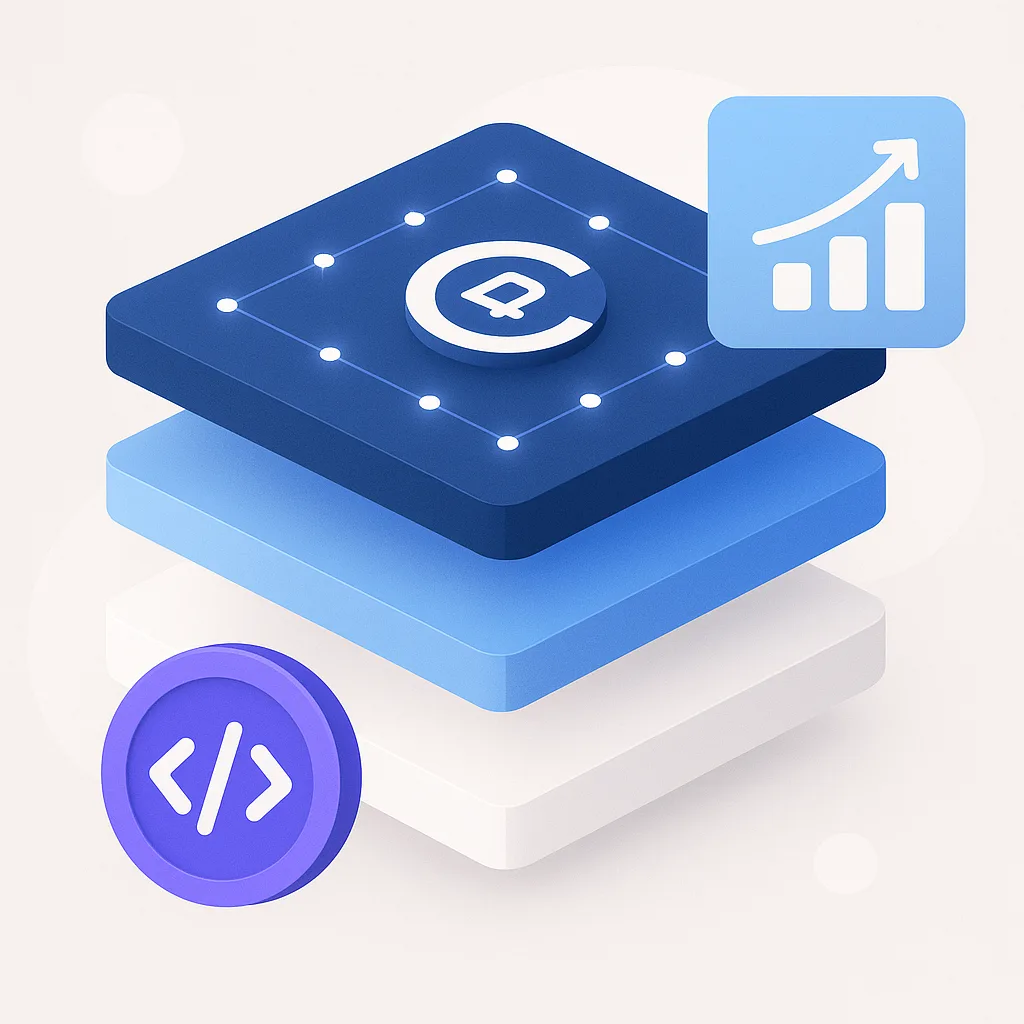
Layer 2 solutions operate on top of a base blockchain (Layer 1), effectively creating a secondary framework that can handle transactions more efficiently. By offloading some of the transaction processing from the main blockchain, these solutions alleviate congestion and reduce transaction costs. This is particularly important for networks like Ethereum, which has faced significant scalability issues due to its popularity and the increasing demand for decentralized applications (dApps) and smart contracts.
There are several types of Layer 2 solutions, each employing different mechanisms to achieve scalability. Among the most notable are state channels, sidechains, and rollups. State channels allow participants to conduct multiple transactions off-chain, only settling the final outcome on the main blockchain, while sidechains operate as separate blockchains that run in parallel to the main chain, allowing for different consensus mechanisms and features. Rollups, on the other hand, bundle multiple transactions into a single one, reducing the load on the main blockchain and allowing for faster processing times.
The importance of Layer 2 solutions cannot be overstated. As the demand for blockchain applications continues to grow, and as more users enter the ecosystem, the need for scalable solutions becomes critical. Layer 2 technologies not only enhance transaction speeds but also make blockchain networks more accessible to a broader audience by reducing costs and improving usability. By addressing the limitations of Layer 1 blockchains, Layer 2 solutions are paving the way for the future of decentralized finance, gaming, and various other applications, ultimately driving the adoption of blockchain technology as a whole.
The Need for Scalability in Blockchain Networks
As the adoption of blockchain technology continues to grow, the demand for scalable solutions has become increasingly critical. Scalability refers to the capability of a blockchain network to handle an increasing amount of transactions efficiently, without compromising speed or security. The original blockchain protocols, such as Bitcoin and Ethereum, were designed primarily for security and decentralization, but they face significant challenges when it comes to processing a large volume of transactions simultaneously. Ethereum and smart contracts overview.
In the early days of blockchain, transaction volumes were relatively low, and networks could handle the demand without much difficulty. However, as more users and applications have flocked to these platforms, the limitations of the underlying technology have become apparent. For instance, during periods of high demand, transaction fees can skyrocket, and confirmation times can increase dramatically. This not only affects user experience but can also hinder the mainstream adoption of cryptocurrencies and decentralized applications (dApps).
The need for scalability is not just about speed or cost; it also encompasses the overall user experience and the potential for innovation in the blockchain space. Developers are keen to create more complex applications that require rapid transaction processing, such as decentralized finance (DeFi) platforms and non-fungible tokens (NFTs). Without scalable solutions, these applications could become impractical or too expensive to use, stifling innovation and growth within the ecosystem.
Moreover, scalability issues can lead to increased centralization, which is counterproductive to the core principles of blockchain technology. As transaction fees rise due to congestion, smaller users may find it challenging to participate in the network, potentially leading to a concentration of power among larger players who can afford to pay higher fees. Therefore, addressing scalability is not only essential for the smooth operation of blockchain networks but also for preserving their decentralized nature and ensuring equitable access for all participants.
How Layer 2 Solutions Work: An Overview
Layer 2 solutions are designed to improve the scalability of blockchain networks by operating on top of the existing Layer 1 blockchains. While Layer 1 is responsible for the foundational aspects of the blockchain, such as consensus and security, Layer 2 solutions take on the task of increasing transaction throughput and reducing fees. They achieve this by handling transactions off the main blockchain (Layer 1), which helps alleviate congestion and enhances overall performance.
One of the most common types of Layer 2 solutions is known as state channels. State channels allow participants to conduct off-chain transactions privately and only settle the final result on the main blockchain. This not only speeds up transactions but also significantly reduces the costs associated with each transaction, as only the initial and final states are recorded on the Layer 1 blockchain. State channels are particularly beneficial for applications that require frequent interactions, such as gaming or micropayments, where traditional on-chain transactions would be prohibitively expensive and slow. Decentralized oracles in DeFi.
Another popular Layer 2 solution is the use of sidechains. Sidechains operate parallel to the main blockchain and have their own consensus mechanisms, allowing for experimentation and flexibility without compromising the security of the main chain. Users can transfer assets between the main blockchain and sidechain, providing an efficient way to manage high-volume transactions. This can be particularly advantageous for applications needing specific functionalities that may not be available or feasible on the main blockchain.
Additionally, rollups are increasingly gaining traction as a Layer 2 solution. Rollups bundle multiple transactions into a single one, significantly reducing the amount of data recorded on the main blockchain. There are two primary types of rollups: zk-rollups and optimistic rollups. Zk-rollups utilize cryptographic proofs to validate transactions off-chain, while optimistic rollups assume transactions are valid by default and only challenge them if fraud is suspected. Both methods aim to enhance scalability while maintaining security and decentralization, making them a crucial part of the evolving landscape of blockchain technology.
Popular Layer 2 Solutions: A Comparative Analysis
As the demand for blockchain technology continues to rise, so does the need for efficient scalability solutions. Layer 2 solutions have emerged as a crucial component in addressing the limitations of Layer 1 blockchains, particularly those that experience high transaction volumes. In this section, we will explore some of the most popular Layer 2 solutions, comparing their features, benefits, and potential drawbacks.
One of the most widely recognized Layer 2 solutions is the Lightning Network, which is primarily designed for Bitcoin. The Lightning Network facilitates instantaneous transactions by creating off-chain payment channels between users. This approach allows for microtransactions that are not only faster but also cheaper, as they bypass the main blockchain’s congestion. However, while the Lightning Network excels in speed, it requires users to maintain a certain level of liquidity in their channels, which can complicate the user experience and limit its appeal for larger transactions.
In contrast, Ethereum’s rollups, which include Optimistic Rollups and ZK-Rollups, have become prominent Layer 2 solutions for the Ethereum ecosystem. Optimistic Rollups work by assuming transactions are valid by default, only conducting fraud proofs in the event of a dispute, thus significantly increasing throughput while maintaining security. On the other hand, ZK-Rollups utilize zero-knowledge proofs to validate transactions, allowing for a high degree of scalability and privacy. While both rollup types enhance Ethereum’s capabilities, they also face challenges, such as the complexity of integration and the need for developers to adapt to new programming paradigms. Understanding blockchain technology basics.
Another notable solution is Polygon, which has gained traction as a multi-chain scaling framework for Ethereum. Polygon offers a variety of scaling methods, including sidechains and various Layer 2 technologies, allowing developers to choose the best fit for their specific needs. Its flexibility and extensive ecosystem support make it an attractive option for projects looking to scale efficiently. However, the reliance on a network of validators can introduce centralization concerns, which is a critical factor for projects prioritizing decentralization.
Ultimately, the choice of a Layer 2 solution depends on the specific requirements of the project and its user base. Factors such as transaction speed, cost, ease of use, and security should all be considered when evaluating the most suitable Layer 2 technology. As the blockchain landscape continues to evolve, understanding these solutions will be essential for developers and users alike, ensuring they can make informed decisions that align with their goals.
Benefits of Implementing Layer 2 Technologies
Layer 2 solutions are designed to address the scalability challenges that many blockchain networks face, particularly in terms of transaction throughput and speed. One of the most significant benefits of implementing these technologies is the drastic improvement in transaction speed. By processing transactions off the main blockchain, Layer 2 solutions can significantly reduce the time it takes for transactions to be confirmed. This is essential for applications that require real-time interactions, such as gaming and decentralized finance (DeFi), where delays can lead to poor user experiences and lost opportunities.
Another compelling advantage of Layer 2 solutions is their ability to lower transaction costs. On-chain transactions can be expensive, particularly during peak usage times when network congestion drives fees up. Layer 2 technologies operate by bundling multiple transactions together and posting them on the main chain as a single transaction. This not only reduces the overall number of transactions that need to be processed but also spreads the cost across many users, resulting in lower fees for individual transactions. This cost efficiency can make blockchain technology more accessible to a broader audience, encouraging more users to engage with crypto networks. Trade WLD/USDT.
Moreover, Layer 2 solutions can enhance the overall user experience by providing increased flexibility and interoperability. Many Layer 2 platforms allow for seamless integration with various applications, giving users the ability to interact with different dApps without the limitations posed by the main chain. This interoperability can foster innovation as developers create new solutions that leverage the strengths of multiple platforms. Furthermore, the ability to transact quickly and cost-effectively can lead to increased adoption of cryptocurrencies and decentralized applications, thereby driving the entire ecosystem forward.
Lastly, Layer 2 solutions contribute to the sustainability of blockchain networks by alleviating the burden on the main chain. As more users and applications migrate to Layer 2, the main chain can focus on ensuring security and decentralization, while Layer 2 handles the scalability issues. This division of labor not only enhances the performance of blockchain networks but also supports their long-term viability in a rapidly evolving digital landscape. In summary, the implementation of Layer 2 technologies brings forth a multitude of benefits that can transform the crypto space, making it more efficient, cost-effective, and user-friendly.
Challenges and Limitations of Layer 2 Solutions
While Layer 2 solutions present a promising avenue to enhance the scalability of blockchain networks, they are not without their challenges and limitations. One of the primary concerns is the complexity involved in their implementation. Layer 2 solutions often require additional infrastructure and protocols, making them more complicated than traditional Layer 1 solutions. This complexity can lead to potential security vulnerabilities, as developers must ensure that the underlying mechanisms are robust enough to withstand attacks. Furthermore, the integration of these solutions with existing Layer 1 protocols may not always be seamless, creating friction for users and developers who might be hesitant to adopt new technologies.
Another significant challenge is the trade-off between decentralization and performance. Many Layer 2 solutions, such as state channels and sidechains, may sacrifice a degree of decentralization to achieve higher transaction throughput. This could lead to concerns about the concentration of power among a small number of validators or operators, undermining the very ethos of blockchain technology. Users who prioritize decentralization may be reluctant to adopt Layer 2 solutions if they perceive them as compromising on this fundamental principle.
Moreover, the interoperability between different Layer 2 solutions remains a hurdle. As the ecosystem of Layer 2 solutions continues to grow, ensuring that various platforms can communicate and interact seamlessly is crucial for widespread adoption. Without standardized protocols or bridges, users may find themselves locked into specific Layer 2 solutions, limiting their ability to transfer assets or data across different platforms. This fragmentation could hinder the overall growth and utility of Layer 2 technologies. DEXE price.
Lastly, while Layer 2 solutions can alleviate congestion on Layer 1 blockchains, they can also introduce new points of failure. For instance, a failure in the Layer 2 network could lead to the loss of funds or data, impacting users who rely on these solutions for transactions. As such, ensuring the reliability and security of Layer 2 infrastructure is paramount. Developers must continuously innovate and address these challenges to unlock the full potential of Layer 2 solutions in the crypto landscape.
The Future of Layer 2 in the Crypto Landscape
As the cryptocurrency ecosystem continues to evolve, Layer 2 solutions are poised to play a pivotal role in shaping the future of blockchain technology. With the increasing adoption of cryptocurrencies and decentralized applications (dApps), the demand for scalable and efficient solutions has never been more pressing. Layer 2 technologies, which operate on top of existing blockchains, offer a promising avenue for addressing the limitations of Layer 1 solutions, particularly in terms of transaction speed and cost.
One of the most significant advantages of Layer 2 solutions is their ability to process transactions off-chain while still leveraging the security of the underlying blockchain. This not only alleviates congestion on the main chain but also reduces transaction fees, making cryptocurrency transactions more accessible to a broader audience. As more users engage with blockchain networks, the efficiency provided by Layer 2 will be crucial in ensuring a seamless experience, particularly for high-volume applications such as gaming, finance, and supply chain management.
Moreover, the continued development of interoperability between different Layer 2 solutions could lead to a more connected and versatile crypto ecosystem. Projects that focus on compatibility and communication across various Layer 2 networks can unlock new opportunities for developers and users alike, fostering innovation and collaboration. By creating an environment where assets and data can flow freely between Layer 2 solutions, the crypto landscape will become more dynamic, enabling a wider range of applications and services.
As we look ahead, the role of Layer 2 solutions in addressing the scalability challenges of blockchain technology will only grow more significant. With ongoing advancements in technology and increasing investment in research and development, we can expect to see a proliferation of Layer 2 options that cater to diverse use cases. This evolution will not only enhance the user experience but will also solidify the position of cryptocurrencies as a viable alternative to traditional financial systems. Ultimately, the future of Layer 2 in the crypto landscape is bright, promising an era of innovation and growth that will redefine how we interact with digital assets. Exbix.
Conclusion: The Importance of Layer 2 for Blockchain Adoption
As the cryptocurrency landscape continues to evolve, scalability remains one of the most pressing challenges that blockchain networks face. Layer 2 solutions play a crucial role in addressing these scalability issues, enabling blockchain technology to handle a larger volume of transactions without compromising security or decentralization. By providing an efficient way to process transactions off the main blockchain, Layer 2 solutions significantly enhance the user experience, reduce fees, and increase throughput.
The significance of Layer 2 solutions cannot be overstated, especially when considering the increasing demand for decentralized applications (dApps) and the growing interest in Web3. As more users flock to blockchain technology for various applications, including finance, gaming, and supply chain management, the need for fast, cost-effective, and reliable transaction processing becomes paramount. Layer 2 solutions, such as state channels, sidechains, and rollups, offer innovative ways to alleviate the congestion that often plagues Layer 1 blockchains, ensuring that the technology can scale effectively without sacrificing its core principles.
Moreover, Layer 2 solutions pave the way for greater mainstream adoption of cryptocurrency. By lowering transaction costs and increasing transaction speeds, these solutions make it feasible for everyday users to engage with blockchain technology. This is particularly important for industries that require high-frequency transactions, such as retail and e-commerce, where consumer experience is key. As Layer 2 solutions become more integrated into the broader blockchain ecosystem, they will help bridge the gap between traditional financial systems and decentralized finance, ultimately fostering a more inclusive digital economy.
In conclusion, Layer 2 solutions are not merely an enhancement; they are a fundamental component of the blockchain ecosystem that will drive its future growth. As developers continue to innovate and improve these technologies, we can anticipate a more scalable, efficient, and user-friendly blockchain experience. The journey towards widespread blockchain adoption hinges on our ability to overcome the scalability challenge, and Layer 2 solutions are instrumental in making that vision a reality.