Introduction to Cardano and Its Importance in the Crypto Market
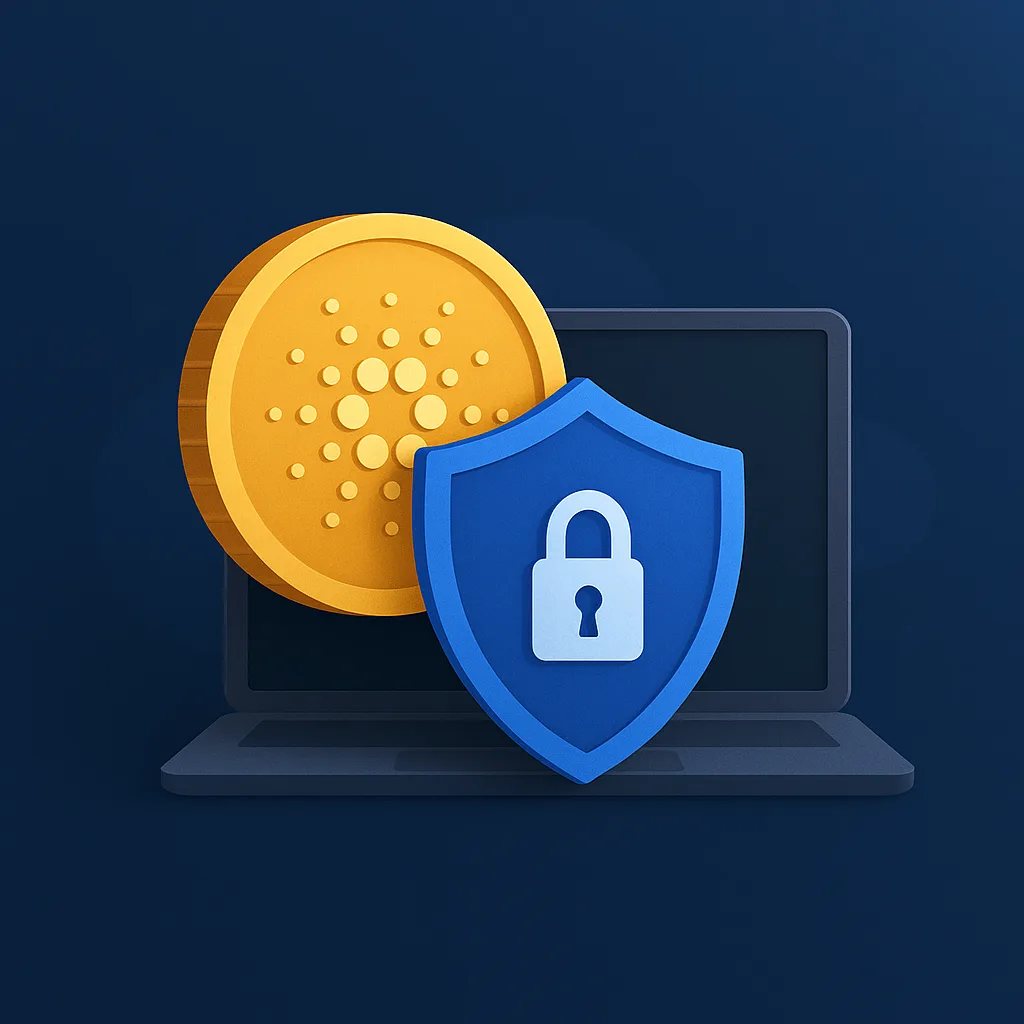
Cardano is one of the leading blockchain platforms in the cryptocurrency landscape, recognized for its innovative approach to creating a secure and scalable ecosystem. Launched in 2017 by Charles Hoskinson, one of the co-founders of Ethereum, Cardano aims to provide a more balanced and sustainable ecosystem for cryptocurrencies. With its unique layered architecture, Cardano separates the settlement layer from the computation layer, allowing for greater flexibility and scalability. This design not only enhances transaction speeds but also facilitates smart contracts, making it a robust choice for developers and users alike.
The importance of Cardano in the crypto market cannot be overstated. As the market continues to evolve, the need for a blockchain platform that prioritizes security, sustainability, and interoperability becomes increasingly critical. Cardano's rigorous research-driven approach sets it apart from many other cryptocurrencies. The platform is built on peer-reviewed academic research, ensuring that its development is grounded in solid theoretical foundations. This commitment to security and reliability has garnered significant attention from investors, developers, and institutions alike, positioning Cardano as a serious contender in the race for blockchain supremacy.
Furthermore, Cardano's native cryptocurrency, ADA, plays a crucial role within the ecosystem, enabling users to participate in the network's governance and stake their coins to earn rewards. As more projects and institutions look to integrate blockchain technology into their operations, Cardano's focus on scalability and sustainability makes it an attractive option. Its smart contract capabilities and ongoing upgrades, such as the recent Alonzo hard fork, which introduced smart contracts to the platform, have further solidified its relevance in a rapidly changing market.
In a world where digital assets are increasingly at risk of cyber threats, understanding how to secure your investments in Cardano is paramount. As we delve deeper into this guide, we will explore various strategies and best practices for protecting your digital wealth, ensuring that your experience with Cardano is not only rewarding but also secure.
Common Security Threats Facing Cardano Users
As the popularity of Cardano continues to rise, so does the interest from malicious actors seeking to exploit vulnerabilities within the ecosystem. Understanding the common security threats that Cardano users face is crucial in safeguarding your digital assets. One of the most prevalent threats is phishing attacks. These attacks often occur through deceptive emails or websites masquerading as legitimate Cardano services. Users might unknowingly provide their private keys or recovery phrases, leading to unauthorized access to their wallets and funds. Always verify the authenticity of emails and links before entering sensitive information.
Another significant threat is malware, which can infect a user’s device and compromise their digital wallets. This can happen through seemingly innocuous downloads or malicious software that captures keystrokes or screenshots. To minimize the risk of malware, users should ensure that their devices are equipped with updated antivirus software and refrain from downloading applications from untrustworthy sources.
Social engineering attacks also pose a risk to Cardano users. These attacks rely on manipulating individuals into divulging confidential information. For example, an attacker may impersonate a support representative and request sensitive information under the pretext of helping the user recover a lost wallet. Users must remain vigilant and skeptical of unsolicited communications, especially those requesting personal or financial information.
Lastly, the threat of network vulnerabilities cannot be overlooked. Though Cardano has made significant strides in ensuring the security of its blockchain, no system is entirely immune to attacks. Users should keep an eye on updates from the Cardano development team and follow best practices for securing their wallets, such as using hardware wallets and enabling two-factor authentication. By being aware of these common security threats and taking proactive measures, Cardano users can significantly reduce their risk of falling victim to cyberattacks.
Best Practices for Securing Your Cardano Wallet
Securing your Cardano wallet is paramount to ensuring the safety of your digital assets. As the cryptocurrency landscape continues to evolve, so do the methods employed by malicious actors seeking to exploit vulnerabilities. Following best practices can significantly reduce the risk of unauthorized access to your wallet and help you maintain control over your investments.
First and foremost, always use a hardware wallet when storing significant amounts of Cardano (ADA). Hardware wallets provide an additional layer of security by keeping your private keys offline, making them much less susceptible to hacking attempts compared to software wallets. Popular options include wallets from reputable brands like Ledger and Trezor, which have proven track records in the cryptocurrency community. When using a hardware wallet, ensure you purchase it directly from the manufacturer to avoid tampering and always verify the authenticity of the device upon receipt.
Another critical practice is to enable two-factor authentication (2FA) wherever possible. Many wallet providers offer 2FA as a security measure to protect your account. By requiring a second form of verification, such as a text message or authentication app, 2FA adds an essential barrier against unauthorized access. Make sure to choose an authentication method that you trust and can access easily, but also one that is secure enough to deter potential intruders.
Additionally, it is crucial to back up your wallet regularly. Most wallets provide a recovery phrase or seed phrase that allows you to restore your wallet in case of loss or theft. Write this phrase down and store it in a safe, secure location, away from your digital devices. Avoid storing it on your computer or online, as these can be compromised. Lastly, stay informed about the latest security measures and updates related to Cardano. Regularly check for updates from your wallet provider and apply them promptly to ensure you are protected against any newly discovered vulnerabilities.
Understanding Smart Contract Risks on the Cardano Network
As the cryptocurrency landscape continues to evolve, the usage of smart contracts has become increasingly prevalent, particularly on platforms like Cardano. While smart contracts offer the potential for enhanced functionality and automation, they also introduce specific risks that users must understand to protect their digital wealth. Cardano's smart contracts are built using the Extended UTXO (EUTXO) model, which differs from the account-based models used by other platforms. This distinction not only provides unique advantages but also presents its own set of challenges that can affect security.
One of the primary risks associated with smart contracts is the potential for coding errors or vulnerabilities. Even a small mistake in the code can lead to significant financial loss, as malicious actors may exploit these vulnerabilities to drain funds or manipulate contract outcomes. Cardano's programming language, Plutus, aims to reduce such risks by enabling developers to write more secure and verifiable smart contracts; however, the complexity of smart contract development means that thorough testing and auditing are crucial. Users should be cautious and only interact with contracts that have undergone rigorous scrutiny by experts.
Another significant risk is the possibility of unforeseen interactions between different smart contracts. In a decentralized ecosystem, contracts can interact in unexpected ways, leading to cascading failures or security loopholes. Users must be aware of the potential consequences of their interactions with various contracts and platforms, as a seemingly harmless action can inadvertently expose them to vulnerabilities. Understanding the interconnectedness of contracts is essential for safeguarding assets in a decentralized environment.
Lastly, the evolving nature of regulatory frameworks surrounding cryptocurrencies and smart contracts can also introduce risks. Changes in regulations may impact the functionality or legality of certain smart contracts, which could lead to unforeseen consequences for users. Staying informed about the legal landscape and understanding how it intersects with smart contracts on Cardano is vital for users looking to protect their digital assets. By recognizing these risks and taking proactive measures, users can engage with Cardano's smart contracts more safely and confidently.
The Role of Multi-Signature Wallets in Enhancing Security
In the rapidly evolving landscape of cryptocurrencies, security remains a paramount concern for investors and users alike. One of the most effective ways to enhance your security when dealing with digital assets, particularly on platforms like Cardano, is through the use of multi-signature wallets. These wallets require multiple private keys to authorize a transaction, which adds an additional layer of protection against unauthorized access and potential theft.
Multi-signature wallets operate under the principle of shared control. Instead of a single private key that can be stolen or compromised, these wallets distribute the responsibility across several keys. For instance, a setup might require three out of five keys to approve a transaction. This means that even if one key is lost or stolen, the funds remain secure as long as the remaining keys are safely held by trusted parties. This feature is particularly beneficial for businesses and organizations that manage significant amounts of digital currency or those who wish to implement a more collaborative approach to asset management.
Another significant advantage of multi-signature wallets is the added transparency and accountability they provide. In scenarios such as joint ventures or partnerships, where multiple stakeholders are involved, each party can hold a separate key. This arrangement ensures that no single person can make unilateral decisions regarding the funds, thereby minimizing the risk of fraud or mismanagement. Furthermore, the requirement for multiple approvals can deter malicious actors, as they would need to compromise multiple keys to gain access to the wallet's contents.
Despite their advantages, it’s essential to understand that multi-signature wallets are not a silver bullet. Users must still practice good security hygiene, such as keeping their keys in secure locations and regularly updating their security practices. Additionally, choosing a reputable wallet provider that supports Cardano and multi-signature functionality is crucial to ensure that your digital wealth remains safe. By incorporating multi-signature wallets into your security strategy, you can significantly enhance the protection of your digital assets and mitigate the risks associated with cryptocurrency ownership.
Staying Informed: Keeping Up with Cardano Security Updates
In the fast-evolving world of cryptocurrency, staying informed about security updates is crucial for protecting your digital assets. Cardano, as a blockchain platform, is continuously improving its protocols to enhance security and usability. The developers behind Cardano regularly release updates and patches that address vulnerabilities, improve functionality, and introduce new features. To safeguard your investments, it's essential to stay abreast of these developments.
One of the best ways to stay informed is by following Cardano’s official channels, such as their website and social media accounts. The Cardano Foundation and IOHK (Input Output Hong Kong) often share important announcements regarding security upgrades, system maintenance, and best practices for users. Subscribing to newsletters or joining community forums can also provide timely information and insights from other users and experts in the space. Engaging in these communities not only keeps you informed but also helps you understand the broader context of security measures being implemented.
Moreover, consider setting up alerts for critical updates. Many cryptocurrency wallets and exchanges that support Cardano provide notifications for updates related to security practices. This proactive approach ensures that you receive the latest information directly, allowing you to take immediate action if necessary. Additionally, participating in webinars or discussions hosted by Cardano experts can greatly enhance your understanding of security features and potential risks associated with the blockchain.
Finally, do not underestimate the power of education. Familiarize yourself with common security threats, such as phishing attempts, malware, or social engineering tactics that target cryptocurrency users. By understanding these risks and knowing how to recognize them, you can better protect your assets. The more knowledge you acquire about Cardano’s security landscape, the more equipped you will be to navigate it safely. In summary, staying informed about Cardano security updates is a critical aspect of managing your digital wealth responsibly and effectively.
The Importance of Two-Factor Authentication in Crypto Security
In the rapidly evolving landscape of cryptocurrency, ensuring the security of your digital assets is paramount. One of the most effective measures you can implement to protect your Cardano holdings is Two-Factor Authentication (2FA). This additional layer of security significantly reduces the risk of unauthorized access, making it much harder for potential hackers to compromise your accounts. Unlike traditional security measures that rely solely on passwords, 2FA requires a second piece of information to verify your identity, such as a code sent to your mobile device or an authentication app.
When you enable 2FA on your cryptocurrency exchange or wallet, you are taking a proactive step to safeguard your digital wealth. Even if a malicious actor somehow obtains your password, they would still need the second factor—often a time-sensitive code that changes every 30 seconds—to gain access. This means that the chances of someone accessing your account without your knowledge are drastically reduced. In a world where data breaches and hacking incidents are all too common, implementing 2FA is not just advisable but essential.
Moreover, the implementation of 2FA can also help in building a culture of security awareness among cryptocurrency users. By adopting practices such as 2FA, individuals become more vigilant about their overall cybersecurity posture. This heightened awareness often leads to additional good practices, such as regularly updating passwords, using unique passwords for different services, and being cautious about sharing sensitive information. In essence, 2FA serves as a gateway to a more secure mindset when it comes to managing your digital assets.
While 2FA is a powerful tool, it is important to choose the right method for your personal needs. Options include SMS-based authentication, which sends codes via text, and app-based authentication, which generates codes on your device. Each method has its advantages and drawbacks, so it is vital to understand which one fits your level of comfort and security requirements best. Regardless of the method selected, enabling Two-Factor Authentication is a crucial step in fortifying your defenses against the growing threats in the cryptocurrency space.
Conclusion: Building a Secure Future for Your Cardano Investments
As the world of digital assets continues to evolve, ensuring the security of your Cardano investments is more critical than ever. With the increasing sophistication of cyber threats, it is vital to adopt a proactive approach to protect your digital wealth. By implementing the strategies discussed throughout this guide, you can significantly enhance your security posture and reduce the risk of loss due to hacks, scams, and other vulnerabilities.
First and foremost, it is essential to understand the various tools and services available for safeguarding your Cardano assets. Utilizing hardware wallets, for example, can provide an added layer of security by keeping your private keys offline. Furthermore, ensuring that your software wallets and exchanges have robust security measures in place can help mitigate risks associated with online storage. Always remember that the responsibility for securing your investments ultimately lies in your hands; therefore, staying informed about advancements in security practices is crucial.
Additionally, adopting good security hygiene is vital in protecting your digital wealth. This includes using strong, unique passwords for all your accounts and enabling two-factor authentication whenever possible. Regularly updating your software and being vigilant against phishing attempts are also critical components of a well-rounded security strategy. Taking the time to educate yourself about common scams and tactics used by cybercriminals can empower you to make informed decisions and avoid falling victim to malicious schemes.
Lastly, consider diversifying your investments within the Cardano ecosystem. By spreading your assets across various projects and platforms, you can reduce the potential impact of a security breach or market downturn on your overall portfolio. As you build a secure future for your Cardano investments, remember that knowledge is your best defense. Stay engaged with the community, participate in discussions, and continually seek out resources that can help you navigate the ever-changing landscape of digital asset security. By taking these proactive steps, you can enjoy the benefits of your investments while minimizing the risks associated with them.