Introduction to Litecoin Security in 2026
As we navigate through 2026, the landscape of cryptocurrency security continues to evolve, presenting both challenges and opportunities for Litecoin users. Litecoin, established in 2011 as a peer-to-peer cryptocurrency, has gained significant traction due to its faster transaction times and lower fees compared to Bitcoin. However, as with any digital asset, securing your Litecoin investments is paramount in safeguarding your financial future. Understanding the current threats and implementing robust security measures is essential for both novice and experienced investors.
In recent years, the rise of sophisticated cyber threats has made it increasingly crucial for Litecoin investors to stay informed about the best practices for securing their assets. Phishing attacks, malware, and exchange hacks have become prevalent, resulting in substantial losses for those who do not take adequate precautions. In 2026, it is vital to recognize that while Litecoin offers unique advantages, it is not impervious to these risks. As such, adopting a proactive approach to security can help mitigate potential vulnerabilities.
This guide aims to equip Litecoin users with the knowledge and tools needed to enhance their security posture. We will explore various methods of securing your Litecoin, including the use of hardware wallets, two-factor authentication, and secure storage solutions. Additionally, we will delve into the importance of keeping your software updated and recognizing the signs of potential security threats. By understanding the security landscape and implementing best practices, Litecoin users can significantly reduce their exposure to risks while enjoying the benefits of this dynamic cryptocurrency.
Ultimately, securing your Litecoin investments in 2026 requires vigilance and ongoing education. As the cryptocurrency market continues to mature, so too will the tactics employed by malicious actors. By staying informed and adopting comprehensive security measures, you can protect your assets and enjoy the full potential of your Litecoin investments.
The Current Landscape of Litecoin: Adoption and Challenges
As we move further into 2026, Litecoin continues to carve out its niche in the cryptocurrency market. Originally launched in 2011 as a 'silver to Bitcoin's gold,' Litecoin has successfully maintained a dedicated user base and has seen a consistent rise in adoption. Several factors contribute to its enduring appeal, including faster transaction times, a more energy-efficient mining process, and a strong community backing. In recent years, the integration of Litecoin into various payment platforms and online merchants has further solidified its status as a viable medium of exchange. This growth in adoption has, in turn, led to an increase in its market capitalization, making it one of the top cryptocurrencies by market value. Crypto security trends in 2026.
However, despite the positive trends, Litecoin faces a series of challenges that could impact its future growth. One of the most significant hurdles is the ever-evolving regulatory landscape surrounding cryptocurrencies. Governments around the world are grappling with how to regulate digital assets, and Litecoin is not exempt from scrutiny. The potential for stricter regulations could create uncertainty among investors and users, which may hinder adoption rates. Moreover, as competition within the cryptocurrency space intensifies, Litecoin must continually innovate to stay relevant. Newer cryptocurrencies with advanced features can easily capture the attention of investors, necessitating that Litecoin differentiate itself and adapt to the changing market dynamics.
Additionally, security remains a paramount concern for Litecoin users. While the network itself has proven to be resilient against attacks, individual users and exchanges are often targets for malicious activities. The rise in phishing attacks and hacking incidents has made it essential for Litecoin users to adopt robust security practices. As more individuals enter the cryptocurrency space, the importance of educating them about potential risks and security measures cannot be overstated. A single security breach can lead to significant losses, not only for the affected users but also for the overall reputation of Litecoin.
In summary, while the current landscape of Litecoin shows promise with growing adoption and a dedicated community, it is not without its challenges. The need for regulatory clarity, ongoing innovation, and heightened security awareness will be critical for Litecoin's sustained success in the years to come. As a user, staying informed about these dynamics will be crucial for making the most of your investments and ensuring your assets are secure.
Key Security Threats Facing Litecoin Holders
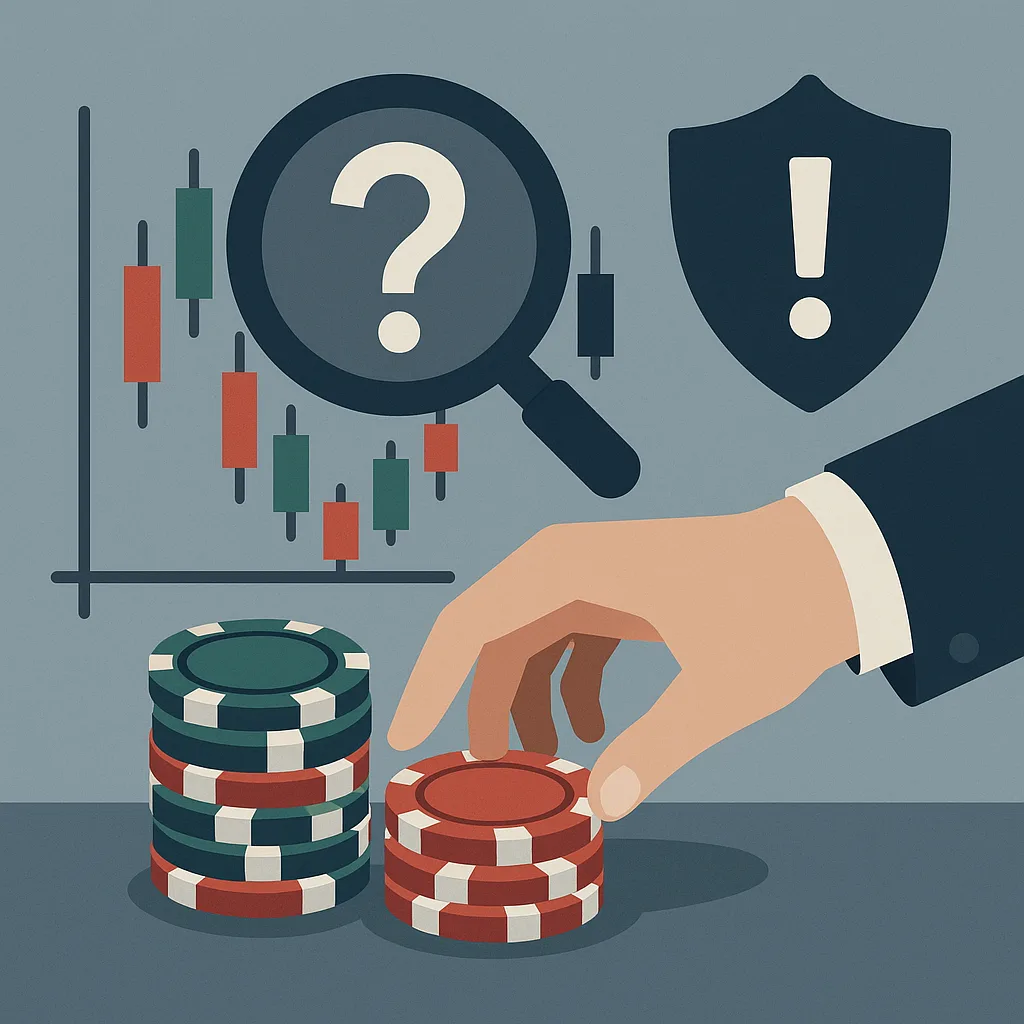
As the cryptocurrency landscape continues to evolve, Litecoin holders must remain vigilant against a range of security threats that can jeopardize their investments. One of the primary threats is the prevalence of phishing attacks, where malicious actors impersonate legitimate services to trick users into revealing their private keys or login credentials. These attacks can occur through emails, fake websites, or even social media channels. It's essential for Litecoin users to verify the authenticity of any communication they receive and to always access their wallets through known, secure links. Identifying risks in crypto trading.
Another significant threat comes from malware and ransomware attacks. Cybercriminals are increasingly employing sophisticated malware designed to target cryptocurrency wallets and exchanges. This type of malicious software can infiltrate a user’s device, capturing keystrokes or directly accessing wallet information. To mitigate these risks, Litecoin holders should ensure their devices are equipped with up-to-date antivirus software and refrain from downloading applications or files from untrusted sources.
Additionally, the rise of decentralized finance (DeFi) platforms has introduced new vulnerabilities in the ecosystem. While DeFi offers innovative financial solutions, it also attracts hackers seeking to exploit smart contract bugs or vulnerabilities. Litecoin users engaging with DeFi platforms must perform thorough due diligence, ensuring that they are interacting with reputable projects and understand the risks involved. Conducting regular audits on smart contracts and participating in platforms with proven security records can further reduce exposure to potential threats.
Finally, the risk of exchange hacks remains a critical concern for Litecoin holders who store their assets on centralized exchanges. High-profile breaches have resulted in millions of dollars lost due to inadequate security measures on the part of these platforms. To protect investments, users are encouraged to utilize hardware wallets or secure personal wallets for long-term storage of their Litecoin, rather than relying solely on exchanges. By being aware of these key security threats and implementing best practices, Litecoin holders can better safeguard their investments in an increasingly complex digital landscape.
Best Practices for Securing Your Litecoin Wallet
As the popularity of cryptocurrencies like Litecoin continues to rise, so does the importance of securing your digital assets. With the increasing number of cyber threats and scams, it is imperative for Litecoin users to adopt best practices for securing their wallets. The first step in this process is to choose the right type of wallet for your needs. Hardware wallets are often recommended for long-term storage due to their enhanced security features, as they store your private keys offline. On the other hand, software wallets offer greater convenience for daily transactions but come with increased risks. Regardless of the wallet type you choose, ensure that it is reputable and has a proven track record in the crypto community.
Another critical aspect of securing your Litecoin wallet is to enable two-factor authentication (2FA) whenever possible. This added layer of security requires you to provide two forms of identification before accessing your wallet, making it significantly harder for unauthorized users to gain access. Additionally, always ensure that your wallet software is updated to the latest version. Developers frequently release updates to patch security vulnerabilities, and keeping your wallet updated can protect you from potential exploits. Strategies for securing crypto assets.
Moreover, be cautious with your private keys. Your private key is the gateway to your Litecoin assets, and sharing it or storing it in an insecure manner can lead to devastating losses. Consider using a secure password manager to store your private keys, or, if you prefer a more traditional approach, write them down and store them in a safe place. Avoid sharing screenshots or digital copies of your keys, as these can be easily intercepted. Lastly, always be wary of phishing attempts and suspicious links. Scammers often use deceptive emails and websites to trick users into providing their credentials. Be vigilant and double-check URLs before entering any sensitive information.
Lastly, consider diversifying your storage methods. While keeping a portion of your Litecoin in a hot wallet for easy access is convenient, storing the bulk of your assets in cold storage can provide an additional layer of security. This strategy minimizes the risk of online threats and ensures that your investments remain secure. By following these best practices, Litecoin users can significantly reduce the risk of theft and ensure that their investments are well protected.
Utilizing Hardware Wallets and Multi-Signature Solutions
In the ever-evolving landscape of cryptocurrency, securing your investments has become paramount. For Litecoin users, employing hardware wallets and multi-signature solutions can significantly enhance the security of your assets. Hardware wallets are physical devices designed specifically for securely storing cryptocurrencies offline. They provide a robust defense against online threats such as hacking and phishing scams that are prevalent in the digital space. By keeping your private keys stored safely away from the internet, hardware wallets add an essential layer of protection.
When selecting a hardware wallet, it is crucial to choose a reputable brand that has a proven track record for security. Popular options such as Ledger and Trezor offer user-friendly interfaces and strong encryption protocols. While these devices may require an initial investment, the peace of mind they provide far outweighs the cost. It’s important to remember that even hardware wallets can be vulnerable if not used correctly, so always ensure that your recovery seed is stored securely and never shared with anyone.
In addition to hardware wallets, multi-signature solutions offer another layer of security by requiring multiple private keys to authorize a transaction. This means that even if one key is compromised, your funds remain safe. Multi-signature wallets can be particularly beneficial for businesses or individuals managing large amounts of Litecoin. By distributing the signing authority among trusted parties, you can mitigate the risks associated with a single point of failure. This collaborative approach not only increases security but also enhances accountability in the management of assets. Trade TOSHI/USDT.
Implementing these security measures is not just a precaution; it is a necessary strategy in the world of cryptocurrencies. As Litecoin continues to gain traction and adoption, the importance of safeguarding your investments will only grow. Whether you opt for a hardware wallet, a multi-signature solution, or a combination of both, taking proactive steps to enhance your security posture will help protect your assets in the long run. Remember, when it comes to securing your investments, it’s always better to be safe than sorry.
Understanding Phishing and Social Engineering Risks
As the cryptocurrency landscape continues to evolve, so does the array of threats that investors face. Among the most pernicious are phishing attacks and social engineering schemes, which exploit human psychology rather than technical vulnerabilities. Phishing typically involves malicious actors attempting to trick individuals into revealing sensitive information, such as private keys or login credentials, often by masquerading as trustworthy entities. For Litecoin users, this could mean receiving emails that appear to be from legitimate exchanges or wallets, urging them to update their information or verify their accounts.
Social engineering, on the other hand, encompasses a broader range of manipulative tactics designed to influence individuals into making security mistakes. This could involve a scammer impersonating a tech support representative and convincing a user to share their private keys, or even a seemingly innocent conversation on social media that subtly extracts information. The primary goal of these tactics is to create a false sense of trust, leading users to inadvertently compromise their security. Understanding these risks is crucial for anyone involved in cryptocurrency, as the consequences can be devastating.
To safeguard against phishing and social engineering, users must adopt a proactive approach. Always verify the authenticity of any communication related to your Litecoin investments. This means checking the sender's email address for discrepancies, looking for official logos or contact details, and, when in doubt, directly reaching out to the organization through verified channels. Additionally, enabling two-factor authentication (2FA) on your accounts adds a significant layer of security, making it more difficult for unauthorized users to gain access, even if they manage to obtain your login credentials.
Education is one of the most effective defenses against these types of scams. Familiarizing yourself with common phishing tactics and social engineering ploys can help you recognize suspicious activity and react appropriately. Regularly updating your passwords and avoiding using the same passwords across multiple platforms can further reduce your risk. By being vigilant and informed, Litecoin users can significantly enhance their security posture and protect their investments from potential threats. RSR price.
Regulatory Changes Impacting Litecoin Security
As we move into 2026, the landscape of cryptocurrency regulation is evolving at an unprecedented pace. Governments around the world are recognizing the need for frameworks that can adapt to the dynamic nature of digital currencies, including Litecoin. These regulatory changes often aim to enhance investor protection, tackle illicit activities, and ensure market integrity. For Litecoin users, understanding these developments is crucial, as they can significantly impact security practices and investment strategies.
One of the most significant regulatory shifts has been the introduction of stricter anti-money laundering (AML) and know-your-customer (KYC) requirements. Many countries are now mandating that cryptocurrency exchanges implement comprehensive identity verification processes. This move is designed to deter fraudulent activities and increase accountability within the crypto environment. For Litecoin users, this means that trading platforms may require additional personal information, which can raise concerns about data privacy and security. It is vital for users to choose reputable exchanges that prioritize security measures to protect their data.
Furthermore, regulatory bodies are increasingly focusing on consumer protection laws. In 2026, we may see enhanced regulations that require exchanges to maintain higher levels of asset reserves and provide clearer disclosures about their operations. For Litecoin investors, this could translate into a safer trading environment, reducing the risk of exchange failures. However, it is essential for users to remain vigilant and conduct due diligence on the platforms they choose to engage with, as not all exchanges will comply with these new standards.
Lastly, the global nature of cryptocurrency means that regulatory changes in one country can have ripple effects worldwide. As nations adopt varying approaches to regulation, Litecoin users must stay informed about changes in their respective jurisdictions. This awareness will not only help in making informed investment decisions but also in navigating the complexities of compliance. By understanding and adapting to these regulatory changes, Litecoin users can enhance their security posture and better protect their investments in an ever-evolving digital landscape. Futures trading.
Conclusion: Staying Vigilant in the Evolving Crypto Environment
As the cryptocurrency landscape continues to evolve, maintaining a proactive approach to securing your investments in Litecoin is more crucial than ever. The rapid pace of technological advancement in blockchain technology, coupled with the increasing sophistication of cyber threats, means that investors must remain vigilant. By staying informed about the latest security practices and potential risks, you can better protect your assets and ensure the longevity of your investments.
In this ever-changing environment, it's essential to adopt a multi-layered security strategy. This includes using reputable wallets, enabling two-factor authentication, and keeping your software up to date. Regularly reviewing your security measures and adapting to new threats can help safeguard your Litecoin from potential attacks. Moreover, engaging with the community and following updates from credible sources can provide insights into emerging risks and best practices, allowing you to make informed decisions.
Additionally, consider diversifying your investment strategy to mitigate risks associated with market volatility. While Litecoin remains a robust option in the crypto space, diversifying into other cryptocurrencies or traditional assets can help balance your portfolio. This approach not only spreads risk but also opens up new opportunities for growth. Remember, the key to successful investing is not just about choosing the right assets but also about managing risk effectively.
Ultimately, the responsibility of protecting your investments lies with you. By staying educated, implementing robust security measures, and being adaptable to changes in the crypto environment, you can navigate the complexities of the market with confidence. As we move forward into 2026 and beyond, let vigilance and informed decision-making be your guiding principles in securing your investments in Litecoin and beyond.