Introduction to Crypto Investment Paradigms
The world of cryptocurrency investment is often perceived through a narrow lens, primarily focusing on methods like staking or trading. However, as the crypto market continues to mature, a diverse array of investment strategies has emerged, catering to various risk appetites and investment philosophies. Understanding these paradigms is crucial for investors looking to navigate this complex landscape effectively.
At its core, crypto investment is not just about buying and holding digital assets; it encompasses a wide range of strategies that can be tailored to fit individual objectives and market conditions. From yield farming to liquidity provision, each approach has its unique characteristics, risk factors, and potential rewards. For instance, yield farming allows investors to earn returns by providing liquidity to decentralized finance (DeFi) protocols, while liquidity provision entails supplying assets to exchanges to facilitate trading. Both strategies require a solid understanding of market dynamics and an appetite for risk, but they can also lead to significant returns if executed wisely.
Moreover, investors must also consider the role of fundamental and technical analysis in their strategies. Fundamental analysis involves evaluating the underlying technology, team, and market potential of a cryptocurrency, while technical analysis focuses on price movements and trading volumes. By combining these methodologies, investors can develop a more holistic view of the market, enabling them to make informed decisions about when to enter or exit positions.
As we delve deeper into this blog series, we will explore various investment strategies beyond staking, providing insights into their mechanics, benefits, and risks. Whether you are a seasoned investor looking to diversify your portfolio or a newcomer eager to learn the ropes of crypto investing, understanding these diverse paradigms will empower you to navigate the volatile world of cryptocurrencies with confidence and clarity.
Understanding Staking: A Key Component
Staking has emerged as a significant player in the world of cryptocurrency investment strategies, offering a unique blend of earning potential and passive income. At its core, staking involves participating in a proof-of-stake (PoS) network, where investors lock up a certain amount of their cryptocurrency to support the operations of the blockchain. In return, they receive rewards, typically in the form of additional tokens. This system incentivizes users to hold onto their assets, thus contributing to the stability and security of the network. Trends and innovations in DeFi.
One of the most appealing aspects of staking is its relatively straightforward entry point for investors. Unlike mining, which requires specialized hardware and technical expertise, staking can often be done with just a wallet and a few clicks. Many platforms offer user-friendly interfaces and step-by-step guides to help new investors navigate the staking process. This accessibility has attracted a diverse range of participants, from seasoned investors to crypto novices looking to dip their toes into the world of digital assets.
Moreover, staking can provide a hedge against the volatility commonly associated with cryptocurrencies. By earning rewards through staking, investors can offset potential losses from price fluctuations. This steady stream of income is especially appealing in bearish market conditions, where traditional trading strategies might falter. Furthermore, staking often involves locking up assets for a predetermined period, which encourages a long-term perspective and mitigates impulsive trading behaviors that can lead to losses.
However, it is important for investors to approach staking with a clear understanding of the associated risks. While the rewards can be enticing, factors such as network performance, the reliability of the staking platform, and potential slashing penalties for validator misbehavior must be considered. As with any investment strategy, thorough research and risk management are essential to maximize the benefits of staking while safeguarding one’s capital. Overall, staking represents a compelling option for those looking to diversify their investment strategies in the ever-evolving landscape of cryptocurrency.
Exploring Alternative Investment Strategies
While staking has gained significant popularity as a means to earn passive income in the cryptocurrency space, it is by no means the only strategy available to investors. To navigate the complexities of the crypto market effectively, it is essential to explore a variety of alternative investment strategies that can cater to different risk appetites, investment goals, and market conditions. These strategies not only diversify a portfolio but also allow investors to capitalize on the dynamic and evolving nature of the cryptocurrency ecosystem. Guide to Layer 2 solutions.
One of the most prevalent alternative strategies is trading, which can be approached in various forms, including day trading, swing trading, and position trading. Day traders focus on short-term price movements, executing multiple trades within a single day to capitalize on small fluctuations. This approach requires a keen understanding of market trends, technical analysis, and a significant time commitment. Conversely, swing traders adopt a more moderate approach, holding assets for several days to weeks to capture price swings. This strategy allows for more flexibility than day trading while still enabling investors to benefit from market volatility. Position trading, on the other hand, is a long-term investment strategy where traders hold assets for months or even years, relying on fundamental analysis to inform their decisions.
Another strategy worth considering is yield farming, a process that involves providing liquidity to decentralized finance (DeFi) protocols in exchange for rewards. Yield farming enables investors to earn interest on their crypto holdings or receive tokens as incentives for participating in liquidity pools. This strategy can be lucrative, but it also comes with risks, including impermanent loss and smart contract vulnerabilities. Investors should conduct thorough research and understand the mechanics of the DeFi protocols they engage with to mitigate potential pitfalls.
Lastly, investing in crypto indices or exchange-traded funds (ETFs) offers a more passive approach for those hesitant to dive deep into individual asset selection. These investment vehicles allow investors to gain exposure to a diversified basket of cryptocurrencies, thus reducing the risks associated with holding a single asset. By tracking the performance of a collection of cryptocurrencies, indices and ETFs can provide a more stable return profile while still participating in the potential growth of the crypto market. This approach is particularly appealing for newcomers looking to invest in the space without the burden of constant market monitoring.
Risk Management in Cryptocurrency Investments
Investing in cryptocurrency can be both exhilarating and daunting due to its notorious volatility. Unlike traditional investment vehicles, the crypto market can experience rapid price swings in a matter of hours, making effective risk management a crucial aspect for any investor. Understanding how to mitigate risks can not only protect your capital but also enhance your overall investment strategy.
One of the foundational principles of risk management is diversification. By spreading your investments across various cryptocurrencies, you can reduce the impact of a poor-performing asset. While Bitcoin and Ethereum are often considered safe bets in the crypto space, exploring altcoins can provide opportunities for substantial gains. However, it’s essential to conduct thorough research on these assets to understand their technology, use cases, and market potential before investing. Advanced investment techniques in crypto.
Another effective strategy is to set clear investment goals and define your risk tolerance. Are you looking for short-term gains or long-term growth? Knowing your investment horizon will help you determine how much risk you are willing to take. Additionally, using stop-loss orders can protect your investments from significant downturns. These orders automatically sell your cryptocurrency when it reaches a predetermined price, limiting your potential losses.
Lastly, staying informed about market trends and regulatory developments is vital for managing risks in the crypto space. The cryptocurrency market is influenced by various factors such as technological advancements, government regulations, and macroeconomic trends. By keeping abreast of these changes, you can make informed decisions and adjust your investment strategy accordingly. In conclusion, while the potential for high returns in cryptocurrency is appealing, implementing robust risk management practices is essential for navigating this volatile landscape safely.
The Role of Decentralized Finance (DeFi)
Decentralized Finance, or DeFi, has emerged as a transformative force within the cryptocurrency landscape, enabling a range of innovative financial services without the need for traditional intermediaries. By leveraging blockchain technology, DeFi allows individuals to access lending, borrowing, trading, and savings services directly through smart contracts. This democratization of finance not only enhances accessibility but also fosters transparency and efficiency, making it an attractive option for both seasoned investors and newcomers to the crypto space.
One of the most compelling aspects of DeFi is its ability to offer users a high degree of control over their assets. Unlike traditional financial systems where banks dictate terms and conditions, DeFi platforms empower users to manage their investments directly, often with the opportunity to earn higher yields than traditional savings accounts or investment vehicles. Users can participate in liquidity pools, yield farming, and lending protocols, all of which can generate passive income streams that are pivotal in diversifying an investment portfolio.
Moreover, DeFi platforms frequently utilize automated market makers (AMMs), which allow users to trade assets without relying on order books. This innovation significantly increases the efficiency of trade execution, reduces costs, and minimizes slippage, making it easier for investors to capitalize on market opportunities. The rise of DeFi has also led to the creation of synthetic assets, which can track the value of real-world assets, enabling users to diversify their investments further without directly holding those assets.
However, while DeFi presents numerous opportunities, it is not without risks. The decentralized nature of these platforms can lead to vulnerabilities, such as smart contract bugs and potential exploits. Investors must conduct thorough research and due diligence before engaging with DeFi protocols. By understanding the underlying mechanisms and risks associated with DeFi, investors can effectively leverage its potential to enhance their overall investment strategies in the crypto space, moving beyond conventional methods like staking to explore a broader array of options.
Evaluating Exchanges: Choosing the Right Platform
As the cryptocurrency market continues to evolve, selecting the right exchange is crucial for both novice and seasoned investors. With a plethora of platforms available, each offering different features, fees, and security measures, it’s essential to conduct thorough research before committing your funds. A well-chosen exchange not only facilitates smoother transactions but also enhances your overall trading experience.
One of the primary factors to consider when evaluating exchanges is security. Look for platforms that prioritize the safety of their users' assets, employing robust security protocols such as two-factor authentication (2FA), cold storage options, and regular security audits. It’s also wise to review the exchange's history regarding hacks or breaches, as past incidents can provide insight into how effectively an exchange manages its security measures.
Another critical aspect is the range of cryptocurrencies offered. While some exchanges specialize in a limited selection of popular coins, others provide access to a vast array of altcoins and tokens. If your investment strategy includes diversifying your portfolio with lesser-known cryptocurrencies, ensure that the platform you choose supports these options. Additionally, consider the trading features available, such as advanced order types, margin trading, and analytics tools, which can enhance your trading capabilities.
Lastly, take into account the fee structure of the exchange, as transaction fees can significantly impact your profitability. Different platforms have varying fee models, including flat fees, percentage-based fees, or maker-taker fees. It’s essential to understand these fees and how they apply to your trading activities. Moreover, some exchanges offer lower fees for higher trading volumes or loyalty programs that reward frequent traders, which can be beneficial in the long run. By carefully evaluating these factors, you can choose an exchange that aligns with your investment goals and provides a secure and efficient trading environment. B price.
Future Trends in Investment and Staking
The cryptocurrency landscape is in a constant state of evolution, and as more investors enter the market, we can expect to see a variety of innovative investment strategies emerge. One of the most significant trends on the horizon is the rise of decentralized finance (DeFi) platforms that offer a comprehensive range of financial services. These platforms are not only enabling traditional investment methodologies but are also creating new opportunities for yield generation through liquidity provision, lending, and borrowing.
In the coming years, we are likely to witness an increase in the integration of artificial intelligence and machine learning in crypto investment strategies. These technologies can analyze vast amounts of data at unprecedented speeds, allowing investors to make informed decisions based on real-time market trends. Automated trading bots powered by AI are becoming increasingly popular, enabling investors to capitalize on market fluctuations without the need for constant monitoring. As these technologies improve, they will enhance the efficiency and effectiveness of investment strategies in the crypto space.
Another trend to watch is the growing emphasis on sustainable and ethical investing within the cryptocurrency market. As environmental concerns associated with energy-intensive proof-of-work mechanisms gain attention, many investors are shifting their focus toward projects that prioritize sustainability. Proof-of-stake (PoS) and other eco-friendly consensus mechanisms are gaining traction, and investors are increasingly looking for projects that align with their values. This shift not only influences individual investment choices but also encourages projects to adopt greener practices, ultimately shaping the future of the crypto ecosystem.
Finally, as regulatory frameworks continue to develop around the globe, investment strategies in the crypto space will also adapt. Increased regulatory clarity can lead to greater institutional participation, as large investors seek to navigate the crypto landscape with confidence. This institutional interest could drive new innovations in financial products, such as crypto exchange-traded funds (ETFs) and other investment vehicles, making it easier for the average investor to gain exposure to the crypto market. As these trends unfold, staying informed and adaptable will be key for anyone looking to thrive in this dynamic investment environment. Staking.
Conclusion: Crafting a Diversified Crypto Portfolio
In the rapidly evolving landscape of cryptocurrencies, crafting a diversified portfolio is not just a strategy; it’s a necessity. The inherent volatility of the crypto market poses significant risks, and diversification can serve as a safeguard against potential downturns. By spreading investments across various asset classes within the crypto space—such as established coins, emerging altcoins, DeFi projects, and NFTs—investors can mitigate risks and enhance their chances of achieving favorable returns.
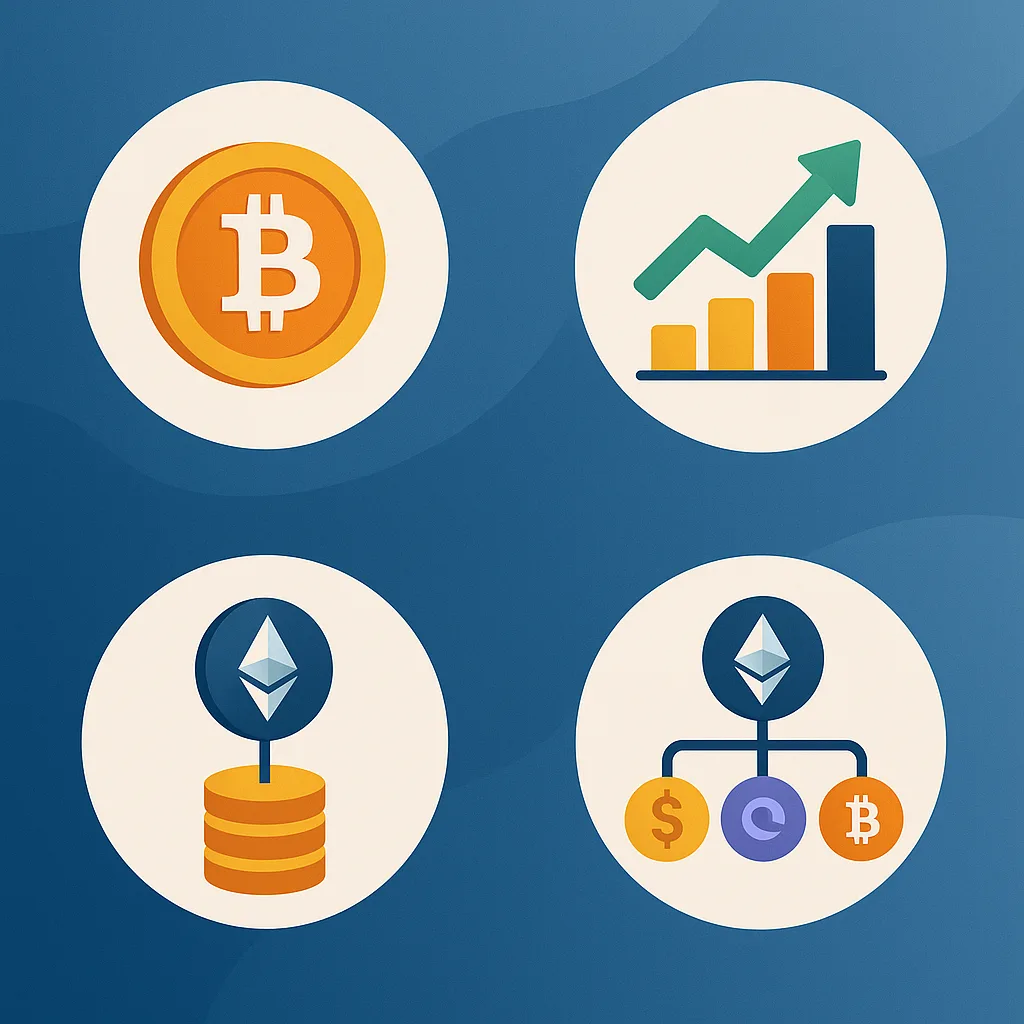
When building a diversified crypto portfolio, it’s essential to consider both the potential for gains and the level of risk associated with each type of asset. Well-established cryptocurrencies like Bitcoin and Ethereum are often seen as a foundation for any portfolio due to their market dominance and historical performance. However, incorporating smaller, high-potential altcoins can provide opportunities for substantial growth, albeit with increased risk. Additionally, engaging with DeFi projects offers unique yield-generating options that can further diversify income streams.
Investors should also keep an eye on trends and innovations within the crypto space. The rise of decentralized finance (DeFi) and non-fungible tokens (NFTs) has created new avenues for investment that can contribute to a well-rounded portfolio. For instance, participating in liquidity pools or yield farming can yield attractive returns while also supporting the ecosystem's growth. Understanding the technology behind these investments is crucial, as it equips investors to make informed decisions and adapt to market changes.
Ultimately, a diversified crypto portfolio should reflect individual risk tolerance, investment goals, and time horizons. Regularly reviewing and rebalancing the portfolio in response to market conditions and personal circumstances is equally important. By approaching crypto investing with a diversified strategy, investors can navigate the complexities of the market more effectively and work towards building a resilient investment portfolio that stands the test of time.